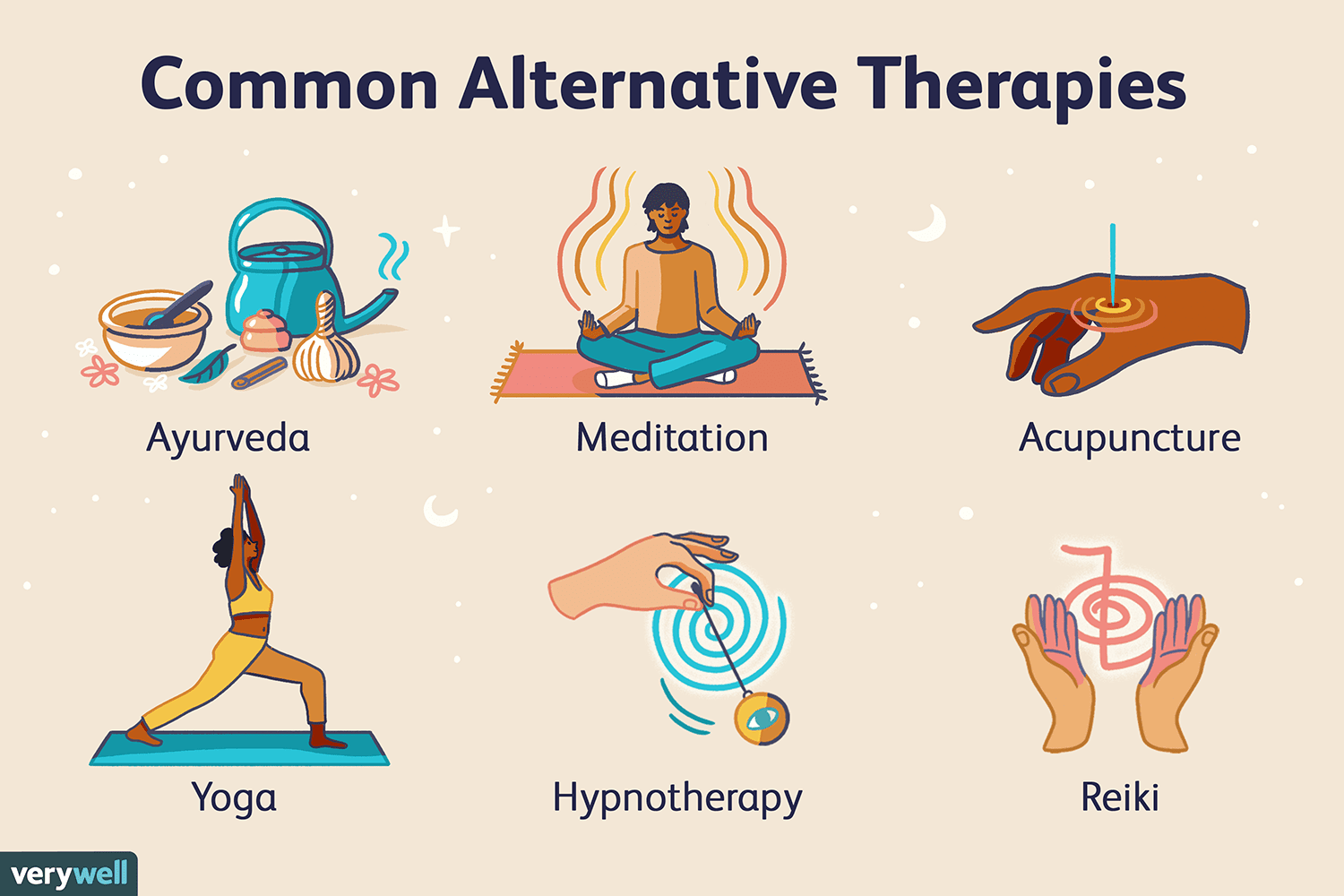
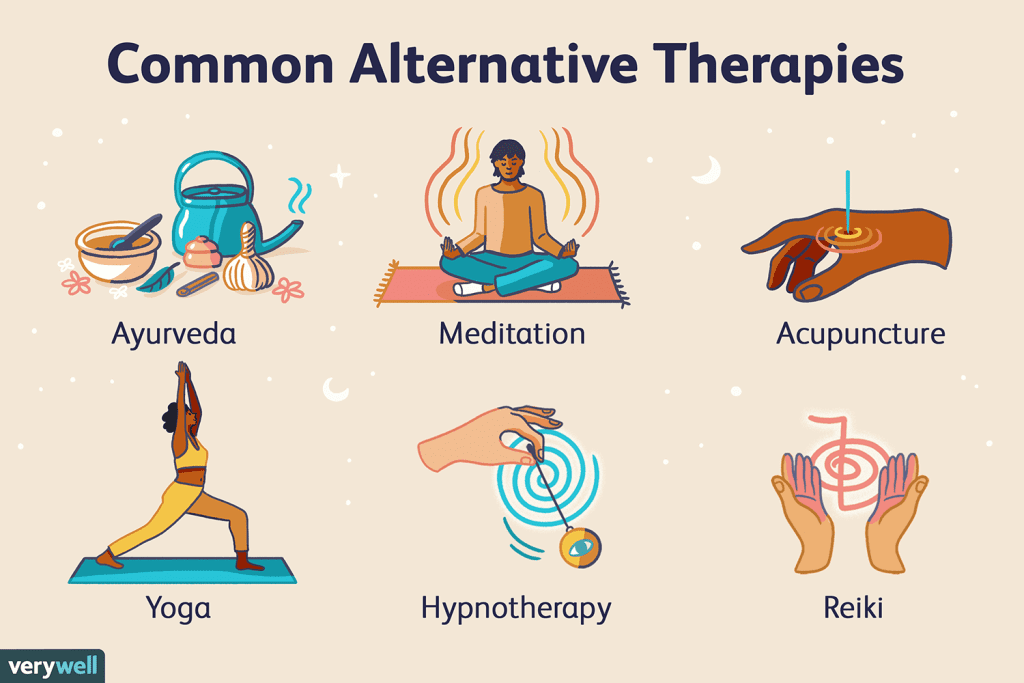
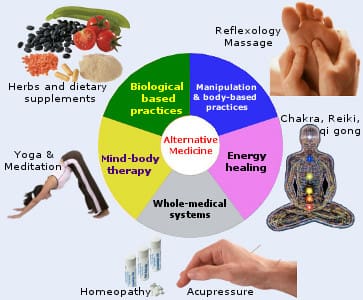
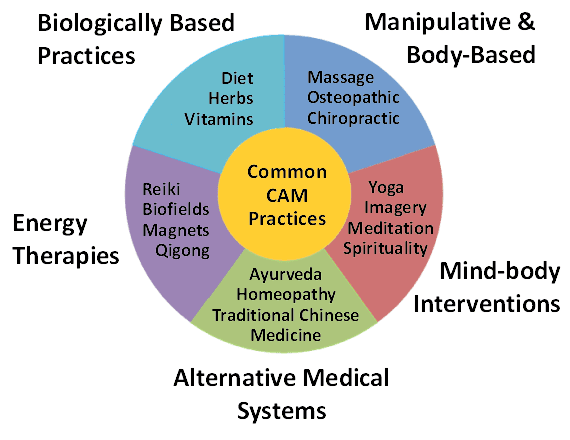
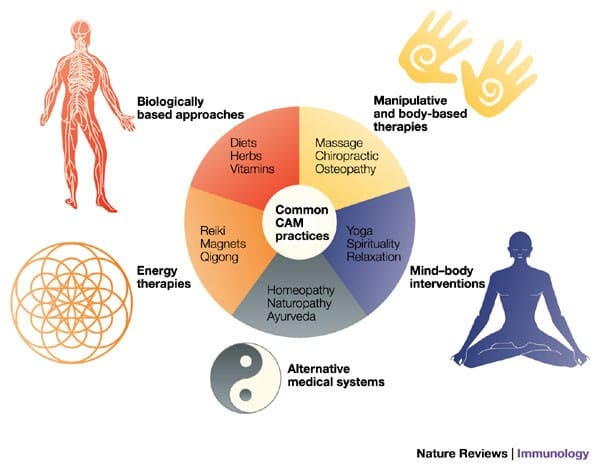
Have you ever wondered about the different types of alternative medicine available to improve your health and well-being? In this article, we will take a closer look at the various alternative medicine practices that have gained popularity in recent years. From acupuncture and herbal medicine to chiropractic care and homeopathy, there is a wide range of options to explore when it comes to alternative approaches to medicine. Whether you have a specific health concern or simply want to enhance your overall wellness, delving into the world of alternative medicine can offer new perspectives and potential solutions. So, let’s embark on this journey together and discover the fascinating realm of alternative medicine.
1. Traditional Chinese Medicine
Traditional Chinese Medicine (TCM) is a holistic system of healthcare that has been practiced for over 2,000 years in China and other parts of East Asia. It encompasses various therapies and practices, with acupuncture, herbal medicine, and tai chi being the most well-known and widely used.
1.1 Acupuncture
Acupuncture is a key component of TCM and involves the insertion of thin needles into specific points on the body. These points are believed to be connected by pathways or meridians, through which vital energy, known as Qi, flows. By stimulating these points, acupuncture aims to restore the balance of Qi and promote overall health and well-being. Acupuncture has been known to provide relief for a wide range of conditions, such as pain, stress, digestive issues, and allergies.
1.2 Herbal Medicine
Herbal medicine is another fundamental aspect of TCM, which relies on the use of various plant-based remedies to restore health and treat illness. The herbs used in TCM are carefully selected based on their specific properties and effects on the body. They can be taken in various forms, including teas, powders, pills, and topical applications. Herbal medicine is often used in conjunction with acupuncture to enhance the therapeutic effects and support the body’s natural healing processes.
1.3 Tai Chi
Tai chi, also known as tai chi chuan, is a traditional Chinese martial art that has evolved into a popular form of mind-body exercise. It combines gentle flowing movements, deep breathing, and meditation to promote balance, flexibility, and inner harmony. Tai chi is often practiced as a form of preventive medicine to boost overall health and well-being. Research has shown that regular tai chi practice can improve balance, reduce stress, enhance cardiovascular health, and alleviate chronic pain.
2. Ayurvedic Medicine
Ayurvedic medicine originates from India and is one of the oldest healing systems in the world. Based on the belief that health and well-being depend on a delicate balance between mind, body, and spirit, Ayurvedic medicine offers a holistic approach to wellness.
2.1 Doshas
Central to Ayurvedic medicine is the concept of doshas, which are unique combinations of the five elements (ether, air, fire, water, and earth) that govern the body’s functions. There are three primary doshas: Vata, Pitta, and Kapha. Each dosha represents different qualities and characteristics, and an individual’s constitution is determined by the predominance of one or more doshas. Ayurvedic treatments and lifestyle recommendations are tailored to balance the doshas and restore equilibrium within the body.
2.2 Ayurvedic Herbs
Ayurvedic medicine places great emphasis on the use of herbs and plants to promote health and treat diseases. Ayurvedic herbs are typically prepared as powders, tablets, decoctions, or oils, depending on their intended use. Popular Ayurvedic herbs include ashwagandha, turmeric, holy basil, and triphala. These herbs are believed to have various medicinal properties and can be used to address specific health concerns, such as digestion, immunity, stress, and inflammation.
2.3 Panchakarma
Panchakarma is a unique Ayurvedic treatment method that aims to detoxify and rejuvenate the body. It consists of a series of therapies, including massage, herbal therapies, nasal irrigation, and enemas, that facilitate the elimination of toxins and restore balance. Panchakarma is often recommended for those seeking a deeper detoxification, as well as for individuals with chronic health conditions or imbalances.
3. Homeopathy
Homeopathy is a gentle and natural system of medicine that aims to stimulate the body’s self-healing mechanisms. Developed by German physician Samuel Hahnemann in the late 18th century, homeopathy is based on the principle of “like cures like” – the idea that a substance that can cause symptoms in a healthy person can also help to alleviate those symptoms in a sick person.
3.1 Principles of Homeopathy
At the core of homeopathy is the belief that each individual has a vital force or life energy that, when in balance, promotes health. Homeopathic remedies are prepared from natural substances, such as plants, minerals, and animal products, and are highly diluted to minimize any potential toxicity. The remedies are chosen based on the individual’s specific symptoms and constitutional type, with the goal of stimulating the body’s innate healing abilities.
3.2 Remedies
Homeopathic remedies are available in the form of small pellets or liquid solutions. They are typically taken orally and are administered in highly diluted doses. The remedies work by stimulating the body’s vital force to restore balance and alleviate symptoms. Homeopathy can be used to treat a wide range of acute and chronic conditions, including allergies, digestive disorders, skin conditions, respiratory problems, and emotional imbalances.
3.3 Dilution and Potentization
Homeopathic remedies are prepared through a process known as dilution and potentization. The substance is repeatedly diluted, often to the point where no molecules of the original substance remain. This process is believed to enhance the energetic properties of the remedy while minimizing any potential side effects or toxicity. Although the scientific basis of homeopathy is still debated, many individuals have reported positive outcomes and improved well-being from homeopathic treatments.
4. Naturopathy
Naturopathy, also known as naturopathic medicine, is a system of healthcare that focuses on supporting and stimulating the body’s natural healing abilities. Naturopathic practitioners aim to address the root causes of illness and promote overall wellness through a combination of natural therapies, lifestyle modifications, and nutritional guidance.
4.1 Diet and Nutrition
Diet and nutrition play a central role in naturopathic medicine. Naturopathic practitioners emphasize the importance of a healthy, nutrient-rich diet to support optimal health and prevent disease. They may recommend specific dietary modifications or the inclusion of certain foods and supplements to address specific health concerns. Nutritional counseling is tailored to each individual’s unique needs and may involve identifying food sensitivities, optimizing nutrient intake, and promoting a balanced microbiome.
4.2 Hydrotherapy
Hydrotherapy, or water therapy, is a key modality used in naturopathic medicine. It utilizes the therapeutic properties of water to stimulate healing and promote detoxification. Hydrotherapy methods include hot and cold compresses, steam baths, saunas, and hydrotherapy showers. These treatments can enhance circulation, relieve pain, improve immune function, and support overall well-being.
4.3 Herbal Medicine
Herbal medicine is an integral part of naturopathic practice, drawing upon the healing properties of various plants and botanical substances. Naturopathic practitioners may prescribe herbal remedies in the form of teas, tinctures, capsules, or topical applications to address specific health conditions. They take into consideration factors such as the individual’s constitution, symptoms, and medical history when designing an herbal treatment plan.
5. Chiropractic
Chiropractic is a healthcare profession that focuses on the diagnosis and treatment of musculoskeletal disorders, particularly those of the spine. Chiropractors believe that proper alignment of the musculoskeletal system is essential for overall health and well-being.
5.1 Spinal Manipulation
Spinal manipulation, also known as chiropractic adjustment, is the hallmark of chiropractic care. It involves the application of controlled force to specific joints of the spine or other parts of the body to restore proper alignment and enhance function. Spinal manipulation is used to alleviate pain, improve mobility, and facilitate the body’s natural healing processes.
5.2 Therapeutic Exercises
Chiropractors often prescribe specific therapeutic exercises to complement spinal adjustments. These exercises are designed to strengthen muscles, improve flexibility, and promote overall physical well-being. Therapeutic exercises may include stretching, strengthening, and stabilization exercises, as well as targeted movements to address specific areas of concern.
5.3 Lifestyle Counseling
In addition to spinal adjustments and exercise therapy, chiropractors provide lifestyle counseling to address factors that may contribute to musculoskeletal problems. Chiropractors may offer guidance on posture, ergonomics, nutrition, stress management, and other lifestyle modifications to optimize musculoskeletal health and prevent future issues.
6. Osteopathy
Osteopathy is a healthcare approach that focuses on the musculoskeletal system and its relationship to overall health. Osteopathic practitioners use manual techniques to diagnose, treat, and prevent musculoskeletal problems and promote the body’s self-healing abilities.
6.1 Osteopathic Manipulation
Osteopathic manipulation, also known as osteopathic treatment or osteopathic manual medicine, involves gentle hands-on techniques to manipulate and realign the musculoskeletal system. These techniques may include soft tissue mobilization, joint manipulation, stretching, and muscle energy techniques. Osteopathic manipulation aims to relieve pain, improve mobility, and restore balance within the body.
6.2 Joint Mobilization
Osteopaths often utilize joint mobilization techniques to improve joint function and relieve pain. Gentle movements, applied with varying degrees of pressure, are utilized to restore normal range of motion, reduce muscle tension, and improve joint mobility. Joint mobilization can be particularly effective for individuals experiencing joint stiffness, arthritis, or sports injuries.
6.3 Cranial Osteopathy
Cranial osteopathy is a specialized technique within osteopathic medicine that focuses on the skull, spine, and membranes surrounding the central nervous system. Practitioners use gentle manipulative techniques to restore proper alignment and balance in these structures. Cranial osteopathy is believed to have a positive impact on a wide range of conditions, including headaches, migraines, TMJ disorders, and post-concussion syndrome.
7. Acupressure
Acupressure is a therapeutic technique derived from TCM that involves applying pressure to specific points on the body to stimulate healing and alleviate pain and discomfort.
7.1 Techniques and Pressure Points
Acupressure techniques involve using fingers, palms, or specific tools to apply pressure to key points on the body. These points are often located along meridians, or pathways, that are believed to carry vital energy. By applying pressure to these points, acupressure aims to release any blockages or imbalances in the flow of energy, promoting healing and restoring balance within the body.
7.2 Benefits and Uses
Acupressure can be used to address a wide range of physical and emotional issues. It is commonly used to relieve pain, reduce tension and stress, improve digestion, enhance circulation, and promote relaxation. Acupressure techniques can be easily learned and self-administered for regular self-care and management of common health concerns.
7.3 Self-Administration
One of the great advantages of acupressure is that it can be easily performed at home without the need for specialized equipment. Learning basic acupressure techniques and pressure points can empower individuals to take control of their health and well-being. Many resources, such as books, videos, and online tutorials, are available to guide you in self-administering acupressure safely and effectively.
8. Aromatherapy
Aromatherapy is a holistic approach to health and well-being that utilizes the therapeutic properties of essential oils extracted from plants.
8.1 Essential Oils
Essential oils are highly concentrated plant extracts that capture the aromatic compounds and medicinal properties of various plants. Each essential oil has its own unique scent and therapeutic benefits. Some popular essential oils include lavender, peppermint, eucalyptus, and tea tree. These oils can be used individually or blended together to create specific aromatic profiles for their desired effects.
8.2 Inhalation and Topical Application
Aromatherapy can be experienced through inhalation or topical application. Inhalation involves using a diffuser, steam inhalation, or simply smelling the oil directly from the bottle. Inhalation allows the aroma to stimulate the olfactory system and can have a direct impact on mood, emotions, and cognitive function. Topical application involves diluting essential oils with a carrier oil and massaging them into the skin, allowing for absorption and potential therapeutic effects.
8.3 Health Benefits
Aromatherapy has been used for centuries to promote relaxation, manage stress, improve sleep quality, alleviate pain, and support emotional well-being. The aromatic compounds in essential oils can interact with the body’s limbic system, which is involved in controlling emotions, memory, and stress response. Aromatherapy can be a valuable complementary therapy to promote relaxation and enhance overall physical and emotional health.
9. Reiki
Reiki is a Japanese energy healing technique that focuses on balancing and harmonizing the body’s energy system to promote physical, emotional, and spiritual well-being.
9.1 Energy Healing
Reiki practitioners channel universal life energy, also known as Ki or Qi, through their hands to the recipient, promoting a sense of relaxation, peace, and balance. This energy is believed to flow through the body’s meridians, nourishing organs and tissues and supporting the body’s natural healing processes. Reiki is a non-invasive therapy that can be done with or without physical contact.
9.2 Chakra Balancing
In addition to the overall flow of energy, Reiki focuses on balancing and harmonizing the body’s energy centers, known as chakras. Chakras are believed to be spinning wheels of energy that correspond to different aspects of our physical, emotional, and spiritual well-being. Through the gentle placement of hands on or near the chakra points, Reiki practitioners aim to restore balance and promote optimal energy flow.
9.3 Self-Treatment Techniques
One of the unique aspects of Reiki is its accessibility for self-treatment. Reiki can be learned and practiced by individuals to promote well-being and relieve stress. Self-treatment techniques involve placing hands on or near specific areas of the body where energy may be blocked or imbalanced. These techniques can be used for daily self-care or to manage specific physical or emotional concerns.
10. Hypnotherapy
Hypnotherapy is a form of therapy that utilizes hypnosis to induce a trance-like state and access the subconscious mind to promote healing, personal growth, and behavior change.
10.1 Trance Induction
In hypnotherapy, a trained therapist guides you into a state of deep relaxation by using verbal cues and visualization techniques. This state, often referred to as a trance, is characterized by heightened focus and suggestibility. While in a trance, you remain in control and aware of your surroundings, but your attention is directed inward.
10.2 Suggestion Therapy
During the hypnotic trance, a hypnotherapist can introduce positive suggestions and imagery to influence your thoughts, emotions, and behaviors. This can be helpful in addressing a range of issues, such as smoking cessation, weight management, stress reduction, phobias, and performance anxiety. Suggestion therapy is particularly effective when working with individuals who are open to suggestion and have a desire to change.
10.3 Regression Therapy
Regression therapy is a deeper form of hypnotherapy that involves accessing past memories and experiences stored in the subconscious mind. Through the guidance of a trained therapist, you can explore unresolved emotional issues, traumatic events, or past-life memories that may be contributing to present challenges. Regression therapy aims to gain insight, release emotional blockages, and facilitate healing and personal growth.
In conclusion, alternative medicine encompasses a wide range of modalities that offer unique approaches to health and well-being. Exploring these different types of alternative medicine can provide you with a holistic understanding of the various options available for enhancing your overall wellness. Whether you choose acupuncture, Ayurvedic medicine, homeopathy, naturopathy, chiropractic, osteopathy, acupressure, aromatherapy, Reiki, or hypnotherapy, each modality offers its own set of benefits and can be tailored to suit your individual needs and preferences. Remember to consult with qualified practitioners and listen to your body’s feedback to find the best fit for your own journey to wellness.