
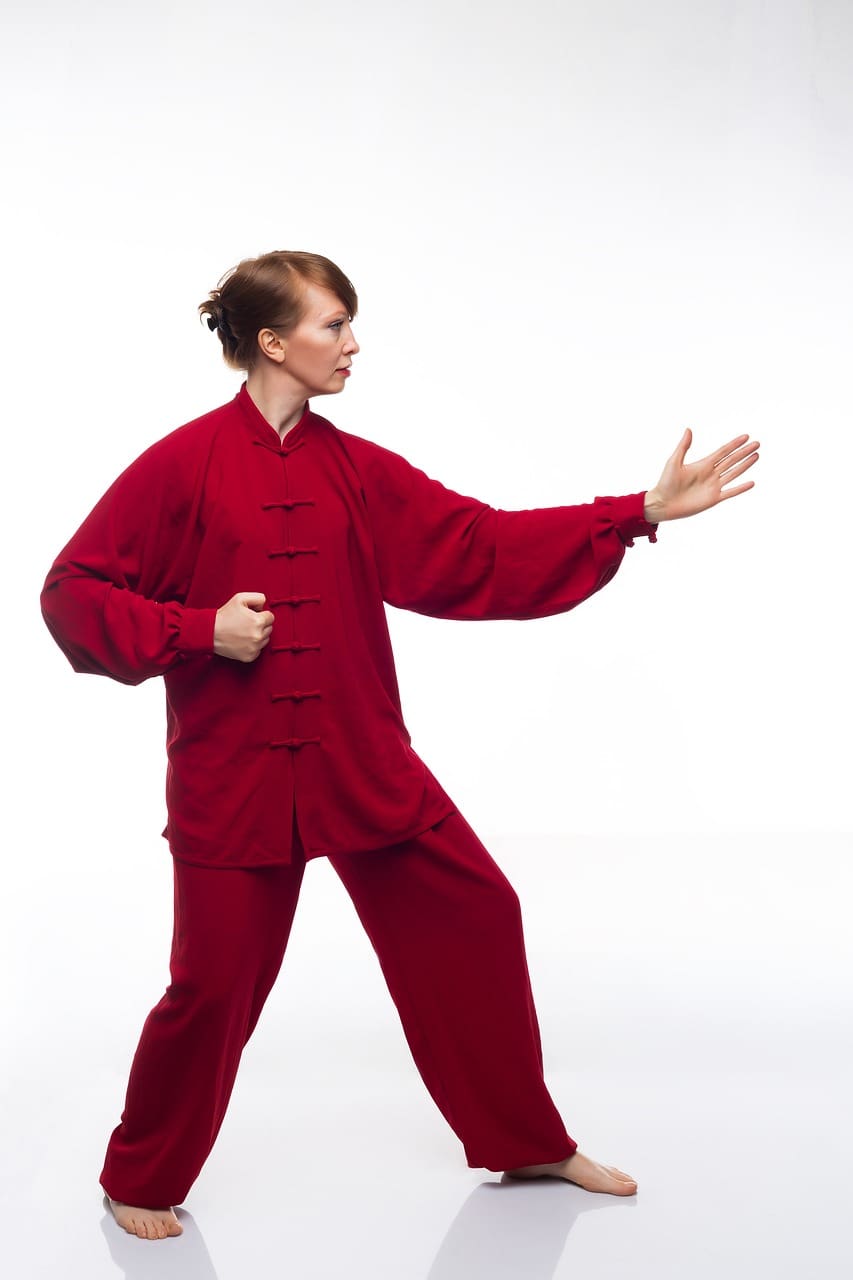
Are you intrigued by alternative healing methods that focus on the energy within your body? Look no further than the captivating practices of Reiki and Qigong. These ancient techniques have been used for centuries to harmonize and restore balance to the body, mind, and spirit. By tapping into the subtle energy flow within you, Reiki and Qigong aim to promote healing, reduce stress, and enhance overall well-being. In this article, we will delve into the fascinating world of energy healing practices, exploring the principles behind Reiki and Qigong and their potential benefits in your life.
What is Energy Healing?
Energy healing is a practice that aims to restore and balance the flow of energy within the body. It is based on the belief that disruptions in the body’s energy system can lead to physical, emotional, and mental imbalances. By working with the subtle energy that exists within and around us, energy healing techniques seek to promote healing, relaxation, and overall well-being.
Definition of Energy Healing
Energy healing can be defined as the use of various techniques to manipulate, balance, or restore the flow of energy in the body. It involves accessing and working with the body’s energy field, which is believed to be the foundation of our physical, emotional, and spiritual well-being.
Principles of Energy Healing
There are several principles that underpin energy healing practices. These principles include the belief that:
- Energy is interconnected: Energy is not confined to the physical body but extends beyond it, connecting us to the universe and everything around us.
- Energy imbalance leads to dis-ease: When the flow of energy is blocked or disrupted, it can lead to imbalances and dis-ease in the body.
- Healing is facilitated by restoring energy flow: By manipulating the energy field, energy healing practices aim to restore balance and promote healing.
- The body has innate healing abilities: Energy healing techniques stimulate the body’s natural healing processes, allowing it to heal itself.
Overview of Reiki
Reiki is a popular form of energy healing that originated in Japan. It is derived from two Japanese words: “Rei,” which means universal life energy, and “Ki,” which means life force energy. Reiki practitioners channel this universal life energy through their hands to promote healing and relaxation.
Introduction to Reiki
Reiki is a gentle and non-invasive practice that involves the laying on of hands. It is based on the belief that energy can be transmitted from the practitioner to the recipient, facilitating the healing process. Reiki is often used to reduce stress, relieve pain, and promote overall well-being.
History and Origins of Reiki
Reiki was developed by Mikao Usui in the early 20th century in Japan. Usui, a spiritual seeker, sought a method of healing that could be easily learned and applied. He discovered the ancient practice of Reiki after years of meditation and research. Since then, Reiki has gained popularity worldwide and has been adapted and modified by different practitioners.
Principles and Techniques of Reiki
Reiki practitioners follow a set of principles known as the Five Reiki Principles or Five Reiki Precepts. These principles include “Just for today, I will not be angry,” “Just for today, I will not worry,” “Just for today, I will be grateful,” “Just for today, I will do my work honestly,” and “Just for today, I will be kind to every living thing.” These principles serve as a guide for living a harmonious and compassionate life.
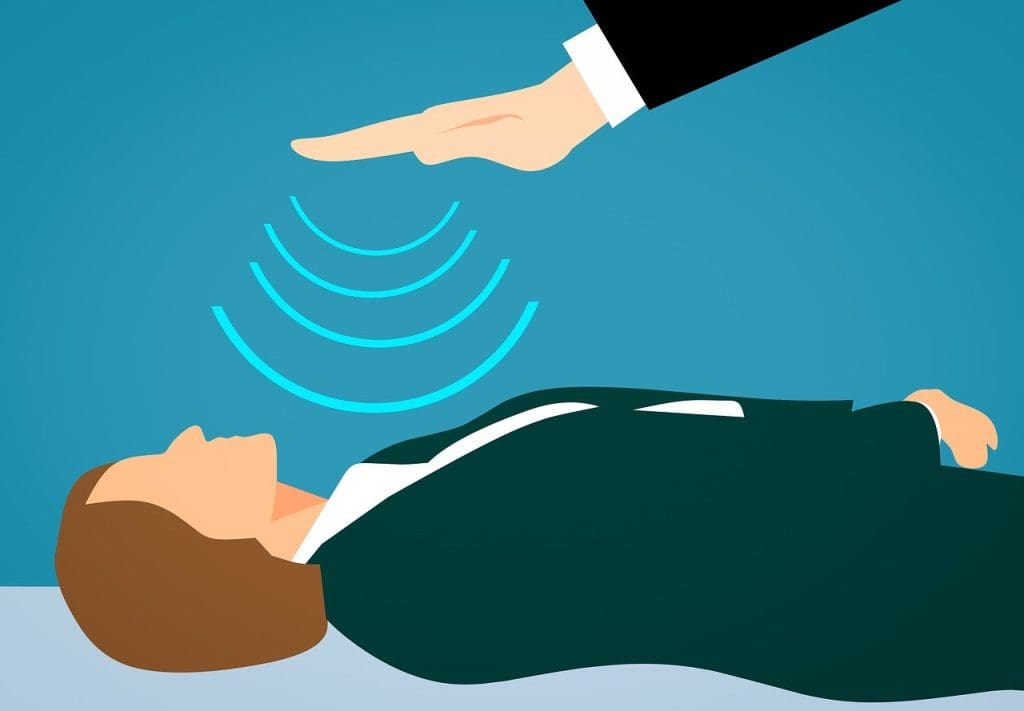
Reiki sessions typically involve the recipient lying down fully clothed while the practitioner places their hands on or near various areas of the body. The practitioner then channels Reiki energy, allowing it to flow through their hands into the recipient’s body. The recipient may feel sensations of warmth, tingling, or relaxation during the session.
Benefits of Reiki
Reiki has been reported to provide various benefits, including:
- Stress reduction: Reiki promotes deep relaxation, helping to reduce stress and anxiety.
- Pain relief: Many people have reported a decrease in pain and an increase in overall comfort after Reiki sessions.
- Enhanced well-being: Reiki is often described as providing an overall sense of well-being and balance.
- Improved sleep: Reiki sessions can help improve sleep quality and reduce insomnia.
- Enhanced emotional healing: Reiki can help release emotional blocks and promote emotional healing, bringing about a greater sense of peace and clarity.
Understanding Qigong
Qigong, pronounced “chee-gong,” is an ancient Chinese practice that involves coordinating movement, breath, and intention to cultivate and balance the body’s energy. It is based on the principles of Traditional Chinese Medicine (TCM) and the concept of Qi, which refers to the vital life force energy.
Introduction to Qigong
Qigong is a holistic practice that encompasses physical movements, breathwork, meditation, and visualization. It is aimed at promoting energy flow, cultivating vitality, and fostering a state of balance and harmony within the body.
History and Origins of Qigong
Qigong has a long history dating back thousands of years in China. Its origins can be traced to the ancient practices of shamans and Taoist monks who sought to cultivate their energy for healing and spiritual development. Over time, Qigong techniques were refined and passed down through generations, incorporating various influences from Chinese medicine, martial arts, and philosophy.
Principles and Techniques of Qigong
Qigong encompasses a wide range of practices, including static and dynamic movements, breath control exercises, meditation, and visualizations. These practices aim to cultivate and balance the body’s energy through the regulation of Qi flow. Different styles of Qigong may emphasize different techniques and principles, but they all share the goal of harmonizing and optimizing energy flow.
Benefits of Qigong
Qigong has been known to offer various benefits, such as:
- Stress reduction: Qigong helps release tension and promotes a sense of calm and relaxation.
- Enhanced vitality: Regular practice of Qigong can boost energy levels and enhance overall vitality.
- Improved balance and coordination: The physical movements and body alignments in Qigong can improve balance and coordination.
- Improved focus and mental clarity: Qigong practices promote mindfulness, enhancing mental focus and clarity.
- Enhanced immune function: Qigong has been found to boost immune function and support overall health.
Comparing Reiki and Qigong
While Reiki and Qigong are both energy healing practices, they differ in their origins, techniques, and approaches. However, there are also some similarities between the two.
Similarities between Reiki and Qigong
Both Reiki and Qigong share the common goal of restoring and balancing the body’s energy systems. They both work with subtle energy and aim to promote healing, relaxation, and overall well-being. Additionally, both practices can be learned and practiced by anyone, regardless of age or physical ability.
Differences between Reiki and Qigong
One key difference between Reiki and Qigong lies in their origins and cultural contexts. Reiki originated in Japan and has a more formal structure with standardized hand positions and symbols. On the other hand, Qigong originated in China and encompasses a wide range of styles and techniques, often incorporating movements and meditations.
Another difference lies in their techniques. Reiki primarily involves the laying on of hands and channeling energy, while Qigong encompasses various movements, breathwork, visualizations, and meditation practices. This difference in techniques reflects the cultural and historical influences on each practice.
Exploring Reiki in Depth
To understand Reiki more comprehensively, let’s dive deeper into its various aspects.
Levels and Attunements in Reiki
Reiki is traditionally divided into three levels or degrees: Reiki Level 1, Reiki Level 2, and Reiki Master/Teacher Level. Each level builds upon the previous one, deepening the practitioner’s understanding and ability to channel Reiki energy.
Attunements are an essential part of each Reiki level. Attunements are energetic initiations performed by Reiki Masters that attune the student to the Reiki energy and open their energy channels. Attunements are often described as spiritual awakenings and empowerments, enabling practitioners to access and transmit Reiki energy.
Reiki Hand Positions and Symbols
Reiki practitioners use specific hand positions during sessions to channel energy into different areas of the body. These hand positions correspond to the body’s energy centers, known as chakras, and various organs or systems. By placing their hands in these positions, practitioners aim to restore balance and promote healing in the corresponding areas.
Reiki also utilizes symbols that are considered sacred and powerful. These symbols are used by Reiki practitioners to enhance the flow and effectiveness of Reiki energy. Each symbol has its own unique purpose and meaning, and they are typically taught in Reiki Level 2 and further integrated in Reiki Master/Teacher training.
How Reiki Works on the Body
Reiki works on multiple levels to promote healing and well-being. At its core, Reiki helps to restore energetic balance within the body by clearing blockages and facilitating the flow of energy. This energy flow stimulates the body’s natural healing processes, supporting physical, emotional, and mental well-being.
Reiki also has a calming effect on the nervous system, reducing stress and inducing deep relaxation. This relaxation response enhances the body’s ability to heal, boosts the immune system, and restores overall vitality.
Applications of Reiki in Everyday Life
Reiki can be practiced in various settings and applied to many aspects of life. Some common applications of Reiki include:
- Self-healing: Reiki can be used for self-care and personal healing. Practitioners can perform Reiki on themselves to promote relaxation, reduce stress, and support overall well-being.
- Healing others: Reiki can be shared with others by performing hands-on or distance healing sessions. Reiki practitioners can offer assistance to friends, family members, or clients who seek healing and support.
- Enhancing other therapies: Reiki can be combined with other healing modalities, such as massage therapy or acupuncture, to enhance their effectiveness.
- Promoting personal growth and spiritual development: Reiki can be a powerful tool for personal growth and spiritual exploration. It can assist in releasing emotional blocks, cultivating intuition, and deepening one’s connection to the self and the universe.
Exploring Qigong in Depth
To gain a deeper understanding of Qigong, let’s explore its key aspects and practices.
Qigong Exercises and Forms
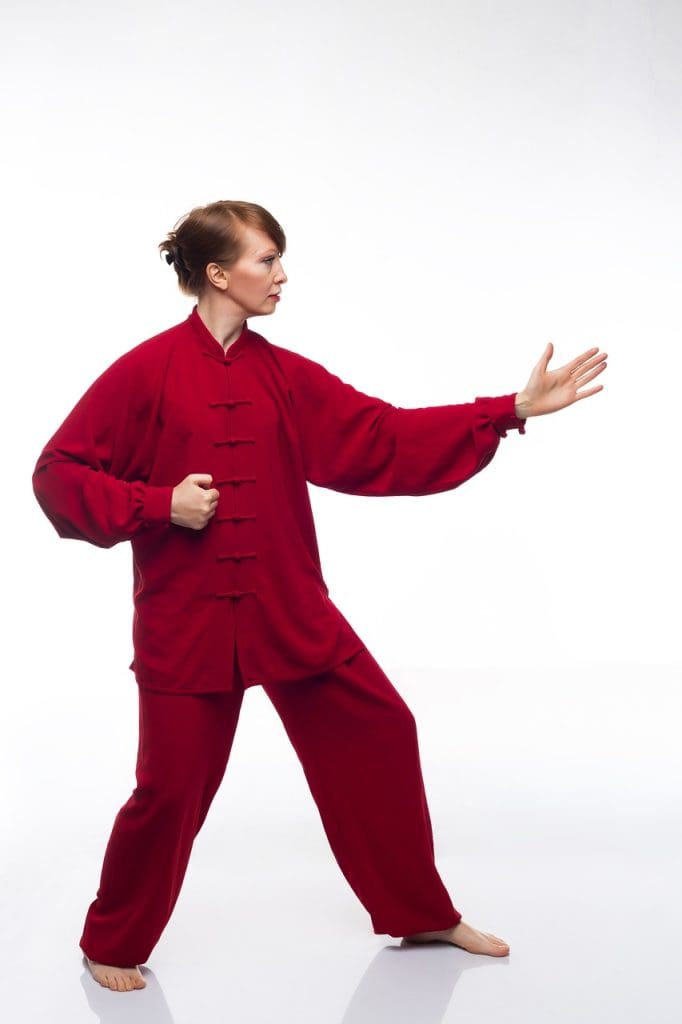
Qigong encompasses a wide range of exercises and forms that vary in intensity, duration, and emphasis. These exercises may include gentle movements, standing postures, breathwork, visualization, and meditation. Some well-known forms of Qigong include Taiji Qigong, Baduanjin Qigong, and Five Animal Play Qigong.
Each Qigong exercise or form is designed to cultivate and balance Qi, improve energy flow, and enhance overall well-being. Regular practice helps to develop body awareness, increase vitality, and improve physical and mental health.
Qi Flow and the Meridian System
Qigong is based on the concept of Qi, the vital life force energy. The practice of Qigong aims to improve the flow of Qi throughout the body by stimulating specific energy channels known as meridians.
Meridians are pathways through which Qi flows, connecting various organs and systems in the body. By practicing Qigong, one can balance and harmonize the flow of Qi in the meridians, ensuring optimal energy circulation and promoting health and vitality.
How Qigong Affects the Body and Mind
Regular Qigong practice has profound effects on the body and mind. Some key benefits include:
- Improved energy and vitality: Qigong enhances the flow of Qi, increasing overall energy levels and vitality.
- Enhanced physical health: Qigong can improve cardiovascular health, strengthen the immune system, and support the body’s natural healing processes.
- Mental clarity and focus: Qigong practices promote mental clarity, concentration, and focus.
- Emotional balance: Qigong helps to release stress, anxiety, and negative emotions, promoting emotional balance and well-being.
- Spiritual growth: Qigong can deepen one’s spiritual connection and cultivate a sense of inner peace and harmony.
Applications of Qigong in Everyday Life
Qigong can be practiced in various ways to enhance different aspects of life. Here are some examples of how Qigong can be applied in everyday life:
- Stress management: Qigong offers effective techniques for reducing stress and managing daily pressures. Simple Qigong exercises can be incorporated into daily routines to promote relaxation and calmness.
- Health maintenance: Regular Qigong practice can help maintain and improve overall health. By stimulating the body’s energy flow, Qigong supports the immune system, balances organ function, and promotes longevity.
- Performance enhancement: Qigong practices can enhance physical, mental, and creative performance. Athletes, artists, and professionals can benefit from Qigong techniques that cultivate focus, endurance, and mental clarity.
- Self-awareness and personal growth: Qigong invites practitioners to cultivate self-awareness, deepen their connection to the self, and explore their inner potential. Through regular practice, individuals can discover new levels of self-understanding, bring about personal transformation, and nourish their spiritual growth.
Scientific Evidence and Criticisms
Energy healing practices like Reiki and Qigong have gained substantial popularity in recent years. As more people experience the benefits firsthand, there has been a growing interest in scientific research and exploration of these practices. However, there are also criticisms and skepticism surrounding energy healing.
Scientific Studies on Energy Healing
Scientists have conducted numerous studies to understand and evaluate the effects of energy healing practices. While the field of research is still emerging, there is a growing body of evidence suggesting the effectiveness of Reiki and Qigong in promoting well-being and supporting healing.
For example, studies have shown that Reiki can reduce pain and anxiety in cancer patients, promote relaxation and stress reduction in various populations, and enhance overall well-being. Similarly, research on Qigong has demonstrated benefits such as improved cardiovascular health, reduced anxiety, and enhanced immune function.
However, it is worth noting that more research is needed to fully understand the mechanisms behind energy healing practices and their effects on the body.
Critics and Skepticism towards Energy Healing Practices
Critics and skeptics of energy healing practices often question the scientific validity and mechanism of action behind these practices. They argue that the reported benefits may be placebo effects or attributed to other factors, such as relaxation or the therapeutic relationship between the practitioner and recipient.
Skepticism towards energy healing practices also stems from the lack of standardized training and regulation in the field. Without established guidelines and qualifications, individuals may claim to be energy healing practitioners without the necessary knowledge and skills.
It is essential to approach energy healing practices with an open mind and engage in critical thinking. While scientific evidence is valuable, personal experiences and testimonials can also provide valuable insights into the potential benefits of these practices.
Finding a Qualified Practitioner
When considering energy healing sessions, finding a qualified practitioner is crucial for a safe and effective experience. Here are some factors to consider when choosing a practitioner:
Credentials and Training of Energy Healing Practitioners
Look for practitioners who have received formal training and certifications in their respective energy healing modalities. Reiki practitioners should have completed specific Reiki training programs and obtained attunements from a Reiki Master. Qigong practitioners can be certified by reputable Qigong institutions or have extensive experience and training in various Qigong forms.
Check if the practitioner is a member of professional organizations or associations related to energy healing. Membership in recognized organizations indicates a commitment to professional standards, continuous learning, and adherence to ethical practices.
Choosing the Right Practitioner for Your Needs
Consider your specific needs and goals when choosing a practitioner. Some practitioners may specialize in certain areas, such as stress reduction, pain management, or emotional healing. A practitioner with experience and expertise in your desired area can provide more targeted and effective healing sessions.
Ask for recommendations from friends, family, or healthcare professionals who have experience with energy healing. Personal referrals can be valuable in finding a trustworthy and skilled practitioner.
Trust your intuition and assess your comfort level with the practitioner. A good rapport and a sense of trust with your practitioner can enhance the healing experience.
Personal Experiences and Testimonials
Personal experiences and testimonials can provide valuable insights into the benefits and transformative potential of energy healing practices like Reiki and Qigong. Learning from individuals who have firsthand experience with these practices can help us understand their unique effects on different aspects of life.
Learning from Individuals who have experienced Reiki and Qigong
Many individuals who have experienced Reiki and Qigong report various positive effects. Some have experienced profound relaxation, reduced pain, improved sleep, and enhanced emotional well-being. Others have shared stories of personal growth, increased self-awareness, and a deepening connection to their spiritual path.
By listening to these personal accounts, we can gain a deeper understanding of the potential benefits and transformative power of these practices.
Benefits and Transformations Shared by Practitioners
Practitioners of Reiki and Qigong often share their own experiences and transformations that they have witnessed in their clients. They may discuss how these practices have helped them cultivate compassion, develop intuition, and bring about positive changes in their own lives and the lives of others.
These personal testimonials can inspire and encourage individuals to explore energy healing practices and experience their potential benefits for themselves.
Conclusion
Energy healing practices like Reiki and Qigong offer valuable tools for promoting healing, relaxation, and overall well-being. By working with the body’s energy systems, these practices aim to restore balance, relieve stress, and enhance vitality.
While Reiki and Qigong differ in their origins, techniques, and cultural contexts, they share the goal of harnessing and balancing energy for optimal health. They can be practiced by anyone and have the potential to bring about positive transformations in physical, emotional, and spiritual aspects of life.
As scientific research continues to explore the effects of energy healing practices, it is important to approach these practices with an open mind and engage in critical thinking. By finding a qualified practitioner and listening to personal experiences and testimonials, individuals can embrace energy healing as a complementary practice and continue to explore and grow in this field.
Through our continued exploration and growth in energy healing, we have the opportunity to tap into the vast potential of our body’s energy and experience profound levels of healing and well-being.