
In this article, you will discover the fascinating world of herbal remedies and how they can potentially improve men’s health. From ancient times to modernity, herbal remedies have been relied upon by men to address a variety of health concerns. We will delve into the benefits of these natural alternatives and explore how they can enhance vitality, improve stamina, and promote overall well-being. So, get ready to embark on a journey into the realm of herbal remedies for men’s health, and uncover the potential healing power of nature.
What are Herbal Remedies?
Definition of herbal remedies
Herbal remedies are natural plant-based products that have been used for centuries to promote health and well-being. These remedies utilize the medicinal properties found in various parts of plants, such as roots, leaves, flowers, and bark, to address common health concerns. Unlike pharmaceutical drugs, herbal remedies are derived directly from nature and are often believed to have fewer side effects.
History of herbal medicine
The use of herbal remedies dates back thousands of years and can be traced to ancient civilizations such as the Egyptians, Greeks, and Chinese. In these cultures, plants were regarded as a valuable source of medicine and were used to treat a wide range of ailments. Herbal medicine has continued to evolve over time, with traditional practices being passed down through generations. Today, herbal remedies are still a popular choice for many individuals seeking natural alternatives to support their health.
Benefits of Herbal Remedies for Men’s Health
Improving prostate health
One of the key benefits of herbal remedies for men’s health is their ability to support prostate health. Certain herbs, such as saw palmetto, have been traditionally used to alleviate symptoms associated with benign prostatic hyperplasia (BPH), a common condition in men. These herbs may help reduce inflammation, decrease urinary frequency, and improve overall prostate function.
Boosting testosterone levels
Many herbal remedies are known for their potential to boost testosterone levels, which is important for maintaining men’s health. Tribulus terrestris, for example, has been used for centuries in traditional medicine to improve male sexual health and increase testosterone production. By naturally enhancing testosterone levels, these remedies may help improve energy levels, muscle strength, and overall vitality.
Enhancing sexual performance
Men’s sexual health is an important aspect of overall well-being, and herbal remedies have long been used to address issues such as erectile dysfunction and low libido. Herbs like horny goat weed and maca have been traditionally used to enhance sexual performance by increasing blood flow, boosting libido, and improving sexual stamina. These natural alternatives can provide men with a holistic approach to sexual health.
Promoting heart health
Cardiovascular health is crucial for men, and herbal remedies can play a role in supporting a healthy heart. Some herbs, such as ginkgo biloba and Panax ginseng, have antioxidant properties that protect against oxidative stress and inflammation, which can contribute to heart disease. These herbs may also help regulate blood pressure, reduce cholesterol levels, and improve circulation, all of which are vital for maintaining a healthy heart.
Reducing stress and anxiety
Stress and anxiety can have a significant impact on men’s mental and physical well-being. Herbal remedies like ashwagandha and yohimbe have been used for centuries to address stress-related symptoms and promote relaxation. These herbs may help regulate cortisol levels, a hormone associated with stress, and may also enhance mood, improve sleep quality, and reduce symptoms of anxiety.
Common Herbal Remedies for Men’s Health
Saw palmetto
Saw palmetto is a well-known herbal remedy for improving prostate health. It is often used to alleviate symptoms of benign prostatic hyperplasia (BPH), such as frequent urination, weak urine flow, and urinary tract infections. Saw palmetto works by inhibiting the enzyme responsible for converting testosterone to dihydrotestosterone (DHT), a hormone that can contribute to prostate enlargement.
Tribulus terrestris
Tribulus terrestris is a popular herb that has been used for centuries in traditional medicine to enhance male sexual health and boost testosterone levels. It is believed to work by stimulating the body’s production of luteinizing hormone, which in turn signals the testes to produce more testosterone. This herb is often used as a natural alternative to improve libido, muscle strength, and overall vitality.
Ginkgo biloba
Ginkgo biloba is a tree native to China and has been used in traditional Chinese medicine for centuries. It is known for its potential to enhance cognitive function and promote cardiovascular health. Ginkgo biloba is believed to work by improving blood flow, reducing oxidative stress, and protecting against cell damage. It may also help improve memory, concentration, and overall brain health.
Panax ginseng
Panax ginseng, also known as Korean ginseng, is a popular herb in traditional Chinese medicine and is often referred to as the “king of herbs.” It is highly regarded for its adaptogenic properties, which means it can help the body adapt to stress and promote overall well-being. Panax ginseng is believed to enhance energy levels, boost the immune system, and improve cognitive function.
Ashwagandha
Ashwagandha is an herb native to India and has been used for centuries in Ayurvedic medicine. It is known for its adaptogenic properties, which may help the body manage stress and reduce anxiety. Ashwagandha is believed to work by regulating cortisol levels, reducing inflammation, and improving overall mental and physical performance. It may also enhance fertility, increase muscle mass, and improve sleep quality.
Horny goat weed
Horny goat weed, also known as Epimedium, is a herb that has been used in traditional Chinese medicine for centuries to enhance sexual performance. It is believed to work by increasing blood flow and boosting testosterone levels. Horny goat weed is often used as a natural alternative to address erectile dysfunction, increase libido, and improve overall sexual health.
Maca
Maca is a root vegetable native to the Andes region of Peru and has been used for centuries as a natural remedy for various health conditions. It is often referred to as a “superfood” due to its rich nutrient profile. Maca is believed to help balance hormones, increase energy levels, and improve sexual function. It may also enhance fertility, boost immune function, and support overall vitality.
Yohimbe
Yohimbe is a tree native to Western Africa, and its bark has been traditionally used as a natural aphrodisiac and to improve male sexual health. It contains a compound called yohimbine, which is believed to increase blood flow and improve erectile function. Yohimbe is often used as a natural alternative to address erectile dysfunction, increase libido, and enhance overall sexual performance.
Understanding the Science Behind Herbal Remedies
Phytochemicals and their effects
Phytochemicals are naturally occurring compounds found in plants, and they are responsible for the medicinal properties of herbal remedies. These compounds can have various effects on the body, such as antioxidant, anti-inflammatory, and hormone-balancing effects. For example, saw palmetto contains fatty acids and sterols that help reduce inflammation in the prostate gland. Understanding the specific phytochemicals present in different herbs can provide insight into their potential health benefits.
Research and clinical studies
While herbal remedies have a long history of traditional use, scientific research has also been conducted to evaluate their safety and efficacy. Numerous studies have been conducted to investigate the potential benefits of herbal remedies for men’s health. These studies have explored their effects on prostate health, testosterone levels, sexual performance, heart health, and stress reduction. Research findings can provide valuable information about the effectiveness of herbal remedies and help guide informed decision-making.
Potential risks and side effects
While herbal remedies are generally considered safe when used appropriately, it is important to be aware of potential risks and side effects. Some herbs may interact with medications, cause allergic reactions, or have adverse effects on certain individuals. For example, yohimbe can cause increased heart rate and high blood pressure in some people. It is important to consult with a healthcare professional before starting any herbal remedy to ensure it is safe, especially if you have underlying health conditions or are taking medications.
Choosing the Right Herbal Remedies
Consulting with a healthcare professional
When considering herbal remedies for men’s health, it is essential to consult with a healthcare professional. They can provide personalized guidance and help determine which herbs may be most beneficial based on individual health needs and any existing medical conditions. A healthcare professional can also help identify potential interactions with medications and ensure the safety and appropriateness of using herbal remedies.
Considering individual health conditions
Individual health conditions should be taken into account when choosing herbal remedies. Some herbs may be contraindicated or require caution in individuals with specific medical conditions. For example, individuals with bleeding disorders should use caution when taking ginkgo biloba, as it may increase the risk of bleeding. By considering individual health conditions, the right herbal remedies can be chosen to maximize safety and effectiveness.
Determining appropriate dosage and duration
To achieve maximum benefits from herbal remedies, it is important to determine the appropriate dosage and duration of use. Dosage recommendations can vary depending on the specific herb and the individual’s health needs. It is crucial to follow dosage instructions provided by reputable sources, such as healthcare professionals or product labels. If unsure about the dosage or duration of use, consulting with a healthcare professional can help provide clarity and ensure safe and effective usage.
Incorporating Herbal Remedies into a Healthy Lifestyle
Balanced diet and nutrition
Incorporating herbal remedies into a healthy lifestyle goes hand in hand with maintaining a balanced diet and proper nutrition. A diet rich in fruits, vegetables, whole grains, and lean proteins can provide the essential nutrients needed for overall health. Herbal remedies can complement a healthy diet by providing additional phytochemicals and antioxidants that support various aspects of men’s health.
Regular exercise
Regular exercise is vital for men’s health, and herbal remedies can be used to support exercise performance and recovery. Certain herbs, such as maca and Panax ginseng, have been traditionally used to enhance energy levels, improve stamina, and promote muscle strength. By incorporating herbal remedies into a fitness routine, men can optimize their exercise outcomes and overall well-being.
Stress management techniques
Stress management is crucial for men’s mental and physical well-being. Herbal remedies like ashwagandha and ginkgo biloba have been traditionally used to promote relaxation, reduce anxiety, and improve overall mood. In addition to herbal remedies, techniques such as meditation, deep breathing exercises, and engaging in activities that promote relaxation can further enhance stress management efforts.
Adequate sleep
Adequate sleep is essential for men’s health, and herbal remedies can play a role in promoting restful sleep. Herbs such as ashwagandha, ginkgo biloba, and chamomile have calming properties and may help improve sleep quality. Creating a bedtime routine that incorporates the use of herbal remedies, along with other sleep-promoting practices, can contribute to optimal sleep patterns and overall well-being.
Avoidance of smoking and excessive alcohol consumption
The avoidance of smoking and excessive alcohol consumption is crucial for men’s health, and herbal remedies can complement these efforts. Certain herbs, such as ginkgo biloba and Panax ginseng, have antioxidant properties that can help protect against the harmful effects of smoking and excessive alcohol consumption. Incorporating these herbs into a healthy lifestyle can provide additional support for maintaining overall health and reducing the risk of related health issues.

Preparing Herbal Remedies at Home
Growing and harvesting medicinal herbs
Growing and harvesting medicinal herbs can be a rewarding way to have a sustainable supply of herbal remedies at home. Many herbs can be easily grown in a home garden or even in pots on a balcony or windowsill. Some popular medicinal herbs for men’s health, such as saw palmetto and ginkgo biloba, may require specific growing conditions or be more readily available in dried form. Researching the specific requirements of each herb and following proper cultivation techniques can ensure a successful homegrown supply.
Simple herbal remedies recipes
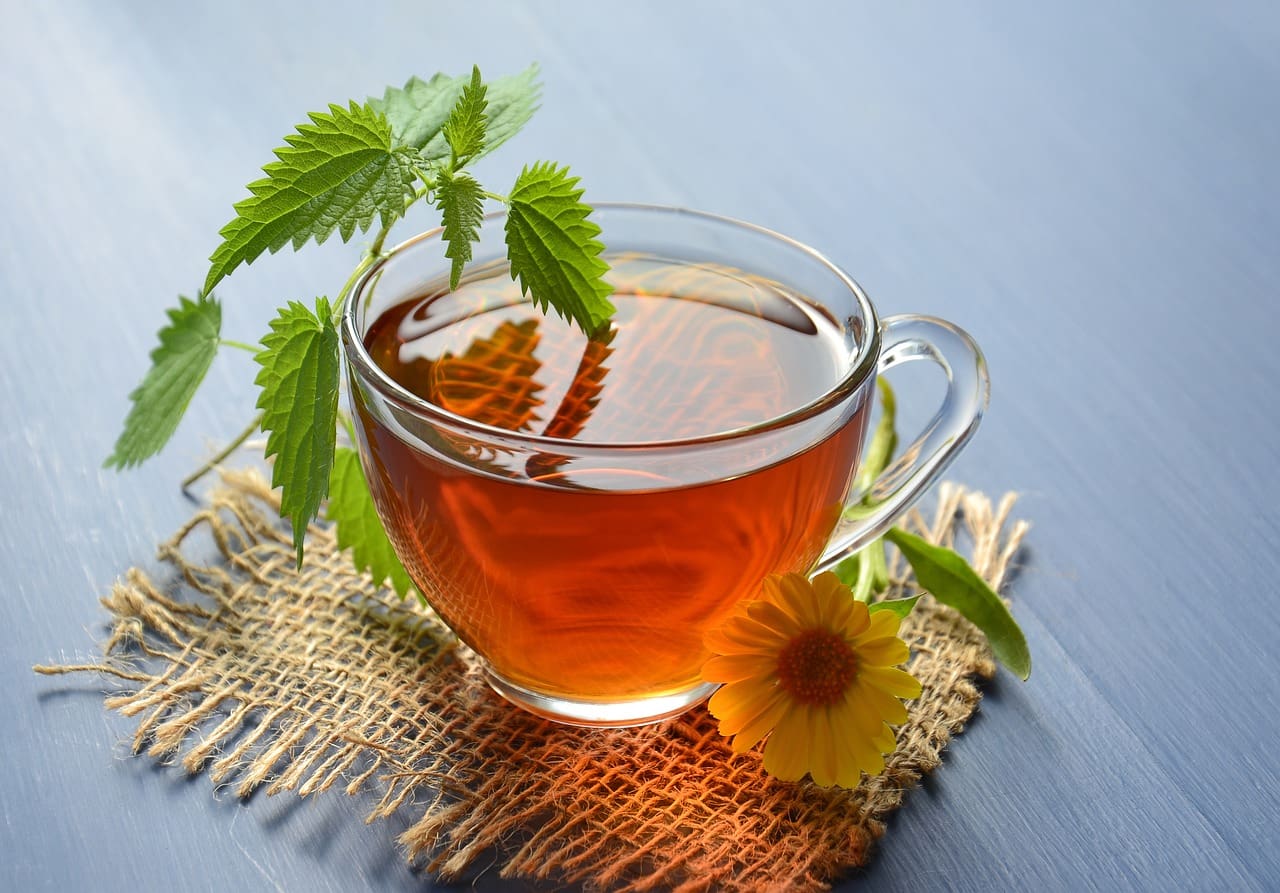
Preparing herbal remedies at home can be as simple as making teas, infusions, or tinctures. Teas can be made by steeping herbs in hot water, infusions by allowing herbs to steep in hot water for a longer period, and tinctures by soaking herbs in alcohol or vinegar. For example, a soothing herbal tea can be made using chamomile, lavender, and lemon balm to promote relaxation and reduce stress. Exploring simple recipes and experimenting with different herbs can provide a personalized herbal remedy experience.
Preparing herbal infusions and teas
Herbal infusions and teas are popular methods for consuming herbal remedies. Different parts of the plant, such as leaves, flowers, or roots, may be used depending on the desired effect. To prepare an herbal infusion, the chosen herb is typically steeped in hot water for a longer period to extract its medicinal properties. Tea bags or loose dried herbs can be used, and sweeteners or other herbs can be added for taste. Enjoying a cup of herbal infusion or tea can not only provide the desired health benefits but also offer a comforting and relaxing experience.
Buying Herbal Remedies
Finding reputable herbal product brands
When purchasing herbal remedies, it is important to find reputable brands that prioritize quality and safety. Look for companies that adhere to good manufacturing practices (GMP) and have a reputation for producing high-quality products. Reading customer reviews and seeking recommendations from healthcare professionals or trusted sources can also help identify reputable brands in the herbal product market.
Understanding product labels
Product labels play an important role in understanding the contents and recommended usage of herbal remedies. Labels should provide clear information about the herb’s botanical name, dosage instructions, and any other relevant details. Understanding product labels can help ensure the appropriate and safe use of herbal remedies, as well as provide transparency about the ingredients and sourcing practices of the product.
Checking for quality certifications
Quality certifications can provide further assurance about the safety and efficacy of herbal remedies. Look for certifications such as Good Manufacturing Practice (GMP), Organic, or third-party testing certifications. These certifications indicate that the product has undergone rigorous testing for quality, purity, and potency. Checking for quality certifications can give individuals confidence in the herbal remedies they are purchasing and using.
Interactions of Herbal Remedies with Medications
Potential interactions and contraindications
Herbal remedies, like any other type of medication, have the potential to interact with certain medications. Some herbs can affect how medications are absorbed, metabolized, or eliminated from the body. It is important to be aware of potential interactions and contraindications before combining herbal remedies with prescription or over-the-counter medications. For example, ginkgo biloba may interact with blood-thinning medications, increasing the risk of bleeding.
Consulting with healthcare provider before combining
Before combining herbal remedies with any medications, it is crucial to consult with a healthcare provider. They can assess individual health conditions, medications, and potential interactions to determine the safety and appropriateness of combining herbal remedies with conventional treatments. Healthcare providers can provide personalized recommendations and guidance to ensure a comprehensive and safe approach to using herbal remedies.
Conclusion
Herbal remedies for men’s health provide a natural and holistic approach to addressing various health concerns. From improving prostate health to boosting testosterone levels, enhancing sexual performance, promoting heart health, and reducing stress and anxiety, these remedies offer a plethora of potential benefits. However, it is important to understand the science behind herbal remedies, choose the right ones based on individual health needs, incorporate them into a healthy lifestyle, and consider factors such as interactions with medications. By being well-informed and making informed decisions, men can harness the potential of herbal remedies to enhance their overall health and well-being.