
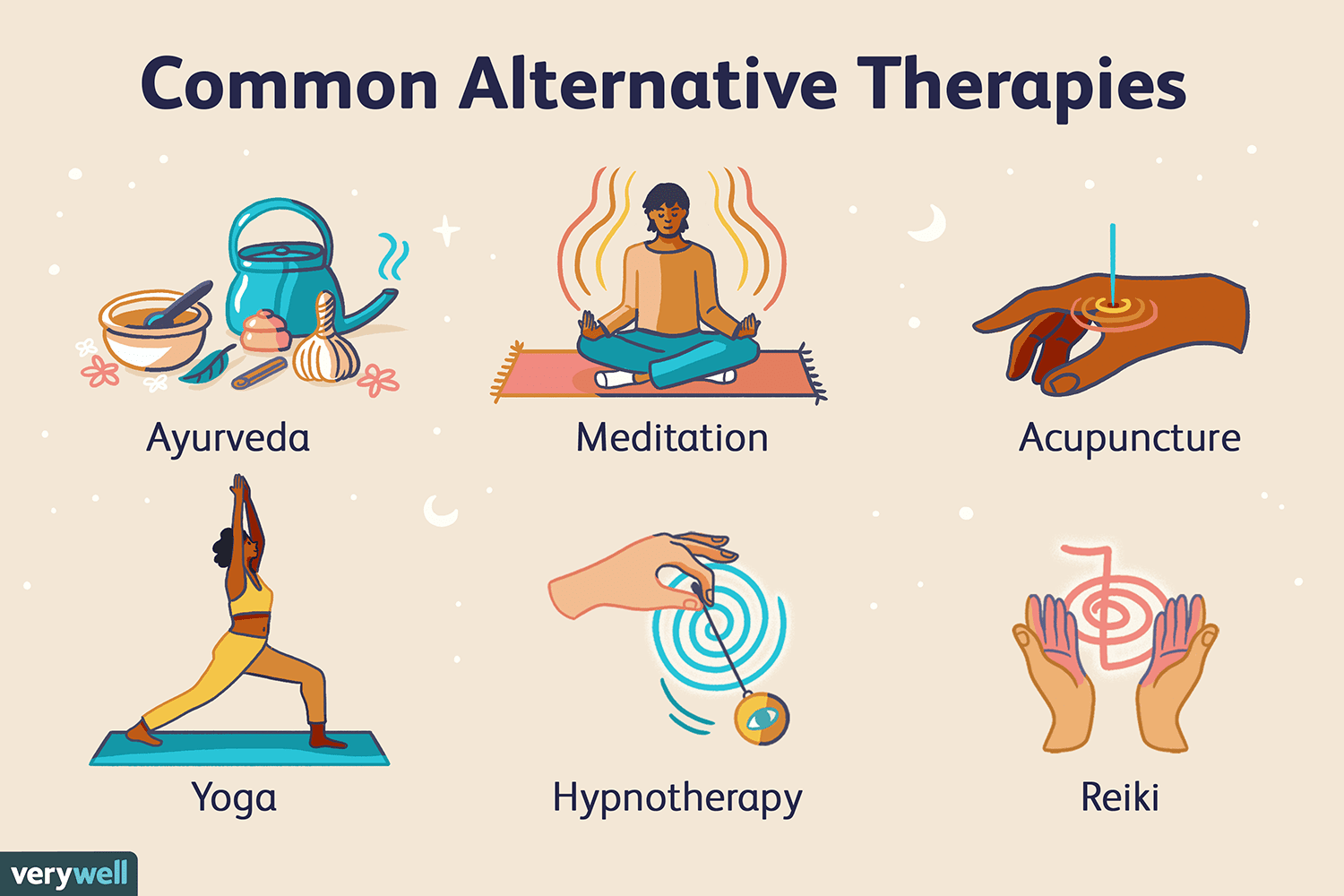
Have you ever wondered about the healing power of homeopathy? In this article, we will take a closer look at homeopathy as an alternative medicine. From its origins to its principles and the various conditions it is believed to treat, we will explore the world of homeopathy and the potential benefits it may offer. Whether you are curious about alternative approaches to health or seeking a different path in your wellness journey, this article is here to guide you through the fascinating realm of homeopathy. So, let’s begin our exploration and discover the potential of this age-old remedy.
What is Homeopathy?
Homeopathy is a form of alternative medicine that was developed in the late 18th century by Samuel Hahnemann, a German physician. It is based on the principle of “like cures like,” which means that a substance that can cause symptoms in a healthy person can be used to treat similar symptoms in a sick person.
Principles of Homeopathy
Homeopathy is guided by several key principles. The first principle is the Law of Similars, which as mentioned earlier, states that a substance that produces symptoms in a healthy person can be used to treat similar symptoms in a sick person. This principle forms the foundation of homeopathic treatments.
The second principle is the concept of potentization and dilution. Homeopathic remedies are prepared through a process of potentization, where the original substance is diluted multiple times. This process is believed to enhance the healing properties of the remedy while minimizing any potential toxicity.
The third principle is the individualized treatment approach. In homeopathy, each person is seen as a unique individual with their own specific set of symptoms and characteristics. A homeopathic practitioner will take into account all aspects of a person’s physical, emotional, and mental well-being in order to prescribe the most suitable remedy. This personalized approach aims to address the underlying cause of the illness and stimulate the body’s inherent healing abilities.
History of Homeopathy
The practice of homeopathy originated in Germany in the late 18th century and quickly gained popularity throughout Europe and the United States. Samuel Hahnemann, the founder of homeopathy, developed the principles and methodology of this alternative form of medicine through his own observations and experiments.
Hahnemann believed that conventional medical practices at the time, such as bloodletting and the use of toxic substances, often did more harm than good. He sought to develop a gentler and more holistic approach to healing that focused on stimulating the body’s own healing mechanisms.
Difference between Homeopathy and Conventional Medicine
There are several key differences between homeopathy and conventional medicine. One major difference lies in their approaches to treatment. Conventional medicine typically focuses on suppressing symptoms and treating the disease directly, often utilizing medications or surgical interventions. Homeopathy, on the other hand, aims to stimulate the body’s self-healing abilities and address the underlying cause of the illness.
Another difference is related to the use of substances for treatment. Conventional medicine often uses synthetic drugs that target specific symptoms or diseases. In contrast, homeopathic remedies are derived from natural substances, such as plants, minerals, or animal products. These remedies undergo a process of dilution and potentization, which is believed to enhance their healing properties while minimizing potential side effects.
It is important to note that homeopathy is not meant to replace conventional medicine, especially in cases of acute or life-threatening conditions. Instead, it can be used as a complementary therapy alongside conventional treatments, or as an alternative for certain chronic conditions.
How Does Homeopathy Work?
Law of Similars
The Law of Similars, also known as “like cures like,” is a fundamental principle of homeopathy. According to this principle, a substance that can cause symptoms in a healthy person can be used to treat similar symptoms in a sick person. For example, a homeopathic remedy made from onion, which can cause watery eyes and a runny nose, may be used to treat hay fever symptoms with similar manifestations.
The idea behind this principle is that the body has an innate ability to heal itself, and by introducing a substance that mimics the symptoms, it can stimulate the body’s natural healing response. This concept is similar to the use of vaccinations, where a small amount of a disease-causing agent is introduced to stimulate the immune system and build immunity.
Potentization and Dilution
Homeopathic remedies undergo a process called potentization, which involves a series of dilutions and succussions (vigorous shaking). This process is believed to enhance the healing properties of the remedy while minimizing any potential toxicity.
During potentization, the original substance is diluted in water or alcohol and then succussed. This process is repeated multiple times, resulting in highly diluted remedies. Homeopathic practitioners believe that this process releases and enhances the vital energy or “life force” of the remedy.
While the remedies may be highly diluted, homeopaths believe that the energetic imprint or essence of the original substance remains, and it is this energetic quality that exerts a healing influence on the body.
Individualized Treatment
One key aspect of homeopathic treatment is the individualized approach taken by practitioners. Instead of focusing solely on the symptoms of a disease or condition, homeopaths consider the person as a whole, taking into account their physical, emotional, and mental state.
Homeopathic remedies are selected based on the principle of “similarity” to the individual’s symptoms, taking into consideration their unique experience of the condition. This personalized approach aims to address the underlying cause of the illness and stimulate the body’s inherent healing abilities.
The selection of the remedy is based on the totality of the individual’s symptoms, rather than specific disease categories. Each person’s response to a remedy may vary, and adjustments may need to be made throughout the course of treatment. This individualized approach is a hallmark of homeopathy and differentiates it from conventional medicine’s more standardized approach to treatment.
Conditions Treated with Homeopathy
Common Conditions
Homeopathy is commonly used to treat a wide range of acute and chronic conditions. Some common conditions that people seek homeopathic treatment for include colds and flu, allergies, digestive issues, skin conditions, and minor injuries.
In the case of acute conditions, such as the common cold, homeopathic remedies may be used to relieve symptoms and help the body heal naturally. These remedies are often selected based on the specific symptoms experienced by the individual, such as a runny nose, cough, or sore throat.
Chronic Conditions
Homeopathy is also known for its effectiveness in treating chronic conditions. These include conditions such as eczema, asthma, migraines, irritable bowel syndrome, and chronic fatigue syndrome, among others.
For chronic conditions, a homeopath will conduct a thorough examination of the individual’s medical history and symptoms in order to identify the most appropriate remedy. The goal of homeopathic treatment is not only to relieve symptoms but to address the underlying cause and promote long-term healing.
Mental and Emotional Disorders
In addition to physical conditions, homeopathy also recognizes the connection between the mind, emotions, and the physical body. Homeopathic remedies can be used to address a range of mental and emotional disorders, including anxiety, depression, insomnia, and attention deficit hyperactivity disorder (ADHD).
Homeopathy takes into account the individual’s emotional and mental state, as well as their physical symptoms. The selected remedy will be tailored to the unique experience of the individual, addressing both the physical and emotional aspects of their condition.
Efficacy and Safety of Homeopathy
Scientific Studies on Homeopathy
The efficacy of homeopathy has been a topic of debate and controversy within the scientific community. While some studies suggest positive results, others have found little to no evidence of homeopathy’s effectiveness beyond a placebo effect.
It is important to note that the homeopathic approach can be challenging to evaluate using conventional scientific methods. The individualized treatment approach and the use of highly diluted remedies present challenges when designing randomized controlled trials. Furthermore, homeopathy emphasizes a holistic approach to health, which may not be fully captured by traditional scientific frameworks.
However, there have been studies that suggest positive outcomes when using homeopathy. Some research has indicated that homeopathic treatments may be effective in certain conditions, such as allergies, respiratory infections, and post-operative recovery. Nevertheless, more research is needed to further explore the efficacy of homeopathy and to better understand its mechanisms of action.
Placebo Effect and Homeopathy
The placebo effect is a well-known phenomenon in medical research, where the expectation of a benefit can lead to a perceived improvement in symptoms. Some critics argue that any perceived efficacy of homeopathy is solely due to the placebo effect.
While the placebo effect may play a role in some cases, the individualized approach and the long history of successful outcomes with homeopathy suggest that there may be more to its effectiveness than just the placebo effect. Furthermore, studies have shown that homeopathic remedies can have effects beyond placebo, even in situations where the person is unaware that they are receiving a remedy.
Safety Considerations
One of the advantages of homeopathy is its safety profile. Homeopathic remedies are highly diluted, making them generally safe for use without the risk of toxic side effects commonly associated with conventional medications.
However, it is important to consult with a qualified homeopath or healthcare professional before using homeopathic remedies, especially for more serious or chronic conditions. They can provide guidance on appropriate dosage, remedy selection, and potential interactions with any prescribed medications.
It is also important to keep in mind that homeopathy should not be used as a substitute for conventional medical care, particularly in cases of acute or life-threatening conditions. Homeopathy can be used as a complementary therapy alongside conventional treatments, or as an alternative for certain chronic conditions, but should always be pursued in consultation with a healthcare provider.
Integration of Homeopathy into Conventional Medicine
Combining Homeopathy with Conventional Treatments
In recent years, there has been growing interest in integrative medicine, which combines conventional medical treatments with complementary therapies like homeopathy. This integrative approach recognizes that different approaches can be beneficial for patients and aims to provide comprehensive care.
Homeopathy can be used in conjunction with conventional treatments to provide additional support for the individual’s health and well-being. For example, homeopathic remedies may be prescribed to manage side effects of medications or to enhance the body’s response to conventional treatments.
The integration of homeopathy into conventional medicine can provide patients with a broader range of treatment options and a more personalized approach to healthcare.
Homeopathic Hospitals and Clinics
In some countries, there are dedicated hospitals and clinics that offer homeopathic treatment alongside conventional medical services. These institutions provide a supportive environment for patients seeking integrated care.
Homeopathic hospitals and clinics typically have trained homeopaths working in collaboration with medical doctors, ensuring that patients receive comprehensive and coordinated care. This integration of homeopathy within conventional healthcare settings allows for more seamless collaboration and cooperation between practitioners of different disciplines.
Training for Medical Professionals
Many medical professionals are recognizing the value of incorporating homeopathy into their practice. Some medical schools and universities now offer courses and training programs in homeopathy, allowing healthcare professionals to develop a deeper understanding of this therapeutic approach.
This training equips healthcare professionals with the knowledge and skills to effectively integrate homeopathy into their practice, ensuring safe and appropriate use of homeopathic remedies. The inclusion of homeopathy in medical education reflects the increasing acceptance and recognition of its potential benefits within the healthcare community.
Criticism and Controversies Surrounding Homeopathy
Lack of Scientific Evidence
One of the main criticisms of homeopathy is the perceived lack of scientific evidence supporting its effectiveness. Some argue that the principles and practices of homeopathy are not consistent with established scientific knowledge and that the observed benefits may be attributed to placebo effects or other factors.
While there have been studies that suggest positive outcomes with homeopathy, the overall body of evidence is still limited, and more research is needed to establish its efficacy. The individualized approach and the use of highly diluted remedies present challenges when designing rigorous scientific studies.
Critics also point out that some of the fundamental principles of homeopathy, such as potentization and the use of highly diluted remedies, are not supported by current scientific understanding.
Ethical Concerns
Another criticism of homeopathy revolves around ethical concerns. Critics argue that the use of homeopathy may lead individuals to delay or forgo conventional medical treatments, especially in case of serious or life-threatening conditions. This delay or avoidance of evidence-based treatments can potentially have detrimental consequences for a person’s health and well-being.
It is important for individuals considering homeopathic treatments to be well-informed and to consult with their healthcare provider to ensure that they are making informed decisions about their healthcare. Open communication and collaboration between healthcare practitioners can help address any ethical concerns and ensure the best possible care for the patient.
Regulatory Issues
Regulatory issues surrounding homeopathy vary from country to country. In some countries, homeopathic remedies are regulated as over-the-counter products and can be easily accessed without a prescription. In other countries, stricter regulations may be in place, requiring homeopathic remedies to be prescribed by a qualified practitioner.
The variability in regulations has led to debates about the quality and safety of homeopathic remedies. Critics argue that stricter regulations should be in place to ensure that homeopathic products meet certain standards of quality, potency, and safety. Conversely, supporters of homeopathy argue that excessive regulation can limit access to safe and effective treatments and hinder patient choice.
Homeopathy Around the World
Popularity of Homeopathy in Different Countries
Homeopathy has gained varying degrees of popularity in different countries around the world. In some countries, such as India and Germany, homeopathy has a long-standing tradition and is widely accepted and integrated into the healthcare system. In other countries, such as the United States and the United Kingdom, homeopathy has a smaller but dedicated following.
The popularity of homeopathy can be influenced by a variety of factors, including cultural traditions, historical context, and the availability of practitioners and remedies. In countries where homeopathy has a strong presence, it is often recognized as a complementary therapy alongside conventional medicine.
Regulation of Homeopathy on a Global Scale
The regulation of homeopathy varies significantly on a global scale. Some countries have established regulatory frameworks for homeopathic products, ensuring that they meet certain standards of quality, safety, and efficacy. These regulations may include requirements for labeling, manufacturing practices, and quality control.
However, there are also countries where homeopathy is largely unregulated or subject to less stringent regulations. In these cases, the availability and safety of homeopathic remedies can vary, and consumers need to exercise caution when selecting products.
The World Health Organization (WHO) has recognized the need for regulation and quality control of homeopathic remedies and has developed guidelines for the assessment of homeopathic products. These guidelines aim to increase the consistency and quality of homeopathic remedies on a global scale.
Availability and Accessibility of Homeopathic Treatments
The availability and accessibility of homeopathic treatments vary depending on the country and region. In countries where homeopathy has a strong presence, there are dedicated homeopathic hospitals, clinics, and pharmacies that provide a wide range of remedies and treatments. These resources may be more limited in areas where homeopathy is less popular or recognized.
With the increasing popularity and acceptance of complementary therapies, including homeopathy, more healthcare facilities are integrating homeopathic services into their offerings. This trend helps to increase the availability and accessibility of homeopathic treatments for individuals seeking alternative health options.
Personal Experiences and Testimonials
Patient Perspectives
Many individuals who have sought homeopathic treatment have reported positive experiences and outcomes. These personal testimonials often highlight the personalized approach, the focus on treating the underlying cause, and the gentle nature of homeopathic remedies.
Patients appreciate the individualized attention and time that homeopathic practitioners dedicate to understanding their unique symptoms and circumstances. They value the holistic and patient-centered approach, which focuses on addressing their overall well-being rather than just specific symptoms or conditions.
Testimonials and Success Stories
There are numerous success stories and testimonials from individuals who have experienced positive outcomes with homeopathy. These stories often describe improvement in symptoms, relief from chronic conditions, and an overall improvement in their quality of life.
While personal testimonials can provide valuable insights into the potential benefits of homeopathy, it is important to approach them with a critical mindset. Individual experiences can vary, and anecdotal evidence should not replace rigorous scientific research when evaluating the efficacy of any medical treatment.
Critiques and Skepticism
Despite the positive testimonials and experiences, homeopathy continues to face criticism and skepticism from various quarters.
Skeptics argue that the perceived benefits of homeopathy may be attributed to placebo effects, regression to the mean (the natural tendency for symptoms to improve over time), or other non-specific factors. They question the scientific plausibility of homeopathy and argue that the observed effects can often be explained by natural variations, the body’s self-healing abilities, or the influence of other treatments or interventions.
It is important to acknowledge and engage with these critiques, as they contribute to the ongoing scientific and public discourse surrounding homeopathy. Continued research and dialogue can help to shed light on the mechanisms and potential benefits of homeopathy and address any perceived gaps or limitations.
Cost and Affordability of Homeopathic Treatments
Insurance Coverage for Homeopathy
The availability of insurance coverage for homeopathic treatments varies between countries and insurance providers. In some countries, such as Germany and Switzerland, certain homeopathic treatments may be covered by national healthcare systems or private insurance plans.
In other countries, insurance coverage for homeopathy may be limited or not included as part of standard coverage. Individuals considering homeopathic treatments should check with their insurance provider to understand what is covered and to determine any out-of-pocket expenses.
Comparison with Conventional Medical Costs
The cost of homeopathic treatments can vary depending on the country, the individual practitioner, and the specific treatment required. In some cases, homeopathic treatments may be more affordable than conventional medical treatments. However, this is not always the case, as the cost of remedies, consultations, and any additional therapies or diagnostics can add up.
When considering the affordability of homeopathy, it is important to weigh the potential benefits and costs against those of conventional medical treatments. The cost-effectiveness of any treatment should be evaluated based on its ability to address the underlying cause, improve symptoms, and provide long-term health outcomes.
Affordability for Different Socioeconomic Groups
The affordability of homeopathic treatments can be a concern for different socioeconomic groups. While homeopathy may be more accessible and affordable in some countries, it may pose financial barriers for individuals with limited resources.
Efforts are being made to improve access to homeopathic treatments for individuals from all socioeconomic backgrounds. Some organizations and clinics offer sliding-scale fees or discounted services for individuals who may not have the financial means to pursue conventional medical treatments or higher-cost homeopathic options. These initiatives aim to ensure that everyone has the opportunity to explore alternative healthcare options.
The Future of Homeopathy
Advancements in Homeopathic Research
Research in homeopathy continues to evolve, with efforts to better understand its mechanisms of action and efficacy. Advances in molecular biology, physics, and other scientific disciplines are shedding new light on the potential mechanisms underlying the effects of highly diluted remedies.
Cutting-edge research techniques, such as nanoparticle technology and ultra-high dilutions, are exploring the physical and biochemical changes that occur during potentization and the potential interactions between homeopathic remedies and the body’s biological systems.
Advancements in research will contribute to a deeper understanding of homeopathy and its potential role in healthcare, leading to more evidence-based practice and improved patient outcomes.
Integration with Personalized Medicine
The personalized approach of homeopathy aligns with the growing field of personalized medicine, which aims to tailor treatments to individual patients based on their unique characteristics and molecular profiles.
The integration of homeopathy with personalized medicine has the potential to enhance individualized care and improve treatment outcomes. By integrating information about a person’s genetic makeup, lifestyle factors, and medical history, practitioners can develop more precise and targeted homeopathic treatments. This approach may yield more favorable responses and help address the underlying molecular factors contributing to the individual’s health condition.
Public Perception and Acceptance
The public perception and acceptance of homeopathy continue to play a significant role in its future. While homeopathy has gained popularity in certain countries, there are still many areas where it is met with skepticism or considered a niche alternative.
Advocacy and education efforts are crucial to fostering greater understanding and acceptance of homeopathy. Public awareness campaigns, research dissemination, and open discussions can help dispel myths and misconceptions surrounding homeopathy and increase its integration within the broader healthcare system.
Collaboration between healthcare professionals, researchers, and regulatory bodies will also be important in shaping the future of homeopathy and ensuring effective, safe, and evidence-based practice.
In conclusion, homeopathy is a form of alternative medicine that seeks to stimulate the body’s self-healing abilities through the use of highly diluted remedies. It is guided by principles such as the Law of Similars and individualized treatment approaches. While the efficacy of homeopathy remains a topic of debate, it has gained popularity in various countries and is often used to complement conventional medical treatments. The integration of homeopathy into conventional medicine, advancements in research, and greater public understanding and acceptance will shape the future of this unique and holistic form of medicine.