
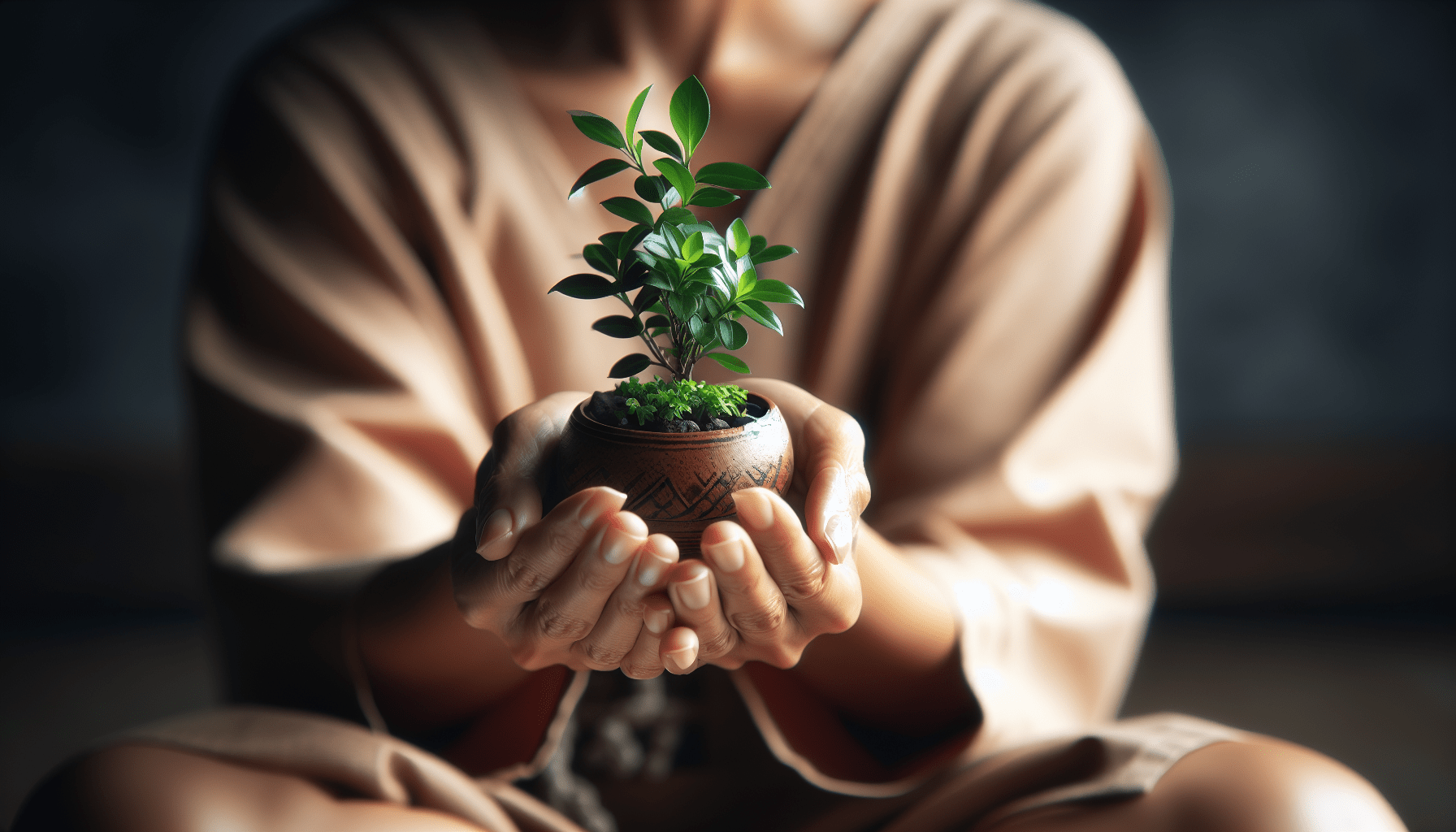
In today’s fast-paced and stressful world, finding balance and harmony between mind, body, and spirit is essential for overall well-being. In this article, we will embark on a journey of exploration, delving into the fascinating connection between holistic health and spirituality. We will navigate through the profound ways in which these two aspects intertwine, uncovering how spirituality can enhance our physical and mental wellness, and vice versa. Join us as we unravel the power of this unique symbiotic relationship and discover how it can positively impact your life.
Holistic Health
Definition of holistic health
Holistic health is an approach to wellness that considers the whole person – mind, body, and spirit. It recognizes that these aspects are interconnected and that true well-being can only be achieved by addressing all of them together. Holistic health goes beyond simply treating symptoms; it aims to address the root causes of health issues and promote overall balance and harmony.
Components of holistic health
The components of holistic health include physical, mental, emotional, and spiritual well-being. Physical health involves nourishing the body through proper nutrition, regular exercise, and adequate rest. Mental health encompasses maintaining a positive mindset, managing stress, and engaging in activities that promote mental clarity and cognitive function. Emotional health focuses on developing healthy emotional intelligence and managing one’s emotions in a constructive way. Lastly, spiritual health involves connecting with a higher power or inner self, finding meaning and purpose in life, and embracing values and beliefs that guide one’s actions.
Benefits of holistic health
The benefits of practicing holistic health are numerous and far-reaching. By taking a comprehensive approach to wellness, individuals can experience improved physical health, enhanced mental clarity, increased emotional resilience, and a greater sense of purpose and fulfillment in life. Holistic health practices can also lead to improved relationships, reduced stress levels, and a better overall quality of life. By addressing all aspects of health, individuals can achieve a state of optimal wellness and experience a greater sense of balance and harmony in their lives.
Spirituality
Definition of spirituality
Spirituality is a deeply personal and individual experience that involves seeking and connecting with something greater than oneself. It is characterized by a sense of purpose, meaning, and transcendence, and can be expressed through religious beliefs, personal beliefs, or a connection with nature and the universe. Spirituality often involves exploring life’s big questions, finding one’s purpose and values, and developing a sense of inner peace and connectedness.
Different forms of spirituality
There are many different forms of spirituality, each unique and personal to the individual. Some may find spirituality through organized religion, such as Christianity, Islam, Buddhism, or Hinduism. Others may find spirituality through personal beliefs and practices, such as meditation, mindfulness, or connecting with nature. Spirituality can also be expressed through creative activities, like music, art, or writing. The key is that spirituality is a deeply personal journey, and individuals are free to explore and define it in a way that resonates with them.
Importance of spirituality
Spirituality plays a fundamental role in overall well-being and can have a profound impact on mental, emotional, and physical health. It provides individuals with a sense of purpose and meaning, helps them navigate life’s challenges, and offers a source of inner strength and resilience. Spirituality can also provide a sense of connectedness and belonging, promoting social support and a greater sense of community. It can be a source of inspiration, motivation, and hope, helping individuals cultivate positive emotions and develop a more positive outlook on life. Ultimately, spirituality helps individuals lead a more meaningful and fulfilling existence.
The Relationship Between Holistic Health and Spirituality
How holistic health and spirituality are interconnected
Holistic health and spirituality are deeply interconnected and mutually reinforcing. Both recognize the importance of the mind-body-spirit connection and emphasize the need to address all aspects of health for optimal well-being. Holistic health recognizes spiritual health as a vital component of overall wellness, and spirituality provides a framework for individuals to cultivate a deeper understanding of themselves, their values, and their purpose in life. By integrating spirituality into holistic health practices, individuals can tap into a powerful source of inner strength and guidance.
Effects of spirituality on holistic health
Spirituality has many positive effects on holistic health. Research has shown that individuals who embrace spirituality experience lower levels of stress, improved immune function, reduced risk of depression and anxiety, and better overall mental and emotional well-being. Spirituality can also promote positive lifestyle changes, such as adopting healthier habits, practicing mindfulness, and engaging in self-care activities. By nurturing one’s spiritual health, individuals can experience a greater sense of peace, purpose, and overall well-being.
Role of holistic health in spiritual growth
Holistic health provides a foundation for spiritual growth and development. By taking care of their physical, mental, and emotional well-being, individuals create the necessary conditions for spiritual growth to occur. When the body and mind are in a balanced and healthy state, individuals are more receptive to spiritual experiences, insights, and connections. Holistic health practices, such as meditation, mindfulness, and energy healing, can help individuals quiet their minds, cultivate awareness, and deepen their spiritual connection. In this way, holistic health serves as a catalyst for spiritual growth and a pathway to greater spiritual awareness and understanding.
Holistic Approaches to Spiritual Health
Meditation and mindfulness
Meditation and mindfulness practices are powerful tools for cultivating spiritual health. Meditation involves quieting the mind and focusing one’s attention on the present moment, allowing for a deeper connection with the self and the spiritual realm. Mindfulness, on the other hand, involves bringing non-judgmental awareness to one’s thoughts, emotions, and sensations, promoting a state of presence and acceptance. Both practices help individuals cultivate a deeper sense of self-awareness, stillness, and inner peace, facilitating spiritual growth and connection.
Energy healing practices
Energy healing practices, such as Reiki, acupuncture, and qigong, are holistic approaches to spiritual health that involve balancing the body’s energy systems. These practices aim to remove energy blockages and restore the flow of vital energy, promoting physical, emotional, and spiritual healing. By clearing stagnant energy and aligning the body’s energy centers, individuals can experience a greater sense of balance, vitality, and spiritual well-being. Energy healing practices can also help individuals release negative emotions, promote self-healing, and facilitate spiritual growth.
Yoga and tai chi
Yoga and tai chi are holistic practices that combine physical movement, breathwork, and meditation to promote overall well-being, including spiritual health. The physical postures and flowing movements of yoga and tai chi help individuals cultivate strength, flexibility, and balance in the body. These practices also promote mindfulness, deep breathing, and a sense of inner calm, which can enhance spiritual awareness and connection. By integrating physical movement with breath and mindfulness, individuals can experience a profound sense of mind-body-spirit harmony and tap into their spiritual essence.
Spiritual Practices for Holistic Well-being
Prayer and affirmations
Prayer and affirmations are powerful spiritual practices that involve consciously connecting with a higher power or one’s inner self. Prayer is a form of communication, expressing gratitude, seeking guidance, and offering intentions. Affirmations, on the other hand, are positive statements that affirm one’s desired reality and help reprogram the subconscious mind. Both practices help individuals cultivate a sense of faith, hope, and connection with something greater than themselves, promoting a greater sense of overall well-being.
Connecting with nature
Connecting with nature is a simple yet profound spiritual practice that involves immersing oneself in the natural world and attuning to its rhythms and wisdom. Spending time outdoors, whether it’s walking in a park, hiking in the mountains, or simply sitting by a river, can help individuals feel connected to something greater than themselves. Nature has a way of bringing clarity, peace, and a sense of awe and wonder, providing a sanctuary for reflection, healing, and spiritual connection.
Journaling and self-reflection
Journaling and self-reflection are powerful tools for exploring one’s inner landscape and nurturing spiritual growth. By dedicating time to write down thoughts, emotions, and experiences, individuals can gain insights, process emotions, and uncover patterns and beliefs that may be hindering their spiritual growth. Reflecting on these writings can bring clarity and a deeper understanding of oneself, promoting self-awareness and spiritual integration. Journaling and self-reflection also provide a means for setting intentions, tracking progress, and documenting personal growth on the spiritual journey.
The Impact of Spiritual Beliefs on Health
Positive effects of spirituality on physical health
Spirituality has been shown to have numerous positive effects on physical health. Studies have found that individuals who practice spirituality or have a strong sense of religious faith often experience lower blood pressure, reduced risk of heart disease, improved immune function, and faster recovery from illness or surgery. Spirituality can also promote healthier lifestyle choices, such as avoiding substance abuse, practicing safe sex, and engaging in regular exercise. The belief in something greater than oneself and the practice of prayer or meditation can also provide individuals with a sense of comfort and hope, reducing stress and promoting overall well-being.
Psychological benefits of spiritual beliefs
Spiritual beliefs have a profound impact on psychological well-being. Research has shown that individuals who have a sense of purpose and meaning in life, often derived from spirituality, are more resilient in the face of adversity, have lower rates of depression and anxiety, and report higher levels of life satisfaction. Spirituality can provide individuals with a sense of hope, optimism, and inner peace, helping them navigate life’s challenges with greater ease and grace. The practice of meditation or prayer can also promote mindfulness and self-compassion, enhancing emotional resilience and psychological well-being.
Spirituality as a coping mechanism
Spirituality serves as a valuable coping mechanism, helping individuals find meaning, understanding, and solace during difficult times. Beliefs about the afterlife, divine guidance, and the inherent goodness of the universe can provide comfort and support in times of loss, grief, or uncertainty. The practice of prayer or meditation can help individuals find solace and clarity in their own inner wisdom. Spirituality also promotes a sense of interconnectedness and belonging, providing individuals with a sense of support and community during challenging times. By turning to their spiritual beliefs and practices, individuals can find strength, hope, and resilience in the face of adversity.
Case Studies: Holistic Health and Spirituality
Experiences of individuals who have integrated spirituality into their holistic health journey
Throughout history, many individuals have shared their transformative experiences of integrating spirituality into their holistic health journey. These individuals have found that by addressing their physical, mental, emotional, and spiritual well-being, they were able to achieve a state of profound wellness and inner peace. They have reported experiencing a sense of wholeness, purpose, and alignment. By embracing spirituality as an essential component of their holistic health practices, they have tapped into a source of guidance, strength, and profound transformation.
Transformational stories of mind-body-spirit healing
There are countless stories of individuals experiencing mind-body-spirit healing through holistic health and spirituality practices. These individuals have often faced challenging health conditions, such as chronic pain, autoimmune disorders, or mental health issues. By embracing a holistic approach that addresses the physical, mental, emotional, and spiritual aspects of their health, they have experienced remarkable improvements in their well-being. These stories highlight the power of the mind-body-spirit connection and the potential for profound healing and transformation when all aspects of health are addressed.
Studies on the correlation between holistic health practices and spiritual well-being
Scientific studies have explored the correlation between holistic health practices and spiritual well-being. These studies have consistently found that individuals who engage in holistic health practices, such as meditation, mindfulness, energy healing, and yoga, experience an enhanced sense of spiritual well-being. They report greater feelings of connectedness, purpose, and inner peace. These studies also highlight the positive impact of spirituality on physical and mental health outcomes, further emphasizing the importance of integrating spirituality into holistic health practices.
Challenges in Integrating Holistic Health and Spirituality
Conflicting beliefs and ideologies
One of the challenges in integrating holistic health and spirituality is the presence of conflicting beliefs and ideologies. Different individuals may hold different religious or spiritual beliefs, and these beliefs can sometimes clash with each other or with certain holistic health practices. It is important to recognize and respect these differing beliefs, and to find a balance that allows for the integration of holistic health and spirituality in a way that aligns with one’s personal values and beliefs. Open and respectful communication can help navigate these challenges and foster understanding and collaboration.
Finding the right balance
Another challenge is finding the right balance between holistic health and spirituality. It is important to recognize that each individual’s journey is unique, and what works for one person may not work for another. Finding the right balance involves listening to one’s intuition, exploring different practices, and making adjustments as needed. It may also involve seeking guidance from trusted mentors, teachers, or spiritual advisors who can provide support and guidance on the holistic health and spirituality journey. Ultimately, finding the right balance is a continuous process of self-discovery and self-reflection.
Overcoming resistance to holistic approaches
Resistance to holistic approaches can also be a challenge when integrating holistic health and spirituality. Some individuals may be skeptical of or resistant to practices such as meditation, energy healing, or alternative therapies. Overcoming this resistance requires education, open-mindedness, and a willingness to explore new possibilities. Sharing personal experiences, providing scientific evidence, and emphasizing the potential benefits of holistic approaches can help alleviate resistance and promote acceptance and openness to new ways of approaching health and well-being.
Resources for Exploring Holistic Health and Spirituality
Books on holistic health and spirituality
There are many books available that explore the connection between holistic health and spirituality. These books provide insights, guidance, and practical tools for integrating holistic health and spirituality into one’s life. Some recommended titles include “The Power of Now” by Eckhart Tolle, “The Four Agreements” by Don Miguel Ruiz, “The Biology of Belief” by Bruce H. Lipton, and “Mindsight” by Daniel J. Siegel. These books offer a wealth of knowledge and inspiration for those seeking to deepen their understanding and practice of holistic health and spirituality.
Online courses and workshops
Online courses and workshops offer a convenient and accessible way to explore holistic health and spirituality. Many respected teachers and practitioners offer online programs that cover a wide range of topics, from meditation and mindfulness to energy healing and yoga. These courses provide structured learning experiences and practical tools for integrating holistic health and spirituality into daily life. Some popular online platforms for holistic health and spirituality courses include Udemy, Coursera, and Insight Timer.
Community groups and spiritual retreats
Community groups and spiritual retreats provide opportunities for connection, support, and deepening of holistic health and spirituality practices. These gatherings allow individuals to come together with like-minded individuals, learn from each other’s experiences, and engage in group activities that promote holistic well-being. Community groups can be found at local spiritual centers, churches, or online platforms dedicated to holistic health and spirituality. Spiritual retreats offer immersive experiences in beautiful natural settings, providing a space for reflection, healing, and spiritual growth.
Conclusion
Recognizing the symbiotic relationship between holistic health and spirituality is key to achieving overall well-being. By embracing the integration of mind, body, and spirit, individuals can embark on a transformative journey towards optimal health and inner harmony. Holistic health and spirituality provide powerful tools and practices for nurturing all aspects of well-being, promoting a profound sense of purpose, connectedness, and fulfillment. Embracing holistic approaches to spiritual health not only enriches individual lives but also contributes to the creation of a more compassionate, balanced, and harmonious world.