
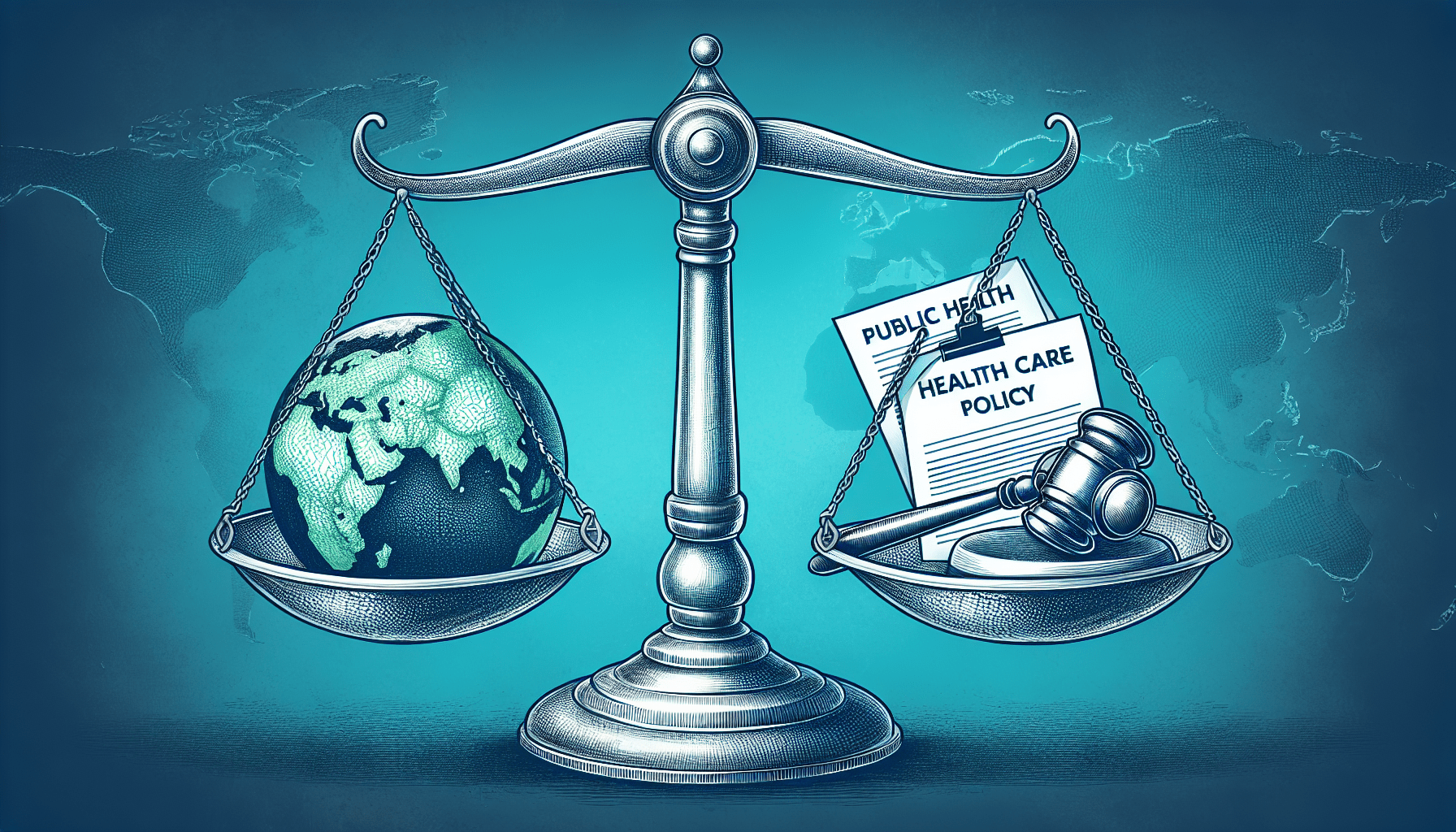
Imagine a world where the health of every individual is a priority, and healthcare policies are crafted with the aim to benefit the greater public. In this fascinating article, we will be delving into the intricacies of the intersection between public health and healthcare policy. By examining the ways in which these two fields intertwine and influence one another, we will gain a deeper understanding of how policies can shape the overall well-being of society. Get ready to broaden your perspective on the critical connection between public health and healthcare policy, and discover how it impacts us all.
The Importance of Public Health
Understanding Public Health
Public health plays a crucial role in safeguarding and improving the health and well-being of the general population. It focuses on promoting and protecting the health of communities, preventing diseases, and prolonging life expectancy. Public health encompasses a wide range of activities, from health education and disease prevention to policy development and research. By addressing the social, environmental, and behavioral determinants of health, public health aims to create conditions that support overall well-being.
The Role of Public Health in Society
Public health is essential for a thriving society. It helps to identify and address health challenges at the population level, rather than solely focusing on individual healthcare needs. By prioritizing prevention and early intervention, public health efforts can reduce the burden of disease and improve the quality of life for everyone. Additionally, public health promotes health equity by addressing disparities and ensuring that vulnerable populations have equal access to healthcare services. It also collaborates with various sectors, such as education, housing, and transportation, to create environments that support health.
Challenges in Public Health
While public health plays a vital role in society, it faces several challenges. One of the major challenges is the ongoing threat of emerging infectious diseases and pandemics. Public health agencies have to respond swiftly and effectively to contain outbreaks and protect populations. Another challenge is the increasing burden of chronic diseases, such as diabetes and cardiovascular disease. Public health efforts must focus on prevention, early detection, and management of these conditions to reduce their impact on individuals and society as a whole. Additionally, public health faces challenges related to limited funding and resources, which can hinder the implementation of initiatives and programs.
Overview of Healthcare Policy
Defining Healthcare Policy
Healthcare policy refers to a set of rules, regulations, and practices that govern the organization and delivery of healthcare services. It encompasses a range of areas, including financing, insurance coverage, quality of care, and patient rights. Healthcare policies are developed by governments, healthcare organizations, and other stakeholders to ensure the accessibility, affordability, and effectiveness of healthcare services.
The Purpose of Healthcare Policy
The primary purpose of healthcare policy is to promote the well-being of individuals and communities by ensuring access to high-quality healthcare services. Healthcare policies aim to establish a framework for equitable distribution of resources, protection of patient rights, and the delivery of evidence-based care. By addressing challenges such as rising healthcare costs, health disparities, and quality gaps, healthcare policy strives to improve health outcomes and enhance the overall healthcare system.
Key Components of Healthcare Policy
Healthcare policy consists of several key components that work together to shape the healthcare landscape. These components include:
-
Healthcare financing: This involves determining how healthcare services will be funded and reimbursed, either through public or private sources. It includes mechanisms such as health insurance, government funding, and out-of-pocket payments.
-
Healthcare delivery: This encompasses the organization and provision of healthcare services. It includes areas such as hospitals, clinics, primary care, and specialized medical services.
-
Healthcare regulation: This involves the development and enforcement of rules and standards to ensure the safety, quality, and ethical practice of healthcare. It includes areas such as licensing, accreditation, and professional guidelines.
-
Healthcare access: This refers to policies and initiatives aimed at ensuring that individuals have timely and affordable access to healthcare services. It includes strategies to address barriers such as geographical location, socioeconomic status, and cultural factors.
How Public Health and Healthcare Policy Interact
Public Health Goals and Healthcare Policy
Public health goals and healthcare policy are interconnected and complementary. While public health focuses on the health of populations, healthcare policy provides the framework and resources to achieve those goals. Public health goals, such as reducing morbidity and mortality rates, improving health equity, and promoting healthy behaviors, inform the development of healthcare policies. These policies, in turn, support the implementation of public health initiatives and programs.
Laws and Regulations
Laws and regulations play a significant role in shaping healthcare policy and public health practice. Governments enact laws to ensure the safety, quality, and accessibility of healthcare services. These laws may cover areas such as patient rights, health data privacy, healthcare workforce regulation, and the establishment of public health agencies. By setting legal frameworks, laws and regulations provide guidance for healthcare providers, organizations, and policymakers.
Public Health Impact on Policy Making
Public health has a strong influence on the development and implementation of healthcare policies. Public health professionals generate scientific evidence and provide expert advice to inform policy decisions. They conduct research, collect data, and evaluate the effectiveness of interventions to guide policy making. Public health advocacy also plays a crucial role in influencing policymakers and raising awareness about health issues. By actively engaging in the policy process, public health professionals can shape policies that promote population health and well-being.
Public Health Initiatives and Programs
Preventive Measures
Preventive measures form a core component of public health initiatives. These measures aim to prevent diseases and injuries before they occur, reducing the overall burden on healthcare systems. Preventive measures include immunization programs, health screenings, education campaigns, and lifestyle interventions. By promoting healthy behaviors, providing early detection of diseases, and addressing risk factors, preventive measures contribute to improved health outcomes and reduced healthcare costs.
Health Promotion Campaigns
Health promotion campaigns aim to educate and empower individuals and communities to make healthier choices and adopt positive behaviors. These campaigns raise awareness about specific health issues, such as tobacco use, physical activity, healthy eating, and mental health. Health promotion campaigns utilize various channels, including media, schools, workplaces, and community organizations, to disseminate messages and engage target populations. By promoting health literacy and behavior change, these campaigns contribute to the overall health and well-being of individuals and communities.
Research and Data Collection
Research and data collection form the basis for evidence-based public health practice and policy development. Public health professionals conduct research studies to understand the causes and determinants of diseases, evaluate interventions, and monitor health trends. Data collection, through methods such as surveys, surveillance systems, and registries, helps to identify health disparities, track infectious diseases, and measure health outcomes. This information provides insights into the effectiveness of public health initiatives, informs policy decisions, and guides resource allocation.
Evaluating the Effectiveness of Healthcare Policy
Measuring Health Outcomes
Measuring health outcomes is essential to assess the impact of healthcare policy and interventions. Health outcomes can be measured at the individual, community, and population levels. Indicators such as mortality rates, disease incidence, quality of life, and patient satisfaction are used to evaluate the effectiveness of healthcare policies. By monitoring these outcomes over time, policymakers can identify areas of success and areas that require improvement, leading to evidence-based policy revisions.
Assessing Policy Impact
Assessing the impact of healthcare policies involves evaluating their effects on various stakeholders and the healthcare system as a whole. This assessment can include examining changes in healthcare access, affordability, quality of care, and health equity. Additionally, policy impact assessment considers the economic implications of policies, such as cost savings, return on investment, and resource utilization. By systematically assessing policy impacts, policymakers can make informed decisions and optimize healthcare policy effectiveness.
Policy Evaluation Methods
Policy evaluation methods provide systematic approaches to assess the outcomes and impacts of healthcare policies. Different evaluation methods, such as cost-effectiveness analysis, qualitative research, and health impact assessment, can be employed depending on the policy goals and context. These methods help policymakers understand the strengths and weaknesses of policies, identify unintended consequences, and tailor interventions to maximize their effectiveness.
The Role of Stakeholders in Public Health and Healthcare Policy
Government Agencies
Government agencies, at various levels, play a significant role in public health and healthcare policy. They develop, implement, and regulate healthcare policies to protect the health and well-being of the population. Government agencies establish public health infrastructure, coordinate emergency responses, and allocate funding for public health initiatives and programs. They also collaborate with other stakeholders, such as healthcare providers, community organizations, and researchers, to address public health challenges and achieve desired health outcomes.
Healthcare Providers
Healthcare providers, including physicians, nurses, pharmacists, and allied health professionals, are crucial stakeholders in public health and healthcare policy. They deliver healthcare services, promote health education and disease prevention, and contribute to public health surveillance. Healthcare providers advocate for policies that improve patient care, reduce health disparities, and enhance the overall healthcare system. They also provide valuable input on the feasibility and impact of proposed policy changes based on their expertise and experiences.
Health Advocacy Organizations
Health advocacy organizations play a vital role in advancing public health and influencing healthcare policy. These organizations represent the interests and voices of specific populations, health conditions, or communities. They engage in public awareness campaigns, lobbying efforts, and policy advocacy to address health disparities, promote patient rights, and drive policy reforms. Health advocacy organizations provide critical expertise and grassroots support, ensuring that public health priorities are represented in policy discussions and decisions.
Ethical Issues in Public Health and Healthcare Policy
Equity and Access to Care
Equity and access to care are ethical issues that often arise in public health and healthcare policy. Ensuring that everyone has equal access to high-quality healthcare services is a fundamental ethical principle. However, various factors, such as socioeconomic status, race, ethnicity, and geography, can create disparities in healthcare access. Public health and healthcare policies need to address these disparities and promote equitable access to care by considering social determinants of health, implementing targeted interventions, and fostering inclusive healthcare systems.
Allocation of Resources
Resource allocation is an ethical consideration that policymakers face when developing healthcare policies. With limited resources, policymakers need to make choices that prioritize the greatest benefit for the population. This involves considering factors such as cost-effectiveness, health outcomes, and the needs of vulnerable populations. Ethical frameworks, such as utilitarianism and distributive justice, guide policymakers in making fair and just decisions regarding resource allocation to maximize overall health and well-being.
Informed Consent
Informed consent is an ethical principle that underlies patient autonomy and respect for individual rights. In healthcare policy, informed consent is crucial in areas such as medical research, interventions, and access to personal health information. Policies should ensure that individuals have the information and understanding necessary to make informed decisions about their health. Informed consent policies also protect individuals from coercion, exploitation, and violation of their privacy rights.
Current Challenges and Debates
Healthcare Reform
Healthcare reform is a significant ongoing challenge and debate in public health and healthcare policy. Achieving equitable, accessible, and affordable healthcare for all remains a complex task. Debates often revolve around the role of government in healthcare, financing mechanisms, and the balance between individual and collective responsibility. Public health professionals and policymakers continually seek innovative approaches and policy reforms to address these challenges and improve the overall healthcare system.
Public Health Emergencies
Public health emergencies, such as outbreaks, natural disasters, and pandemics, pose significant challenges for public health and healthcare policy. Responding effectively to these emergencies requires coordination, preparedness, and rapid decision-making. Public health policies need to establish frameworks for emergency response, communication, and resource allocation. The lessons learned from these emergencies inform policy changes and improvements in preparedness, surveillance, and control measures.
Healthcare Disparities
Healthcare disparities, particularly among disadvantaged populations, remain a persistent challenge in public health and healthcare policy. Disparities can stem from socioeconomic factors, racial and ethnic disparities, geographic location, and systemic biases within the healthcare system. Public health and healthcare policies need to address these disparities by implementing targeted interventions, improving healthcare access, and promoting health equity. Ongoing research, data collection, and policy evaluation help identify and address the root causes of healthcare disparities.
Global Perspective on Public Health and Healthcare Policy
International Collaborations
Public health and healthcare policy have a global dimension that extends beyond national borders. International collaborations and partnerships are crucial for addressing global health challenges and achieving collective health goals. Collaborations can involve sharing best practices, research findings, and resources. They can also drive policy changes and strengthen healthcare systems through multilateral agreements and organizations.
Comparative Analysis of Systems
Analyzing and comparing healthcare systems across different countries provides valuable insights into the strengths and weaknesses of various approaches. Comparative analysis can inform policy decisions and drive improvements in the delivery, financing, and regulation of healthcare services. By sharing knowledge and learning from diverse healthcare systems, public health and healthcare policy can advance toward more effective and efficient models of care.
Global Health Governance
Addressing global health challenges requires effective global health governance. Global health governance encompasses the coordination, regulation, and cooperation among various stakeholders at the global level. It involves international organizations, governments, civil society, and the private sector working together to promote global health security, respond to health emergencies, and address health inequities. Global health governance plays a vital role in shaping public health and healthcare policies that transcend national boundaries and achieve global health objectives.
Future Directions and Opportunities
Innovation in Public Health
Innovation in public health holds tremendous potential for addressing emerging health issues and improving healthcare delivery. Technological advancements, data analytics, and artificial intelligence offer innovative tools for disease surveillance, prevention, and treatment. Public health professionals can harness these technologies to develop targeted interventions, enhance data collection and analysis, and improve health outcomes. Embracing innovation in public health policy can lead to more effective and efficient approaches that address current and future health challenges.
Technological Advances
Technological advances have transformative effects on healthcare policy and practice. Telemedicine, electronic health records, and digital health solutions are just a few examples of technologies that revolutionize healthcare delivery. These advancements improve access to care, enhance patient engagement, and streamline healthcare processes. Policymakers need to embrace and adapt to these technological advances by developing policies that support the integration and regulation of technology in healthcare. By leveraging technology, healthcare policy can drive improvements in quality, efficiency, and patient-centered care.
Policy Approaches for Emerging Health Issues
Emerging health issues, such as climate change, antimicrobial resistance, and mental health, require innovative policy approaches. These issues have complex underlying causes and require interdisciplinary, collaborative solutions. Healthcare policy needs to focus on prevention, early intervention, and addressing social determinants of health to effectively tackle emerging health challenges. By adopting a proactive and holistic approach, policymakers can develop strategies that mitigate risks, promote resilience, and ensure sustainable health for future generations.
In conclusion, the intersection of public health and healthcare policy is critical for promoting population health, addressing health challenges, and improving healthcare systems. Public health emphasizes prevention, health promotion, and addressing social determinants of health, while healthcare policy provides the framework and resources to achieve these goals. Through collaboration, evidence-based decision-making, and ethical considerations, public health and healthcare policy can work together to create healthier communities and achieve equitable health outcomes. As we navigate current and future challenges, embracing innovation, promoting global collaboration, and addressing emerging health issues will shape the future of public health and healthcare policy.