
Did you know that what you eat can have a profound impact on your mental and emotional well-being? It’s true! In this article, we will take a closer look at the connection between nutrition and your mental health. As we delve into this topic, you’ll discover how certain foods can support a healthy mind, improve your mood, and boost your overall well-being. So, grab a seat and get ready to explore the fascinating link between nutrition and mental and emotional well-being!

Introduction
In today’s fast-paced world, the importance of mental and emotional well-being cannot be overstated. The demands of everyday life can take a toll on our mental health, contributing to issues such as depression, anxiety, and cognitive decline. While therapy and medication can be helpful for managing these conditions, it is equally important to address the role of nutrition in supporting our mental and emotional well-being.
Importance of Nutrition for Mental and Emotional Well-being
Nutrients and Brain Health
Our brain is a complex organ that requires various nutrients to function optimally. Just like any other part of our body, it needs a steady supply of vitamins, minerals, and other essential nutrients to perform its best. Nutrients such as omega-3 fatty acids, vitamins B, D, and C, as well as minerals like iron and zinc, are all crucial for brain health.
Effects of Nutrition on Mood
Have you ever noticed how certain foods can influence your mood? This is because nutrition plays a key role in regulating our mood and emotions. For example, consumption of foods rich in omega-3 fatty acids can help reduce symptoms of depression and improve overall mood. Similarly, consuming foods high in antioxidants like fruits and vegetables can have a positive impact on our emotional well-being.
Influence of Gut Health on Mental Well-being
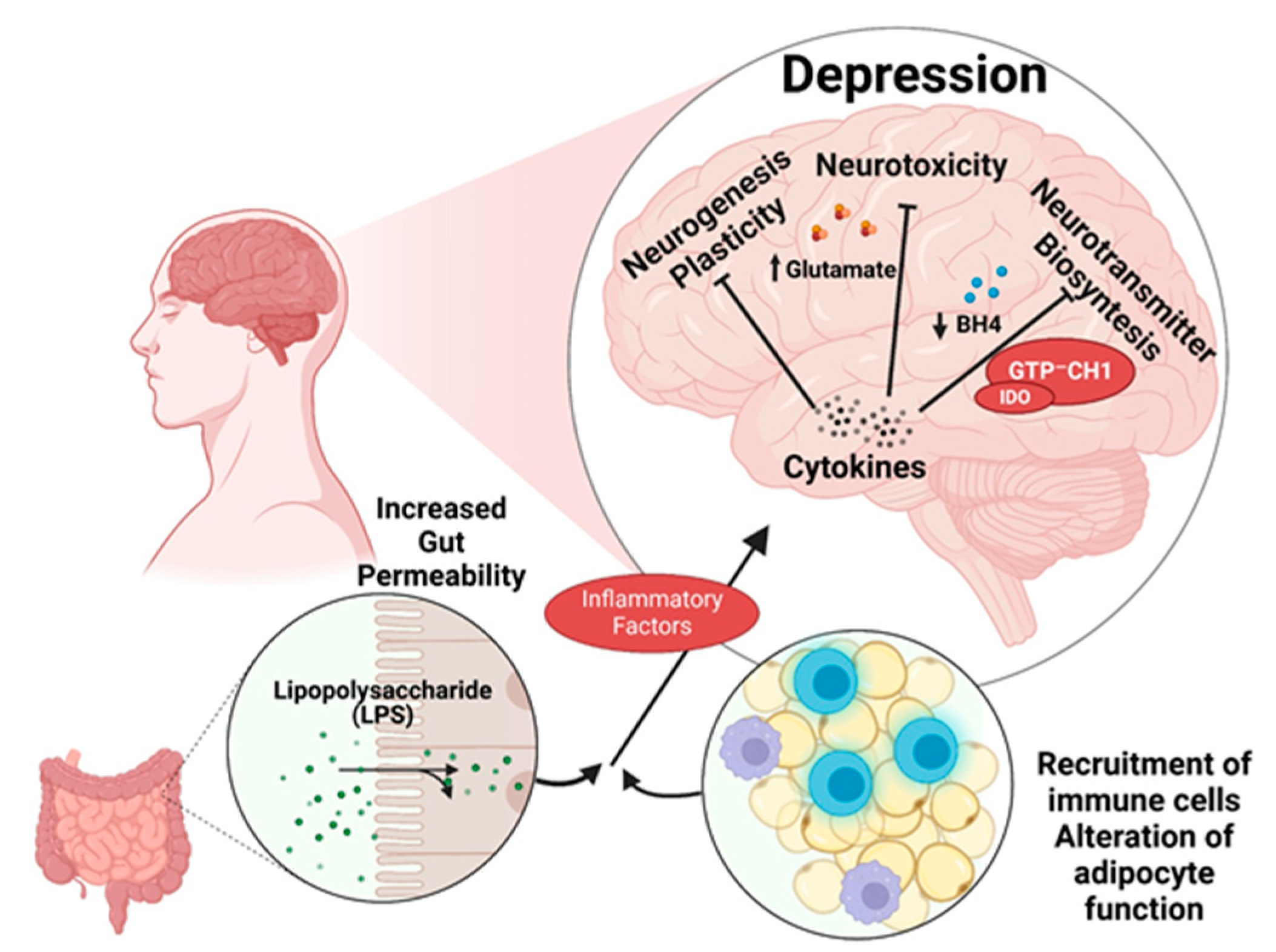
Did you know that there is a significant connection between your gut and your brain? The gut-brain axis is a bidirectional communication system between these two organs, and research suggests that gut health plays a crucial role in our mental well-being. A healthy gut microbiome, which consists of trillions of bacteria, can influence our mood, behavior, and even our risk of developing mental health disorders.
Key Nutrients for Mental and Emotional Well-being
Omega-3 Fatty Acids
Omega-3 fatty acids are essential for the normal functioning of our brain. They play a vital role in maintaining proper neurological function, reducing inflammation, and supporting overall mental well-being. Foods rich in omega-3 fatty acids include fatty fish like salmon and mackerel, chia seeds, and walnuts.
Vitamins and Minerals
Vitamins and minerals are essential for optimal brain function. Vitamin B complex, for example, is involved in the production of mood-regulating neurotransmitters like serotonin and dopamine. Deficiencies in vitamins such as B12 and folate have been linked to an increased risk of depression and mood disorders.
Minerals like iron and zinc are also crucial for brain health. Iron deficiency, in particular, can lead to cognitive impairments and decreased mental well-being. Good food sources of these vitamins and minerals include leafy green vegetables, eggs, legumes, and nuts.
Protein and Amino Acids
Protein is the building block of our body, and it plays a vital role in mental health as well. Amino acids, the building blocks of protein, are involved in the production of neurotransmitters, which are chemical messengers that regulate our mood and emotions. Foods rich in protein, such as lean meats, eggs, dairy products, and plant-based sources like soy and quinoa, can support our mental and emotional well-being.
Complex Carbohydrates
Carbohydrates are often vilified in popular diets, but they are an essential source of energy for our brain. The brain relies on glucose, obtained from carbohydrates, as its primary fuel. Complex carbohydrates, such as whole grains, fruits, and vegetables, provide a slow and steady release of glucose, helping to stabilize our mood and energy levels.
Effects of Macronutrients on Mental and Emotional Health
Carbohydrates and Serotonin
Carbohydrates play an important role in the production of serotonin, a neurotransmitter that regulates mood and emotions. When we consume carbohydrates, our body releases insulin, which helps transport amino acids to the brain. These amino acids are used to produce serotonin, promoting feelings of calmness and well-being.
Protein and Neurotransmitter Production
Protein is necessary for the synthesis of neurotransmitters like dopamine, norepinephrine, and serotonin. Adequate protein intake ensures that our brain has enough raw materials to produce these chemical messengers, which play a crucial role in regulating our mood and emotions.
Fats and Brain Function
While fats have gained a negative reputation in recent years, certain types of fats are essential for brain health. Omega-3 fatty acids, in particular, are critical for maintaining the integrity of brain cell membranes and promoting healthy brain function. Including a variety of healthy fats, such as avocados, nuts, and olive oil, in our diet can support our mental and emotional well-being.
Micronutrients and Mental Well-being
Vitamin B Complex and Mood Regulation
The various B vitamins, including B12, B6, and folate, are essential for mood regulation. They are involved in the production of neurotransmitters like serotonin and dopamine, which impact our emotions and mental well-being. Ensuring an adequate intake of foods rich in vitamin B, such as leafy green vegetables, whole grains, and legumes, can support our mental health.
Vitamin D and Seasonal Affective Disorder
Vitamin D, often referred to as the sunshine vitamin, plays a crucial role in our mental well-being. Sunlight triggers the production of vitamin D in our bodies, and a deficiency in this vitamin has been linked to Seasonal Affective Disorder (SAD), a type of depression that occurs during the winter months. Including vitamin D-rich foods like fatty fish, fortified dairy products, and sunlight exposure can help maintain optimal mental health.
Iron and Cognitive Function
Iron is an essential mineral involved in cognitive function and mental well-being. Iron deficiency is associated with impaired cognitive abilities, decreased concentration, and increased fatigue. Including iron-rich foods like lean meats, seafood, dark leafy greens, and legumes can help support cognitive function and enhance mental well-being.
The Role of Gut Health in Mental and Emotional Well-being
The Gut-Brain Connection
Did you know that our gut and brain are in constant communication? The gut-brain axis is a complex network of nerves, hormones, and neurotransmitters that allows our gut and brain to send signals to each other. This bidirectional communication has a significant impact on our mental and emotional well-being.
Probiotics and Mental Health
Probiotics are beneficial bacteria that can support a healthy gut microbiome. Research suggests that probiotics may have a positive impact on mental health by reducing symptoms of depression, anxiety, and stress. Including probiotic-rich foods like yogurt, sauerkraut, and kefir or taking probiotic supplements may help support our mental and emotional well-being.
Inflammation and Psychological Disorders
Chronic inflammation is a common factor in many psychological disorders, including depression and anxiety. Poor gut health can contribute to systemic inflammation, further exacerbating these conditions. Maintaining a healthy gut through a balanced diet, rich in fiber, fruits, vegetables, and fermented foods, can help reduce inflammation and support our mental well-being.
Nutrition and Specific Mental Health Conditions
Depression and Anxiety
Depression and anxiety are widespread mental health conditions that can significantly impact our well-being. While professional help is essential, certain dietary interventions can complement treatment. Consuming a diet rich in whole foods, omega-3 fatty acids, vitamins, and minerals can help support brain health and reduce symptoms of depression and anxiety.
ADHD and Cognitive Function
Attention Deficit Hyperactivity Disorder (ADHD) is a neurodevelopmental disorder characterized by difficulties in concentration, impulsivity, and hyperactivity. While there is no definitive diet for ADHD, certain nutrients, such as omega-3 fatty acids, iron, zinc, and B-vitamins, have been shown to support cognitive function. Incorporating these nutrients into a well-balanced diet may help in managing symptoms of ADHD.
Eating Disorders and Nutritional Deficiencies
Eating disorders, such as anorexia nervosa and bulimia nervosa, can lead to severe nutritional deficiencies. These deficiencies can have a profound impact on our mental and emotional well-being. A comprehensive treatment plan for eating disorders includes nutritional rehabilitation, ensuring an adequate nutrient intake to support physical and mental recovery.
The Impact of Processed Foods on Mental Health
Sugar and Addictive-like Behavior
Refined sugars found in processed foods have been linked to addictive-like behaviors and can impact our mental health. Consumption of sugary foods leads to a rapid spike in blood sugar levels, followed by a crash. This rollercoaster effect can worsen mood swings, cause irritability, and contribute to feelings of anxiety and depression.
Artificial Additives and Mood
Artificial additives, such as artificial sweeteners, colors, and flavors, commonly found in processed foods, can have a negative impact on our mood and mental well-being. Research suggests that these additives may increase the risk of hyperactivity in children and negatively affect cognitive function in adults. Opting for whole foods and minimizing the consumption of processed foods can help support mental and emotional well-being.
Trans Fats and Depression
Trans fats, often found in fried and processed foods, have been linked to an increased risk of depression and negative effects on brain health. These unhealthy fats can lead to inflammation, oxidative stress, and impaired neurotransmitter function, all of which can contribute to the development and progression of depression.

Dietary Interventions for Mental and Emotional Well-being
Mediterranean Diet
The Mediterranean diet is widely recognized for its numerous health benefits, including its positive effect on mental and emotional well-being. This diet is rich in fruits, vegetables, whole grains, lean proteins, healthy fats, and moderate amounts of red wine. Studies have shown that following a Mediterranean diet can reduce the risk of depression and improve overall mental health.
Whole Foods Plant-Based Diet
A whole foods plant-based diet focuses on consuming minimally processed, plant-based foods while limiting or avoiding animal products. This diet is high in fruits, vegetables, whole grains, legumes, nuts, and seeds. Research suggests that a plant-based diet can support mental and emotional well-being by providing essential nutrients, antioxidants, and fiber.
The Gut-Brain Diet
The gut-brain diet, also known as the “MIND diet,” combines elements of the Mediterranean diet and the DASH (Dietary Approaches to Stop Hypertension) diet to support brain health. This diet emphasizes foods that are beneficial for both gut and brain health, such as leafy greens, berries, olive oil, whole grains, and lean proteins.
Conclusion
In conclusion, the link between nutrition and mental and emotional well-being cannot be ignored. Optimal nutrition, including key nutrients, macronutrients, and a healthy gut, plays a vital role in supporting brain health and regulating our mood and emotions. By prioritizing a balanced and nourishing diet, we can take significant steps towards enhancing our mental and emotional well-being, leading to a happier and healthier life.
