
Are you curious about the connection between spirituality and mental wellness? Look no further! In this article, we will explore the fascinating role spirituality plays in maintaining a healthy mind. From meditation practices to finding meaning and purpose in life, we will delve into how nurturing your spiritual side can contribute to overall mental wellbeing. So, sit back, relax, and prepare to embark on a journey to uncover the powerful impact of spirituality on your mental health.
Defining Spirituality
Meaning and interpretation of spirituality
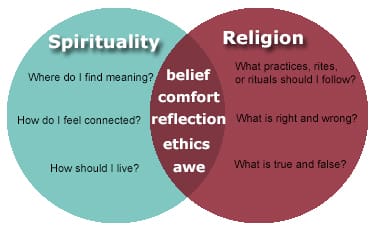
Spirituality is a concept that encompasses a wide range of beliefs and practices related to the inner self and its connection to something greater than ourselves. It is often associated with religion and faith, but it can also be independent of any specific religious affiliation. Spirituality is a deeply personal and subjective experience, and its meaning and interpretation can vary among individuals. For some, it may involve a belief in a higher power, while for others, it may be more focused on self-discovery and inner peace. Ultimately, spirituality is about finding purpose and meaning in life, and seeking a sense of connection and fulfillment beyond the material world.
Different perspectives on spirituality
Spirituality is a multifaceted concept that can be approached from various perspectives. Different religious and spiritual traditions offer unique frameworks for understanding and practicing spirituality. For some individuals, spirituality may be deeply rooted in organized religion, following specific rituals and teachings prescribed by their faith. Others may take a more eclectic or individualistic approach, drawing inspiration from multiple spiritual traditions or exploring their own personal beliefs. Additionally, some people may perceive spirituality as a purely internal experience, focusing on self-reflection, meditation, and accessing one’s inner wisdom. It is important to respect the diversity of perspectives and approaches to spirituality, as what works for one person may not resonate with another.
Understanding Mental Wellness
Definition of mental wellness
Mental wellness refers to the state of one’s emotional, psychological, and social well-being. It is an integral component of overall health and encompasses the ability to cope with life’s challenges, build and maintain positive relationships, and make meaningful contributions to society. Mental wellness is not merely the absence of mental illness but involves the cultivation of positive emotions, resilience, and a strong sense of self. It is a dynamic state that can fluctuate throughout one’s life, influenced by various internal and external factors.
Factors influencing mental wellness
Several factors contribute to an individual’s mental wellness. Biological factors, such as genetics and brain chemistry, can influence one’s susceptibility to mental health conditions. Environmental factors, such as childhood experiences, access to education, and socioeconomic status, can impact mental wellness. Additionally, social and cultural factors, including support networks, societal norms, and discrimination, play a significant role. Furthermore, individual factors, such as coping skills, self-esteem, and the ability to manage stress, contribute to mental wellness. It is important to recognize the interplay between these various factors and the unique experiences of each individual in shaping mental wellness.
Spirituality and Mental Wellness Connection
Exploring the relationship between spirituality and mental wellness
Spirituality and mental wellness are deeply interconnected, with each influencing and enhancing the other. Spirituality provides individuals with a sense of purpose, meaning, and a larger framework through which to make sense of their experiences. Engaging in spiritual practices, such as meditation, prayer, or yoga, can promote relaxation, self-reflection, and a sense of inner peace. These practices can help individuals cultivate mindfulness, reduce stress and anxiety, and develop a greater sense of self-awareness. Additionally, spirituality can foster social connections and provide a support system, which is crucial for maintaining mental wellness.
Impact of spirituality on mental health outcomes
Numerous studies have demonstrated the positive impact of spirituality on mental health outcomes. Regular engagement in spiritual practices has been associated with lower levels of depression, anxiety, and substance abuse. Spirituality can also enhance psychological well-being by promoting positive emotions, resilience, and a sense of belonging. Individuals who actively integrate spirituality into their lives often report a greater sense of satisfaction, purpose, and overall life satisfaction. Moreover, spirituality can serve as a protective factor against mental illness, helping individuals cope with adversity and navigate challenging life circumstances.
Spirituality Practices for Mental Wellness
Meditation and mindfulness
Meditation and mindfulness practices have been utilized for centuries as spiritual tools for inner transformation and mental wellness. Through focused attention and awareness, meditation allows individuals to quiet the mind, reduce stress, and cultivate a sense of calm. Regular meditation practice has been shown to improve mental clarity, emotional regulation, and overall well-being. Mindfulness, on the other hand, involves being fully present in the present moment, observing thoughts and emotions without judgment. This practice helps individuals develop self-compassion, reduce rumination, and increase resilience.
Prayer and religious rituals
Prayer and religious rituals are deeply ingrained in many spiritual traditions and can serve as powerful tools for mental wellness. Prayer involves communicating with a higher power or a divine entity, seeking guidance, solace, and connection. It provides individuals with a sense of support and comfort, easing feelings of loneliness, anxiety, and despair. Religious rituals, such as attending religious services, participating in ceremonies, or observing holy days, can create a sense of community, promote social connections, and reinforce beliefs and values. Engaging in these practices can foster a sense of belonging, purpose, and spiritual fulfillment.
Yoga and movement-based practices
Yoga and movement-based practices combine physical exercise with spiritual and mindfulness elements. Yoga, originating from ancient Indian traditions, uses postures, breathing exercises, and meditation to promote physical, mental, and spiritual well-being. Regular practice of yoga has been linked to reduced stress, improved mood, and increased self-esteem. Other movement-based practices, such as tai chi and qigong, also emphasize mind-body connection and can have similar benefits for mental wellness. These practices help individuals develop body awareness, reduce muscle tension, and cultivate a sense of centeredness and balance.
Spirituality as a Coping Mechanism
Spirituality as a source of comfort and hope
In times of difficulty and adversity, spirituality often serves as a source of comfort and hope. Belief in a higher power or a spiritual framework provides individuals with a sense of guidance, support, and reassurance. It allows them to find solace in the face of uncertainty and find meaning in their struggles. Spirituality promotes a sense of perspective, reminding individuals of the temporary nature of challenges and offering a broader context for their experiences. This can strengthen one’s resilience and help them navigate life’s ups and downs with greater equanimity.
Role of spirituality in stress management
Stress is an inevitable part of life, and spirituality can play a crucial role in managing and alleviating its impact. Engaging in spiritual practices, such as meditation, prayer, or deep breathing exercises, can activate the body’s relaxation response and reduce the physiological and psychological effects of stress. Spirituality encourages individuals to surrender control over situations they cannot change and cultivate a sense of acceptance and surrender. Moreover, spiritual beliefs and practices provide individuals with coping strategies, such as reframing challenges as opportunities for growth and finding meaning in their experiences.
Addressing Spiritual Needs in Mental Healthcare
Integration of spirituality in therapy
Recognizing the importance of spirituality in mental wellness, many mental healthcare professionals now integrate spiritual approaches into therapy. This may involve exploring clients’ spiritual beliefs, values, and practices and incorporating them into the therapeutic process. Therapists can create a safe and inclusive space where clients can openly discuss their spiritual concerns and struggles. By addressing spiritual needs, therapists can help individuals find meaning, connect with their inner selves, and develop a greater sense of purpose and fulfillment.
Challenges and benefits of addressing spirituality in mental healthcare
While integrating spirituality into mental healthcare can be beneficial, it also presents several challenges. Therapists must be aware of their own biases and beliefs to ensure they provide a non-judgmental and accepting environment for clients with differing spiritual perspectives. Additionally, some individuals may be hesitant to discuss their spirituality due to fear of judgment or stigma. However, addressing spirituality in mental healthcare can lead to more holistic and fulfilling treatment outcomes. It can help individuals tap into their inner resources, enhance self-awareness, and foster a sense of empowerment and meaning.
Cultural and Religious Perspectives on Spirituality
Diverse cultural and religious beliefs about spirituality
Spirituality is deeply intertwined with cultural and religious beliefs, and different cultures and religions have unique perspectives on spirituality. For example, in many Indigenous cultures, spirituality is deeply connected to the natural world and encompasses a reverence for the land, ancestors, and creation. In Eastern traditions, such as Buddhism and Taoism, spirituality often focuses on inner transformation, enlightenment, and the interconnectedness of all beings. Western religious traditions, including Christianity, Islam, and Judaism, emphasize the worship of a higher power and adherence to moral and ethical principles. It is essential to respect and appreciate the diversity of cultural and religious beliefs when exploring spirituality.
Influence of cultural and religious backgrounds on mental wellness
Cultural and religious backgrounds significantly influence how individuals experience and express their spirituality, as well as their mental wellness. Cultural and religious practices often provide individuals with a sense of identity, connection, and support. They can shape individuals’ worldviews, values, and coping mechanisms, impacting how they navigate challenges and perceive mental health. Moreover, cultural and religious communities can offer social support, rituals, and guidance, which can help individuals maintain mental wellness and find comfort during difficult times. It is vital for mental healthcare providers to be culturally sensitive and respect the influence of cultural and religious backgrounds on spirituality and mental wellness.
Spirituality and Meaning-Making
Exploring the connection between spirituality and finding meaning in life
Spirituality plays a central role in the search for meaning and purpose in life. It helps individuals grapple with existential questions, such as the nature of reality, the purpose of suffering, and the meaning of life and death. Through spiritual practices, individuals cultivate a deeper understanding of themselves, their values, and their place in the world. Spirituality can provide a framework for making sense of life’s challenges, finding solace in moments of grief and loss, and embracing the interconnectedness of all beings. It offers individuals a sense of transcendence and a pathway to discover their own unique meaning and purpose.
Role of spirituality in navigating challenges and crises
Challenges and crises are inevitable parts of the human experience, and spirituality can provide individuals with the strength and resilience to navigate such difficulties. Spirituality helps individuals find meaning and growth in the face of adversity, providing a sense of hope, purpose, and connection. It encourages individuals to reflect on their experiences, learn from hardships, and transform challenges into opportunities for personal and spiritual growth. By drawing upon their spirituality, individuals can find solace, guidance, and strength to endure difficulties and emerge stronger on the other side.
Spirituality and Resilience
How spirituality contributes to building resilience
Resilience refers to one’s ability to bounce back, adapt, and thrive in the face of adversity. Spirituality plays a significant role in building resilience by providing individuals with a sense of purpose, hope, and inner strength. Belief in a higher power or a spiritual framework helps individuals develop a sense of faith and trust in the greater universe, even in difficult times. Spirituality reinforces positive beliefs and values, fosters an optimistic outlook, and encourages individuals to find meaning and growth in challenging circumstances. It cultivates a sense of resilience and empowers individuals to overcome obstacles with courage and determination.
Spirituality as a protective factor against mental illness
Spirituality has been recognized as a protective factor against mental illness and can reduce the risk of developing psychological disorders. Engaging in spiritual practices, such as meditation, prayer, or attending religious services, promotes self-care, mindfulness, and emotional well-being. Spirituality can provide individuals with a sense of social support, belonging, and connection, which can buffer against the negative effects of stress and isolation. Moreover, spirituality fosters a sense of purpose and meaning, reducing the likelihood of experiencing existential crises or a loss of hope. By nurturing one’s spirituality, individuals can enhance their mental wellness and protect themselves from mental health disorders.
Promoting Spiritual Wellbeing for Mental Wellness
Strategies for enhancing spiritual wellbeing
Promoting spiritual well-being is crucial for maintaining mental wellness. Here are several strategies that can help individuals enhance their spiritual well-being:
- Reflect and connect with your inner self through practices like journaling, self-reflection, and contemplation.
- Engage in regular spiritual practices, such as meditation, prayer, or yoga, that resonate with your beliefs and values.
- Seek out community and support networks that share your spiritual interests and can provide guidance and encouragement.
- Explore spiritual literature, teachings, and wisdom from various traditions to broaden your understanding and perspective.
- Take time to appreciate and connect with nature, allowing yourself to be present and mindful of the beauty and interconnectedness of all things.
- Incorporate acts of kindness and compassion into your daily life, both towards yourself and others, to cultivate a sense of empathy and connectedness.
- Seek out opportunities for self-care and self-expression, such as engaging in creative hobbies or practicing self-compassion.
- Engage in regular self-care practices, including maintaining a healthy lifestyle, getting enough rest, practicing gratitude, and nurturing positive relationships.
Community support and resources for spiritual growth
Communities and resources focused on spiritual growth can provide valuable support for individuals seeking to enhance their spiritual well-being. Many religious organizations offer spiritual guidance, community gatherings, and educational programs to help individuals deepen their spiritual practices. Additionally, secular organizations and online communities provide opportunities for individuals to explore spirituality from a more eclectic or individualistic perspective. Engaging in group discussions, workshops, or retreats can foster connections with like-minded individuals and provide a space for sharing experiences and insights. Furthermore, accessing books, podcasts, and online resources can offer valuable guidance and inspiration on various spiritual topics. No matter the chosen path, finding supportive communities and resources can help individuals enhance their spiritual well-being and enrich their mental wellness journey.
In conclusion, spirituality plays a vital role in mental wellness, offering individuals a framework for finding meaning, purpose, and connection in life. By exploring and nurturing their spirituality, individuals can enhance their mental well-being, build resilience, and navigate challenges with grace and strength. Engaging in spiritual practices, addressing their spiritual needs in therapy, and acknowledging the influence of cultural and religious backgrounds are essential steps in promoting spiritual well-being and supporting mental wellness. As individuals embark on their own personal spiritual journeys, they can find comfort, hope, and a greater sense of fulfillment by embracing the connection between spirituality and mental wellness.