If you or a loved one has been diagnosed with Gastroesophageal Reflux Disease (GERD), you may have some questions about how to effectively manage this condition. In this article, we will address some common FAQs about managing GERD, providing you with valuable insights and tips to help navigate this often uncomfortable journey. From understanding the causes of GERD to exploring lifestyle changes and treatment options, we aim to arm you with the knowledge and support you need to successfully manage this condition and improve your quality of life. So, let’s clear up any confusion and get you on the path to a more comfortable and enjoyable life with GERD.
What is Gastroesophageal Reflux Disease (GERD)?
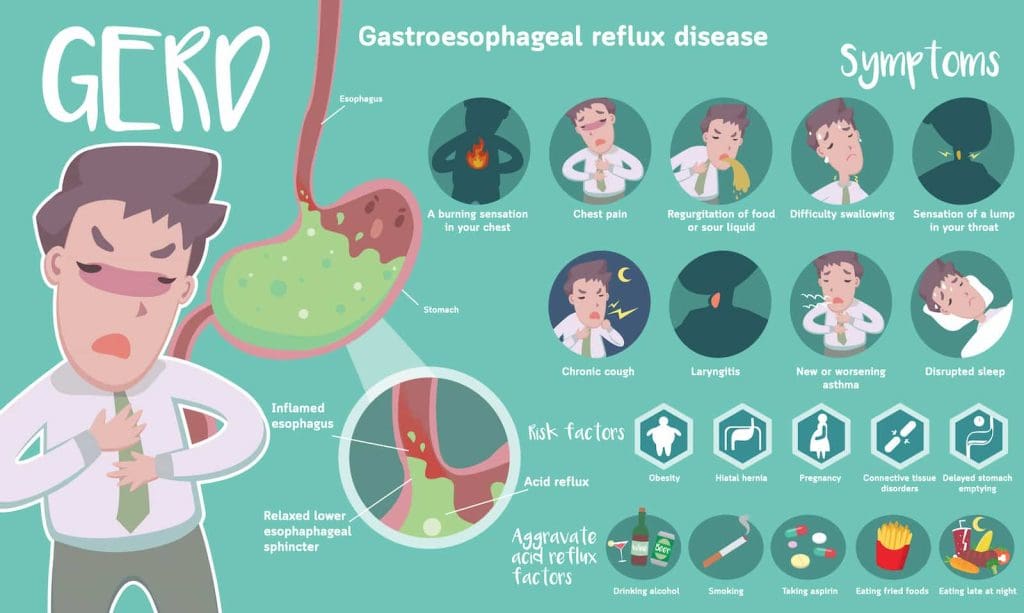
Gastroesophageal Reflux Disease (GERD) is a chronic digestive disorder that occurs when stomach acid or bile flows back into the esophagus. This backward flow, also known as acid reflux, irritates the lining of the esophagus and can cause a range of uncomfortable symptoms. GERD is a common condition that affects millions of people worldwide.
Definition of GERD
GERD, also referred to as acid reflux disease, is characterized by chronic acid reflux or regurgitation of stomach contents into the esophagus. It occurs when the lower esophageal sphincter, a ring of muscle between the esophagus and the stomach, fails to close properly, allowing stomach acid and other digestive juices to splash back into the esophagus.
Common symptoms of GERD
The symptoms of GERD can vary from person to person, but common signs include heartburn, a burning sensation in the chest, regurgitation of acid or food, chest pain, and difficulty swallowing. Other symptoms may include a chronic cough, sore throat, hoarseness, or the sensation of a lump in the throat. If you experience any of these symptoms on a regular basis, it is important to consult with your healthcare provider for an accurate diagnosis and appropriate treatment.
What Causes GERD?
Understanding the underlying causes of GERD can help in managing the condition effectively. The following factors can contribute to the development of GERD:
Weakening of the lower esophageal sphincter
A weakened lower esophageal sphincter (LES) is one of the main causes of GERD. The LES is responsible for preventing stomach acid from flowing back up into the esophagus. When the LES is weakened or relaxed, it becomes easier for acid to reflux into the esophagus, leading to the symptoms of GERD.
Hiatal hernia
A hiatal hernia occurs when a portion of the stomach protrudes through the diaphragm and into the chest cavity. This can weaken the LES and contribute to the development of GERD.
Delayed stomach emptying
When the emptying of the stomach is delayed, it can increase the risk of acid reflux. This delay allows more time for acid to build up in the stomach and potentially reflux into the esophagus.
Obesity and excess weight
Excess weight, particularly around the abdomen, can put pressure on the stomach and increase the likelihood of acid reflux. Maintaining a healthy weight is crucial in managing GERD symptoms.
Pregnancy
During pregnancy, hormonal changes and the growing fetus can put pressure on the stomach, causing acid reflux. GERD symptoms may improve after childbirth, but it is essential to seek medical advice if symptoms persist.
Smoking and alcohol consumption
Smoking weakens the LES and increases the risk of acid reflux. Alcohol consumption can also relax the LES and irritate the esophagus, leading to GERD symptoms.
Certain foods and beverages
Certain foods and beverages can trigger or worsen GERD symptoms. Common triggers include fatty or fried foods, spicy foods, citrus fruits, tomato-based products, chocolate, coffee, tea, carbonated beverages, and alcoholic drinks. Identifying and avoiding trigger foods can help manage GERD.
Medications
Some medications can contribute to the development of GERD or worsen existing symptoms. These may include certain pain relievers, sedatives, antidepressants, and calcium channel blockers. If you suspect that a medication is impacting your GERD symptoms, speak with your healthcare provider to explore alternative options.
How is GERD Diagnosed?
If you are experiencing symptoms of GERD, your healthcare provider may perform various diagnostic tests to confirm the diagnosis and determine the severity of your condition. These tests may include:
Medical history and physical examination
Your healthcare provider will inquire about your symptoms, medical history, and lifestyle habits. They may also perform a physical examination to assess potential signs of GERD or other related conditions.
Diagnostic tests for GERD
Additional diagnostic tests may be recommended to assess the severity of GERD and identify any complications. The most common tests include:
Endoscopy
During an endoscopy, a thin, flexible tube with a camera on the end (endoscope) is inserted into the esophagus to visually examine the lining for signs of damage or inflammation. This can help identify any complications such as esophagitis or Barrett’s esophagus.
Esophageal manometry
Esophageal manometry measures the strength and coordination of the muscles in the esophagus. This test helps evaluate the function of the LES and the esophageal muscles.
pH monitoring
pH monitoring assesses the amount of acid in the esophagus over a period of time. It involves inserting a thin tube through the nose or mouth and into the esophagus to measure acid levels throughout the day and night.
Barium swallow
During a barium swallow, you will be asked to drink a contrast material containing barium, which coats the esophagus and stomach. X-rays are then taken to identify any abnormalities or signs of acid reflux.
What Lifestyle Changes Can Help Manage GERD?
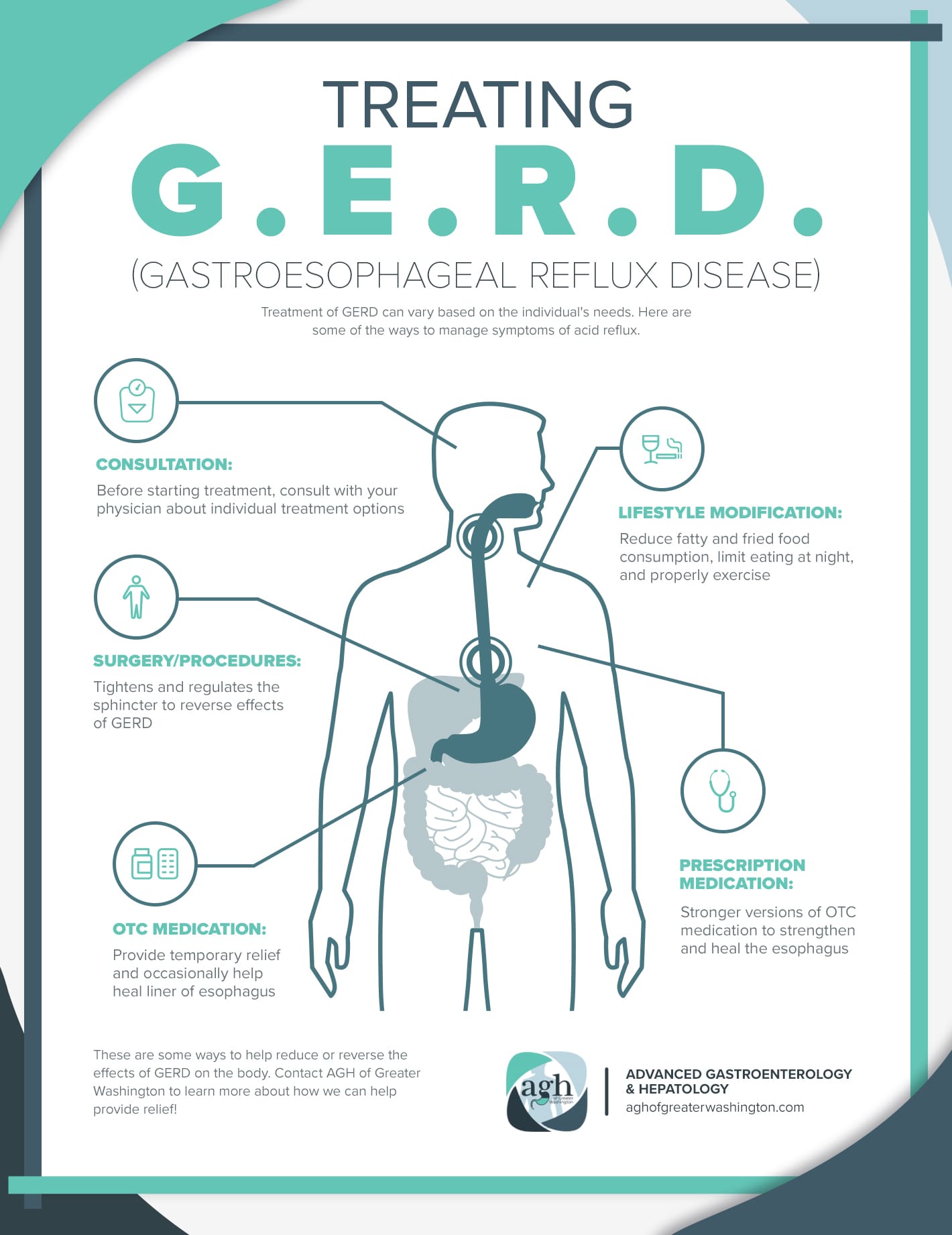
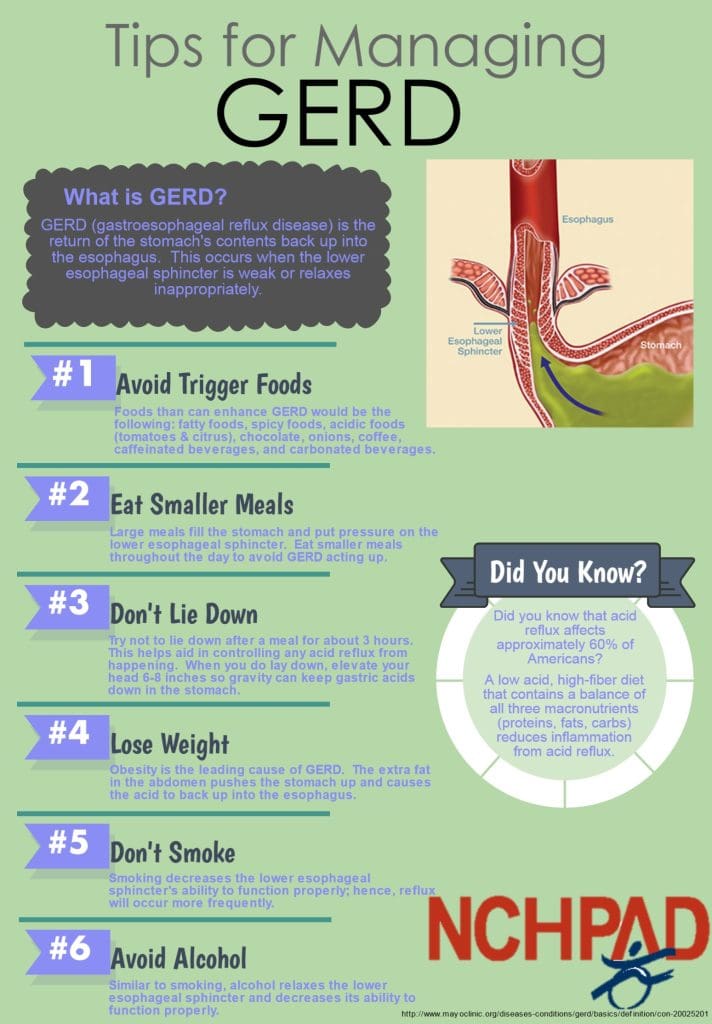
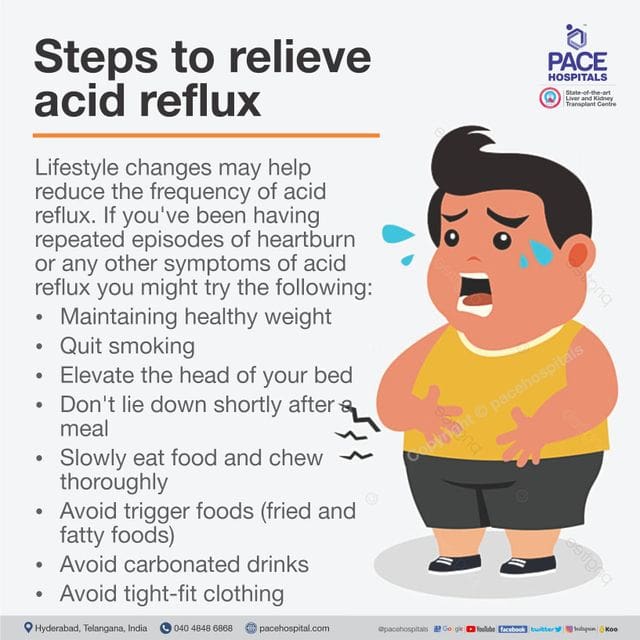
In addition to medical treatments, lifestyle modifications play a crucial role in managing GERD effectively. The following lifestyle changes can help reduce symptoms and promote overall digestive health:
Dietary modifications
Adjusting your diet is an essential part of managing GERD. Some general dietary recommendations include avoiding large meals, eating slowly and mindfully, avoiding trigger foods and beverages, reducing intake of fatty and fried foods, and incorporating more fiber-rich foods into your meals.
Maintaining a healthy weight
Maintaining a healthy weight is important as excess weight can put pressure on the stomach and worsen acid reflux. Regular exercise and a balanced diet can contribute to weight management.
Eating smaller, more frequent meals
Having smaller meals throughout the day, rather than a few large meals, can ease digestion and reduce the risk of acid reflux.
Avoiding lying down or going to bed right after eating
Allowing food to properly digest before lying down can reduce the likelihood of acid reflux. Aim to wait at least two to three hours after eating before going to bed or lying down.
Elevating the head of the bed
Raising the head of your bed by 6-8 inches can help prevent stomach contents from flowing back into the esophagus during sleep.
Avoiding tight-fitting clothing
Wearing tight-fitting clothing, especially around the abdomen, can put pressure on the stomach and promote acid reflux. Opt for looser, more comfortable clothing to alleviate symptoms.
Quitting smoking
Smoking not only weakens the lower esophageal sphincter but also damages the lining of the esophagus. Quitting smoking can significantly improve GERD symptoms and overall health.
Reducing alcohol consumption
Alcohol can relax the lower esophageal sphincter and irritate the esophagus, leading to acid reflux. Limiting or avoiding alcohol consumption can help manage GERD symptoms.
Avoiding trigger foods and beverages
Identifying and avoiding trigger foods and beverages is crucial in managing GERD. Common triggers include spicy foods, fatty foods, citrus fruits, tomatoes, chocolate, coffee, tea, carbonated beverages, and alcohol.
Managing stress
Stress can worsen GERD symptoms and disrupt digestive processes. Engaging in stress-reducing activities such as exercise, meditation, or hobbies can help manage symptoms and promote overall well-being.
What Medications Can Help Manage GERD?
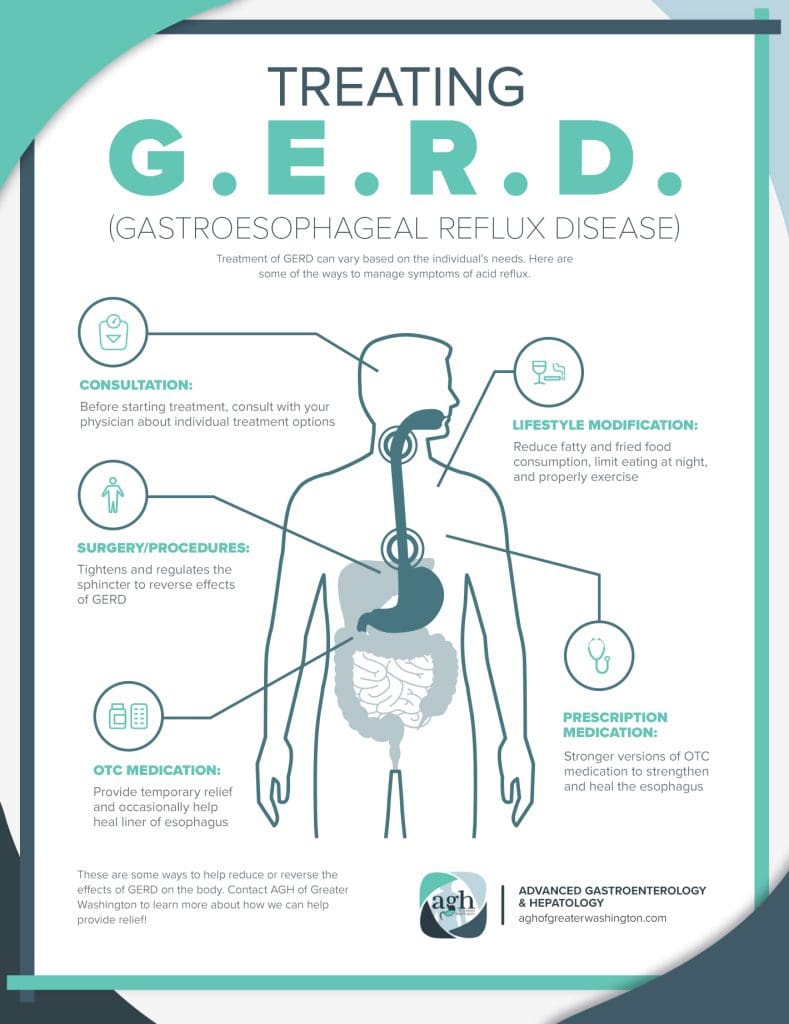
In addition to lifestyle modifications, medications may be prescribed to alleviate GERD symptoms and reduce the production of stomach acid. The following types of medications are commonly used:
Antacids
Antacids work by neutralizing stomach acid and providing fast relief from symptoms such as heartburn. They are available over the counter and may be taken as needed.
H2 blockers
H2 blockers reduce the production of stomach acid by blocking histamine receptors in the stomach. These medications provide longer-lasting relief compared to antacids.
Proton pump inhibitors
Proton pump inhibitors (PPIs) are powerful acid reducers that block the production of stomach acid. They are highly effective in managing GERD symptoms and promoting healing of the esophagus.
Prokinetics
Prokinetics help improve the movement of food through the digestive system, reducing the risk of acid reflux. These medications are often used in combination with other GERD treatments.
Foaming agents
Foaming agents create a foam barrier on top of the stomach contents, preventing acid reflux and protecting the esophagus. They are typically used for mild GERD symptoms.
Alginate drugs
Alginate drugs create a protective barrier in the stomach, preventing acid reflux into the esophagus. They are often used in combination with other medications.
Are there Surgical Options for GERD?
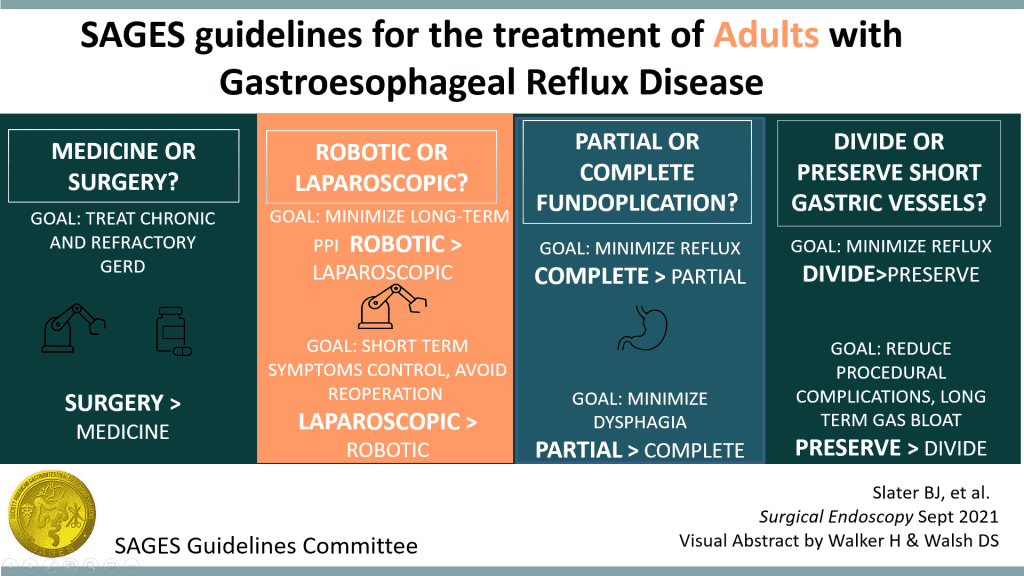
While lifestyle changes and medications often provide effective management for GERD, surgical options may be considered for individuals with severe symptoms or those who do not respond well to other treatments. The following are common surgical options for GERD:
Fundoplication
Fundoplication is a surgical procedure that involves wrapping the upper part of the stomach around the lower esophagus to strengthen the LES and prevent acid reflux. It can be performed using minimally invasive techniques.
LINX device
The LINX device is a magnetic ring that is surgically implanted around the LES. The magnetic attraction between the beads helps keep the LES closed and prevents acid reflux while allowing food to pass through.
Endoscopic therapies
Endoscopic therapies are minimally invasive procedures that use an endoscope to treat GERD. These procedures can include radiofrequency energy, injection of bulking agents, or suturing techniques to strengthen the LES and reduce acid reflux.
What are the Potential Complications of Untreated GERD?
If left untreated, GERD can lead to various complications. It is important to seek treatment to prevent the following complications:
Esophagitis
Untreated GERD can lead to esophagitis, which is inflammation of the esophageal lining. This condition can cause pain, difficulty swallowing, and ulcers in the esophagus.
Esophageal strictures
Repeated exposure to stomach acid can cause scar tissue to form in the esophagus, leading to narrowing and difficulty swallowing. This condition is known as esophageal stricture.
Barrett’s esophagus
In some cases, chronic acid reflux can cause changes in the cells lining the lower esophagus. Over time, these changes can increase the risk of developing Barrett’s esophagus, a precancerous condition.
Respiratory problems
GERD can cause respiratory symptoms such as asthma, chronic cough, and recurrent pneumonia. The reflux of stomach acid into the throat and airways can lead to inflammation and irritation.
Dental problems
The acid from frequent acid reflux can erode tooth enamel, leading to dental problems such as tooth sensitivity, cavities, and tooth loss. Good oral hygiene and regular dental check-ups are important in preventing these complications.
Esophageal cancer (rare)
Although rare, untreated GERD that progresses to Barrett’s esophagus can increase the risk of developing esophageal cancer. Regular monitoring and treatment of GERD can reduce the risk of this complication.
Can GERD be Managed Without Medications?
While medications are often used to manage GERD, there are lifestyle modifications and alternative therapies that can be effective in managing the condition without relying solely on medications. These approaches can be used in combination with medical treatments or in some cases as standalone methods:
Lifestyle modifications
As mentioned earlier, lifestyle modifications such as dietary changes, weight management, elevation of the bed, and stress reduction techniques can significantly reduce GERD symptoms.
Diet changes
Eliminating trigger foods and adopting a diet that is low in fat, low in acid, and high in fiber can help manage GERD symptoms. It is important to work with a healthcare provider or registered dietitian to develop a personalized diet plan.
Weight loss
Losing excess weight can help reduce pressure on the stomach and decrease the risk of acid reflux. Both diet and exercise play crucial roles in successful weight management.
Positioning techniques
Sleeping with the head elevated can prevent acid reflux during sleep. Additionally, avoiding lying down immediately after eating can minimize the likelihood of reflux.
Herbal remedies
Certain herbs and botanicals have been traditionally used to alleviate GERD symptoms. Examples include ginger, chamomile, licorice root, and slippery elm. It is important to consult with a healthcare provider before using herbal remedies, as they may interact with medications or have potential side effects.
Alternative therapies
Alternative therapies such as acupuncture, yoga, and meditation have shown some promise in managing GERD symptoms. These therapies can help reduce stress, improve digestion, and promote overall well-being.
It is important to note that while lifestyle modifications and alternative therapies can provide relief for many GERD sufferers, medical supervision and guidance should always be sought, especially in severe cases or for individuals with underlying health conditions.
When Should I Seek Medical Attention for GERD?
Though many people experience occasional heartburn or acid reflux, there are certain situations where seeking medical attention is important:
Frequent and persistent symptoms
If you experience symptoms of GERD more than twice a week or if they are severe enough to impact your daily life, it is crucial to consult with a healthcare provider. Frequent and persistent symptoms may indicate an underlying issue that requires medical intervention.
Severe chest pain
Chest pain, especially when accompanied by shortness of breath, dizziness, or pain radiating down the arm, can be a sign of a heart condition. It is crucial to seek immediate medical attention if you experience severe chest pain to rule out serious cardiac issues.
Trouble swallowing
If you have difficulty swallowing solid foods, feel like food is getting stuck in your throat, or experience pain when swallowing, it may be an indication of a structural problem or complications related to GERD. Medical evaluation is necessary to identify the underlying cause and develop an appropriate treatment plan.
Unintended weight loss
Unexplained weight loss can be a red flag for a variety of health conditions, including GERD complications. If you are experiencing unintended weight loss along with symptoms of GERD, it is important to consult with a healthcare provider to rule out any serious underlying causes.
Vomiting blood or black, tarry stools
Vomiting blood or passing black, tarry stools can be signs of gastrointestinal bleeding. These symptoms require immediate medical attention, as they can indicate severe damage to the esophagus or stomach lining.
In general, if you have concerns about your GERD symptoms, it is advisable to seek medical advice. Your healthcare provider can assess your symptoms, provide an accurate diagnosis, and recommend appropriate treatment options.
What Can I Do to Prevent GERD?
Prevention is key in managing GERD and preventing its onset. The following tips can help reduce the risk of developing GERD or minimize symptoms:
Maintain a healthy weight
Excess weight, especially around the abdomen, can increase the risk of GERD. Focus on maintaining a healthy weight through a balanced diet and regular exercise.
Eat smaller meals
Large meals can put pressure on the stomach and promote acid reflux. Opt for smaller, more frequent meals to minimize the risk of reflux.
Avoid trigger foods and beverages
Identify and avoid trigger foods and beverages that can aggravate GERD symptoms. These may include fatty and fried foods, spicy foods, citrus fruits, tomatoes, chocolate, caffeine, carbonated beverages, and alcohol.
Limit alcohol consumption
Alcohol can relax the lower esophageal sphincter and irritate the esophagus. Limiting the consumption of alcohol can help prevent GERD symptoms.
Quit smoking
Smoking weakens the lower esophageal sphincter and damages the esophageal lining, contributing to acid reflux. Quitting smoking is essential for managing GERD symptoms and improving overall health.
Avoid lying down after eating
Allow your food to properly digest before lying down or going to bed. Aim to wait at least two to three hours after eating before lying down.
Elevate the head of the bed
Raising the head of your bed by 6-8 inches can help prevent acid reflux during sleep. This can be achieved by using bed risers or placing a wedge-shaped pillow under the mattress.
Manage stress
Stress can exacerbate GERD symptoms. Engage in stress-reducing activities such as exercise, meditation, deep breathing, or hobbies to manage stress levels and promote digestive health.
Take medications only as prescribed
If you have been prescribed medications for GERD, it is important to take them as directed by your healthcare provider. Follow the recommended dosage and duration of treatment to maximize their effectiveness.
By incorporating these preventive measures into your lifestyle, you can reduce the risk of developing GERD and maintain good digestive health. Remember, it is always advisable to seek medical advice to address any concerns or symptoms you may have.