
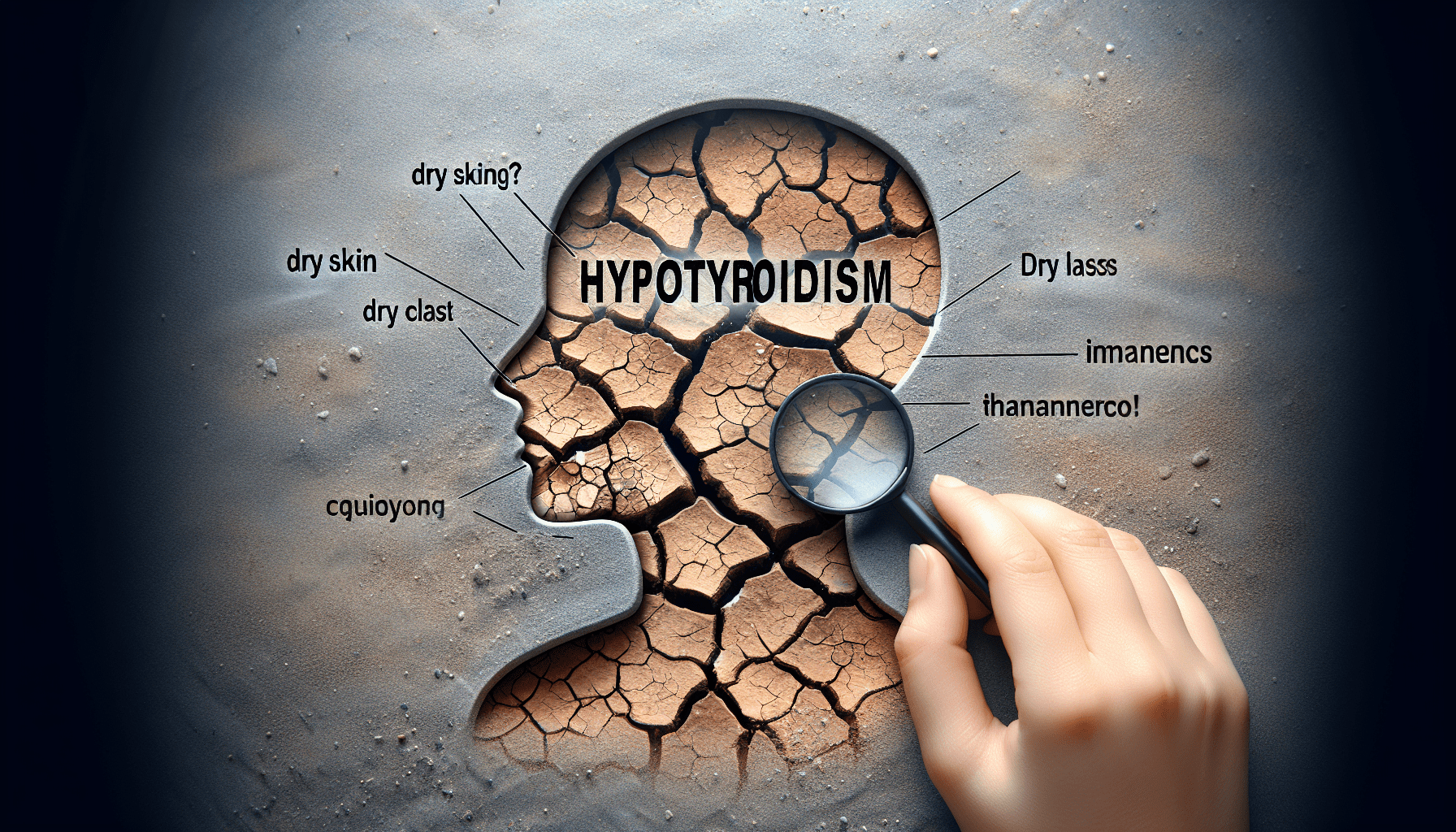
Managing hypothyroidism can be a challenging task, especially when you are faced with a multitude of questions. However, fret not as this article aims to provide you with all the answers you need. Whether you are curious about symptoms, treatment options, or lifestyle changes, we have got you covered. In this comprehensive guide of frequently asked questions, we will delve into the mysteries of hypothyroidism, offering friendly advice to help you navigate this condition with confidence and ease. So sit back, relax, and let us guide you through the ins and outs of managing hypothyroidism.
What is hypothyroidism?
Hypothyroidism is a medical condition where the thyroid gland, located in the front of your neck, does not produce enough thyroid hormones. These hormones are responsible for regulating various bodily functions, including metabolism, growth, and development. When the thyroid doesn’t produce enough hormones, it can lead to a range of symptoms and affect your overall well-being.
Definition of hypothyroidism
Hypothyroidism, also known as an underactive thyroid, occurs when the thyroid gland fails to produce sufficient thyroid hormones. The primary hormone involved is called thyroxine (T4), which plays a crucial role in regulating your body’s metabolism. When there is an imbalance or deficiency in these hormones, it can result in a range of symptoms that vary in severity and duration.
Causes of hypothyroidism
Hypothyroidism can occur due to various factors. The most common cause is an autoimmune condition called Hashimoto’s thyroiditis, where the immune system mistakenly attacks the thyroid gland. Other potential causes include surgical removal of the thyroid gland, radiation therapy, certain medications, iodine deficiency, and congenital hypothyroidism in infants.
Symptoms of hypothyroidism
The symptoms of hypothyroidism can vary from person to person, and they may develop slowly over time. Common signs include fatigue, weight gain, sensitivity to cold, dry skin, hair loss, constipation, muscle weakness, and depression. You may also experience menstrual irregularities, decreased libido, and cognitive issues such as difficulty concentrating or remembering things. It’s important to recognize these symptoms and seek medical attention for proper diagnosis and treatment.
Diagnosing hypothyroidism
If you suspect that you may have hypothyroidism, it is crucial to consult with a healthcare professional for an accurate diagnosis. They will evaluate your symptoms, medical history, and perform specific tests to determine the underlying cause and severity of your condition.
Signs and symptoms to watch for
When discussing your symptoms with a healthcare professional, be sure to mention any fatigue, weight gain, sensitivity to cold, and any other physical or emotional changes you have noticed. Providing detailed information about your symptoms will help the healthcare provider in their diagnostic process.
Diagnostic tests for hypothyroidism
To confirm a diagnosis of hypothyroidism, your healthcare provider may order blood tests to measure the levels of thyroid-stimulating hormone (TSH), T4, and sometimes triiodothyronine (T3) in your bloodstream. These tests provide valuable insights into your thyroid function and can help determine the appropriate treatment.
Interpreting test results
When it comes to interpreting thyroid function test results, healthcare professionals consider a range of factors, including your symptoms, medical history, and the reference values for each test. Elevated TSH levels and low levels of T4 indicate an underactive thyroid. It’s important to work closely with your healthcare provider to understand your test results and create an appropriate treatment plan.
Treatment options for hypothyroidism
Once diagnosed with hypothyroidism, there are various treatment options available to manage the condition effectively and improve your overall quality of life. Treatment usually involves a combination of medication, lifestyle changes, and, in some cases, alternative therapies.
Medication
The most common treatment for hypothyroidism involves medication, such as levothyroxine. Levothyroxine is a synthetic form of the thyroid hormone T4 and is typically taken orally. It works by replenishing the T4 hormone levels in your body, helping to regulate your metabolism and alleviate symptoms. It is important to take the medication as prescribed and follow up with your healthcare provider regularly to monitor its effectiveness.
Lifestyle changes
In addition to medication, making certain lifestyle changes can have a positive impact on managing hypothyroidism. These changes may include adopting a balanced diet, increasing physical activity, managing stress, and ensuring sufficient sleep. Maintaining a healthy lifestyle can support your overall well-being and enhance the effectiveness of your treatment.
Alternative therapies
Some individuals may consider alternative therapies as adjuncts to traditional treatment options. While there is limited scientific evidence to support their effectiveness in treating hypothyroidism, some people find these therapies helpful in managing certain symptoms. Common alternative therapies include the use of supplements and herbal remedies, acupuncture and acupressure, as well as mind-body practices like yoga and meditation. It’s important to consult with your healthcare provider before incorporating any alternative therapies into your treatment plan.
Managing hypothyroidism through medication
The primary medication used to manage hypothyroidism is levothyroxine. This synthetic hormone replacement therapy aims to restore normal thyroid hormone levels in the body and alleviate symptoms associated with an underactive thyroid.
Levothyroxine: the most common medication
Levothyroxine, often prescribed under brand names like Synthroid or Levoxyl, is the standard medication for hypothyroidism treatment. It is chemically identical to the T4 hormone naturally produced by the thyroid gland, allowing it to effectively supplement the deficient hormone levels in your body.
Dosage and frequency of medication
The appropriate dosage of levothyroxine can vary from person to person and is determined based on factors such as your age, weight, overall health, and the severity of your hypothyroidism. Your healthcare provider will carefully evaluate these factors and prescribe the correct dosage for you. It is essential to take the medication as instructed and at the recommended frequency to maintain stable hormone levels in your body.
Monitoring medication effectiveness
After starting levothyroxine treatment, it is essential to regularly monitor the effectiveness of the medication through follow-up appointments with your healthcare provider. They may order periodic blood tests to evaluate your thyroid hormone levels and adjust the dosage if necessary. By closely monitoring your medication’s effectiveness, your healthcare provider can ensure that your treatment is optimized for the best outcome.
Lifestyle changes to support thyroid health
In addition to medication, certain lifestyle changes can significantly contribute to maintaining thyroid health and managing hypothyroidism effectively.
Dietary recommendations for hypothyroidism
A balanced and nutritious diet is crucial for supporting thyroid health. Some dietary recommendations for individuals with hypothyroidism include consuming adequate iodine-rich foods, such as seafood and iodized salt, as iodine is essential for thyroid hormone production. Additionally, incorporating foods rich in selenium, zinc, and vitamin D can also support optimal thyroid function. Consulting with a registered dietitian can provide personalized guidance on a thyroid-friendly diet.
Exercise and physical activity
Regular exercise and physical activity offer numerous benefits for individuals with hypothyroidism. Engaging in aerobic exercises, strength training, and flexibility exercises can help combat fatigue, maintain a healthy weight, and improve overall well-being. However, it’s important to consult with your healthcare provider before starting any exercise regimen to ensure it is suitable for your individual needs.
Stress management techniques
Stress can have a negative impact on thyroid function and overall health. Implementing stress management techniques, such as mindfulness meditation, deep breathing exercises, and engaging in activities you enjoy, can help reduce stress levels and support optimal thyroid function. Consider exploring different stress management techniques to find what works best for you.
Alternative therapies for managing hypothyroidism
While medication and lifestyle changes are the primary treatment options for hypothyroidism, some individuals may find alternative therapies helpful in managing certain symptoms. It’s important to note that alternative therapies should not replace conventional medical treatment but can be used as complementary approaches alongside medication and lifestyle changes.
Supplements and herbal remedies
Certain supplements and herbal remedies are commonly used by individuals with hypothyroidism. While these may not directly treat the underlying cause, they can help manage specific symptoms. Examples include omega-3 fatty acids, selenium supplements, ashwagandha, and guggul. However, it’s crucial to consult with your healthcare provider before incorporating any supplements or herbal remedies into your treatment plan, as they can interact with medications or cause unwanted side effects.
Acupuncture and acupressure
Acupuncture and acupressure are ancient practices originating from Traditional Chinese Medicine. Some individuals find these therapies beneficial for managing symptoms associated with hypothyroidism, such as fatigue, muscle pain, and stress. Acupuncture involves the insertion of thin needles into specific points on the body, while acupressure applies pressure to these points using fingers or hands. It’s important to choose a trained and qualified practitioner if you decide to explore these alternative therapies.
Mind-body practices like yoga and meditation
Mind-body practices, such as yoga and meditation, have gained popularity for their potential benefits on overall well-being. Engaging in regular yoga practice can help reduce stress, improve flexibility, and promote relaxation. Meditation, on the other hand, can enhance mindfulness and alleviate anxiety or depression symptoms. These practices can be integrated into your lifestyle to support both physical and mental well-being.
Addressing specific concerns for women
Hypothyroidism can have unique effects on women’s health, particularly related to fertility, pregnancy, and menopause. Understanding these concerns is essential for women with hypothyroidism to ensure appropriate management and support.
Impact of hypothyroidism on fertility
Hypothyroidism can potentially affect fertility in women. When thyroid hormone levels are imbalanced, it can disrupt ovulation and menstrual cycles. This can make it more challenging for women to conceive. If you are planning to start a family and have concerns about fertility, it’s important to discuss these with your healthcare provider. They can evaluate your hormone levels and provide guidance on managing hypothyroidism while trying to conceive.
Pregnancy considerations
During pregnancy, maintaining stable thyroid hormone levels is crucial for both the mother’s health and the baby’s development. Women with hypothyroidism should work closely with their healthcare provider to adjust medication dosage and monitor thyroid function throughout pregnancy. Regular prenatal check-ups and thyroid function tests are essential to ensure optimal thyroid health for both the mother and the baby.
Effects of hypothyroidism on menopause
Hypothyroidism can complicate symptoms experienced during menopause. The hormonal fluctuations that occur during menopause can interact with the existing thyroid imbalance and exacerbate certain hypothyroidism symptoms. Close communication with your healthcare provider is important during this stage, as they can help manage the transition and adjust treatment as needed.
Managing hypothyroidism in children
Hypothyroidism can also affect children, although it is less common compared to adults. Early detection and appropriate management are crucial for children with hypothyroidism to support their growth and development.
Signs and symptoms in children
In children, hypothyroidism can present with different signs and symptoms than in adults. Common signs include delayed growth, slow development, poor appetite, fatigue, constipation, dry skin, and learning difficulties. If you notice any of these signs in your child, it’s important to consult with a pediatrician or an endocrinologist for proper evaluation and diagnosis.
Treatment options for pediatric hypothyroidism
The treatment approach for pediatric hypothyroidism is similar to that of adults and involves hormone replacement therapy using synthetic thyroid hormones like levothyroxine. However, the dosage and management will be adjusted based on the child’s specific needs and growth parameters. Regular monitoring and follow-up visits are crucial to ensure optimal growth and development.
Long-term management and monitoring
Children with hypothyroidism require long-term management and monitoring throughout their growth and development. Regular check-ups with a healthcare provider and periodic blood tests to assess thyroid function are essential. As children grow and their needs change, medication dosage may need to be adjusted to maintain optimal hormone levels.
Potential complications of untreated hypothyroidism
If left untreated, hypothyroidism can lead to various complications that can affect overall health and quality of life. Recognizing these potential complications is crucial for understanding the importance of proper diagnosis and treatment.
Cardiovascular health risks
Untreated hypothyroidism can increase the risk of cardiovascular problems, such as high blood pressure, high cholesterol, and heart disease. The lack of thyroid hormones can affect the heart’s function, metabolism, and blood flow, potentially leading to serious cardiovascular complications. Proper management of hypothyroidism through medication and lifestyle changes can help mitigate these risks.
Mental health concerns
Hypothyroidism can have a significant impact on mental health, leading to symptoms such as depression, anxiety, poor concentration, and memory problems. These mental health concerns can affect both daily functioning and overall well-being. By addressing hypothyroidism and maintaining stable hormone levels, many individuals experience improvements in their mental health.
Impact on metabolic function
An underactive thyroid can slow down metabolism, making it more difficult to maintain a healthy weight. Weight gain and difficulty losing weight are commonly reported with untreated hypothyroidism. By properly managing hypothyroidism through medication, lifestyle changes, and regular monitoring, individuals can better regulate their metabolism and achieve a healthy weight.
Tips for living well with hypothyroidism
While managing hypothyroidism may require ongoing medical care, there are several proactive steps you can take to live well with the condition and optimize your overall well-being.
Educating yourself about the condition
Understanding hypothyroidism and how it affects your body is crucial for effective management. Educate yourself about the condition, its symptoms, and treatment options. Keep in touch with reputable sources of information, discuss any concerns or questions with your healthcare provider, and stay informed about the latest developments in thyroid health.
Building a support network
Living with hypothyroidism can sometimes be challenging, both physically and emotionally. Building a support network can provide you with a sense of understanding and connection. Seek out support groups, online communities, or talk to friends and family who can offer support and encouragement along your journey.
Taking proactive steps for self-care
Self-care plays an essential role in managing hypothyroidism. Prioritize taking care of your physical and mental well-being by maintaining a healthy lifestyle, getting sufficient rest, managing stress, and engaging in activities that bring you joy. Remember to adhere to your medication regimen, attend regular check-ups, and report any changes in symptoms to your healthcare provider.
In conclusion, hypothyroidism is a condition that requires appropriate diagnosis, treatment, and ongoing management. With the right medical care, lifestyle changes, and support, individuals with hypothyroidism can effectively manage their condition and lead fulfilling lives. Remember to consult with a healthcare professional for personalized advice and guidance on managing hypothyroidism.