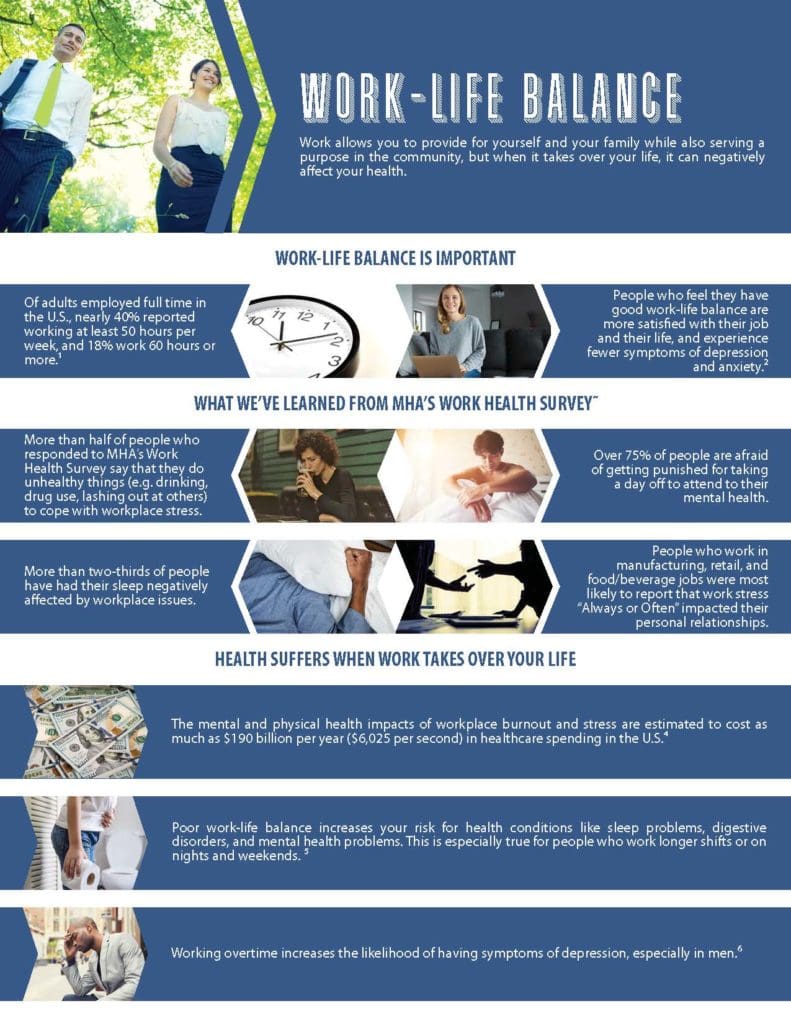
Welcome to a practical guide on finding balance between work and mental health. In today’s fast-paced world, it can be challenging to juggle the responsibilities of work while also taking care of your mental well-being. In this article, you will discover tips and strategies to help you navigate the demands of your job while prioritizing your mental health. From setting boundaries and practicing self-care to seeking support and finding a healthy work-life balance, you will learn how to achieve harmony between your professional and personal life. So grab a cup of tea, sit back, and let’s explore how you can find the perfect balance between work and mental health. Have you been feeling overwhelmed by the demands of your job lately? It’s important to prioritize your mental health while still excelling in your career. Finding the right balance between work and mental well-being is crucial for overall happiness and success. Let’s explore some tips and strategies to help you achieve this delicate equilibrium.

The Impact of Work on Mental Health
Let’s talk about how work can affect your mental well-being. From stress and anxiety to burnout and depression, the workplace can have a significant impact on your mental health. Recognizing the signs and symptoms of work-related mental health issues is the first step toward finding balance.
Signs of Work-Related Stress
Feeling overwhelmed, irritable, or constantly worried about work tasks are common signs of work-related stress. If you find yourself struggling to concentrate, experiencing physical symptoms like headaches or stomach issues, or having trouble sleeping due to work, it’s time to address the issue.
Understanding Burnout
Burnout is a severe form of work-related stress that can lead to emotional exhaustion, cynicism, and a decreased sense of accomplishment. If you’re feeling emotionally drained, mentally exhausted, and detached from your work, you may be experiencing burnout. It’s essential to recognize the symptoms and take action before it worsens.
Dealing with Anxiety and Depression
Anxiety and depression can be triggered or exacerbated by work-related stress. If you’re feeling persistent feelings of sadness, hopelessness, or worthlessness, or experiencing frequent panic attacks or overwhelming anxiety, it’s crucial to seek help. Mental health support and treatment options are available to help you manage these conditions.
Strategies for Maintaining Work-Life Balance
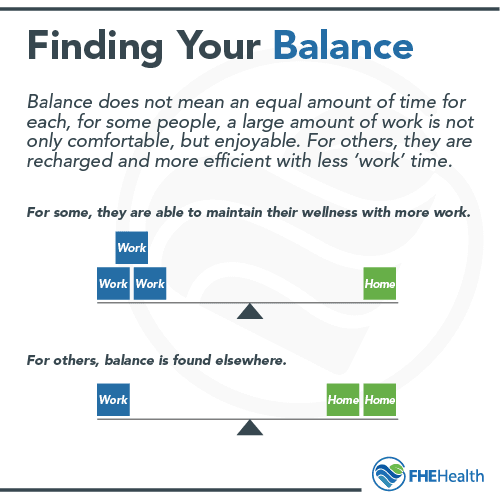
Now that we’ve discussed the impact of work on mental health let’s explore some strategies for maintaining a healthy work-life balance. Incorporating these practices into your daily routine can help you feel more in control, reduce stress, and improve your overall well-being.
Establish Boundaries
Setting boundaries between work and personal life is essential for maintaining balance. Define specific work hours and commit to unplugging from work-related tasks outside of those hours. Communicate your boundaries to colleagues and managers to ensure they respect your personal time.
Take Breaks
It’s essential to take regular breaks throughout your workday to recharge and refocus. Whether it’s a short walk around the office, a quick stretch, or a brief meditation session, incorporating breaks can help prevent burnout and improve your productivity.
Prioritize Self-Care
Investing in self-care activities is crucial for maintaining your mental health. Make time for activities that bring you joy and relaxation, such as exercise, hobbies, or spending time with loved ones. Prioritizing self-care helps you recharge and improves your overall well-being.
Practice Mindfulness
Mindfulness techniques, such as meditation and deep breathing exercises, can help you stay present and reduce stress. Incorporating mindfulness practices into your daily routine can improve your focus, resilience, and emotional well-being. Take a few minutes each day to practice mindfulness and observe the positive impact on your mental health.

Seeking Support and Resources
If you’re struggling to find balance between work and mental health, it’s essential to seek support and utilize available resources. From mental health services to employee assistance programs, several options can help you prioritize your well-being while navigating the demands of your job.
Counseling and Therapy
Professional counseling and therapy can provide you with the support and tools needed to address work-related mental health issues. Therapists and counselors can help you develop coping strategies, improve communication skills, and navigate difficult situations at work. Don’t hesitate to reach out for help if you’re struggling.
Employee Assistance Programs (EAP)
Many workplaces offer EAPs to provide employees with confidential support for personal and work-related issues. EAP services often include counseling, financial assistance, legal guidance, and referrals to mental health professionals. Take advantage of these resources to get the help you need.
Support Groups
Joining a support group for individuals experiencing work-related stress or mental health challenges can provide you with a sense of community and understanding. Connecting with others who share similar experiences can offer valuable insights, encouragement, and emotional support. Explore local or online support groups to find a supportive network.
Conclusion
Finding balance between work and mental health is a continual process that requires self-awareness, self-care, and support. By recognizing the impact of work on your mental well-being, implementing strategies for maintaining balance, and seeking support when needed, you can navigate the challenges of the workplace while prioritizing your mental health. Remember that your well-being is paramount, and taking care of your mental health is essential for long-term success and fulfillment in your career.