
Are you tired of depending on takeout and delivery for your meals? Look no further! This article serves as your go-to guide for cooking healthy meals in the comfort of your own home. It provides simple and practical tips that will help you transform your kitchen into a culinary oasis. With easy-to-follow instructions and tasty recipes, you’ll soon be whipping up delicious and nourishing meals that will leave you feeling satisfied and energized. Say goodbye to unhealthy fast food and hello to a healthier, home-cooked lifestyle!
Meal Planning
Meal planning is an essential step in maintaining a healthy diet. By taking the time to evaluate your dietary needs, you can ensure that you are providing your body with the proper nutrients it requires. Consider factors such as your age, activity level, and any specific dietary restrictions you may have. This will allow you to tailor your meal plan to meet your individual needs.
Once you have assessed your dietary needs, it’s time to research healthy recipes. Look for recipes that incorporate a variety of nutrient-dense ingredients such as lean proteins, whole grains, and plenty of fruits and vegetables. There are countless online resources and cookbooks available that can provide you with inspiration and ideas for delicious and nutritious meals.
With a selection of healthy recipes in hand, the next step is to create a weekly meal plan. This will help you stay organized and ensure that you have all the necessary ingredients on hand throughout the week. Start by deciding which recipes you will prepare for each day, taking into account any leftovers or meals you may eat outside of the home. Creating a schedule will not only save you time and stress but also help you stay on track with your healthy eating goals.
Once you have your meal plan in place, it’s time to make a shopping list. Go through each recipe and write down all the ingredients you will need. Be sure to check your pantry and refrigerator for any items you already have on hand. Organize your list by food categories to make your trip to the grocery store more efficient. Having a pre-prepared list will help you resist the temptation to buy unhealthy snacks or foods that don’t align with your goals.
Healthy Ingredient Selection
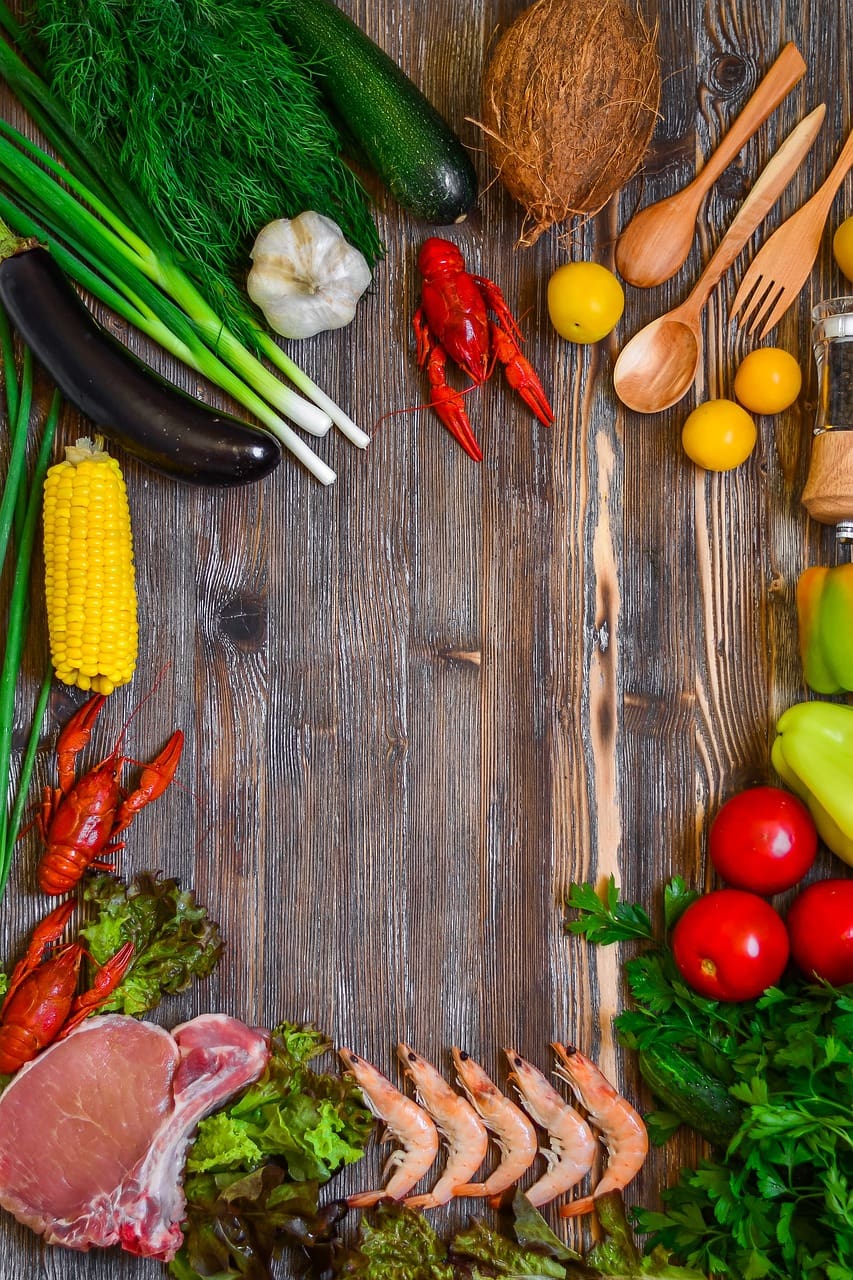
Choosing the right ingredients is key to cooking healthy meals at home. When it comes to proteins, opt for lean options such as skinless chicken breast, turkey, fish, tofu, or legumes. These choices are lower in saturated fats and provide essential nutrients.
Incorporating whole grains into your meals is another important aspect of a healthy diet. Whole grains such as brown rice, quinoa, and whole wheat bread are rich in fiber and provide sustained energy. Avoid refined grains that have been stripped of their nutrients through processing.
When it comes to fruits and vegetables, variety is key. Aim to incorporate a rainbow of colors into your meals to ensure you are getting a wide range of vitamins, minerals, and antioxidants. Experiment with different options and try to include both raw and cooked vegetables for maximum nutritional benefit.
While fats often get a bad reputation, it’s important to include healthy cooking fats in your meals. Options like olive oil, avocado oil, and coconut oil can add flavor and provide essential nutrients. Be mindful of portion sizes as fats are high in calories, but don’t shy away from including them in your diet.
Cooking Techniques
There are several cooking techniques that can help you prepare healthy meals without sacrificing taste. Grilling is a great way to cook lean proteins and vegetables, as it adds a smoky flavor without the need for excessive oil. Baking is another healthy option, especially for dishes that require minimal added fats.
Steaming is a gentle cooking method that helps retain the nutrients in vegetables and proteins. It requires minimal oil and can be done using a steamer basket or even a microwave. Stir-frying is a quick and flavorful way to cook vegetables and proteins using a small amount of oil and high heat.
Boiling is a simple and versatile cooking technique that works well for grains, legumes, and some vegetables. However, be mindful of keeping the cooking time short to prevent nutrient loss. Roasting is a fantastic way to bring out the natural flavors of vegetables and proteins while adding a delicious caramelized crust.
By varying your cooking techniques, you can add diversity and excitement to your meals while keeping them healthy and flavorful.
Portion Control
Portion control is an important aspect of maintaining a healthy diet. It’s all too easy to accidentally overeat, especially when serving sizes in restaurants and packaged foods have increased over the years. Here are some tips to help you maintain proper portion sizes:
Using smaller plates is a simple yet effective way to control portion sizes. When you serve your food on a smaller plate, it tricks your brain into thinking you have a larger portion. This can help you feel more satisfied with less food.
Measuring ingredients accurately is crucial, especially when it comes to calorie-dense foods such as oils, nuts, and grains. Use measuring cups and spoons when cooking or baking to ensure you are adding the right amount of each ingredient.
Avoid second helpings, even if you feel like you’re still hungry. Take a moment to pause and assess if you truly need more food. Often, our bodies haven’t caught up with our brains, and we may already be full without realizing it.
Listening to your body’s hunger and fullness cues is vital. Eat slowly and pay attention to how your body feels throughout the meal. Stop eating when you feel comfortably satisfied, not overly full. It’s essential to respect your body’s signals and eat according to its needs.
By practicing portion control, you can enjoy a wide range of foods while still maintaining a healthy and balanced diet.
Reducing Sodium and Added Sugars
Excess sodium and added sugars can wreak havoc on your health. Here are some strategies to help you reduce your intake of these harmful substances:
Limit the use of salt in your meals. Instead of relying on salt to enhance flavor, experiment with herbs, spices, and other flavorings like citrus juices or vinegar. Over time, your taste buds will adjust, and you’ll appreciate the natural flavors of foods.
Read food labels carefully to identify hidden sources of sodium. Many packaged and processed foods contain high levels of sodium, even if they don’t taste salty. Be mindful of these hidden sources and choose lower-sodium options whenever possible.
Avoid sugary drinks, such as soda and fruit juices. These beverages are often loaded with added sugars and provide empty calories. Opt for water, herbal tea, or flavored water with no added sugars as your primary sources of hydration.
When sweetening foods or beverages, use natural sweeteners in moderation. Options like honey, maple syrup, or stevia can add a touch of sweetness without the unhealthy effects of refined sugars.
By reducing your intake of sodium and added sugars, you can protect your overall health and reduce your risk of developing chronic diseases.
Meal Prepping
Meal prepping is a time-saving strategy that can help you stay on track with your healthy eating goals. Here are some steps to get started with meal prepping:
Prepare ingredients in advance. Wash and chop vegetables, cook grains or proteins, and portion out ingredients ahead of time. By having everything ready to go, you’ll be more likely to follow through with your meal plans.
Cook and store meals for the week. Consider batch-cooking larger quantities of food that can be portioned out and stored in the refrigerator or freezer. This way, you’ll have nutritious meals readily available, even on the busiest days.
Portion meals into individual containers. This prevents overeating and makes it easier to grab a pre-portioned meal when you’re in a hurry. Invest in some reusable containers of various sizes to accommodate different meals and snacks.
Label and freeze leftovers. If you have excess food that won’t be consumed within a few days, portion it out and freeze it for later use. Having a variety of frozen meals on hand ensures that you always have a healthy option available, even if you didn’t have time to meal prep that week.
Meal prepping allows you to take control of your eating habits and ensures that you always have healthy options available, even during busy times.
Balancing Macronutrients
Balancing your macronutrients – protein, carbohydrates, and fats – is important for overall health and wellbeing. Here are some tips to help you achieve a balanced macronutrient intake:
Include adequate amounts of protein in your meals. Protein is essential for muscle repair and growth, as well as for maintaining a healthy metabolism. Lean sources like chicken, fish, tofu, or legumes are great options.
Choose healthy sources of carbohydrates. Opt for complex carbohydrates, such as whole grains, fruits, and vegetables, that provide sustained energy and essential nutrients. Avoid refined carbohydrates that are stripped of their nutrients.
Incorporate beneficial fats into your diet. Healthy fats, found in foods like avocados, nuts, and olive oil, are crucial for brain health and provide a feeling of satiety. Be mindful of portion sizes, as fats are high in calories.
Track your macronutrient intake if necessary. If you have specific dietary goals, such as building muscle or managing blood sugar levels, tracking your macronutrient intake can help you stay on track. There are various apps and online tools available to make this process easier.
By achieving a balance of macronutrients, you’ll have the energy you need to thrive and maintain a healthy lifestyle.
Flavor Boosters
Cooking healthy meals at home doesn’t mean sacrificing flavor. Here are some simple ways to boost the taste of your dishes:
Experiment with herbs and spices to add depth and complexity to your meals. Fresh herbs like basil, cilantro, or thyme can elevate the flavors of your dishes, as can spices like cumin, paprika, or turmeric. Don’t be afraid to try new combinations and find what works for your taste preferences.
Use citrus juices and vinegars for tanginess. A squeeze of lemon or lime juice or a drizzle of balsamic vinegar can brighten up any dish. These acidic ingredients add a refreshing twist and can balance out rich or savory flavors.
Include umami-rich ingredients like mushrooms or miso paste to add a savory depth to your meals. These ingredients can bring a new level of complexity and satisfaction to your dishes.
Try new flavor combinations to keep your taste buds excited. Don’t be afraid to experiment and step outside of your culinary comfort zone. Combine sweet and savory, spicy and tangy, or different cultural flavors to create unique and delicious meals.
By adding flavor boosters to your dishes, you can elevate your meals and make healthy eating enjoyable and exciting.
Kitchen Tools and Gadgets
Having the right tools and gadgets in your kitchen can make meal preparation easier, more efficient, and more enjoyable. Here are some essential items to consider:
Sharp knives are a must for any kitchen. Invest in a good set of knives and keep them sharp to make chopping and slicing a breeze.
Non-stick pans are great for cooking with minimal added fats. Look for high-quality pans with a durable non-stick coating that can withstand high heat.
A food processor or blender can be a versatile tool for creating sauces, dressings, or smoothies. It can also help with chopping, mixing, or pureeing ingredients quickly and efficiently.
A steamer basket is a handy tool for steaming vegetables, fish, or even dumplings. It retains the nutrients in the food and allows for easy and healthy cooking.
Measuring cups and spoons are essential for precise measurements, especially when it comes to baking or following specific recipes. Having a set of both dry and liquid measuring cups will ensure accuracy in your cooking.
By having these kitchen tools and gadgets on hand, you’ll be well-equipped to tackle any recipe and make cooking a breeze.
Storing and Reheating Food
Properly storing and reheating food is crucial for maintaining food safety and quality. Here are some tips to ensure that your food stays fresh and delicious:
Use airtight containers to store leftovers. This helps prevent the growth of bacteria and keeps your food fresh for longer periods. Invest in glass or BPA-free plastic containers that seal tightly.
Refrigerate perishable foods promptly. Bacteria can multiply quickly at room temperature, leading to foodborne illnesses. Be sure to refrigerate any perishable foods within two hours of cooking or purchasing.
Follow proper reheating techniques to retain the flavor and texture of your meals. Use the microwave, stovetop, or oven to reheat food thoroughly before consuming.
Discard spoiled or expired food to avoid foodborne illnesses. Be mindful of expiration dates and signs of spoilage, such as unpleasant odors or mold growth. When in doubt, it’s best to err on the side of caution and dispose of the food.
By practicing proper food storage and reheating techniques, you can enjoy your meals safely and maintain their quality.
Cooking healthy meals at home is an investment in your health and well-being. By evaluating your dietary needs, researching healthy recipes, and creating a weekly meal plan, you can ensure that you are providing your body with the nutrients it needs. Choosing lean proteins, whole grains, and a variety of fruits and vegetables will further enhance the nutritional value of your meals. By utilizing different cooking techniques and portion control strategies, you can create flavorful and balanced meals that support your health goals. With practice and creativity, you can discover new flavor combinations and enjoy the process of cooking healthy meals at home. So gather your kitchen tools, stock up on nutritious ingredients, and embark on a journey of delicious and healthy home cooking.