
Welcome to the ultimate guide to seeking therapy and counseling for men. In a society that often encourages men to suppress their emotions and vulnerability, it is important for men to prioritize their mental health and seek support when needed. This article will explore the benefits of therapy, provide tips on finding the right therapist, and offer advice on how to overcome the stigma associated with seeking help. By the end of this guide, you will feel empowered to take the necessary steps towards improving your well-being and emotional health.
Guide To Seeking Therapy And Counseling For Men
Have you been feeling overwhelmed, stressed, or confused lately? Do you find it challenging to express your emotions or talk about your struggles with others? As a man, seeking therapy and counseling can be a powerful way to address these issues and improve your mental health. In this guide, we will explore the benefits of therapy for men, how to find the right therapist, and what to expect during your sessions. Let’s dive in!

Benefits of Therapy for Men
Therapy and counseling can provide a safe and confidential space for men to explore their emotions, thoughts, and experiences. As men are often socialized to be strong, independent, and stoic, seeking help through therapy can be a courageous act. By working with a therapist, men can gain valuable insight, develop coping skills, and enhance their emotional well-being. In therapy, men can address a variety of issues, including anxiety, depression, relationship problems, trauma, and addiction.
Therapy can also help men improve their communication skills, set boundaries, and develop healthier relationships. By working with a therapist, men can learn to express their emotions in a healthy way, rather than suppressing them. Therapy can also provide men with tools to manage stress, anger, and other intense emotions. Overall, therapy can help men improve their overall quality of life and find greater fulfillment.
Finding the Right Therapist
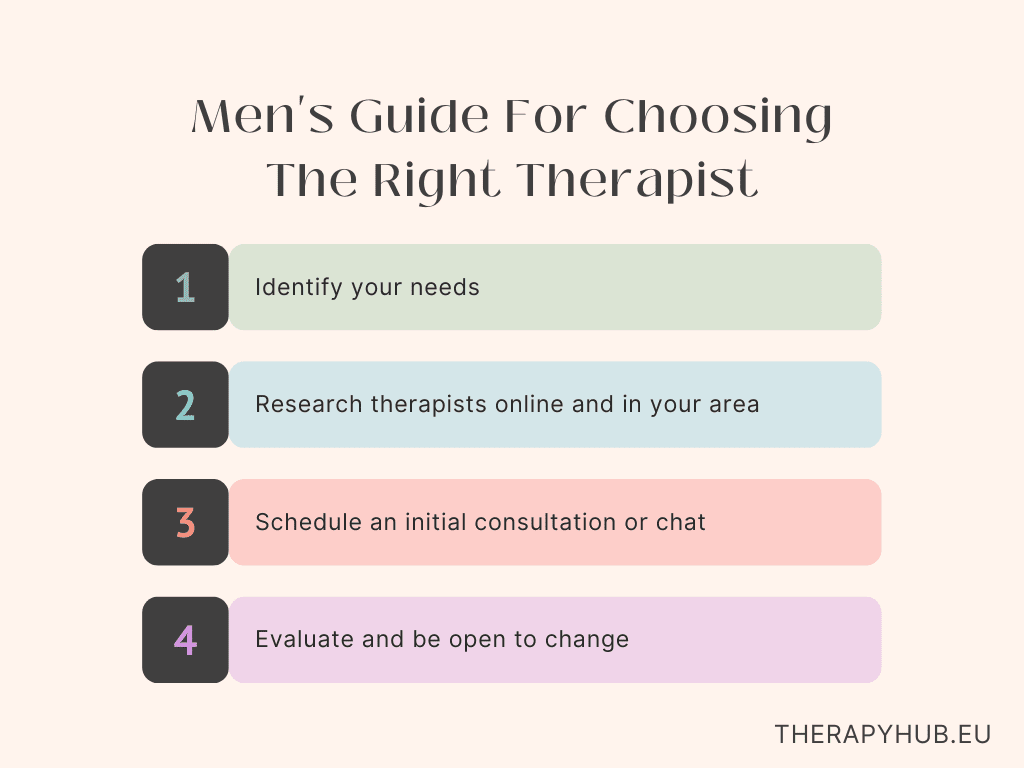
When seeking therapy, it is essential to find the right therapist who is a good fit for you. Start by researching therapists in your area who specialize in men’s issues or the specific concerns you want to address. You can ask for recommendations from friends, family, or your primary care physician. It is also helpful to read therapist profiles online and review their areas of expertise, treatment approaches, and credentials.
When choosing a therapist, consider factors such as their gender, age, cultural background, and therapy style. It is essential to feel comfortable and safe with your therapist, as this will facilitate open and honest communication. You may want to schedule an initial consultation or phone call with a potential therapist to ask questions, discuss your goals for therapy, and determine if you feel a connection with them. Trust your instincts and choose a therapist who respects your boundaries and values.
| Factors to Consider When Choosing a Therapist | Questions to Ask a Potential Therapist |
|---|---|
| Gender and Age | Are you experienced in working with men’s issues? |
| Cultural Background | What therapeutic approaches do you use? |
| Therapy Style | How do you approach confidentiality and privacy? |
What to Expect During Therapy Sessions
Before attending your first therapy session, it is normal to feel nervous or apprehensive. Remember that therapists are trained professionals who are here to support you and guide you through your healing journey. During your first session, your therapist will likely ask you about your reasons for seeking therapy, your personal history, and your goals for treatment. You can expect your therapist to listen actively, validate your experiences, and provide empathy and support.
Therapy sessions typically last 45 to 60 minutes and can take place weekly, biweekly, or monthly, depending on your needs and availability. In therapy, you may engage in various activities, such as talking, journaling, mindfulness exercises, or role-playing. Your therapist may assign homework assignments or recommend resources for you to explore between sessions. Therapy is a collaborative process, so feel free to ask questions, share your feedback, and communicate your preferences with your therapist.
| Tips for Getting the Most out of Therapy | What to Avoid During Therapy |
|---|---|
| Be open and honest | Avoid canceling appointments last minute |
| Stay engaged in the process | Don’t be afraid to ask questions or seek clarification |
| Practice self-care | Try not to give up or get discouraged if progress is slow |
Overcoming Stigma and Stereotypes
As a man, you may have encountered stigma or stereotypes surrounding mental health and therapy. Society often expects men to be strong, emotionless, and self-sufficient, which can make it challenging for men to seek help. However, it is essential to recognize that seeking therapy is a sign of strength, courage, and self-awareness. By prioritizing your mental health and well-being, you are taking an important step toward healing and personal growth.
If you encounter negative attitudes or judgment from others about seeking therapy, remember that your mental health is your top priority. Surround yourself with supportive friends, family members, or peers who understand the value of therapy and can offer encouragement. Remember that therapy is a confidential and private space where you can explore your emotions without fear of judgment. Embrace the opportunity to challenge stereotypes and break free from outdated notions of masculinity.

Types of Therapy Approaches for Men
There are various therapy approaches that can be effective for men, depending on their unique needs and preferences. Some common therapy approaches for men include cognitive-behavioral therapy (CBT), psychodynamic therapy, interpersonal therapy, and mindfulness-based therapy. CBT focuses on identifying and changing negative thought patterns and behaviors, while psychodynamic therapy explores unconscious emotions and conflicts.
Interpersonal therapy focuses on improving communication and relationship skills, which can be beneficial for men who struggle with intimacy or conflicts in their relationships. Mindfulness-based therapy teaches men to be present in the moment, practice self-compassion, and manage stress. Your therapist may incorporate elements of different therapy approaches to create a personalized treatment plan that aligns with your goals and concerns.
| Common Therapy Approaches for Men | Key Concepts and Techniques |
|---|---|
| Cognitive-Behavioral Therapy (CBT) | Identifying and challenging negative thought patterns |
| Psychodynamic Therapy | Exploring unconscious emotions and conflicts |
| Interpersonal Therapy | Improving communication and relationship skills |
| Mindfulness-Based Therapy | Being present in the moment and practicing self-compassion |
Group Therapy and Support Groups for Men
In addition to individual therapy, group therapy and support groups can be beneficial for men seeking connection, community, and shared experiences. Group therapy provides a safe space for men to interact, communicate, and support one another in a supportive environment. In a group setting, men can learn from each other, practice social skills, and receive feedback and encouragement from peers.
Support groups, such as Alcoholics Anonymous (AA), Narcotics Anonymous (NA), or men’s mental health groups, offer men an opportunity to share their struggles, experiences, and successes with others who understand. Support groups can provide validation, empathy, and hope, as well as practical tips and resources for coping with challenges. Group therapy and support groups can also reduce feelings of loneliness, isolation, and shame, as men realize they are not alone in their struggles.
| Benefits of Group Therapy and Support Groups | How to Find Group Therapy Near You |
|---|---|
| Shared experiences and support | Search online for group therapy options in your area |
| Learning from peers and receiving feedback | Ask your therapist for recommendations or referrals |
| Reduced feelings of isolation | Contact local mental health organizations for group therapy options |

Self-Care Practices for Men
In addition to therapy and counseling, self-care practices are essential for men to maintain their mental and emotional well-being. Self-care involves activities and habits that promote relaxation, stress relief, and overall health. As a man, it is crucial to prioritize self-care and make time for activities that nourish your mind, body, and spirit. Self-care practices can include exercise, meditation, journaling, spending time in nature, and engaging in hobbies or creative pursuits.
Regular physical activity, such as walking, running, or weightlifting, can help men manage stress, improve mood, and boost energy levels. Mindfulness practices, such as meditation or deep breathing exercises, can help men stay present, reduce anxiety, and enhance self-awareness. Journaling can be a valuable tool for men to process their thoughts and emotions, gain clarity, and track their progress in therapy. Find self-care practices that resonate with you and integrate them into your daily routine for optimal well-being.
| Self-Care Practices for Men | How to Prioritize Self-Care |
|---|---|
| Exercise regularly | Schedule self-care activities into your calendar |
| Practice mindfulness | Set boundaries and make time for yourself |
| Journaling | Reflect on your emotions and experiences through writing |
When to Seek Help
Knowing when to seek help for mental health concerns is crucial for men to prevent issues from escalating and worsening. If you are experiencing persistent feelings of sadness, anxiety, anger, or hopelessness, it may be time to reach out for professional support. Other signs that you may benefit from therapy include difficulty sleeping, changes in appetite, social withdrawal, irritability, or difficulty concentrating.
If you are struggling with addiction, trauma, relationship problems, or suicidal thoughts, it is essential to seek help immediately. Therapy can provide you with the tools, guidance, and support you need to navigate these challenges and work toward healing. Remember that seeking help is a brave and wise decision that can lead to positive changes and personal growth. You do not have to face your struggles alone—there is support, hope, and healing available to you.

Conclusion
In conclusion, seeking therapy and counseling as a man can be a transformative and healing experience. Therapy can provide you with a safe, confidential space to explore your emotions, thoughts, and experiences, and work towards greater emotional well-being. By finding the right therapist, being open and honest in your sessions, and practicing self-care, you can cultivate a sense of empowerment, resilience, and self-awareness. Remember that therapy is a collaborative process, and your therapist is here to support you on your journey of healing and personal growth. You deserve to prioritize your mental health and well-being—reach out for help today and take the first step towards a brighter tomorrow.