
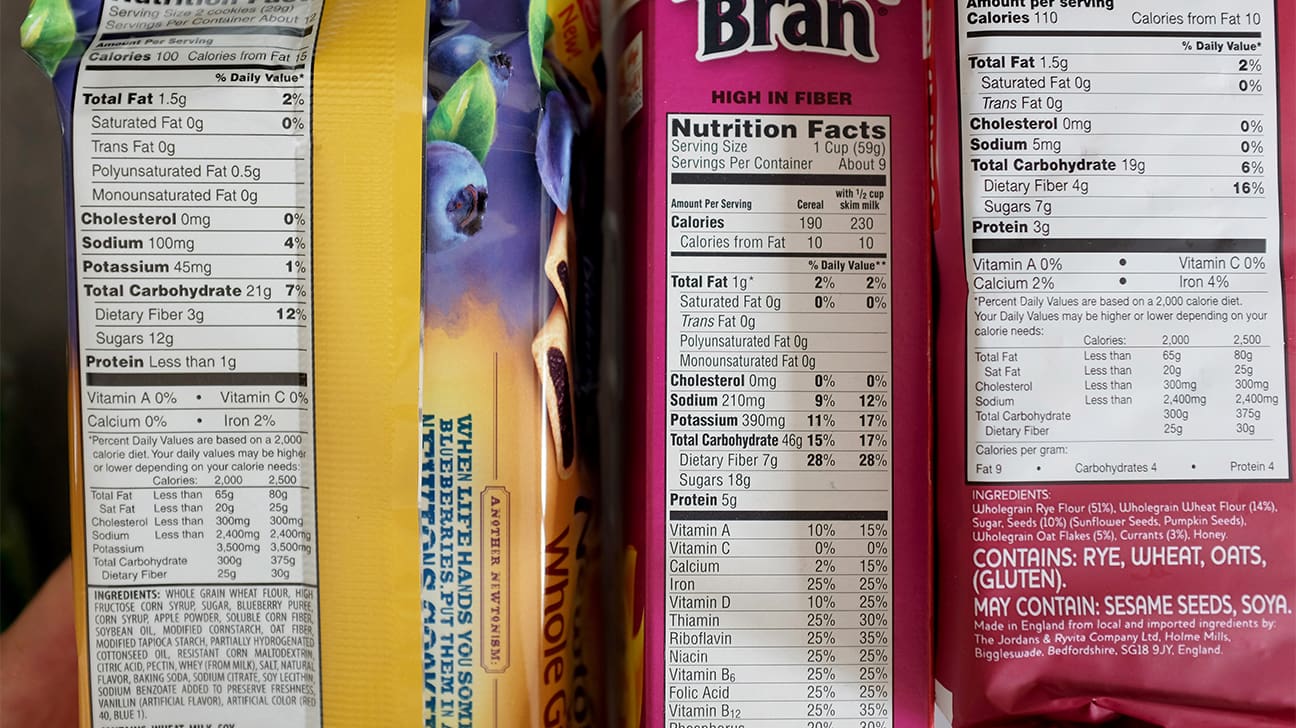
In this article, you will find a comprehensive guide to understanding food labels and ingredients. We will shed light on the often confusing and misleading information that can be found on food packaging, empowering you to make informed choices about the foods you consume. With clear explanations and helpful tips, we aim to demystify the complex world of food labeling, enabling you to navigate the aisles of the supermarket with confidence and make healthier choices for you and your loved ones.
Overview of Food Labels
Food labels play a crucial role in helping you make informed choices about the food you consume. They provide information about the contents and nutritional value of food products, as well as any specific claims and certifications. By understanding food labels, you can gain insight into the ingredients, potential allergens, and health benefits or risks associated with different foods.
Understanding the Purpose of Food Labels
The primary purpose of food labels is to provide consumers with valuable information about the contents of a food product. They help you determine whether the food meets your dietary needs or preferences. Additionally, food labels can assist in making dietary choices for individuals with specific health conditions, such as allergies, diabetes, or high blood pressure.
Legal Requirements for Food Labels
Food labels are subject to legal requirements imposed by regulatory bodies, such as the Food and Drug Administration (FDA) in the United States. These requirements ensure that manufacturers provide accurate and consistent information on food labels, protecting consumers from misleading claims and false advertising. Failure to comply with these laws can result in penalties and legal consequences for the manufacturer.
Types of Food Labels
There are various types of food labels that provide specific information to consumers. Some common types include nutrition labels, ingredient lists, organic and non-GMO labels, allergen and ingredient labels, and labels related to claims and certifications. Each type serves a unique purpose and provides essential information to help you make informed decisions about the food you buy and consume.
Nutritional Information
Serving Size
The serving size on a food label indicates the amount of food typically consumed in one sitting. It is important to understand the serving size because all the information provided on the label is based on this specified amount. By comparing the serving size to the amount you actually consume, you can determine the actual nutritional content of the food you eat.
Calories
Calories are a measure of the energy provided by a food. The number of calories listed on a food label represents the total amount of energy you would obtain by consuming one serving of the food. Understanding the caloric content of a food is crucial, especially if you are managing your weight or have specific dietary requirements.
Nutrients
Food labels provide information on various nutrients, including fats, carbohydrates, proteins, vitamins, and minerals. The amounts of these nutrients are typically listed in grams or milligrams per serving. Pay attention to nutrients you may be trying to limit or increase in your diet, such as saturated fats, sodium, fiber, or vitamin D. This information can help you make healthier choices.
Daily Value
The daily value (DV) percentages on a food label represent the recommended daily intake of nutrients for an average adult consuming a 2,000-calorie diet. These percentages allow you to quickly assess the nutrient content of a food and compare it to your daily nutrient needs. The DV is not personalized, so individual nutrient requirements may vary. However, it serves as a useful guideline for making comparisons between different products.
Percent Daily Value
The percent daily value (%DV) on a food label shows how much of the DV a serving of the food provides. It allows you to determine if a food is high or low in a particular nutrient. According to the FDA, 5% or less is considered low, while 20% or more is considered high. Use the %DV to identify foods that are rich in nutrients that are important to your health.
Ingredient List
Reading and Understanding Ingredient Lists
The ingredient list on a food label provides detailed information about the components of a food product. Ingredients are listed in descending order by weight, with the most prominent ingredient listed first. This means that the first few ingredients make up the majority of the product. By reviewing the ingredient list, you can determine whether a product contains specific ingredients, such as allergens or additives you may want to avoid or include in your diet.
Ingredients to Avoid
Some ingredients are commonly avoided due to their negative health effects, potential allergenicity, or ethical concerns. These ingredients may include high-fructose corn syrup, artificial sweeteners, trans fats, and artificial food colorings. Understanding how to identify these ingredients on a food label can assist you in making healthier choices and avoiding potential risks associated with certain ingredients.
Common Allergens
Food labels also play a critical role in identifying common allergens that may be present in a food product. The FDA requires food manufacturers to list major food allergens, which include milk, eggs, fish, crustacean shellfish, tree nuts, peanuts, wheat, and soy. By carefully reading the ingredient list, you can avoid foods that may cause an allergic reaction or trigger symptoms in individuals with specific allergies.
Organic and Non-GMO Labels
Understanding Organic Food Labels
Organic food labels indicate that a food product has been produced using organic farming practices. Organic farming focuses on sustainable and environmentally friendly methods that avoid the use of synthetic pesticides, fertilizers, and genetically modified organisms (GMOs). When a food is labeled as “organic,” it means that it has met the specific criteria set by a certification body, such as the USDA Organic or the European Union Organic.
Understanding Non-GMO Food Labels
Non-GMO food labels indicate that a product does not contain genetically modified organisms. Genetically modified crops have their DNA altered through genetic engineering techniques, which can have potential implications for health and the environment. Non-GMO labels allow consumers to choose foods that are produced without the use of genetically modified ingredients.
Claims and Certifications
Health Claims
Food labels may include health claims that link a specific nutrient or ingredient to a potential health benefit. These claims are regulated by the FDA to ensure they are backed by scientific evidence and not misleading. Health claims can provide useful information when choosing foods that support specific health goals or address certain conditions, such as heart disease or osteoporosis.
Nutrition Claims
Nutrition claims on food labels highlight specific nutrient content or reduced/restricted ingredients. These claims, such as “low-fat,” “sugar-free,” or “high in fiber,” can help you identify foods that align with your dietary needs or preferences. It’s important to be aware that these claims are subject to specific criteria set by regulatory bodies to ensure accuracy.
Certifications and Seals
Certifications and seals on food labels indicate that a product has met specific standards or requirements established by third-party organizations. Examples include certifications for being organic, gluten-free, or kosher. These certifications offer reassurance to consumers regarding the quality, purity, and adherence to specific standards of the products they purchase.
Food Additives and Preservatives
Common Food Additives
Food additives are substances added to food during processing to enhance flavor, improve texture, increase shelf life, or preserve freshness. Some common food additives include preservatives, artificial sweeteners, flavor enhancers, and colorings. By becoming familiar with common food additives, you can make informed decisions about the foods you consume and their potential impact on your health.
Potential Health Risks
While many food additives are considered safe for consumption, some may have potential health risks for certain individuals or when consumed in excessive amounts. For example, some artificial sweeteners may be associated with adverse effects, and certain preservatives may trigger allergic reactions in sensitive individuals. Understanding potential health risks can help you make choices that align with your health goals and dietary needs.
Natural vs. Synthetic Additives
Food labels often make claims about additives being “natural” or “artificial.” Natural additives are derived from natural sources and are minimally processed, while synthetic additives are chemically created. Although natural additives may seem more desirable, it’s important to understand that not all natural additives are inherently healthier than their synthetic counterparts. The safety and impact on health depend on the specific additive and its intended use.
Allergen and Ingredient Labels
Identifying Allergen Labels
Allergen labels on food packaging provide critical information for individuals with food allergies or intolerances. The FDA requires food manufacturers to clearly state the presence of major food allergens, as previously mentioned. Look for allergen labels to ensure that the food product does not contain ingredients that may cause an allergic reaction or pose a risk to your health.
Cross-Contamination Risks
Cross-contamination can occur when allergenic ingredients come into contact with other food products during processing or handling. This can pose a significant risk to individuals with severe allergies. To minimize the risk of cross-contamination, some manufacturers include precautionary statements on their labels, such as “may contain traces of peanuts” or “produced in a facility that also processes tree nuts.” These statements serve as important warnings for individuals with severe allergies.
Reading Ingredient Labels for Hidden Allergens
Hidden allergens can be challenging to identify, as they may go by different names or be present in unexpected food products. By carefully reading ingredient labels, you can recognize potential hidden allergens. For example, milk proteins can be listed as casein or whey, while wheat may be referred to as semolina or durum. Being aware of alternative names for allergenic ingredients can help you avoid accidental consumption.
Understanding Food Labeling Claims
Terms like ‘Natural’ and ‘Homemade’
Food labels often use terms like “natural” or “homemade” to create a perception of healthier or higher quality products. However, these terms can be misleading as there are no standardized definitions or regulations for their use. The term “natural” may still include ingredients that have been processed or chemically altered. Similarly, “homemade” claims may not always reflect the true origin or quality of the product. It’s important to critically evaluate these claims and consider other aspects of the food label before making a decision.
Understanding ‘Low-Fat’ and ‘Sugar-Free’
Claims such as “low-fat” or “sugar-free” can be helpful when managing specific dietary goals or health conditions. However, it’s essential to understand that these claims refer to the specific nutrient being highlighted and do not necessarily mean that the food is healthy overall. A food labeled “low-fat” may still be high in sugar or sodium. It’s important to consider the complete nutritional profile of a food before making a decision based solely on these claims.
Misleading Claims on Packaging
Food manufacturers sometimes use misleading claims on packaging to attract attention or misrepresent the actual contents or health benefits of a product. Claims such as “all-natural,” “superfood,” or “fat-free” may give the impression of a healthier option but can be deceptive. It’s crucial to be cautious and thoroughly read the entire label to ensure you are making an informed choice based on accurate information.
Read Between the Lines
Understanding Marketing Buzzwords
Food labels often feature marketing buzzwords and phrases that may make a product seem healthier or more desirable. Terms like “superfoods,” “wholesome,” or “free-range” are examples of buzzwords that catch consumers’ attention. However, it’s important to look beyond these marketing tactics and focus on the actual ingredients, nutritional content, and certifications to make informed decisions about the foods you consume.
Spotting Hidden Sugars and Fats
Food labels can provide valuable insight into the sugar and fat content of a product. However, it’s essential to be aware that sugars and fats can go by many different names, making it difficult to spot them easily on the label. Look for ingredients like high-fructose corn syrup, maltose, palm oil, or hydrogenated oils, as these can be sources of hidden sugars or unhealthy fats. By recognizing these ingredients, you can better manage your overall sugar and fat intake.
Deciphering Serving Sizes
Understanding serving sizes is crucial for accurately assessing the nutritional content of a food product. Many packaged foods contain multiple servings, and the nutritional information provided on the label is based on one serving size. Pay attention to the number of servings per container and adjust the nutritional information accordingly to reflect your actual consumption. This will help you make more accurate assessments of the nutrient content in the food you consume.
Making Informed Choices
Prioritizing Nutrient Density
When evaluating food labels, prioritize nutrient-dense foods that provide a high concentration of essential vitamins, minerals, and beneficial compounds. Look for foods that are rich in fiber, vitamins, and minerals while keeping unhealthy fats, sodium, and added sugars to a minimum. By choosing nutrient-dense foods, you can ensure that the calories you consume are packed with the necessary nutrients for optimal health.
Choosing Whole Foods
Whole foods, such as fruits, vegetables, whole grains, and lean proteins, are minimally processed and contain a variety of nutrients. These foods often have simple ingredient lists and do not contain artificial additives or preservatives. Incorporating more whole foods into your diet can help you improve the quality of your nutrition and reduce the intake of potentially harmful ingredients.
Avoiding Chemical Additives
While not all chemical additives are harmful, some individuals prefer to avoid them due to personal preferences or concerns about potential health risks. By reviewing ingredient lists and understanding common food additives, you can make informed choices about the products you purchase. Opting for foods with minimal or no additives can help you reduce the potential impact of these substances on your health.
In conclusion, understanding food labels is essential for making informed choices about the food you consume. By familiarizing yourself with the purpose of food labels, legal requirements, and different types of food labels, you can navigate through nutritional information, ingredient lists, organic and non-GMO labels, claims and certifications, food additives and preservatives, allergen and ingredient labels, and labeling claims. By reading between the lines and deciphering marketing buzzwords, hidden sugars and fats, and serving sizes, you can ensure you are making informed decisions about the foods you choose. Prioritize nutrient density, choose whole foods, and avoid chemical additives to create a healthier and more mindful approach to your diet. With this comprehensive understanding of food labels, you are empowered to take control of your nutrition and make choices that align with your health goals and preferences.