
Imagine if you could regain control over your emotional well-being and find healing from the traumas that have held you back. In this article, we will explore a range of powerful strategies specifically tailored for women’s well-being to help you navigate through the complexities of emotional trauma. From self-care practices to seeking support, we will delve into practical techniques that can empower you on your journey towards healing and personal growth. Join us as we uncover effective ways to restore your emotional balance and reclaim your sense of happiness and fulfillment.

1. Seeking Professional Help
Finding a Therapist
Seeking professional help is an important step towards healing from emotional trauma. It can be overwhelming to navigate the process of finding a therapist, but there are resources available to assist you. You can start by asking your primary care physician for recommendations or seeking referrals from trusted friends and family members. It’s crucial to find a therapist who specializes in trauma and has experience working with women. This ensures that you receive the appropriate support and guidance tailored to your specific needs.
Attending Therapy Sessions
Attending therapy sessions is a key part of the healing process. It provides a safe space where you can openly express your feelings and experiences without judgment. Your therapist will help you explore your emotions, identify patterns, and develop coping strategies. It’s important to commit to regular therapy sessions and be open to the process, even if it feels challenging at times. Remember, healing takes time and progress may not happen overnight.
Exploring Different Therapeutic Approaches
There are various therapeutic approaches that can be effective in healing from emotional trauma. Some common approaches include cognitive-behavioral therapy (CBT), Eye Movement Desensitization and Reprocessing (EMDR), and psychodynamic therapy. It may be helpful to discuss these options with your therapist and decide on the best approach for you. Each person’s healing journey is unique, and what works for one person may not work for another. Being open to exploring different therapeutic approaches can lead to finding the one that resonates most with you and supports your healing process.
2. Building a Supportive Network
Seeking Support from Friends and Family
Building a supportive network is crucial for women healing from emotional trauma. Reach out to trusted friends and family members who can provide comfort and understanding. Share your experiences with them and let them know how they can support you. Sometimes, loved ones may not fully comprehend the impact of trauma, so it’s important to communicate your needs clearly. Their love and support can create a sense of belonging and validation, reminding you that you are not alone in your healing journey.
Joining Support Groups
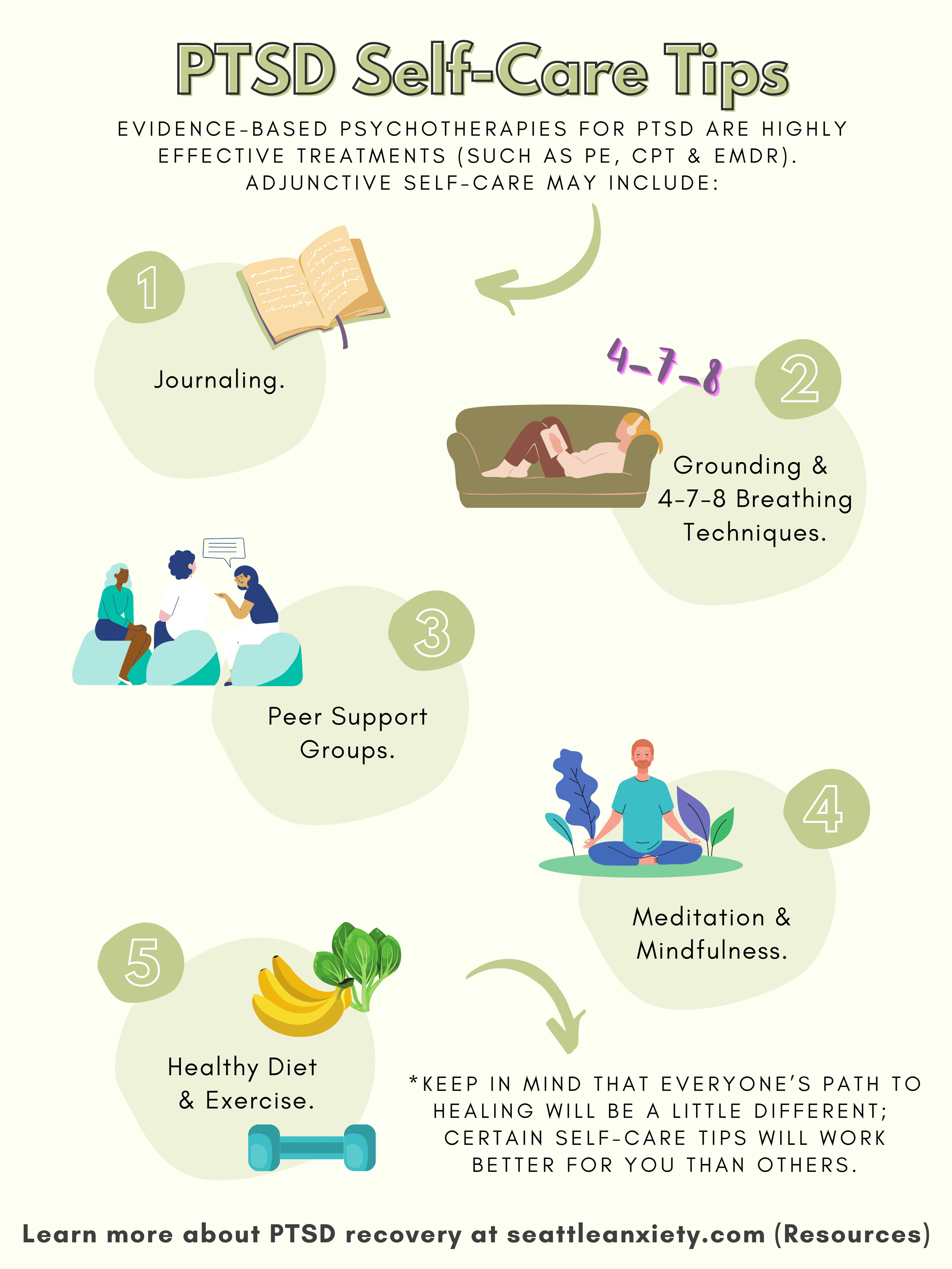
Joining support groups can be incredibly beneficial for women healing from emotional trauma. These groups provide a safe and empathetic environment where you can connect with others who have had similar experiences. Hearing others’ stories and sharing your own can help alleviate feelings of isolation and provide a sense of validation. Support groups also offer opportunities to learn from others’ coping strategies and gain valuable insights into your healing process.
Engaging in Online Communities
In today’s digital age, online communities have become valuable sources of support and connection. Look for online forums, chat groups, or social media communities that focus on healing from emotional trauma. These online spaces provide a platform to connect with individuals from all over the world who are going through similar experiences. Engaging in online communities allows you to share your thoughts, seek advice, and receive support from others who understand your journey.
3. Practicing Self-Care
Engaging in Regular Exercise
Engaging in regular exercise is an essential component of self-care for women healing from emotional trauma. Physical activity releases endorphins, which are natural mood boosters. It can help reduce symptoms of anxiety and depression that often accompany emotional trauma. Find activities that you enjoy, whether it’s going for a walk, practicing yoga, or taking dance classes. Not only will exercise benefit your mental and emotional well-being, but it will also improve your overall physical health.
Prioritizing Sleep and Rest
Sleep and rest are crucial for allowing your body and mind to heal from emotional trauma. Prioritize quality sleep by establishing a consistent sleep routine and creating a relaxing bedtime environment. Practice good sleep hygiene by avoiding screens before bed, creating a comfortable sleep environment, and managing stress levels. Remember, your body and mind need sufficient rest to restore and rejuvenate.
Nurturing Hobbies and Interests
Engaging in hobbies and interests is a wonderful way to practice self-care and promote healing. Rediscover activities that bring you joy and tap into your creativity. Whether it’s painting, playing an instrument, gardening, or writing, find activities that allow you to express yourself and provide a sense of fulfillment. These hobbies not only serve as a distraction from emotional trauma but also promote self-discovery and personal growth.
4. Embracing Mindfulness Techniques
Practicing Meditation and Deep Breathing
Mindfulness techniques such as meditation and deep breathing can cultivate a sense of inner calm and peace. Meditation involves focusing your attention on the present moment, allowing you to observe your thoughts and emotions without judgment. Deep breathing exercises can help you regulate your breathing, activate the relaxation response, and reduce symptoms of anxiety and stress. Making mindfulness practices a part of your daily routine can support your emotional healing and enhance your overall well-being.
Engaging in Yoga or Tai Chi
The practice of yoga or tai chi combines movement, breathwork, and mindfulness, making it an excellent tool for healing from emotional trauma. These mind-body practices promote physical strength, flexibility, and balance while also fostering a sense of inner harmony and peace. Engaging in yoga or tai chi can help release tension held in the body, reduce anxiety, and improve overall mental well-being. Find local classes or online resources to get started on incorporating these practices into your healing journey.
Using Guided Imagery or Visualization
Guided imagery or visualization techniques can be effective in healing from emotional trauma. These techniques involve creating mental images that promote relaxation, healing, and positive change. Guided imagery can be done by listening to recorded scripts that guide you through visualizations. Visualization exercises allow you to imagine yourself in a safe and peaceful environment, visualize desired outcomes, and engage your senses in a positive and healing way. These techniques can help you tap into your inner resources and cultivate a sense of empowerment during your healing process.

5. Expressive Writing and Art Therapy
Writing in a Journal
Expressive writing in a journal is a powerful tool for healing from emotional trauma. It provides an outlet for expressing your thoughts, feelings, and emotions in a safe and private space. The act of writing can help you process and make sense of your experiences, gain new insights, and release pent-up emotions. Set aside regular time for journaling and allow yourself to write freely without worrying about grammar or structure. The process of putting your thoughts and feelings on paper can be cathartic and promote self-reflection.
Creating Artwork or Collages
Art therapy can be a transformative practice for women healing from emotional trauma. Engaging in different artistic mediums, such as painting, drawing, or sculpting, allows you to express yourself and explore your emotions in a non-verbal way. Artwork created during the healing process can serve as a visual representation of your journey and a tangible reminder of your strength and resilience. Collage-making, in particular, can be therapeutic as it involves the combination of various images and materials to convey your emotions and experiences.
Participating in Creative Workshops
Participating in creative workshops provides an opportunity to explore different art forms and connect with other individuals on a healing journey. Look for workshops that focus on expressive writing, painting, ceramics, or any other creative medium that resonates with you. These workshops often provide a supportive and non-judgmental space where you can express yourself, learn new techniques, and gain inspiration. Engaging in creative activities alongside others can foster a sense of community and shared healing experiences.
6. Building Emotional Resilience
Engaging in Positive Affirmations
Positive affirmations can help reframe negative thought patterns and cultivate a more positive mindset. Practice repeating positive affirmations to yourself daily, such as “I am deserving of love and healing” or “I am strong and capable of overcoming challenges.” These affirmations can serve as gentle reminders of your worth and help counteract negative self-talk that may be a result of emotional trauma. Eventually, these positive affirmations can become ingrained in your daily thoughts and strengthen your emotional resilience.
Challenging Negative Thoughts and Beliefs
It’s common to develop negative thoughts and beliefs about oneself and the world after experiencing emotional trauma. Challenging these negative thoughts is essential for healing. Begin by noticing when negative thoughts arise and question their validity. Ask yourself if there is evidence to support these thoughts or if they are based on assumptions or past experiences. Replace negative thoughts with more realistic and empowering ones. This process takes time and practice, but over time, challenging negative thoughts can help reshape your beliefs and promote emotional well-being.
Developing Coping Strategies
In the journey of healing from emotional trauma, developing coping strategies is crucial for managing difficult emotions and triggers. Identify healthy coping mechanisms that work for you, such as deep breathing exercises, grounding techniques, or engaging in creative activities. These coping strategies provide a sense of control and empowerment, allowing you to navigate emotional triggers more effectively. Experiment with different techniques and find what works best for you, and don’t hesitate to seek guidance from your therapist or support network.

7. Seeking Closure and Forgiveness
Processing Grief and Loss
Emotional trauma often involves experiences of grief and loss. Take the time to process these emotions and allow yourself to grieve. This may involve seeking therapeutic support, engaging in grief counseling, or joining grief support groups. Understand that the healing process is not linear, and it’s okay to experience ups and downs. Processing grief and loss is an essential step towards finding closure and moving forward with your healing journey.
Practicing Forgiveness for Healing
Forgiveness can be a powerful tool for emotional healing. It involves letting go of resentment, anger, and blame and choosing to release negative emotions tied to past experiences. Forgiveness does not mean condoning the actions or behaviors that caused the trauma; rather, it is a personal choice to free yourself from the burden of carrying negativity. Forgiveness can promote inner peace and emotional well-being. It’s important to remember that forgiveness is a process, and it may require therapeutic support or self-reflection to fully achieve.
Letting Go of Resentment
Holding onto resentment towards oneself or others can hinder the healing process. Allow yourself to let go of resentment and focus on your own well-being. Recognize that harboring resentment only perpetuates negative emotions and does not serve your healing journey. Practice self-compassion and remind yourself that you deserve to experience healing, happiness, and inner peace. Letting go of resentment is an act of self-care and an important step towards emotional growth and well-being.
8. Exploring Body-Mind Connection
Engaging in Body-Based Therapies (e.g., Massage, Acupuncture)
Body-based therapies can be effective in healing from emotional trauma by addressing both physical and emotional aspects of well-being. Consider incorporating therapies such as massage, acupuncture, or chiropractic care into your healing journey. These practices can help release physical tension, promote relaxation, and support overall emotional well-being. Consult with professionals in these fields to discuss your specific needs and find the right approach for you.
Practicing Yoga or Pilates for Mind-Body Integration
Yoga and Pilates are mind-body practices that combine physical movement, breathwork, and mindfulness. Engaging in these practices can promote the integration of body and mind, helping you reconnect with your physical self and cultivate a sense of inner calm. Both yoga and Pilates focus on mindful movement, strength-building, and flexibility, enhancing both physical and emotional well-being. Find local classes, online resources, or instructional videos that cater to individuals healing from emotional trauma.
Using Breathwork to Release Tension
Breathwork, or intentional control of your breath, can be a powerful tool for releasing tension and promoting emotional healing. Deep breathing exercises, such as diaphragmatic breathing or alternate nostril breathing, can activate the body’s relaxation response and reduce symptoms of anxiety and stress. Practicing breathwork regularly can help regulate emotions, increase awareness of the body, and promote a sense of calm and relaxation. Incorporate breathwork into your daily routine or practice it whenever you feel overwhelmed or triggered.

9. Creating a Safe and Nurturing Environment
Establishing Boundaries and Assertiveness
Creating a safe and nurturing environment starts with establishing healthy boundaries and practicing assertiveness. Clearly communicate your needs, wants, and limits to others. Understand that it’s okay to say no and prioritize your well-being. Surround yourself with individuals who respect and support your boundaries. Establishing and maintaining healthy boundaries allows you to feel safe, respected, and in control of your environment, contributing positively to your healing journey.
Surrounding Yourself with Positive Influences
The environment you surround yourself with greatly influences your emotional well-being. Seek out individuals who uplift and inspire you. Surround yourself with positive influences, whether it’s friends, family, or mentors who support your healing journey. Engage in activities that bring you joy, connect you with nature, or promote personal growth. By deliberately choosing positive influences, you create an environment that nurtures your emotional well-being and supports your healing process.
Eliminating Toxic Relationships
Healing from emotional trauma involves recognizing and addressing toxic relationships. Assess your relationships and identify those that are toxic or harmful to your well-being. It may be necessary to distance yourself from individuals who continually bring negativity into your life or trigger your trauma. Ending toxic relationships allows you to create space for healthier connections. Surrounding yourself with individuals who respect, support, and uplift you is essential for your emotional healing.
10. Continuing Education and Personal Growth
Pursuing Educational Opportunities
Continuing education can be a valuable tool for personal growth and healing. Consider pursuing educational opportunities that align with your interests and goals. This could include taking courses, attending workshops, or pursuing a degree or certification program. Engaging in education stimulates your mind, provides new perspectives, and fosters personal growth and empowerment. The process of learning and expanding your knowledge can be a transformative part of your healing journey.
Attending Workshops and Seminars
Attending workshops and seminars related to emotional healing and personal growth can provide valuable insights and tools for your journey. These events often bring together experts in the field, who share their knowledge and experiences with attendees. Look for workshops and seminars that focus on topics such as trauma recovery, self-compassion, resilience, and mindfulness. Engaging in these events not only enhances your understanding but also connects you with a community of individuals who are on similar paths of healing.
Seeking Personal Development Resources
Explore personal development resources such as books, podcasts, and online courses. These resources offer valuable insights, techniques, and strategies for healing and personal growth. Look for titles and formats that resonate with you, addressing topics related to emotional trauma, resilience, self-care, and self-empowerment. Engaging with personal development resources allows you to continue learning and growing on your healing journey, even outside of therapy sessions or formal education.
In conclusion, healing from emotional trauma is a deeply personal and transformative process. It requires a holistic approach that addresses the mind, body, and spirit. By seeking professional help, building a supportive network, practicing self-care, embracing mindfulness techniques, engaging in expressive writing and art therapy, building emotional resilience, seeking closure and forgiveness, exploring the body-mind connection, creating a safe and nurturing environment, and continuing education and personal growth, women can embark on a healing journey that promotes their well-being and empowers them to reclaim their lives. Remember, healing takes time and effort, but with patience, self-compassion, and the right resources, you can overcome emotional trauma and find a path to a brighter and more fulfilling future.