

As you journey through life, maintaining strong bones and muscles becomes increasingly important for overall health and well-being. In this article, we will explore the significance of healthy aging and the steps you can take to build and maintain strong bones and muscles. From engaging in regular exercise to incorporating a well-balanced diet, we will uncover practical tips and strategies to help you age gracefully and stay physically strong. So, let’s embark on this informative journey together and discover the secrets to achieving healthy aging!
Importance of Bone and Muscle Health
Understanding the Role of Bones and Muscles in Healthy Aging
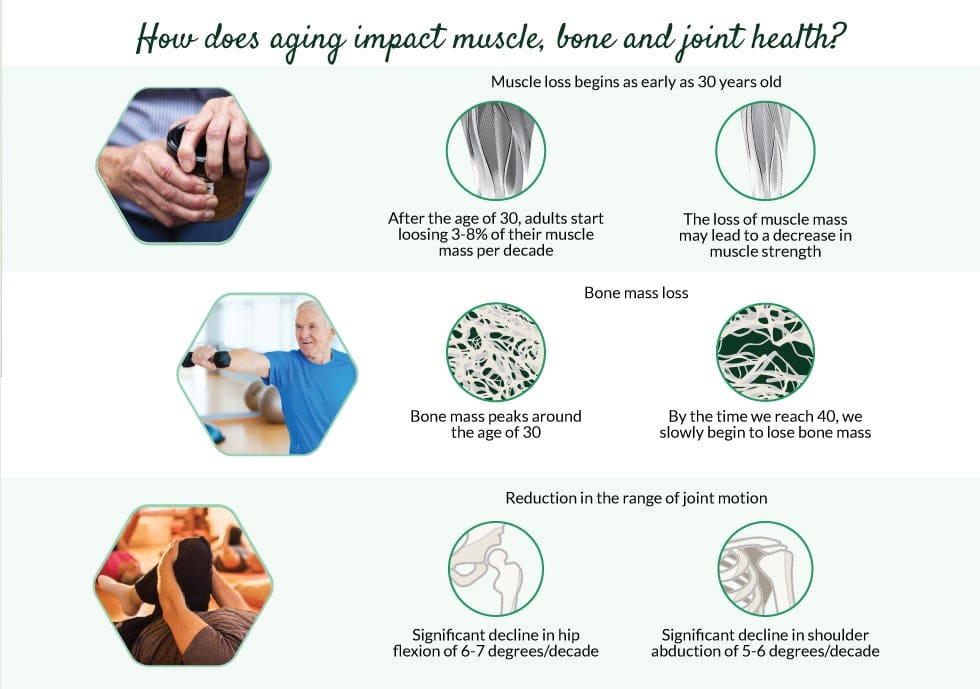
As you age, it becomes increasingly important to pay attention to your bone and muscle health. Bones and muscles play crucial roles in maintaining overall health and mobility, especially as you grow older. Bones provide the structural framework for your body, protect vital organs, and store essential minerals such as calcium and phosphorus. On the other hand, muscles enable movement, support joint stability, and help maintain good posture. Understanding the significance of bones and muscles in healthy aging is the first step towards taking proactive measures to maintain their health.
How Aging Affects Bones and Muscles
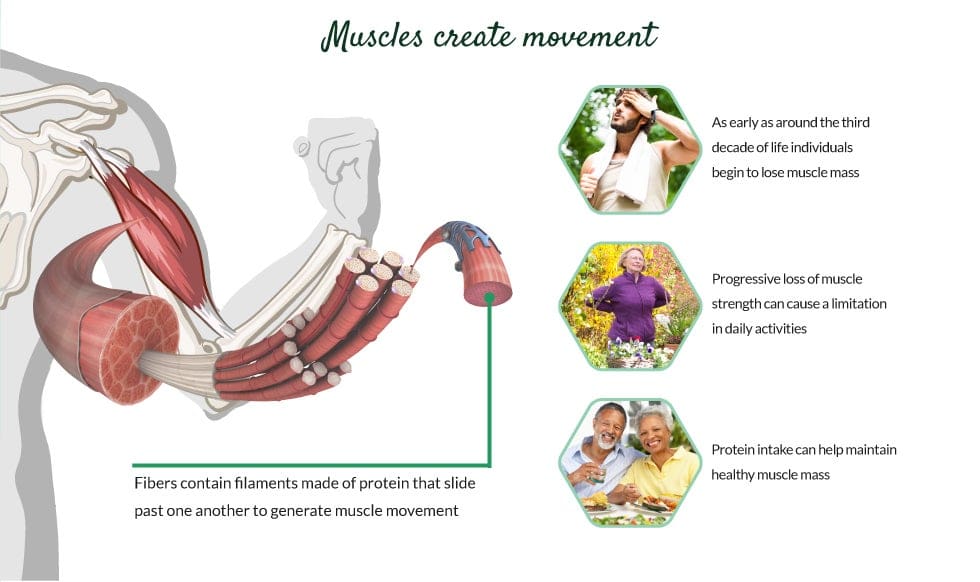
Aging inevitably brings about changes in bone density and muscle mass. With advancing age, your bones become more porous and lose their density, which can increase the risk of fractures and osteoporosis. The gradual loss of muscle mass, known as sarcopenia, can result in weakened muscles and reduced strength, making daily activities more challenging. Additionally, the natural wear and tear on your joints can lead to discomfort and hinder mobility. It is essential to be aware of these age-related changes and take steps to mitigate their impact on your bone and muscle health.
The Consequences of Weak Bones and Muscles in Aging
Weak bones and muscles can have serious consequences for your overall health and quality of life as you age. Fragile bones are more susceptible to fractures, particularly in the hips, spine, and wrists, which can lead to immobility and chronic pain. Muscle weakness can make it difficult to perform everyday tasks such as walking, climbing stairs, or carrying groceries. Additionally, weakened muscles can compromise balance and increase the risk of falls, which can result in injuries that are more severe in older adults. It is crucial to address and prevent these consequences through proactive measures to maintain bone and muscle health.
Maintaining Bone and Muscle Health through Nutrition
Essential Nutrients for Bone Health
Proper nutrition plays a vital role in maintaining bone and muscle health as you age. To keep your bones strong and resilient, it is important to include essential nutrients in your diet. Calcium, phosphorus, and magnesium are key minerals that contribute to bone health. Additionally, vitamins such as vitamin D, vitamin K, and vitamin C play important roles in bone formation and maintenance. By ensuring an adequate intake of these nutrients, you can support your bones’ strength and reduce the risk of bone-related disorders.
The Role of Calcium and Vitamin D in Bone Health
Calcium and vitamin D are of particular importance when it comes to bone health. Calcium is essential for building and maintaining strong bones, while vitamin D helps the body absorb calcium. Calcium-rich foods such as dairy products, leafy greens, and fortified foods should be incorporated into your diet. Vitamin D can be obtained through exposure to sunlight, as well as from dietary sources like fatty fish, egg yolks, and fortified milk. If you have difficulty meeting your calcium and vitamin D requirements through diet alone, supplements may be recommended by your healthcare professional.
The Importance of Protein for Muscle Health
Protein is a crucial nutrient for maintaining muscle health as you age. It provides the necessary building blocks for muscle repair and growth. Including adequate protein in your diet can help counteract the natural muscle loss associated with aging, promote muscle strength, and support overall physical function. Sources of protein include lean meats, poultry, fish, dairy products, legumes, and nuts. It is important to distribute protein intake throughout the day and opt for a variety of protein sources to ensure you receive a balanced amino acid profile.
Other Nutrients that Support Bone and Muscle Health
While calcium, vitamin D, and protein are key nutrients for bone and muscle health, other nutrients also play supporting roles. Vitamin K, found in leafy greens, helps regulate calcium metabolism and contribute to bone strength. Magnesium, present in whole grains and nuts, aids in the absorption and utilization of calcium. Vitamin C, found in fruits and vegetables, promotes collagen formation, which is important for maintaining the strength and resilience of bones and connective tissues. A well-rounded diet that includes a variety of nutrients can help optimize bone and muscle health.
Exercise for Strong Bones and Muscles
Different Types of Exercise for Bone Health
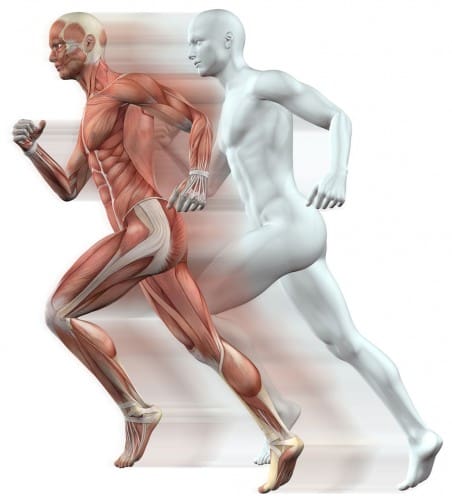
Exercise is a powerful tool for maintaining and improving bone and muscle health. When it comes to bones, weight-bearing and resistance exercises are particularly beneficial. Weight-bearing exercises involve performing activities while your feet and legs support your body weight, such as walking, jogging, dancing, hiking, and stair climbing. These exercises help stimulate the bones, prompting them to become stronger and denser. Resistance exercises, on the other hand, involve working against resistance, such as weightlifting or using resistance bands. These exercises put stress on the bones, promoting bone remodeling and strengthening.
Strength-Training Exercises
Strength-training exercises, also known as resistance exercises or weightlifting, target the muscles directly, helping to maintain and increase muscle mass. These exercises involve using resistance, such as weights, resistance bands, or body weight, to challenge the muscles. Strength training not only helps prevent muscle loss but also improves muscle strength and power, making it easier to perform daily tasks. It is important to gradually increase the intensity of your strength-training routine and allow for sufficient rest and recovery between sessions.
Aerobic Exercises
Aerobic exercises, also known as cardiovascular exercises, are important for overall health and can indirectly benefit bone and muscle health. These exercises, such as walking, cycling, swimming, or dancing, increase heart rate and enhance cardiovascular fitness. Regular aerobic exercise can improve endurance, promote weight management, and enhance overall physical function. It is recommended to engage in moderate-intensity aerobic activities for at least 150 minutes per week or vigorous-intensity activities for 75 minutes per week, or a combination of both.
Fitness Activities to Promote Muscle Health
In addition to strength-training exercises, incorporating activities that challenge and engage different muscle groups is important for maintaining muscle health. Activities such as yoga, Pilates, tai chi, and bodyweight exercises can help improve flexibility, balance, and coordination, as well as increase muscle endurance. These activities also provide an opportunity to work on core strength, which contributes to overall stability and posture. Adding variety to your fitness routine not only keeps it interesting but also ensures that different muscle groups are targeted.
The Benefits of Regular Physical Activity for Aging
Regular physical activity offers numerous benefits for healthy aging, including bone and muscle health. Exercise helps maintain bone density, reduce the risk of osteoporosis, and improve overall bone strength. It also helps preserve muscle mass, increase muscle strength, and improve balance, which can reduce the risk of falls and related injuries. Physical activity supports healthy joints, improves flexibility and range of motion, and enhances overall mobility. Additionally, exercise has been shown to have positive effects on mood, cognition, and overall well-being. Engaging in regular physical activity can significantly contribute to healthy aging.
Lifestyle Factors for Optimal Bone and Muscle Health
Maintaining a Healthy Weight
Maintaining a healthy weight is important for both bone and muscle health. Excess body weight can put stress on your joints, leading to wear and tear, while being underweight can increase the risk of osteoporosis and muscle wasting. Achieving and maintaining a healthy weight through a balanced diet and regular physical activity can help decrease the strain on your bones and muscles, promoting their overall health and function.
Avoiding Smoking
Smoking is detrimental to bone and muscle health. It has been linked to increased bone loss, decreased bone density, impaired fracture healing, and reduced muscle mass. Smoking also negatively affects blood flow, limiting the delivery of oxygen and nutrients to bones and muscles. Quitting smoking can significantly improve bone and muscle health, reducing the risk of osteoporosis, fractures, and muscle weakness. Seek support from healthcare professionals and cessation programs to quit smoking successfully.
Limiting Alcohol Consumption
Excessive alcohol consumption can have detrimental effects on bone and muscle health. It interferes with the absorption and utilization of essential nutrients, including calcium and vitamin D, which are crucial for bone health. Alcohol abuse can lead to decreased bone density, increased risk of fractures, and impaired muscle function. Limiting alcohol consumption to moderate levels, as recommended by health authorities, can help minimize these risks and promote optimal bone and muscle health.
Getting Enough Sleep
Adequate sleep is vital for overall health, including bone and muscle health. During sleep, your body repairs and regenerates tissues, including bones and muscles. Lack of sleep can disrupt these processes, compromising the maintenance and repair of bone and muscle tissues. Aim for seven to nine hours of quality sleep per night, ensuring a comfortable sleep environment and practicing good sleep hygiene. Prioritizing sleep can contribute to stronger bones, healthier muscles, and improved overall well-being.
Managing Stress
Chronic stress can have negative effects on bone and muscle health. Elevated levels of stress hormones, such as cortisol, can interfere with bone remodeling and contribute to accelerated bone loss. Stress can also lead to muscle tension and increased risk of musculoskeletal injuries. It is important to practice stress management techniques such as mindfulness, meditation, relaxation exercises, and engaging in enjoyable activities. By managing stress effectively, you can support the health of your bones and muscles.
Building Bone and Muscle Health with Supplements
Supplements for Bone Health
Supplements can play a role in promoting bone health, particularly when dietary intake is insufficient. Calcium and vitamin D supplements are often recommended to ensure an adequate intake of these nutrients. Calcium supplements can help meet daily requirements, especially if you are unable to consume enough through diet alone. Vitamin D supplements are important, especially for individuals who have limited sun exposure or have difficulty absorbing vitamin D from food sources. It is recommended to consult with a healthcare professional before starting any new supplements.
Calcium and Vitamin D Supplements
Calcium and vitamin D supplements are commonly recommended for maintaining bone health. Calcium supplements are available in various forms, such as calcium carbonate and calcium citrate. It is important to follow the recommended dosage, as excessive calcium intake can have negative health effects. Vitamin D supplements are typically available in the form of vitamin D3 and provide a convenient way to ensure adequate vitamin D levels, especially for individuals with limited sun exposure.
Other Supplements to Consider
In addition to calcium and vitamin D, other supplements may offer benefits for bone and muscle health. Magnesium supplements may be beneficial for individuals with low dietary magnesium intake, as magnesium plays a role in calcium metabolism and bone health. Vitamin K supplements, particularly vitamin K2, can support bone health by promoting proper calcium utilization and reducing the risk of arterial calcification. However, it is important to consult with a healthcare professional before adding any new supplements to your routine.
Consulting with a Healthcare Professional
Before starting any new supplements, it is crucial to consult with a qualified healthcare professional. They can evaluate your specific needs, assess your dietary intake, and determine your individual requirements for supplements. They will consider your overall health, medical history, current medications, and any pre-existing conditions to provide personalized guidance. Professional advice is essential to ensure the safe and effective use of supplements for bone and muscle health.
Preventing Falls and Injuries
The Importance of Fall Prevention
Preventing falls is crucial for maintaining bone and muscle health, especially as you age. Falls can lead to fractures, head injuries, and other serious consequences. To prevent falls, it is important to identify and address potential hazards in your living environment and take steps to improve balance, strength, and coordination. By implementing fall prevention strategies, you can reduce the risk of injuries and maintain your independence.
Modifying the Living Environment for Safety
Modifying your living environment can significantly reduce the risk of falls. Remove clutter, secure loose rugs, and ensure proper lighting in all areas of your home. Install handrails on stairs and in bathrooms, use non-slip mats in the shower or bathtub, and consider installing grab bars for added support. Make sure that pathways are clear and free from obstacles, and use assistive devices such as canes or walkers if necessary. Taking these measures can create a safer living environment, reducing the risk of falls and related injuries.
Exercises to Improve Balance and Coordination
Improving balance and coordination through targeted exercises can help prevent falls. Exercises such as tai chi, yoga, and balance training can enhance stability and body awareness. These activities focus on strengthening the muscles involved in balance, improving proprioception, and training the body to react effectively to changes in position. By incorporating balance exercises into your routine, you can enhance your stability and reduce the risk of falls.
Wearing Proper Footwear
Choosing appropriate footwear is essential for preventing falls and promoting optimal bone and muscle health. Wear shoes that provide proper support, a firm grip, and a non-slip sole. Avoid high heels, shoes with slick soles, and shoes that do not fit properly. Properly fitted, comfortable shoes with good traction can improve stability, reduce the risk of slipping, and provide adequate support to your feet and ankles.
Regular Vision and Hearing Tests
Regular vision and hearing tests are important for maintaining good balance and preventing falls. Impaired vision or hearing can significantly affect your ability to detect potential hazards and react appropriately. Schedule regular check-ups with your optometrist and audiologist to ensure that your vision and hearing are in optimal condition. If you require corrective lenses or hearing aids, make sure that they are updated and properly fitted. Clear vision and hearing can support your balance and overall safety.
Taking Precautions in Outdoor Activities
When engaging in outdoor activities, it is important to take precautions to minimize the risk of falls and injuries. Be mindful of uneven terrain, slippery surfaces, and low lighting conditions. Wear appropriate footwear for the activity, use walking aids if necessary, and be cautious in unfamiliar environments. Stay aware of your surroundings, especially when walking on sidewalks or crossing roads. These precautions can help prevent falls and injuries during outdoor activities.

Medical Approaches for Bone and Muscle Health
Screening for Osteoporosis
Screening for osteoporosis is an important medical approach for assessing bone health. Bone density tests, such as dual-energy X-ray absorptiometry (DEXA), can measure bone mineral density and determine your risk of fractures. These tests are typically recommended for women aged 65 and older and men aged 70 and older. Individuals with risk factors for osteoporosis, such as postmenopausal women and those with a family history of fractures, may be screened at an earlier age. Talk to your healthcare professional about the appropriate timing and frequency of bone density testing for your situation.
Medications for Osteoporosis Treatment and Prevention
In some cases, medications may be prescribed to treat or prevent osteoporosis. These medications aim to slow down bone loss, increase bone density, and reduce the risk of fractures. Common medications for osteoporosis include bisphosphonates, hormone therapy, selective estrogen receptor modulators (SERMs), calcitonin, and denosumab. The most appropriate medication will depend on factors such as age, sex, medical history, and overall health. It is important to discuss the potential benefits, risks, and side effects of these medications with your healthcare professional.
Importance of Regular Check-ups and Follow-ups
Regular check-ups and follow-ups with your healthcare professional are essential for monitoring and managing bone and muscle health. This includes reviewing the results of bone density tests, assessing the effectiveness of any prescribed medications, and addressing any concerns or changes in symptoms. Regular assessments allow for early detection of any potential issues and prompt intervention. It is important to communicate openly with your healthcare professional and adhere to their recommendations to maximize the benefits of medical approaches for bone and muscle health.
Surgical Interventions for Bone and Muscle Health
In some cases, surgical interventions may be necessary to address specific bone and muscle conditions. Joint replacements, such as hip or knee replacements, can improve mobility and relieve pain in individuals with severe joint degeneration. Surgical procedures may also be performed to repair fractures or stabilize weakened bones. These interventions are typically reserved for situations where conservative treatments have been unsuccessful or when the condition significantly impacts functional abilities. Surgical options should be discussed thoroughly with a healthcare professional to assess the potential benefits and risks.
Maintaining Mental and Emotional Well-being
The Connection between Mental Health and Physical Health
Maintaining mental and emotional well-being is essential for overall health, including bone and muscle health. The mind and body are closely interconnected, and psychological factors can influence physical health outcomes. Chronic stress, anxiety, and depression can have negative effects on bone density, muscle strength, and overall physical function. Prioritizing mental and emotional well-being through stress management techniques, self-care practices, and seeking support when needed can help optimize bone and muscle health.
The Role of Social Support in Healthy Aging
Social support plays an important role in healthy aging, including bone and muscle health. Engaging in social activities, maintaining strong relationships, and having a supportive network can contribute to better emotional well-being and overall health. Social interactions can also provide opportunities for physical activity, such as walking or dancing with friends, which promotes bone and muscle health. Stay connected with loved ones, participate in community activities, and seek social support when needed.
Mind-Body Practices for Mental and Emotional Well-being
Mind-body practices, such as meditation, yoga, and mindfulness, can promote mental and emotional well-being while also benefiting bone and muscle health. These practices help reduce stress, improve mood, enhance relaxation, and increase self-awareness. Mind-body exercises, such as yoga and tai chi, also incorporate physical movements that support flexibility, balance, and muscle strength. Adding these practices to your routine can contribute to a holistic approach to maintaining both mental and physical well-being.

Regular Check-ups and Assessments
Importance of Regular Health Check-ups
Regular health check-ups are important for overall health maintenance, including bone and muscle health. These check-ups provide an opportunity to assess your general health status, monitor any existing conditions, and detect potential health issues or risk factors. During check-ups, your healthcare professional can evaluate your bone density, muscle strength, and overall physical function. They can also provide guidance on lifestyle modifications, nutritional needs, and any necessary medical interventions. Regular check-ups are invaluable for maintaining optimal bone and muscle health as you age.
The Role of Bone Density Tests
Bone density tests, such as DEXA scans, play a crucial role in assessing bone health and evaluating the risk of osteoporosis. These non-invasive tests measure bone mineral density and help identify individuals who may have low bone density or osteoporosis. Bone density tests can guide treatment decisions, monitor the effectiveness of interventions, and provide a baseline for future comparisons. The frequency of bone density tests will depend on individual risk factors and healthcare professional recommendations.
Other Assessments for Bone and Muscle Health
In addition to bone density tests, other assessments may be performed to evaluate bone and muscle health. These assessments may include measuring muscle strength, range of motion, and physical function. Functional assessments, such as the Timed Up and Go test or the 30-Second Chair Stand test, can provide insights into mobility and balance. These assessments can help identify any deficits or changes that may require intervention or modification to maintain optimal bone and muscle health.
Creating an Individualized Plan with a Healthcare Professional
Creating an individualized plan for bone and muscle health is best done in consultation with a healthcare professional. They will consider your medical history, risk factors, current health status, and personal goals to develop a personalized plan tailored to your individual needs. This may include recommendations for exercise routines, dietary modifications, supplementation, and lifestyle changes. Regular communication and check-ins with your healthcare professional are important to ensure that the plan remains appropriate and effective over time.
Taking Action for Healthy Aging
Setting Personal Goals for Bone and Muscle Health
Taking action for healthy aging requires setting personal goals for bone and muscle health. Consider what aspects of your bone and muscle health are important to you and define specific, realistic goals to work towards. These goals could include increasing your daily physical activity, improving strength, or ensuring adequate nutrient intake. By setting goals, you can stay motivated, track your progress, and celebrate achievements along the way.
Implementing Lifestyle Changes
Implementing lifestyle changes is essential for maintaining healthy bones and muscles. This includes adopting a well-balanced diet rich in essential nutrients, engaging in regular physical activity, and prioritizing sleep and stress management. Changing habits can be challenging, but by taking small, manageable steps, you can gradually incorporate these changes into your daily routine. Remember, every positive change is a step closer to maintaining strong bones and muscles as you age.
Forge a Supportive Environment
Creating a supportive environment is crucial for sustaining healthy habits for bone and muscle health. Surround yourself with individuals who share similar goals or have a positive impact on your journey towards healthy aging. Join exercise classes or groups that promote physical activity and social interaction. Communicate with loved ones about the importance of bone and muscle health, and seek their support and encouragement. A supportive environment can provide the motivation and accountability needed to maintain a healthy lifestyle.
Maintaining Motivation and Overcoming Challenges
Maintaining motivation and overcoming challenges is an ongoing process in prioritizing bone and muscle health. Stay focused on the reasons why you want to maintain strong bones and muscles, such as maintaining independence, enjoying an active lifestyle, or preventing injuries. Reflect on the progress you have made and the positive impact that healthy habits have on your overall well-being. When facing challenges, seek support from healthcare professionals, friends, or family members who can help you overcome obstacles and stay on track towards healthy aging.
In conclusion, taking care of your bone and muscle health is essential for healthy aging. Understanding the role of bones and muscles, the effects of aging, and the consequences of weak bones and muscles enables you to make informed choices. Maintaining bone and muscle health through proper nutrition, exercise, a healthy lifestyle, and supplementation can prevent potential problems. Regular check-ups and assessments, along with medical interventions when necessary, ensure that any issues are identified and addressed promptly. Lastly, focusing on mental and emotional well-being, setting personal goals, and maintaining motivation create a holistic approach to healthy aging. With a proactive approach, you can actively work towards building strong bones and muscles, promoting optimal health, independence, and quality of life as you age.