
As you age, it’s natural for concerns about maintaining mental sharpness to arise. After all, our cognitive abilities play a crucial role in our daily lives. This article will provide you with practical tips and advice on healthy aging, specifically focusing on maintaining mental sharpness. Learn about the lifestyle changes, nutritional choices, and cognitive exercises that can help keep your mind agile and enhance your overall well-being as you journey through the stages of life.
Engage in Regular Physical Activity
Physical activity is not only beneficial for your body but also plays a crucial role in maintaining mental sharpness as you age. Regular exercise has been shown to improve cognitive function and reduce the risk of cognitive decline. To reap the full benefits, it is important to incorporate different types of exercises into your routine.
Exercise regularly
Engaging in regular exercise is one of the best ways to keep your mind sharp. Aim for at least 150 minutes of moderate-intensity aerobic activity or 75 minutes of vigorous-intensity aerobic activity each week. This can include activities such as walking, jogging, swimming, or cycling. Brisk walking is an excellent option that is low-impact and can easily be incorporated into your daily routine.
Incorporate strength training
Strength training exercises are essential for maintaining muscle mass and strength, but they also have cognitive benefits. When you challenge your muscles, you are also challenging your brain. Incorporate exercises that target all major muscle groups, such as weightlifting, resistance band exercises, or bodyweight exercises. Aim for two or more strength training sessions per week.
Try aerobic exercises
Aside from the recommended moderate-intensity aerobic activity, incorporating aerobic exercises that challenge your cardiovascular system can also have mental benefits. Activities like dancing, jumping rope, or high-intensity interval training (HIIT) can boost your heart rate and increase blood flow to the brain, promoting better cognitive function.
Follow a Brain-Healthy Diet
What you eat can greatly impact your brain health. A well-balanced diet that includes specific nutrients can help protect against cognitive decline and support overall brain function.
Eat a balanced diet
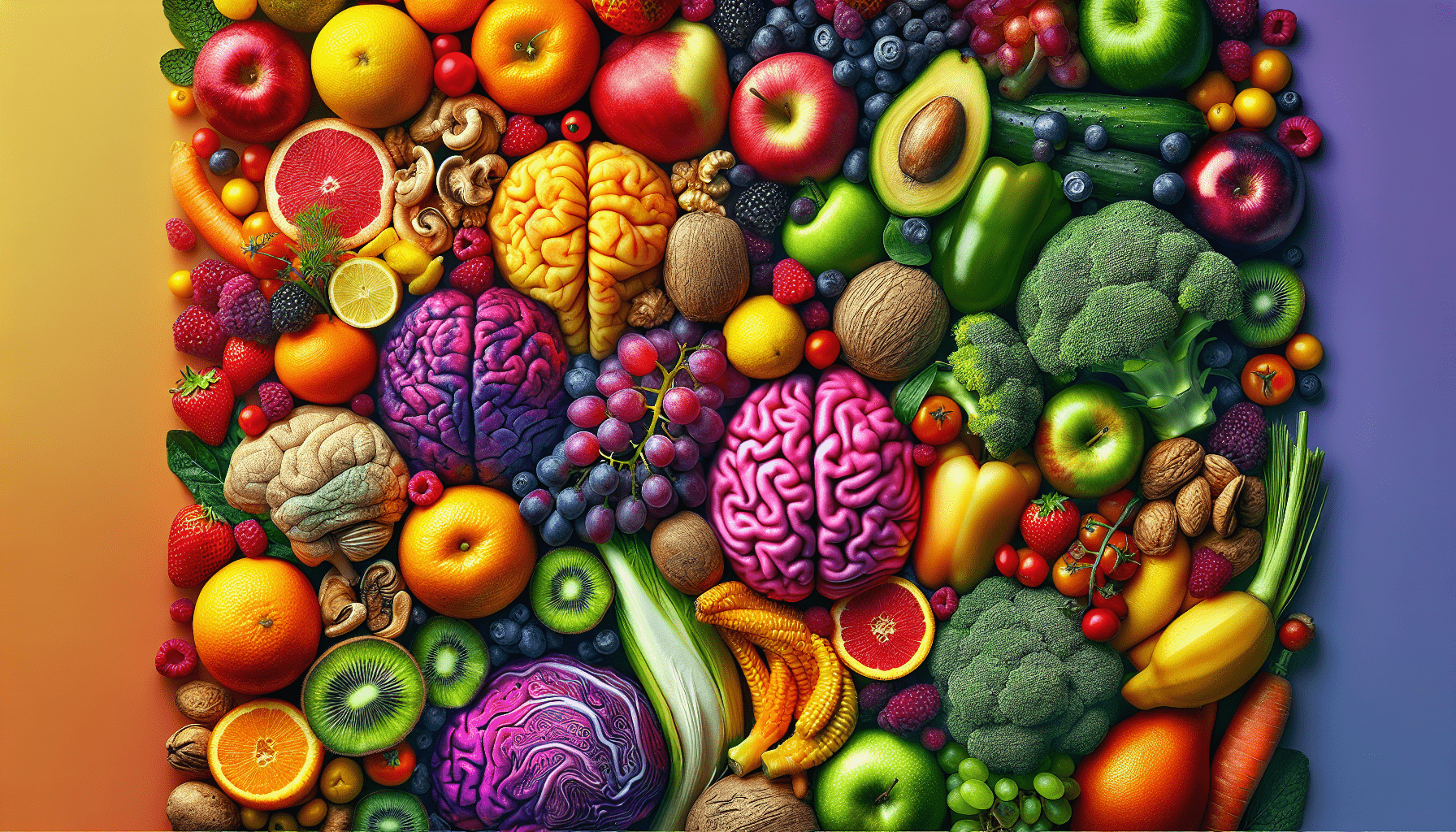
Aim for a diet that is rich in fruits, vegetables, whole grains, lean proteins, and healthy fats. Include a variety of colorful fruits and vegetables to ensure you’re getting a range of vitamins and minerals that are beneficial for brain health.
Include antioxidant-rich foods
Antioxidants help protect your brain cells from damage caused by free radicals. Incorporate foods high in antioxidants such as berries, dark chocolate, nuts, and leafy greens into your diet. These foods also contain other beneficial compounds that support brain health.
Consume omega-3 fatty acids
Omega-3 fatty acids are essential for brain health and have been linked to improved cognitive function. Fatty fish like salmon, mackerel, and sardines are rich in omega-3s. If you’re not a fan of seafood, consider adding flaxseeds, chia seeds, or walnuts to your diet as plant-based sources of omega-3 fatty acids.
Stay Mentally Active
Just like physical exercise, keeping your brain active is important for maintaining mental sharpness. Engaging in mentally stimulating activities can help keep your mind sharp and reduce the risk of cognitive decline.
Engage in puzzles and brain games
Keep your brain engaged by regularly challenging it with puzzles, crosswords, Sudoku, or brain training apps. These activities can improve cognitive function, memory, and problem-solving skills.
Learn new skills or hobbies
Learning new skills or hobbies is not only enjoyable but also beneficial for your brain. Whether it’s playing a musical instrument, painting, or learning a new language, engaging in activities that require mental effort keeps your brain active and strengthens neural connections.
Read regularly
Reading is an excellent way to exercise your brain. It stimulates your imagination, enhances vocabulary, and improves memory and concentration. Make it a habit to read regularly, whether it’s fiction, non-fiction, or newspapers and magazines. Challenge yourself with a variety of genres to keep your brain stimulated.
Get Sufficient Sleep
Adequate sleep is essential for overall health and well-being, including maintaining mental sharpness. Poor sleep quality or lack of sleep can impair cognitive function and contribute to memory problems. Follow these tips to ensure you get sufficient and restful sleep.
Establish a consistent sleep routine
Set a regular sleep schedule by going to bed and waking up at the same time every day, even on weekends. This helps regulate your body’s internal clock and promotes better sleep quality.
Create a calm sleep environment
Make your bedroom a sleep-friendly environment by keeping it dark, quiet, and cool. Use blackout curtains, earplugs, or a white noise machine if necessary. Invest in a comfortable mattress, pillows, and bedding to create a cozy and inviting sleep environment.
Avoid caffeine and electronic devices before bed
Caffeine is a stimulant that can interfere with sleep. Avoid consuming caffeine-containing beverages, such as coffee or energy drinks, in the late afternoon or evening. Additionally, the blue light emitted by electronic devices like smartphones and tablets can disrupt your sleep cycle. Minimize device usage at least an hour before bed to promote better sleep.
Manage Chronic Conditions
Certain chronic conditions, such as high blood pressure, diabetes, and mental health disorders, can negatively impact cognitive function. Managing these conditions effectively is important for maintaining mental sharpness as you age.
Control blood pressure
High blood pressure can damage blood vessels in the brain and increase the risk of cognitive decline. Monitor your blood pressure regularly and follow a healthy lifestyle that includes a balanced diet, regular exercise, and reducing sodium intake. If necessary, consult with your healthcare provider about medications or other interventions to maintain healthy blood pressure levels.
Manage diabetes
Diabetes is associated with an increased risk of cognitive decline, especially if blood sugar levels are poorly controlled. Maintain a healthy diet, engage in regular physical activity, and take medications as prescribed to manage your diabetes effectively. Regular blood sugar monitoring is crucial for preventing complications and maintaining brain health.
Treat depression or anxiety
Mental health conditions like depression and anxiety can negatively impact cognitive function. Seek professional help if you experience symptoms of depression or anxiety. Talk therapy, medication, or a combination of both can be effective in treating these conditions and improving cognitive well-being.
Maintain a Social Life
Maintaining social connections is not only important for emotional well-being but also plays a role in keeping your mind sharp. Social interactions provide mental stimulation and support that can help protect against cognitive decline.
Stay connected with friends and family
Nurture your relationships with family and friends by staying in touch, whether through phone calls, video chats, or in-person visits. Engage in meaningful conversations and make an effort to spend quality time together. Social connections provide mental stimulation, emotional support, and a sense of belonging.
Join social clubs or groups
Consider joining social clubs, organizations, or groups that align with your interests or hobbies. This can provide opportunities to meet new people, engage in stimulating activities, and expand your social network.
Volunteer or participate in community activities
Contributing to your community through volunteering can have numerous benefits for mental sharpness. It not only provides a sense of fulfillment and purpose but also allows you to meet new people and engage in meaningful activities that challenge your mind.
Reduce Stress
Chronic stress can have a detrimental impact on cognitive function and overall well-being. Incorporating stress-reducing techniques into your daily routine can help protect your brain health.
Practice relaxation techniques
Relaxation techniques such as deep breathing exercises, progressive muscle relaxation, or guided imagery can help alleviate stress and promote a sense of calm. Set aside a few minutes each day to practice these relaxation techniques and allow your mind to unwind.
Meditate or practice mindfulness
Meditation and mindfulness practices are effective methods for reducing stress and improving mental clarity. Find a quiet space, sit comfortably, and focus your attention on your breathing or a specific object. Allow any thoughts or distractions to pass without judgment, bringing your focus back to the present moment.
Spend time in nature
Nature has a calming and rejuvenating effect on the mind. Spending time outdoors, whether it’s taking a walk in a park or simply sitting in a garden, can help reduce stress and improve cognitive function. Take advantage of the healing power of nature by incorporating outdoor activities into your routine.
Limit Alcohol Consumption
Excessive alcohol consumption can have detrimental effects on cognitive function and overall brain health. It is important to consume alcohol in moderation and be aware of your limits.
Drink in moderation
Moderate alcohol consumption is defined as up to one drink per day for women and up to two drinks per day for men. Consuming alcohol in moderation may have some cardiovascular benefits but exceeding these limits can have negative effects on cognitive function.
Avoid excessive or binge drinking
Excessive or binge drinking, defined as consuming large amounts of alcohol in a short period, can have serious consequences for brain health. It can lead to memory problems, impaired judgment, and increased risk of dementia. Avoid engaging in binge drinking and be mindful of your alcohol consumption habits.
Know your limits
Everyone’s tolerance to alcohol varies, so it is important to know your own limits. Be aware of how alcohol affects your cognitive function and if you notice any negative effects, consider reducing your alcohol intake or abstaining altogether.
Quit Smoking
Smoking harms nearly every organ in the body, including the brain. Quitting smoking is one of the best things you can do for your overall health and cognitive well-being.
Seek support to quit smoking
Quitting smoking can be challenging, but there are numerous resources available to help you succeed. Consider joining a support group, seeking counseling, or using nicotine replacement therapies such as patches or gum. Your healthcare provider can provide guidance and support throughout your quitting journey.
Try nicotine replacement therapy
Nicotine replacement therapy (NRT) can help curb cravings and reduce withdrawal symptoms when quitting smoking. NRT includes options such as nicotine patches, gum, lozenges, nasal sprays, and inhalers. Consult with your healthcare provider to determine which NRT option is the most suitable for you.
Find healthy alternatives to cope with cravings
Identify healthy alternatives to smoking as a way to cope with cravings. Engage in activities such as exercise, deep breathing, or chewing sugar-free gum to distract yourself and manage nicotine cravings. Developing new habits and coping mechanisms can contribute to better brain health and overall well-being.
Stay Hydrated
Proper hydration is crucial for overall health, including maintaining mental sharpness. Dehydration can impair cognitive function and contribute to fatigue and brain fog. Follow these tips to ensure you stay hydrated throughout the day.
Drink enough water
Make it a habit to drink water regularly throughout the day. Aim for at least eight glasses (64 ounces) of water per day, or more if you are physically active or in a hot environment. Staying adequately hydrated helps support optimal brain function and keeps you feeling alert and focused.
Limit sugary or carbonated drinks
While it’s important to drink enough fluids, be mindful of the type of beverages you consume. Sugary drinks and carbonated beverages can contribute to excessive calorie intake and may not provide the hydration your body needs. Opt for water, herbal tea, or infused water with fruits and herbs as healthier alternatives.
Monitor your fluid intake
Pay attention to your body’s signals and monitor your fluid intake. If you feel thirsty, it’s a sign that you’re already slightly dehydrated. Take regular sips of water throughout the day, especially during physical activity or in hot weather. Additionally, certain medications or medical conditions may require increased fluid intake, so consult with your healthcare provider if you have any concerns.
By following these comprehensive tips for healthy aging and maintaining mental sharpness, you can lead a fulfilling and vibrant life as you age. Remember, it’s never too late to start implementing these habits, and small changes can have a big impact on your overall well-being. Embrace a brain-healthy lifestyle and enjoy the benefits of a sharper mind and improved quality of life.