Are you looking to improve your overall wellness and enhance your long-term health? Look no further! In this article, we will explore the importance of healthy eating habits and how they can significantly impact your well-being. From choosing nutrient-dense foods to practicing portion control, we will provide you with valuable insights and practical tips to help you eat your way to long-term wellness. So, grab a healthy snack, sit back, and let’s embark on this journey towards a healthier you!

1. Understanding Macro and Micronutrients
The importance of macronutrients
When it comes to maintaining a healthy diet, macronutrients play a crucial role. These are the nutrients that our bodies need in large amounts to function properly. The three main macronutrients are carbohydrates, proteins, and fats. Carbohydrates are the primary source of energy for the body, while proteins are essential for building and repairing tissues. Fats, on the other hand, provide insulation and protect our organs. By understanding the importance of macronutrients, you can ensure that you are getting the necessary nutrients your body needs to thrive.
The role of micronutrients
While macronutrients are important, micronutrients should not be overlooked. These are the nutrients that our bodies need in smaller quantities, but they are equally essential for proper functioning. Micronutrients include vitamins and minerals, which are responsible for a wide range of bodily processes. For example, vitamin C is necessary for a healthy immune system, while calcium is vital for maintaining strong bones. By ensuring that you are getting an adequate intake of micronutrients, you can support your overall health and wellbeing.
Balancing macronutrients and micronutrients
A healthy and balanced diet requires a proper balance of both macronutrients and micronutrients. This means incorporating a variety of foods that provide a mix of carbohydrates, proteins, and fats, as well as vitamins and minerals. By achieving this balance, you can give your body the fuel it needs to perform at its best. It’s important to note that the specific ratio of macronutrients and micronutrients will vary depending on factors such as age, sex, activity level, and overall health. Consulting with a healthcare professional or registered dietitian can help you determine the optimal balance for your individual needs.
Recommended daily intake
To ensure that you are meeting your nutritional needs, it’s important to be aware of the recommended daily intake of both macronutrients and micronutrients. The exact requirements will vary depending on several factors, including age and sex. For example, the recommended daily intake of carbohydrates for adults is around 45-65% of total calories, while proteins should make up around 10-35%. Fats should account for approximately 20-35% of daily caloric intake. As for micronutrients, the recommended daily intake will vary depending on the specific nutrient. Consulting with a healthcare professional or registered dietitian can help you determine the appropriate daily intake for your individual needs.
2. Consuming a Variety of Foods
Benefits of eating a variety of foods
When it comes to maintaining a healthy diet, one of the key principles is to consume a variety of foods. Eating a diverse range of foods provides a multitude of benefits for your body. Firstly, it ensures that you are getting a wide range of nutrients and essential vitamins and minerals. Different foods contain different micronutrients, so by diversifying your diet, you can maximize your nutrient intake. Additionally, eating a variety of foods can help prevent boredom and monotony in your meals, making healthy eating more enjoyable and sustainable in the long run.
Including different food groups
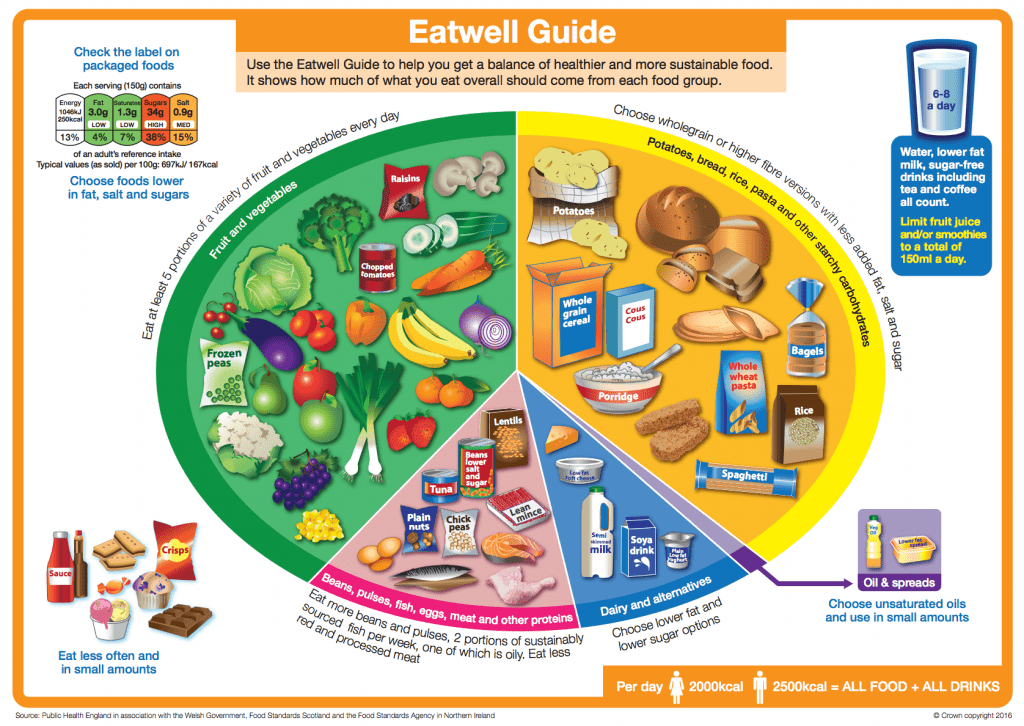
To achieve a balanced and varied diet, it’s important to include foods from all the different food groups. These include fruits, vegetables, grains, protein sources, and dairy or non-dairy alternatives. Each food group offers unique nutritional benefits, so by including foods from each group, you can ensure that you are getting a well-rounded diet. For example, fruits and vegetables are rich in vitamins and antioxidants, while proteins provide essential amino acids for muscle repair and growth. By including all food groups in your meals, you can ensure that you are getting a good mix of nutrients.
Colorful and nutrient-rich foods
A simple way to ensure that you are consuming a variety of foods is to aim for a colorful plate. Different colored fruits and vegetables contain different types of antioxidants and phytochemicals, which contribute to their unique colors. By including a wide range of colorful fruits and vegetables, you can ensure that you are getting a diverse array of beneficial compounds. Additionally, opting for nutrient-rich foods such as whole grains, lean proteins, and healthy fats can further enhance the nutritional value of your meals. By prioritizing colorful and nutrient-rich foods, you can supercharge your diet and support your overall health.
Avoiding monotony in diet
One of the biggest challenges in maintaining a healthy diet is avoiding monotony. Eating the same foods day in and day out can lead to boredom and a greater likelihood of falling off track. To prevent this, it’s important to continuously explore new foods and recipes. Trying out different fruits, vegetables, grains, and proteins can help keep your meals interesting and enjoyable. Additionally, experimenting with various cooking techniques and flavors can add excitement and variety to your meals. By embracing culinary adventure and avoiding monotony, you can establish a sustainable and enjoyable approach to healthy eating.
3. Portion Control and Mindful Eating
Understanding portion sizes
Portion control is a crucial aspect of maintaining a healthy diet. It involves being mindful of the amount of food you consume and ensuring it aligns with your body’s energy needs. Understanding proper portion sizes can help you maintain a healthy weight and prevent overeating. One effective way to visualize portion sizes is to use everyday objects as a reference. For example, a serving of lean protein should be about the size of a deck of cards, while a serving of grains should be roughly the size of a tennis ball. By familiarizing yourself with appropriate portion sizes, you can better manage your food intake.
Importance of mindful eating
Mindful eating is a practice that involves paying attention to the present moment and being fully engaged with the act of eating. This means eating without distractions, such as television or smartphones, and savoring each bite. By practicing mindful eating, you can enhance your overall dining experience and gain a better understanding of your body’s hunger and fullness cues. This can help prevent overeating and promote a healthier relationship with food. Taking the time to savor and enjoy your meals not only enhances the pleasure of eating but also allows your body to properly digest and absorb nutrients.
Paying attention to hunger and fullness cues
Understanding your body’s hunger and fullness cues is a key aspect of mindful eating. Tuning in to your body’s signals can help you determine when to start and stop eating. Before sitting down to a meal, take a moment to assess your level of hunger. Are you truly hungry or just eating out of habit or boredom? During the meal, pay attention to how your body feels. Pause and check in periodically to assess if you are comfortably satisfied or have reached a point of fullness. By listening to your body’s cues, you can avoid overeating and develop a healthier and more balanced approach to eating.
Eating slowly and savoring the flavors
In our fast-paced society, it’s easy to rush through meals without truly savoring the flavors. However, eating slowly and mindfully can have significant benefits for your health. When you eat slowly, you allow your body to properly process and digest the food. This can help prevent digestive discomfort and improve nutrient absorption. Additionally, taking the time to savor each bite enhances the overall sensory experience of eating. By focusing on the flavors, textures, and aromas of your food, you can optimize your enjoyment and satisfaction. Eating slowly and savoring the flavors not only promotes a healthier relationship with food but also allows you to fully appreciate the nourishment it provides.
4. Balanced Meal Planning
Building a balanced plate
Creating a balanced plate is a simple and effective way to ensure you are getting a well-rounded meal. A balanced plate typically consists of three main components: carbohydrates, proteins, and vegetables. Aim to fill half of your plate with colorful vegetables, such as leafy greens, peppers, or broccoli. One-quarter of your plate should be dedicated to lean protein sources, such as chicken, turkey, or tofu. The remaining quarter can be allocated to whole grains, such as quinoa or brown rice. By building a balanced plate, you can ensure that each meal provides a good mix of nutrients.
Incorporating fruits and vegetables
Fruits and vegetables are undeniable powerhouses of nutrition. They are packed with vitamins, minerals, antioxidants, and fiber, making them essential components of a balanced diet. Aim to include a variety of fruits and vegetables in your meals and snacks to maximize your nutrient intake. Fresh, frozen, or even canned options can all contribute to a colorful and nutritious plate. Experiment with different cooking methods, such as steaming, roasting, or sautéing, to discover new flavors and textures. By incorporating fruits and vegetables into your meals, you can boost the nutritional value and improve your overall health.
Including lean proteins
Proteins are the building blocks of our bodies and play a crucial role in various bodily processes. Including lean protein sources in your meals is vital for maintaining muscle mass, supporting immune function, and promoting satiety. Lean protein options include poultry, fish, beans, lentils, tofu, and Greek yogurt. These options are low in saturated fat and provide essential amino acids. When selecting proteins, opt for grilled, baked, or broiled preparations instead of fried or breaded options. By including lean proteins in your meals, you can support your overall health and feel satisfied after each meal.
Choosing whole grains
Whole grains are an important source of dietary fiber, vitamins, and minerals. Unlike refined grains, which have been stripped of their nutritious components, whole grains contain the bran, germ, and endosperm, providing a wealth of health benefits. Examples of whole grains include brown rice, quinoa, whole wheat bread, and oatmeal. When shopping for grains, look for products labeled “100% whole grain.” These are higher in fiber and contain more nutrients than their refined counterparts. By incorporating whole grains into your diet, you can improve your digestion, regulate blood sugar levels, and support heart health.
Healthy fats and oils
Contrary to popular belief, not all fats are bad for you. In fact, healthy fats are an essential part of a balanced diet and provide numerous health benefits. Healthy fats, such as those found in avocados, nuts, seeds, and olive oil, are rich in monounsaturated and polyunsaturated fats. These fats are beneficial for heart health, brain function, and overall well-being. When using oils for cooking or dressing salads, opt for healthier options like olive oil or avocado oil. Including healthy fats in your meals can help you feel more satisfied, promote nutrient absorption, and support various bodily functions.
Limiting added sugars and processed foods
One of the most important aspects of balanced meal planning is limiting the intake of added sugars and processed foods. Added sugars, found in sugary beverages, desserts, and packaged snacks, provide empty calories and can contribute to weight gain and other health issues. Processed foods, such as fast food, chips, and frozen meals, are often high in unhealthy fats, sodium, and artificial additives. These foods lack essential nutrients and can have negative effects on your health. By minimizing the consumption of added sugars and processed foods, you can prioritize nutrient-dense options and support your overall well-being.
5. Hydration and Water Intake
Importance of staying hydrated
Staying hydrated is crucial for maintaining good health. Water makes up a significant portion of our bodies and is involved in numerous bodily functions. It aids in digestion, regulates body temperature, lubricates joints, transports nutrients, and flushes out waste products. Proper hydration is also important for maintaining healthy skin, supporting cognitive function, and preventing dehydration-related symptoms such as fatigue and headaches. By prioritizing hydration, you can support your body’s optimal functioning and overall well-being.
Benefits of water for overall health
Water offers a plethora of health benefits. It helps maintain a healthy weight by promoting feelings of fullness and reducing calorie intake. Drinking water can also boost energy levels and enhance physical performance. Proper hydration supports kidney function by helping to flush out waste products and prevent kidney stones. Water can even improve mental clarity and mood, as even mild dehydration can negatively impact cognitive function. By making water your drink of choice and ensuring adequate intake, you can reap the many benefits it offers for your overall health.
Recommended daily water intake
The recommended daily water intake can vary depending on factors such as age, sex, activity level, and climate. The National Academies of Sciences, Engineering, and Medicine suggests a general guideline of about 3.7 liters (125 ounces) for men and 2.7 liters (91 ounces) for women. However, individual water needs may differ, and certain conditions, such as pregnancy or breastfeeding, may require increased water intake. Additionally, factors such as exercise, temperature, and medication use can impact hydration needs. Paying attention to your body’s thirst cues and monitoring the color of your urine can help guide your water intake. If you are unsure about your specific water needs, consult with a healthcare professional.
Tips for increasing water consumption
For some people, drinking enough water throughout the day can be challenging. Fortunately, there are several strategies you can implement to increase your water consumption. First and foremost, keep a reusable water bottle with you at all times. Having water readily available makes it more convenient to sip throughout the day. You can also enhance the taste of water by infusing it with fruits, herbs, or a splash of citrus juice. Set reminders or establish a routine to drink water at specific intervals, such as upon waking, before meals, and during breaks. Remember that other fluids, such as herbal tea and low-sodium broths, also contribute to overall hydration. By incorporating these tips into your daily routine, you can ensure you are meeting your hydration needs.
6. Mindful Snacking
Choosing nutritious snacks
Snacking can be an important part of a healthy diet, especially when done mindfully. When selecting snacks, opt for nutrient-dense options that offer a good balance of macronutrients and are relatively low in added sugars and unhealthy fats. Examples of nutritious snacks include fresh fruits, vegetables with hummus, Greek yogurt, nuts, and seeds. These snacks provide fiber, vitamins, minerals, and healthy fats, promoting satiety and providing sustained energy. By choosing nutritious snacks, you can satisfy hunger between meals while nourishing your body with essential nutrients.
Avoiding high-calorie and low-nutrient snacks
While snacking can be a healthy habit, it’s essential to avoid high-calorie and low-nutrient snacks. These include processed snacks, sugary treats, and fried foods. These options tend to be high in unhealthy fats, added sugars, and sodium, which can contribute to weight gain and other health issues. Instead, focus on snacks that offer nutritional value and support your overall health. By making conscious choices and opting for nutrient-dense snacks, you can indulge in satisfying treats while still nourishing your body.
Preparation and planning of healthy snacks
To ensure that you have access to nutritious snacks throughout the day, it’s important to plan and prepare in advance. Set aside some time each week to chop fruits and vegetables and portion out snacks into grab-and-go containers. Having pre-portioned snacks readily available will make it easier to reach for healthier options when hunger strikes. You can also prepare homemade snacks, such as energy balls or homemade trail mix, which can be both nutritious and delicious. By planning and preparing healthy snacks, you can avoid reaching for less healthy alternatives and stay on track with your long-term wellness goals.
Listening to hunger cues instead of emotional triggers
Mindful snacking involves tuning in to your body’s hunger cues instead of relying on emotional triggers. It’s important to ask yourself if you are truly physically hungry or if you are experiencing emotional or boredom-driven cravings. Before reaching for a snack, take a moment to assess your hunger level. If you are genuinely hungry, enjoy a nutritious snack to satisfy your hunger. However, if you are eating out of habit or emotional cues, consider engaging in alternative activities, such as going for a walk, journaling, or calling a friend. By developing the habit of mindful snacking, you can nourish your body when it truly needs it and prevent mindless eating.
7. Avoiding Crash Diets
Understanding the dangers of crash diets
Crash diets promise quick and dramatic weight loss, but they can be detrimental to your health and overall wellness. Crash diets often involve severe calorie restriction and elimination of entire food groups. While you may experience rapid weight loss initially, crash diets are not sustainable in the long run and can have negative effects on your body. They can lead to nutrient deficiencies, muscle loss, a weakened immune system, and a slowed metabolism. Additionally, crash diets often result in a cycle of weight loss and weight regain, making it difficult to maintain a healthy weight in the long term.
Negative effects on metabolism
One of the most significant downsides of crash diets is their impact on metabolism. When you severely restrict calories, your body adapts by slowing down your metabolism. This means that your body burns fewer calories at rest, making sustainable weight loss more challenging. Crash diets also often result in muscle loss, as your body breaks down muscle tissue for energy. Since muscle is metabolically active, this further decreases your overall energy expenditure. As a result, when you return to a regular diet, you are more likely to regain weight and find it harder to lose weight in the future.
Focus on sustainable and long-term habits
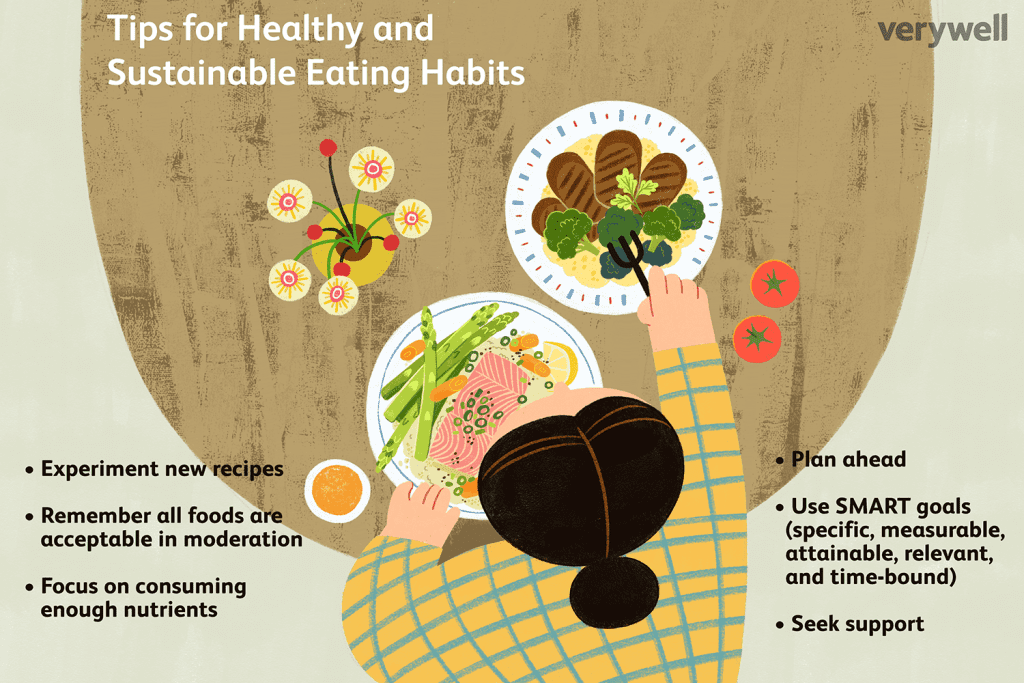
Rather than relying on crash diets for short-term results, it’s crucial to focus on sustainable and long-term habits. Adopting healthy eating habits and regular physical activity will have a more lasting impact on your overall wellness. Set realistic and achievable goals that promote gradual, steady weight loss and improvements in overall health. Instead of restricting entire food groups, focus on portion control and incorporating a variety of nutritious foods in your diet. By embracing a sustainable approach, you can establish healthy habits that will support long-term wellness and weight management.
Gradual and realistic goals
When it comes to weight loss and overall wellness, setting gradual and realistic goals is key. Aim to lose about 0.5-1 pound per week, as this is a sustainable rate of weight loss. By setting smaller goals, you can focus on making meaningful and lasting changes to your habits. Celebrate each milestone along the way, whether it’s losing a few pounds, improving your fitness level, or consistently making healthier food choices. Remember that sustainable and long-term progress takes time and patience. By setting gradual and realistic goals, you can establish a positive relationship with your body and promote overall wellness.
8. Limiting Processed Foods
Understanding the impact of processed foods
Processed foods have become prevalent in our modern diet, but their impact on our health is cause for concern. Processed foods undergo extensive manufacturing processes, often involving the addition of preservatives, artificial flavors, and unhealthy fats. These foods tend to be high in calories, sodium, sugar, and unhealthy fats while lacking vital nutrients. Regular consumption of processed foods has been linked to various health issues, including obesity, heart disease, and type 2 diabetes. By understanding the impact of processed foods, you can make conscious choices to limit their intake and prioritize whole, unprocessed alternatives.
Effects on health and nutrition
One of the main concerns with processed foods is their negative impact on health and nutrition. These foods are often stripped of their natural nutrients during processing while being packed with additives and unhealthy ingredients. Relying on processed foods as a significant part of your diet can lead to nutrient deficiencies and an imbalanced intake of macronutrients. Additionally, processed foods are typically high in added sugars, unhealthy fats, and sodium, which can contribute to weight gain, inflammation, and chronic health conditions. By minimizing processed food consumption, you can improve your overall health and nutrition.
Reading food labels
Reading food labels is an essential skill when it comes to limiting processed food consumption. Paying attention to the ingredients list and nutrition facts panel can help you make informed choices about the foods you buy. When reading food labels, look for products with short ingredient lists that contain recognizable and wholesome ingredients. Avoid foods that contain excessive amounts of added sugars, unhealthy fats, and artificial additives. Opt for products that are low in sodium and high in fiber to promote heart health and digestion. By becoming a conscious label reader, you can make healthier choices and reduce your intake of processed foods.
Choosing whole, unprocessed alternatives
To limit processed food intake, it’s important to choose whole, unprocessed alternatives whenever possible. Whole foods, such as fruits, vegetables, whole grains, lean proteins, and nuts, are minimally processed and retain their natural nutrition. These foods provide essential nutrients, fiber, and antioxidants for overall health and well-being. When grocery shopping, focus on the perimeter of the store, where fresh produce, lean proteins, and whole grains are typically located. Plan and prepare meals using whole ingredients to ensure that you have control over the quality of the food you consume. By prioritizing whole, unprocessed foods, you can lay the foundation for a healthy and balanced diet.
9. Regular Physical Activity
Combining healthy eating with exercise
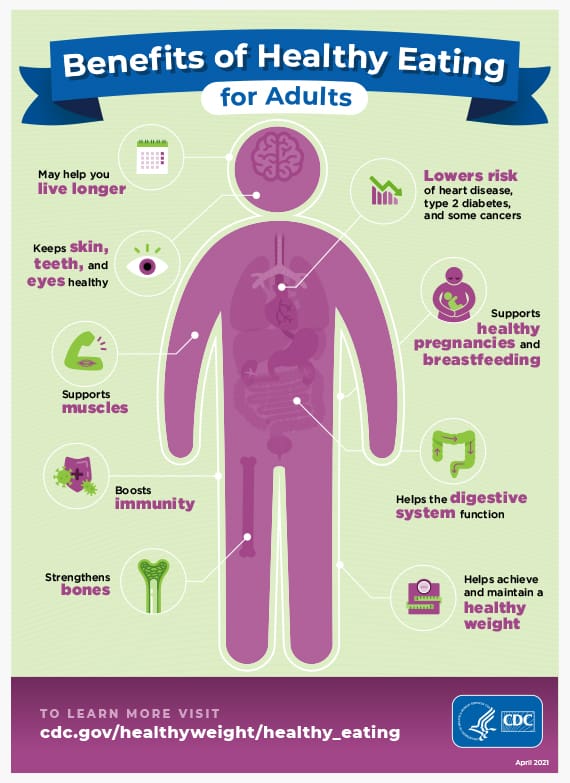
Maintaining a healthy diet is essential, but it’s equally important to incorporate regular physical activity into your routine. Combining healthy eating with exercise can optimize your overall health and well-being. Physical activity helps burn calories, build strength and endurance, improve cardiovascular health, and enhance mood. Engaging in regular exercise also supports weight management and can prevent various chronic diseases, such as heart disease, type 2 diabetes, and certain cancers. By finding the right balance between healthy eating and exercise, you can further enhance the benefits and achieve long-term wellness.
Benefits of regular physical activity
The benefits of regular physical activity are vast and extend beyond weight management. Engaging in regular exercise can improve overall fitness, enhance bone density, and strengthen muscles and joints. It boosts cardiovascular health, reducing the risk of heart disease and stroke. Regular physical activity can also enhance mental well-being, as it releases endorphins that elevate mood and reduce stress. Exercise promotes better sleep, improves cognitive function, and increases energy levels. By making exercise a regular part of your routine, you can experience these numerous benefits and achieve optimal physical and mental health.
Finding enjoyable forms of exercise
To make exercise a sustainable habit, it’s important to find activities that you truly enjoy. Engaging in activities that you find enjoyable and fulfilling increases the likelihood of sticking with them in the long run. Experiment with different forms of exercise, such as brisk walking, cycling, dancing, swimming, or yoga, to discover what resonates with you. Consider joining fitness classes, sports teams, or hiking groups to make exercise a social and fun experience. If you prefer solitude, try activities like jogging or hiking alone. By finding enjoyable forms of exercise, you can create a sustainable fitness routine that you look forward to.
Incorporating movement into daily routine
In addition to structured exercise sessions, incorporating movement into your daily routine is crucial for overall wellness. Aim to be active throughout the day, even if you have a sedentary job. Take breaks to stretch or walk around, use stairs instead of elevators, and park farther away from your destination to increase your daily steps. Engage in activities like gardening, household chores, or dancing while doing household tasks. By incorporating movement into your daily routine, you can increase your overall energy expenditure and promote an active lifestyle. Remember, every little bit of movement counts and contributes to your overall health.
10. Sustainable Lifestyle Changes
Making realistic and achievable goals
When it comes to adopting healthy eating habits and lifestyle changes, it’s important to set realistic and achievable goals. Rather than aiming for drastic changes overnight, break down your goals into smaller, manageable steps. For example, instead of completely eliminating unhealthy food options, focus on reducing their consumption gradually. These gradual changes are more likely to become permanent habits. Set specific and measurable goals, and track your progress along the way. Celebrate achievements and use setbacks as learning opportunities. By making realistic and achievable goals, you can create a sustainable foundation for long-term wellness.
Gradual implementation of new habits
Making sudden and drastic changes to your lifestyle can be overwhelming and ultimately unsustainable. Instead, focus on gradually implementing new habits and behaviors. Start with one or two small changes, such as adding an extra serving of vegetables to your meals or replacing sugary beverages with water. Once these changes become ingrained in your routine, build upon them by incorporating additional healthy habits. By taking a gradual approach, you can establish healthy habits that become second nature, leading to long-lasting improvements in your well-being.
Creating a supportive environment
Creating a supportive environment is essential for maintaining healthy habits and achieving long-term wellness. Surround yourself with individuals who share your goals or are supportive of your journey. Share your aspirations with friends and family, and consider aligning your goals with those of your loved ones. Engage in activities that promote healthy behaviors, such as joining a fitness class or cooking meals together. Remove any obstacles or temptations that may hinder your progress. By creating a supportive environment, you can foster accountability, motivation, and long-term success.
Seeking professional guidance if needed
If you are struggling to establish healthy eating habits or create a sustainable lifestyle, consider seeking professional guidance. Registered dietitians specialize in nutrition and can provide personalized advice and guidance to help you meet your goals. They can assess your current eating patterns, identify areas for improvement, and develop a tailored plan that aligns with your needs and preferences. Additionally, fitness professionals or personal trainers can offer guidance and support in designing an exercise regimen that suits your individual goals and abilities. By seeking professional guidance, you can receive expert advice and support on your journey toward long-term wellness.
In conclusion, healthy eating habits are essential for long-term wellness. By understanding the importance of macronutrients and micronutrients, consuming a variety of foods, controlling portions, and eating mindfully, you can establish a well-rounded diet. Planning balanced meals, staying hydrated, choosing healthy snacks, and avoiding crash diets and processed foods further contribute to overall health. Regular physical activity and sustainable lifestyle changes are crucial for maintaining a healthy weight and promoting optimal well-being. Remember to consult with healthcare professionals or registered dietitians for personalized guidance and support. With dedication and mindful choices, you can cultivate healthy eating habits that support your long-term wellness journey.