
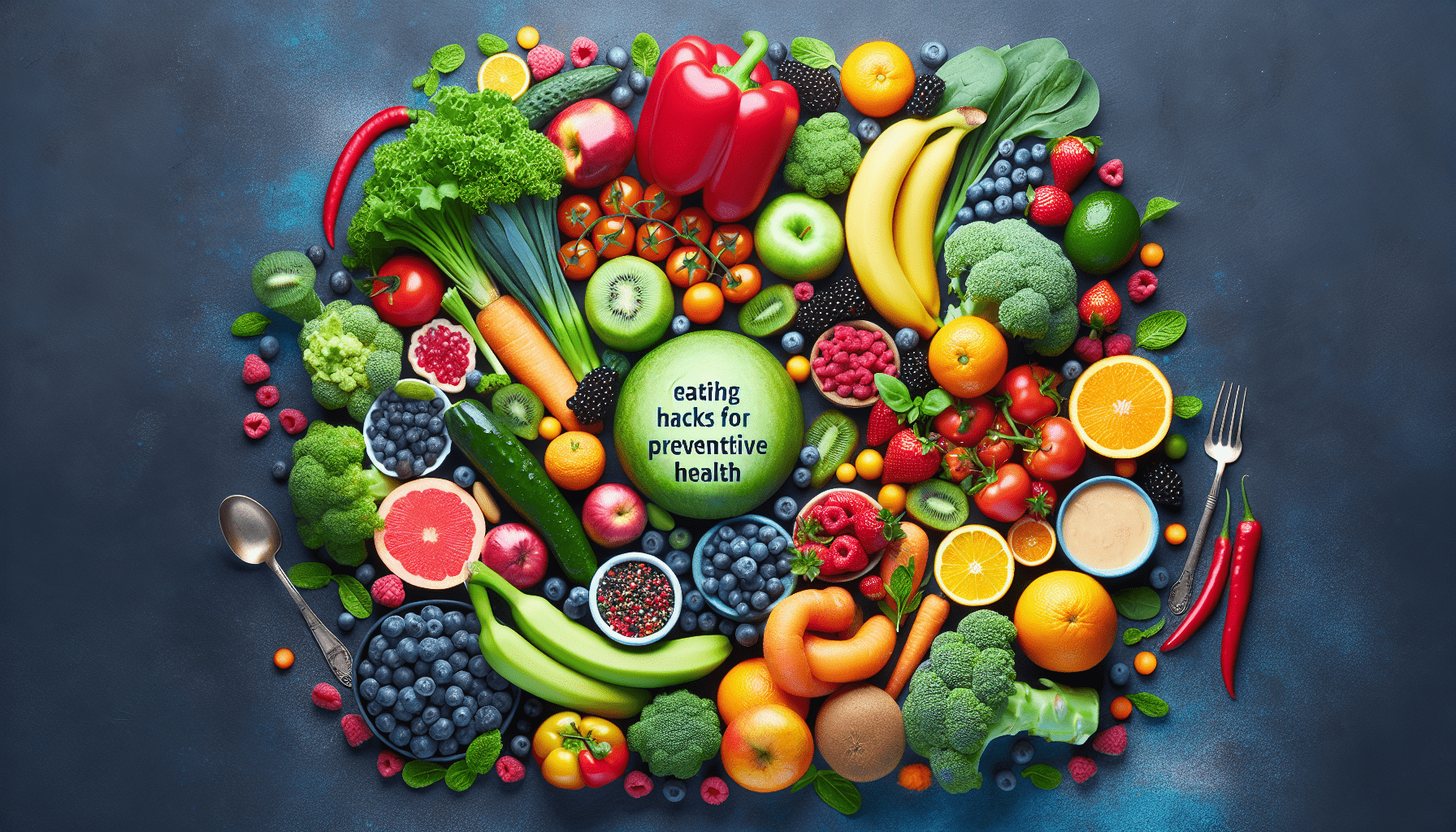
Are you looking for simple ways to improve your overall health? Look no further! In this article, we will explore some easy and effective healthy eating hacks that can help you maintain a preventive lifestyle. By making small changes to your diet, you can boost your immune system, improve your digestion, and increase your energy levels. Whether you’re a busy professional or a busy parent, these tips will suit your lifestyle and keep you on the path towards a healthier you. So, let’s get started on this journey towards better eating habits for preventive health.
Choose Nutrient-Rich Foods
When it comes to maintaining a healthy diet, choosing nutrient-rich foods is key. By including a variety of fruits and vegetables in your meals, you can ensure that you are getting a wide range of vitamins, minerals, and antioxidants. These colorful and flavorful additions to your plate not only provide essential nutrients, but they also add variety and taste to your meals.
In addition to fruits and vegetables, it’s important to opt for whole grains instead of refined grains. Whole grains are rich in fiber, which is essential for digestive health and can help keep you feeling full and satisfied. They also provide important nutrients like B vitamins and minerals. So, instead of reaching for white bread or white rice, choose whole wheat bread, brown rice, or quinoa to add a nutritious boost to your meals.
Another important component of a healthy diet is lean proteins. Incorporating lean proteins into your meals can help build and repair tissues, support muscle growth, and keep you feeling satisfied. Lean meats, such as chicken breast or turkey, fish, eggs, and plant-based proteins like beans and lentils are all great options to include in your meals. Be mindful of portion sizes and aim for a palm-sized portion of protein with each meal.
While fats have long been demonized, it’s important to include healthy fats in your diet. Healthy fats, such as those found in avocados, nuts, seeds, and olive oil, can help support brain function, protect your heart health, and even aid in weight management. So don’t shy away from adding a sprinkle of nuts or a drizzle of olive oil to your dishes.
Practice Portion Control
Portion control plays a major role in maintaining a healthy diet. By using smaller plates and bowls, you can trick your brain into feeling satisfied with less food. Research has shown that people tend to eat less when they use smaller plates, so make the switch and see the difference it can make.
Measuring your portions can also be a helpful strategy in portion control. Use measuring cups or a food scale to ensure that you are eating appropriate portion sizes. It’s easy to underestimate or overestimate serving sizes, so taking the time to measure can make all the difference.
It’s also important to pay attention to serving sizes. Many packaged foods come with nutrition labels that include information on serving sizes, so be sure to read and follow these guidelines. By being aware of the recommended serving sizes, you can avoid overeating and ensure that you are providing your body with the appropriate amount of nutrients.
Eating directly from the package can lead to mindless snacking and overeating. Instead, take the time to portion out your snacks onto a plate or into a bowl. This simple step can help you be more mindful of your food intake and prevent you from mindlessly consuming more than you intended.
Prepare Meals at Home
Cooking at home allows you to have more control over the ingredients in your meals. By preparing your meals from scratch, you can avoid unnecessary additives, preservatives, and unhealthy fats that are often found in processed or restaurant-prepared foods. It also gives you the opportunity to experiment with new flavors and recipes, making healthy eating more enjoyable and exciting.
Planning your meals in advance can be a game-changer when it comes to maintaining a healthy diet. By taking the time to plan out your meals for the week, you can ensure that you have all the necessary ingredients on hand and avoid reaching for unhealthy takeout options when you’re feeling rushed or tired. Consider making a grocery list and sticking to it to avoid impulse purchases and stay on track with your healthy eating goals.
Batch cooking and meal prepping can be a huge time saver and make eating healthy throughout the week more convenient. Dedicate a few hours on your day off to cooking larger batches of your favorite meals, and then portion them out into individual containers for easy grab-and-go options. This way, you’ll always have a nutritious meal ready to heat up when you’re short on time or don’t feel like cooking from scratch.
Don’t be afraid to get creative in the kitchen and experiment with new recipes and flavors. Healthy eating doesn’t have to be boring or bland. Look for interesting recipes online, try out different spices and herbs, and have fun exploring the world of nutritious and delicious meals you can create at home.
Limit Processed and Junk Food
Processed and junk foods are often high in added sugars, unhealthy fats, and sodium. By reducing your consumption of these foods, you can significantly improve your overall health and well-being. One of the biggest culprits when it comes to excess sugar consumption is sugary drinks and sodas. These beverages not only contribute to weight gain, but they also increase the risk of developing chronic conditions like diabetes and heart disease. Opt for healthier options like water, herbal tea, or infused water to quench your thirst and stay hydrated.
Another common pitfall is processed snacks and chips. These snacks are typically high in unhealthy fats, sodium, and artificial additives. Instead of reaching for a bag of chips, choose healthier alternatives like air-popped popcorn, veggie sticks with hummus, or homemade kale chips. These options not only provide essential nutrients but also help satisfy your cravings for something crunchy and flavorful.
When shopping for groceries, take the time to read labels and avoid foods that are high in added sugars and unhealthy fats. Many packaged foods have hidden sugars and unhealthy fats, even if they are marketed as “healthy” or “natural.” Educate yourself on how to read labels and decipher ingredient lists to make informed choices about the foods you consume.
If you have a sweet tooth and crave treats like cookies or ice cream, consider making homemade versions using healthier ingredients. There are countless recipes available online that use natural sweeteners like dates or honey instead of refined sugar. By making your own treats, you can have better control over the ingredients and create healthier alternatives to satisfy your cravings.
Stay Hydrated
Staying hydrated is essential for maintaining overall health and well-being. Drinking plenty of water throughout the day helps to regulate body temperature, support digestion, and transport nutrients throughout your body. Aim to drink at least 8 cups (64 ounces) of water daily, and more if you are physically active or in hot weather.
While water is the best choice for hydration, you can also include other healthy beverages like herbal tea or infused water. Herbal teas provide hydration along with potential health benefits from the herbs used, such as calming effects or digestive support. Infused water can add a touch of flavor and make drinking water more enjoyable. Experiment with different combinations of fruits, herbs, and even vegetables like cucumber or mint to create your own refreshing infused water recipes.
In addition to beverages, you can also include hydrating foods in your diet. Many fruits and vegetables have high water content, such as watermelon, cucumbers, and strawberries. These foods not only provide hydration but also contribute important nutrients like vitamins, minerals, and antioxidants. Make it a habit to include a variety of hydrating foods in your daily meals and snacks.
To ensure that you are staying adequately hydrated, consider tracking your water intake. There are many smartphone apps available that can help you monitor your water consumption and remind you to drink throughout the day. By being mindful of your hydration levels, you can optimize your overall health and well-being.
Include Fiber in Your Diet
Fiber is an essential nutrient that plays a crucial role in maintaining digestive health, managing weight, and preventing chronic diseases. Including fiber-rich foods in your diet can help regulate blood sugar levels, lower cholesterol, and keep you feeling full and satisfied. Here are some simple ways to incorporate more fiber into your meals:
Choose whole fruits instead of fruit juices. Whole fruits contain more fiber and are less concentrated in natural sugars compared to fruit juices. So, instead of reaching for a glass of orange juice, opt for a fresh orange or a handful of berries.
Include high-fiber vegetables like broccoli and Brussels sprouts. These cruciferous vegetables are not only packed with vitamins and minerals but also provide a good amount of fiber. Add them to stir-fries, salads, or roast them for a tasty and nutritious side dish.
Opt for whole grains like brown rice and quinoa. Whole grains retain the bran and germ, which are rich in fiber and nutrients. Use whole grain options in place of refined grains like white rice or white bread to increase your fiber intake.
Incorporate legumes and beans into your meals. Legumes and beans, such as chickpeas, lentils, and black beans, are excellent sources of fiber and plant-based protein. Add them to soups, salads, or main dishes to boost your fiber intake and add a satisfying texture to your meals.
By including these fiber-rich foods in your diet, you can promote a healthy digestive system, maintain stable blood sugar levels, and support overall well-being.
Be Mindful of Your Eating Habits
In today’s fast-paced world, it’s easy to fall into the trap of mindless eating. By practicing mindfulness and being present while you eat, you can develop a healthier relationship with food and improve your overall eating habits. Here are some tips to help you eat mindfully:
Eat slowly and savor each bite. Take the time to enjoy the flavors, textures, and aromas of your food. Chew slowly and fully before swallowing, and pay attention to how each bite makes you feel.
Avoid distractions while eating such as TV or phone. It’s easy to mindlessly consume large quantities of food when you’re engaged in other activities. Instead, create a peaceful eating environment and focus solely on the act of eating.
Listen to your body’s hunger and fullness cues. Pay attention to your body’s signals of hunger and fullness. Eat when you’re hungry and stop when you’re satisfied, not when you’re overly full. This can help prevent overeating and promote a healthier relationship with food.
Practice mindful eating and engage your senses. Take a moment to appreciate the colors, smells, and textures of your food. This can enhance your eating experience and help you feel more satisfied with your meal.
By being mindful of your eating habits, you can shift away from mindless eating and develop a healthier, more balanced approach to food.
Reduce Sodium Intake
While sodium is an essential nutrient, consuming too much can have negative effects on your health. Excessive sodium intake has been linked to high blood pressure, an increased risk of heart disease, and other health issues. Here are some strategies to help you reduce your sodium intake:
Read labels and choose low-sodium options. Many packaged foods contain high amounts of sodium, so it’s important to read the labels and choose products with lower sodium content. Look for items labeled as “low-sodium” or “no added salt.”
Limit processed and packaged foods. Processed and packaged foods often contain high levels of sodium as a preservative or flavor enhancer. By reducing your intake of these foods and choosing fresh, whole foods instead, you can significantly decrease your sodium intake.
Use herbs and spices to add flavor to your meals instead of salt. Experiment with different herbs and spices to enhance the flavors of your dishes. Fresh herbs like basil, parsley, or cilantro, as well as spices like garlic powder, paprika, or cumin, can provide a burst of flavor without the need for excessive salt.
Cook meals from scratch to have better control over sodium content. When you cook meals at home, you have complete control over the ingredients that go into your dishes. By avoiding pre-packaged sauces or seasonings and making your own from scratch, you can easily reduce your sodium intake.
By following these strategies, you can reduce your sodium intake and improve your overall health and well-being.
Include Healthy Snacks
Healthy snacking can help keep your energy levels up throughout the day and prevent overeating at mealtime. By having a variety of fruits and vegetables ready to snack on, you can satisfy your hunger and provide your body with important nutrients. Keep a bowl of fresh fruit on your countertop or cut up vegetables like carrots, bell peppers, or celery to have on hand for quick and healthy snacks.
Nuts and seeds are another great option for a satisfying and nutritious snack. They provide healthy fats, protein, and fiber, which can help keep you feeling full and satisfied. A small handful of almonds, walnuts, or pumpkin seeds can provide a quick energy boost and provide important nutrients.
If you’re looking for something a little more substantial, consider preparing homemade energy balls or protein bars. These snacks can be made in advance and stored in the fridge or freezer for quick and convenient snacking. Look for recipes that use natural sweeteners like dates or honey and include ingredients like oats, nuts, and seeds for added fiber and nutrients.
Yogurt or hummus with whole grain crackers is another healthy snack option. These snacks provide protein, calcium, and fiber, making them a satisfying and nutritious choice. Look for plain yogurt or hummus without added sugars or artificial ingredients, and choose whole grain crackers for added fiber and nutrients.
By incorporating healthy snacks into your daily routine, you can curb cravings, keep your energy levels stable, and support overall health and well-being.
Make Smart Substitutions
Making smart substitutions in your recipes and daily meals can help you reduce unhealthy fats, added sugars, and empty calories while still enjoying delicious and satisfying meals. Here are some easy swaps you can make to create healthier versions of your favorite dishes:
Replace butter with healthier fats like olive oil or avocado. Butter is high in saturated fat, while olive oil and avocado contain heart-healthy monounsaturated fats. Use these healthier alternatives in cooking and baking to reduce your intake of unhealthy fats.
Use Greek yogurt instead of sour cream in recipes. Greek yogurt is a versatile ingredient that can be used as a healthier substitute for sour cream. It provides protein, calcium, and probiotics, making it a nutrient-rich choice without sacrificing flavor or texture.
Choose whole grain bread instead of white bread. Whole grain bread is higher in fiber and nutrients compared to white bread, which is made from refined grains. Look for bread that lists whole grains as the first ingredient, and enjoy the added fiber and nutrients that come with it.
Replace sugary cereals with oatmeal or whole grain options. Many breakfast cereals are loaded with added sugars and lack important nutrients. Opt for oatmeal or whole grain cereals that are lower in added sugars and higher in fiber and nutrients.
By making these smart substitutions, you can still enjoy your favorite foods while improving the nutritional profile of your meals.
In conclusion, maintaining a healthy diet doesn’t have to be complicated or restrictive. By choosing nutrient-rich foods, practicing portion control, preparing meals at home, limiting processed and junk food, staying hydrated, including fiber in your diet, being mindful of your eating habits, reducing sodium intake, including healthy snacks, and making smart substitutions, you can make significant strides towards improving your overall health and well-being. Start incorporating these healthy eating hacks into your daily routine and enjoy the benefits of a balanced and nutritious diet.