
Congratulations on the arrival of your bundle of joy! Now that your little one is here, it’s important to prioritize your own well-being as well. This article will provide you with some valuable healthy eating tips to support your postpartum recovery journey. By nourishing your body with nutritious foods, you can optimize your energy levels, enhance your healing process, and promote overall well-being during this special time. So, let’s explore these simple and effective ways to make healthy eating a part of your postpartum routine.
Include Nutrient-Dense Foods
Eat a Variety of Fruits and Vegetables
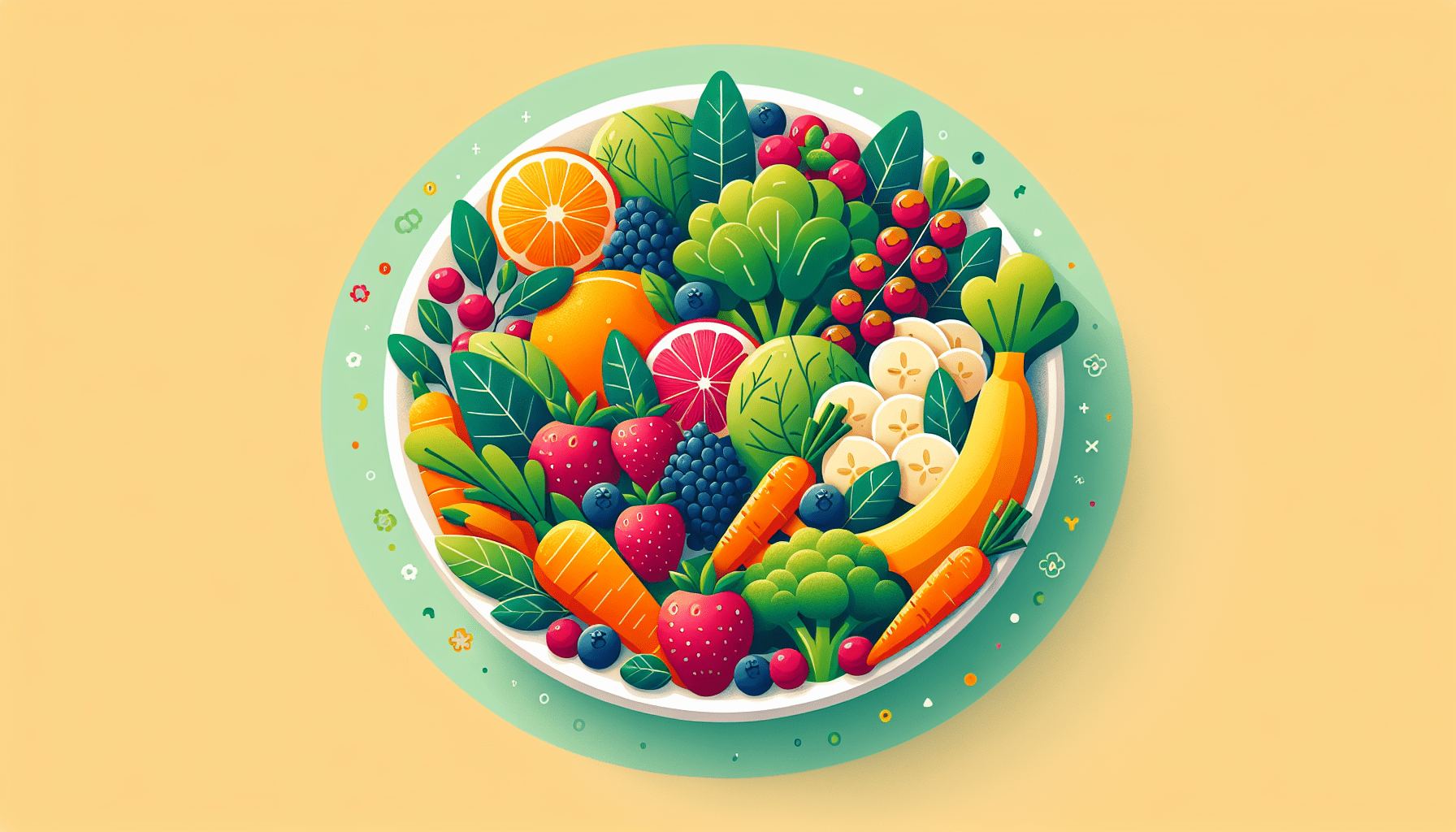
During the postpartum period, your body requires a variety of nutrients to recover and heal. One of the best ways to ensure you’re getting the necessary vitamins and minerals is by including a wide range of fruits and vegetables in your diet. These natural foods are packed with essential nutrients like vitamins A, C, and K, as well as fiber and antioxidants. Aim for a colorful assortment of fruits and vegetables to maximize your nutrient intake and support your overall health.
Choose Whole Grains
When it comes to carbohydrates, opting for whole grains is key to promoting postpartum recovery. Whole grains like brown rice, quinoa, and whole wheat bread are packed with fiber, vitamins, and minerals. They provide a steady release of energy and help keep you feeling full and satisfied. Plus, the fiber content aids in digestion and can help prevent constipation, which is common after childbirth. Incorporating whole grains into your meals is a simple and effective way to support your recovery.
Include Lean Proteins
Protein is an essential nutrient for postpartum recovery, as it plays a crucial role in tissue repair and muscle growth. Including lean sources of protein in your diet, such as skinless poultry, fish, beans, and tofu, can provide the necessary amino acids needed for healing. Lean proteins also help keep you feeling satiated, which can be especially helpful if you’re breastfeeding and need additional energy. Aim to incorporate protein-rich foods into each of your meals to support your recovery journey.
Consume Healthy Fats
Contrary to popular belief, not all fats are bad for you. In fact, healthy fats are an important part of a balanced diet, especially during postpartum recovery. Avocados, nuts, seeds, and olive oil are examples of foods rich in monounsaturated and polyunsaturated fats, which contribute to heart health and brain function. These healthy fats can also help reduce inflammation in the body, which may be beneficial during the healing process. Including these fats in your meals and snacks can provide both satisfaction and nourishment.
Add Calcium-Rich Foods
Calcium is vital for maintaining strong bones and teeth, and it becomes even more important during the postpartum period. If you’re breastfeeding, your body needs calcium to support your baby’s growing bones as well. Including calcium-rich foods in your diet, such as dairy products, leafy greens, and fortified plant-based milk, can help ensure you’re meeting your daily calcium needs. It’s important to note that calcium absorption is enhanced when consumed with foods high in vitamin D, so consider including sources like fortified dairy products or spending time outdoors to boost your vitamin D levels.
Stay Hydrated
Drink Plenty of Water
Staying hydrated is crucial for overall health, especially during the postpartum period. Drinking an adequate amount of water helps maintain proper bodily functions, aids digestion, and supports milk production if you’re breastfeeding. Aim to drink at least eight glasses of water or more each day to keep your body well-hydrated. Keeping a water bottle handy and setting reminders can help you establish a regular hydration routine.
Include Fluid-Rich Foods
In addition to drinking water, consuming fluid-rich foods can also contribute to your overall hydration. Soups, smoothies, and fruits like watermelon and oranges contain high water content, which helps replenish your fluids. These foods can be a refreshing and hydrating addition to your postpartum diet. However, it’s essential to balance fluid-rich foods with solid nutrition to ensure you’re meeting all your nutritional needs.
Eat Regular, Balanced Meals
Don’t Skip Breakfast
Starting your day with a nutritious breakfast is a wonderful habit to adopt during your postpartum recovery journey. After a long night’s sleep or late-night feedings, your body needs a boost of energy to kickstart the day. A balanced breakfast that includes protein, whole grains, and fruits or vegetables can provide the necessary nutrients and fuel to keep you energized throughout the day. Consider options like overnight oats, whole grain toast with avocado and eggs, or a smoothie packed with fruits and vegetables for a nourishing start to your morning.
Opt for Small, Frequent Meals
Following the birth of your baby, you may find it challenging to sit down for a full meal at specific times. Instead of stressing about traditional mealtimes, opt for small, frequent meals throughout the day to keep your energy levels stable. This approach can also be beneficial if you’re breastfeeding, as it helps meet the increased caloric demands. Plan and prepare snacks in advance, like vegetable sticks with hummus, Greek yogurt with berries, or a handful of nuts, to have nutritious options readily available when hunger strikes.
Include Protein in Every Meal
As mentioned earlier, protein is an essential nutrient for postpartum recovery, and it’s important to include it in every meal. Protein helps repair tissues, build muscle, and support the production of breast milk if you’re nursing. Incorporating lean sources of protein like chicken, fish, eggs, beans, and lentils into your meals can help you meet your daily protein requirements. Including protein in each meal also helps keep you feeling satiated, which can prevent unhealthy snacking and promote overall balance in your diet.
Fill Half Your Plate with Fruits and Vegetables
Fruits and vegetables should make up a significant portion of your meals, especially during postpartum recovery. Aim to fill half of your plate with colorful, nutrient-dense options like leafy greens, berries, carrots, and broccoli. These foods offer a myriad of vitamins, minerals, fiber, and antioxidants that promote healing and overall well-being. Experiment with various cooking methods and try incorporating a wide range of fruits and vegetables to enjoy a diverse array of flavors and nutrients.
Have Healthy Snacks on Hand
Choose Nutritious Snack Options
Snacking can be an essential part of your postpartum diet, providing necessary energy and curbing hunger between meals. Opting for nutritious snack options is crucial to ensure you’re fueling your body with the right kind of nutrients. Some healthy snack ideas include Greek yogurt, a handful of almonds, sliced fruits with nut butter, or whole grain crackers with hummus. These options provide a combination of protein, healthy fats, and complex carbohydrates to keep you satisfied and nourished.
Avoid Processed and Sugary Snacks
While it may be tempting to grab a bag of chips or a sugary treat when hunger strikes, it’s best to avoid processed and sugary snacks as much as possible. These snacks are typically high in empty calories, added sugars, and unhealthy fats, which do not provide the nourishment your body needs for recovery. Instead, opt for whole food-based snacks that deliver essential nutrients with minimal additives. By making conscious snack choices, you can support your postpartum recovery and promote long-term health.
Manage Portion Sizes
Listen to Your Body’s Hunger and Fullness Cues
During the postpartum period, it’s essential to listen to your body and honor its hunger and fullness cues. Pay attention to whether you’re truly hungry or just eating out of habit or boredom. Likewise, pay attention to feelings of fullness, and avoid overeating. Eating mindfully and being in tune with your body’s signals can help prevent unnecessary weight gain and promote a healthy relationship with food.
Use Smaller Plates and Bowls
Using smaller plates and bowls can be an effective strategy to manage portion sizes and prevent overeating. Research has shown that people tend to consume less when they eat from smaller dishes, as it gives the illusion of a more substantial portion. By downsizing your plateware, you can still enjoy a visually satisfying meal while naturally moderating your portions.
Avoid Eating Straight from the Package
Eating directly from the package can lead to mindless and excessive consumption. The lack of portion control can make it challenging to make conscious decisions about how much you’re eating. Instead, take a moment to portion out the desired amount onto a plate or bowl. This step allows you to visualize your serving size and be more mindful of your food intake. By creating this awareness, you can maintain better control over your portions and make informed choices about your postpartum nutrition.
Prioritize Protein
Choose Lean Sources of Protein
Protein is a vital nutrient for postpartum recovery, and choosing lean sources is key to ensuring you’re getting the most nutritional benefits. Lean proteins are lower in saturated fat and provide essential amino acids necessary for tissue repair and healing. Skinless poultry, fish, legumes, and tofu are excellent choices to incorporate into your meals and snacks. Including these lean protein sources in your diet supports muscle growth, repairs tissues, and aids in hormone regulation, contributing to a successful recovery journey.
Include Plant-Based Proteins
Plant-based proteins are a valuable addition to your postpartum diet, even if you’re not following a vegetarian or vegan lifestyle. Beans, lentils, quinoa, chia seeds, and hemp seeds are excellent plant-based sources of protein that can help meet your nutritional needs. Plant proteins are often rich in fiber, vitamins, and minerals, and they offer a wide range of health benefits. By diversifying your protein sources, you can provide your body with a broad spectrum of nutrients and support optimal recovery.
Include Healthy Fats
Opt for Unsaturated Fats
When it comes to fats, it’s important to focus on the quality of the fats you consume. Unsaturated fats, such as those found in avocados, nuts, seeds, and olive oil, are considered healthy fats and play a vital role in postpartum recovery. These fats help regulate hormones, support brain function, and reduce inflammation in the body. Including these fats in moderation as part of your meals and snacks can contribute to your overall well-being and pave the way for a successful recovery.
Choose Sources Like Avocados, Nuts, and Olive Oil
Avocados, nuts, and olive oil are excellent examples of healthy fat sources that can be easily incorporated into your postpartum diet. Avocados are a nutrient-rich fruit that provides monounsaturated fats, fiber, and essential vitamins and minerals. Nuts, such as almonds, walnuts, and cashews, offer a combination of healthy fats, protein, and antioxidants. Olive oil, especially extra virgin olive oil, is a great choice for cooking and dressing, as it provides a dose of healthy fats and enhances the flavor of your dishes.
Get Essential Nutrients
Ensure Adequate Iron Intake
After giving birth, it’s common for new moms to experience blood loss and a temporary drop in iron levels. Adequate iron intake is crucial for postpartum recovery and maintaining overall health. Including iron-rich foods in your daily meals can help replenish your iron stores and prevent iron deficiency anemia. Foods like lean red meat, poultry, fish, beans, lentils, spinach, and fortified cereals are excellent sources of iron that can support your recovery and provide the energy needed for daily activities.
Include Foods Rich in Omega-3 Fatty Acids
Omega-3 fatty acids are essential for brain health, reducing inflammation, and supporting hormonal balance. Including foods rich in omega-3 fatty acids, such as fatty fish like salmon and trout, walnuts, flaxseeds, and chia seeds, can provide these valuable nutrients. These foods can help support your overall well-being and contribute to a smoother postpartum recovery by reducing inflammation and supporting optimal brain function.
Consume Foods High in Vitamin C for Iron Absorption
Iron absorption is enhanced when consumed with vitamin C-rich foods. Including fruits like oranges, strawberries, and kiwi, as well as vegetables like bell peppers, broccoli, and kale, can support iron absorption and utilization in your body. Pairing these vitamin C-rich foods with iron-rich sources can help you maximize the availability of the iron you consume and ensure your body is absorbing and utilizing it effectively.
Get Enough Calcium and Vitamin D
Calcium is essential for bone health, while vitamin D aids in calcium absorption. During the postpartum period, it’s crucial to maintain adequate levels of both these nutrients. Including dairy products like milk, cheese, and yogurt, as well as leafy greens, fortified plant-based milk, and exposure to sunlight, can help you meet your calcium and vitamin D needs. If you’re concerned about meeting your calcium and vitamin D requirements, talk to your healthcare provider about possibly incorporating supplements into your routine.
Limit Processed and Sugary Foods
Reduce Intake of Processed Foods
Processed foods are often high in unhealthy fats, added sugars, sodium, and artificial additives, which can hinder postpartum recovery. These foods offer little nutritional value and can lead to increased inflammation and weight gain. In the long run, excessive consumption of processed foods can negatively impact your overall health and well-being. It’s best to prioritize whole, unprocessed foods as the foundation of your postpartum diet and limit your intake of processed options as much as possible.
Minimize Added Sugars
Excessive consumption of added sugars can lead to weight gain, increased inflammation, and a higher risk of chronic diseases. Minimizing your intake of sugary foods and beverages is essential for maintaining balanced blood sugar levels and supporting your body’s healing process. Instead of reaching for sugary snacks or drinks, opt for natural sweets like fresh fruits or small amounts of natural sweeteners like honey or maple syrup. By making mindful choices to reduce added sugars, you can better support your overall health during the postpartum period.
Avoid Sugary Beverages
Sugar-sweetened beverages like sodas, energy drinks, and fruit juices are high in empty calories and provide little nutritional value. These drinks can lead to weight gain and blood sugar imbalances, which can hamper your postpartum recovery. Staying hydrated is crucial, but it’s best to choose water, herbal teas, or naturally flavored water over sugary beverages. These options will help quench your thirst without the negative effects of added sugars.
Practice Mindful Eating
Slow Down and Enjoy Your Meals
Taking the time to slow down and savor your meals is an important aspect of mindful eating. By eating slowly, you give your body a chance to recognize feelings of fullness and satisfaction. Chew your food thoroughly and pay attention to the flavors, textures, and sensations that arise. This practice not only enhances your overall dining experience but also allows you to better assess your hunger and fullness signals.
Be Present and Listen to Your Body’s Hunger Signals
Being present and tuning in to your body’s hunger and fullness signals is an essential part of mindful eating. Take a moment to assess your hunger levels before each meal or snack and eat accordingly. Additionally, listen to your body’s cues of fullness and stop eating when you feel satisfied, rather than stuffed. Being mindful of how your body feels during and after eating can help you establish a more intuitive and balanced eating pattern.
Avoid Eating While Distracted
Eating while distracted, such as watching TV, working, or scrolling through your phone, can lead to mindless eating and overconsumption. When you engage in other activities while eating, you’re less likely to pay attention to your body’s signals and may not realize when you’re satisfied. Make an effort to eat without distractions, focusing solely on your mealtime experience. This mindful approach can help you better gauge your hunger and fullness levels and foster a healthier relationship with food.
In conclusion, a healthy postpartum diet plays a crucial role in supporting your recovery, nourishing your body, and providing the energy needed to care for yourself and your new baby. By including nutrient-dense foods, staying hydrated, eating balanced meals, choosing healthy snacks, managing portion sizes, prioritizing protein and healthy fats, getting essential nutrients, limiting processed and sugary foods, and practicing mindful eating, you can lay a solid foundation for a successful postpartum recovery and long-term well-being. Remember to always consult with your healthcare provider for personalized advice and guidance on your postpartum nutrition journey.