
Are you a senior looking to make healthier choices when it comes to your diet? Look no further! In this article, you will find a collection of practical and easy-to-follow tips that will help you maintain a healthy lifestyle through the power of nutrition. From incorporating more fruits and vegetables into your meals to staying well-hydrated, these tips are designed to support your overall well-being and ensure that you are getting the nutrients your body needs as you age. So, let’s dive in and discover some simple and effective ways to enhance your eating habits and achieve a healthier you!
Choose Nutrient-Rich Foods
When it comes to maintaining a healthy diet, choosing nutrient-rich foods is key. As a senior, your nutritional needs may be different than when you were younger, so it’s important to focus on foods that provide essential vitamins and minerals while being mindful of your calorie intake. Here are some tips to help you choose nutrient-rich foods:
Include fruits and vegetables in your diet
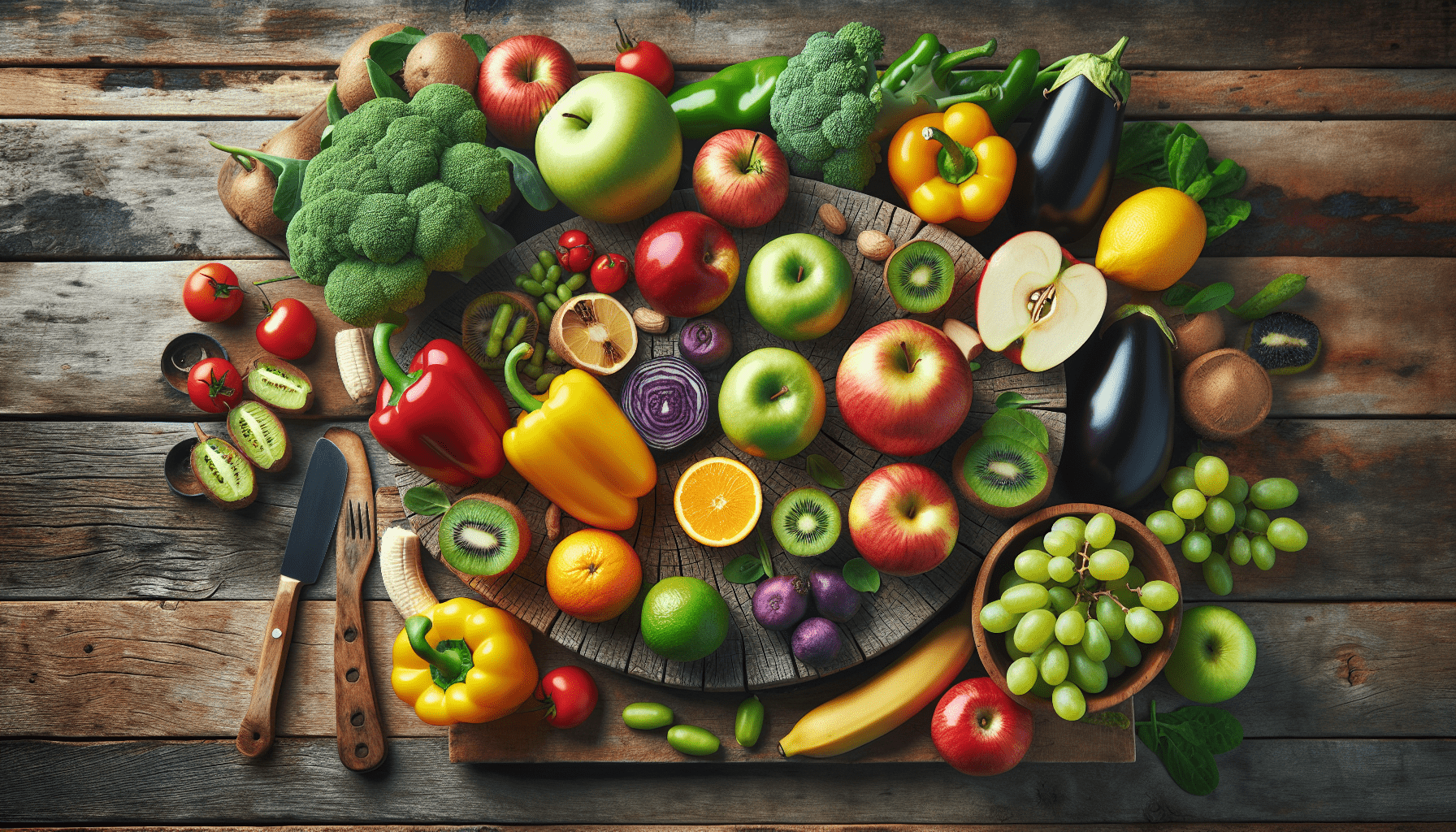
Fruits and vegetables are packed with vitamins, minerals, and dietary fiber, making them an essential part of a healthy diet. Aim to include a variety of colorful fruits and vegetables in your meals and snacks. Whether it’s berries, leafy greens, or bell peppers, adding these nutritious foods to your plate will provide essential nutrients that your body needs to function properly.
Opt for whole grains
When it comes to choosing grains, opt for whole grains over refined grains. Whole grains are rich in fiber, vitamins, and minerals, while refined grains have been stripped of much of their nutritional value. Instead of white bread and white rice, choose whole wheat bread, brown rice, and whole grain pasta. These choices will not only provide more nutrients but also help maintain a healthy digestive system and keep you feeling full and satisfied.
Incorporate lean protein sources
Protein is an essential nutrient for seniors as it helps maintain muscle mass, supports healthy immune function, and aids in wound healing. However, it’s important to choose lean protein sources to keep your overall fat intake in check. Opt for options such as skinless poultry, fish, beans, lentils, and tofu. These protein-rich foods will provide the necessary amino acids without adding excess saturated fat to your diet.
Include low-fat dairy products
Dairy products are an excellent source of calcium, which is important for maintaining strong bones and teeth. However, it’s essential to choose low-fat or fat-free dairy products to limit your intake of saturated fats. Opt for skim milk, low-fat yogurt, and reduced-fat cheeses. If you’re lactose intolerant or prefer plant-based alternatives, fortified soy or almond milk can be good options.
Limit foods high in added sugars and saturated fats
While some fats and sugars are necessary for a balanced diet, it’s important to keep their intake in moderation. Foods high in added sugars and saturated fats can contribute to weight gain and increase your risk of chronic diseases such as heart disease and diabetes. Limit your intake of sugary snacks, desserts, and beverages. Instead, satisfy your sweet tooth with fresh fruits or opt for healthier alternatives like dried fruits or dark chocolate. When it comes to fats, limit your consumption of foods like butter, margarine, and processed meats. Instead, choose healthier fats like olive oil, avocados, and nuts.
Maintain Adequate Hydration
Staying hydrated is essential for your overall health and well-being, especially as you age. Here are some tips to help you maintain adequate hydration:
Drink plenty of water
Water is the best and most readily available source of hydration. Make it a habit to drink water throughout the day, even if you don’t feel thirsty. Keep a water bottle handy or set reminders to ensure you’re getting enough fluids. Aim for at least 8 cups (64 ounces) of water per day, but individual needs may vary depending on your activity level, climate, and health conditions.
Consume hydrating foods like fruits and vegetables
In addition to drinking water, you can also increase your hydration by consuming foods with high water content. Fruits like watermelon, strawberries, and cucumbers, as well as vegetables like lettuce and celery, are excellent choices. These foods not only provide hydration but also contribute to your daily intake of vitamins and minerals.
Limit intake of sugary drinks and caffeinated beverages
While drinks like soda, fruit juice, and coffee can be enjoyable, they can also contribute to dehydration if consumed in excess. These drinks may contain added sugars or caffeine, which can have a diuretic effect and increase urine production. If you choose to consume these beverages, do so in moderation and balance them with water or other hydrating options.
Portion Control and Balanced Meals
Maintaining portion control and creating balanced meals is important for managing your weight and ensuring you’re getting the right nutrients. Here are some tips to help you achieve this:
Use smaller plates and bowls
Using smaller plates and bowls can help you control portion sizes and prevent overeating. When your plate looks visually full, it can trick your mind into thinking you’re consuming a larger portion. This simple trick can help you eat less without feeling deprived.
Fill half of your plate with fruits and vegetables
Aim to fill half of your plate with a variety of colorful fruits and vegetables. These nutrient-dense foods are low in calories and high in fiber, making them a great option for maintaining a healthy weight. They also provide essential vitamins and minerals, promoting overall health and well-being.
Include a lean protein source and whole grains in each meal
To create a well-balanced meal, include a lean protein source and whole grains alongside your fruits and vegetables. This combination will provide you with the necessary nutrients and help keep you feeling satisfied. For example, you could have grilled chicken breast with quinoa and steamed vegetables or a tofu stir-fry with brown rice and mixed greens.
Limit high-calorie and high-sodium foods
While it’s important to enjoy your favorite foods, it’s also essential to be mindful of portion sizes, especially when it comes to high-calorie or high-sodium foods. These foods, such as fried dishes, processed snacks, and salty condiments, can contribute to weight gain and increase your risk of health issues. Enjoy these foods in moderation and opt for healthier alternatives whenever possible.
Manage Sodium Intake
Excessive sodium intake can lead to high blood pressure and increase the risk of heart disease. Here are some tips to help you manage your sodium intake:
Read food labels for sodium content
When grocery shopping, take the time to read food labels and choose products lower in sodium. Pay attention to the serving size and the amount of sodium per serving. Look for options labeled as “low-sodium” or “no added salt.”
Cook meals from scratch using fresh ingredients
Cooking meals from scratch allows you to have more control over the amount of sodium in your food. By using fresh ingredients and herbs and spices for flavoring, you can reduce the need for added salt. Experiment with different herbs and spices to add flavor to your dishes without relying on salt.
Limit the use of salt in cooking and at the table
Be mindful of the amount of salt you add during cooking and at the table. Start by reducing the amount you use and gradually adjust to the taste. Over time, your taste buds will adapt to lower sodium levels, and you may find that you enjoy the natural flavors of foods without the need for excessive salt.
Choose low-sodium alternatives for condiments and seasonings
Swap out high-sodium condiments like soy sauce, ketchup, and salad dressings for low-sodium or reduced-sodium options. You can also experiment with using fresh herbs, lemon juice, or vinegar as alternatives to enhance the flavor of your meals.
Stay Active and Maintain a Healthy Weight
In addition to a healthy diet, regular physical activity is crucial for maintaining a healthy weight and overall well-being. Here’s how you can stay active as a senior:
Engage in regular physical activity
Find activities that you enjoy and incorporate them into your daily routine. Whether it’s walking, swimming, yoga, or gardening, staying active can help improve cardiovascular health, maintain muscle strength, and boost your mood. Aim for at least 150 minutes of moderate-intensity aerobic activity per week, along with muscle-strengthening exercises twice a week.
Consult with a healthcare professional for appropriate exercise recommendations
If you have any pre-existing health conditions or concerns, it’s important to consult with a healthcare professional before starting a new exercise program. They can provide you with personalized recommendations and guidelines to ensure your safety and maximize the benefits of physical activity.
Avoid crash diets and focus on gradual weight loss if needed
If you’re looking to lose weight, it’s important to approach it in a healthy and sustainable way. Crash diets or extreme calorie restrictions can have negative effects on your overall health and metabolism. Instead, aim for gradual weight loss by making small, sustainable changes to your diet and lifestyle over time.
Monitor portion sizes and practice mindful eating
Portion control is key for maintaining a healthy weight. Be mindful of the amount of food you’re consuming and pay attention to your body’s hunger and fullness cues. Slow down while eating, savor each bite, and avoid distractions like television or electronic devices. Eating mindfully can help you better recognize when you’re full and prevent overeating.
Ensure Adequate Intake of Calcium and Vitamin D
Calcium and vitamin D are essential for maintaining bone health and reducing the risk of osteoporosis. Here’s how you can ensure an adequate intake of these nutrients:
Consume dairy products or fortified plant-based alternatives
Dairy products like milk, yogurt, and cheese are excellent sources of calcium. If you’re lactose intolerant or follow a plant-based diet, consider fortified plant-based alternatives such as soy or almond milk. These products have added calcium and vitamin D to match the levels found in dairy.
Include sources of vitamin D like fatty fish, eggs, and fortified foods
Vitamin D helps with the absorption of calcium and is synthesized by the body when exposed to sunlight. However, it can be challenging for seniors to get enough vitamin D from sunlight alone. Include sources of vitamin D in your diet, such as fatty fish like salmon or mackerel, eggs, and fortified foods like cereals, orange juice, and tofu.
Consider supplements if advised by a healthcare professional
If you’re unable to meet your calcium and vitamin D needs through food alone or have specific dietary restrictions, talk to a healthcare professional about the possibility of taking supplements. They can assess your individual needs and provide appropriate recommendations to ensure you’re meeting your nutritional requirements.
Choose Heart-Healthy Fats
Not all fats are created equal. Choosing heart-healthy fats can help support cardiovascular health and reduce the risk of heart disease. Here’s what you can do:
Opt for olive oil, avocado, and nuts
Instead of saturated and trans fats found in fried and processed foods, choose heart-healthy fats like olive oil, avocado, and nuts. These fats are rich in monounsaturated and polyunsaturated fats, which can help lower bad cholesterol levels and reduce inflammation in the body.
Limit intake of saturated and trans fats
Saturated fats and trans fats can increase your risk of heart disease and other health issues. Limit your intake of foods like butter, full-fat dairy products, fatty meats, and processed snacks. Be mindful of food labels and choose options lower in saturated and trans fats when possible.
Avoid fried and processed foods
Fried foods and processed snacks often contain high amounts of unhealthy fats, sodium, and added sugars. Opt for healthier cooking methods like baking, grilling, or steaming, and choose whole, unprocessed foods whenever possible. This will help reduce your intake of unhealthy fats and promote a heart-healthy diet.
Read food labels to make informed choices
When grocery shopping, take the time to read food labels and check for the type and amount of fat in the products you’re purchasing. Look for options that are low in saturated fats and trans fats and higher in unsaturated fats. This will help you make informed choices that support your heart health.
Combat Constipation with High-Fiber Foods
Constipation can be a common issue among seniors, but it can often be managed through dietary changes. Here’s how you can combat constipation with high-fiber foods:
Include whole grains, fruits, vegetables, and legumes in your diet
Fiber plays a crucial role in maintaining a healthy digestive system and preventing constipation. Include high-fiber foods like whole grains (brown rice, whole wheat bread), fruits and vegetables (apples, berries, broccoli), and legumes (beans, lentils) in your diet. These foods add bulk to your stool and promote regular bowel movements.
Drink plenty of fluids to aid digestion
Fiber needs water to work effectively in the digestive system. Make sure to drink plenty of fluids throughout the day to help soften and move stool through the intestines. Water, herbal tea, and clear soups can be particularly beneficial for preventing constipation.
Exercise regularly to promote bowel movements
Physical activity can help stimulate the muscles in your intestines and promote regular bowel movements. Engage in activities like walking, swimming, or yoga to improve digestion and relieve constipation. Consult with a healthcare professional if you have any mobility or health concerns before starting a new exercise routine.
Consult with a healthcare professional if constipation persists
If you’re experiencing persistent constipation or have concerns, it’s important to consult with a healthcare professional. They can assess your situation and provide personalized recommendations to alleviate your symptoms and promote regularity.
Be Mindful of Food Safety
As a senior, it’s important to pay attention to food safety practices to prevent foodborne illnesses. Here are some tips to help you stay safe:
Store and handle food properly to prevent foodborne illnesses
Ensure that your refrigerator is set at the appropriate temperature and that perishable foods are stored promptly. Keep raw meats separated from other foods to prevent cross-contamination. Wash your hands thoroughly before and after handling food to minimize the risk of bacteria transfer.
Cook foods to appropriate temperatures
To kill harmful bacteria and ensure food safety, it’s important to cook foods to the appropriate internal temperatures. Use a food thermometer to check the doneness of meats, poultry, and seafood. The recommended cooking temperatures vary for different types of food, so consult a reliable source or refer to food safety guidelines for specifics.
Avoid raw or undercooked meats, seafood, eggs, and unpasteurized products
Raw or undercooked animal products, such as meats, seafood, and eggs, can harbor harmful bacteria like salmonella and E. coli. Avoid consuming these foods raw or undercooked to minimize the risk of foodborne illnesses. Additionally, avoid consuming unpasteurized products, including raw milk or cheeses made from raw milk.
Wash hands frequently and keep kitchen surfaces clean
Proper hygiene plays a crucial role in preventing foodborne illnesses. Wash your hands thoroughly with soap and water before and after handling food, especially raw meats. Clean kitchen surfaces, utensils, and cutting boards with hot, soapy water after each use to eliminate any potential bacteria buildup.
Seek Professional Guidance
Healthy eating can be complex, especially when considering individual dietary needs and health conditions. Seeking professional guidance from a registered dietitian or nutritionist can provide you with personalized advice tailored to your specific needs. Here’s how you can benefit from their expertise:
Consult with a registered dietitian or nutritionist for personalized advice
A registered dietitian or nutritionist can assess your dietary needs, health conditions, and personal goals to provide you with personalized advice. They can help create a meal plan that meets your nutritional requirements and address any concerns or challenges you may have.
Discuss specific dietary needs and any health conditions
If you have specific dietary needs or health conditions such as diabetes, hypertension, or food allergies, a registered dietitian or nutritionist can guide you on the best dietary practices. They can help you navigate food choices, portion sizes, and meal planning to manage your condition effectively.
Follow medical recommendations and dietary restrictions
If you have specific medical recommendations or dietary restrictions provided by your healthcare professional, a registered dietitian or nutritionist can help you implement these into your daily life. They can provide guidance on food choices, substitutions, and meal planning to ensure you’re following the prescribed dietary restrictions.
Stay up to date with nutritional guidelines for seniors
Nutritional guidelines and recommendations may change over time, so it’s important to stay up to date with the latest information for seniors. A registered dietitian or nutritionist can provide you with the most relevant and evidence-based advice to help you make informed decisions about your diet and overall health.
In conclusion, healthy eating plays a vital role in maintaining optimal health and well-being as a senior. By choosing nutrient-rich foods, staying hydrated, practicing portion control, managing sodium intake, staying active, ensuring adequate nutrient intake, and maintaining food safety practices, you can support your overall health and enjoy a fulfilling and vibrant life. Remember, seeking professional guidance is always beneficial to tailor your diet to your unique needs and achieve optimal nutrition.