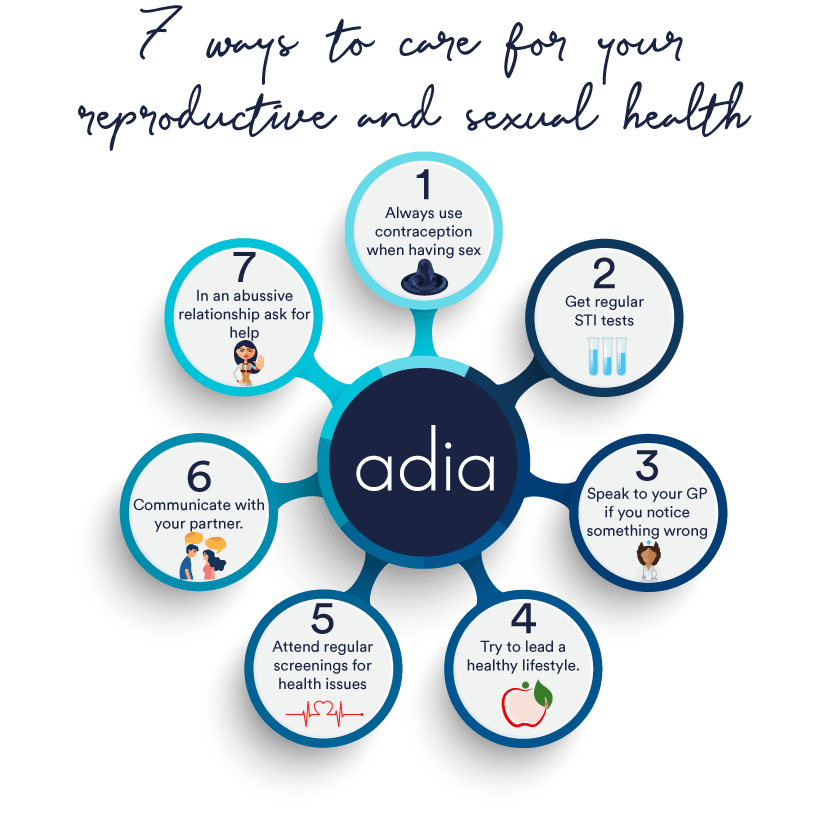
Are you looking to maintain optimal sexual and reproductive health? Look no further! This article is here to guide you with a variety of healthy habits that can support and enhance women’s sexual and reproductive well-being. From maintaining a balanced diet to practicing safe sex, we’ll cover the essentials to help you feel empowered and take control of your sexual and reproductive health. So, let’s dive in and explore these effective habits that can bring positivity and vitality to your intimate life.
Maintaining a Balanced Diet
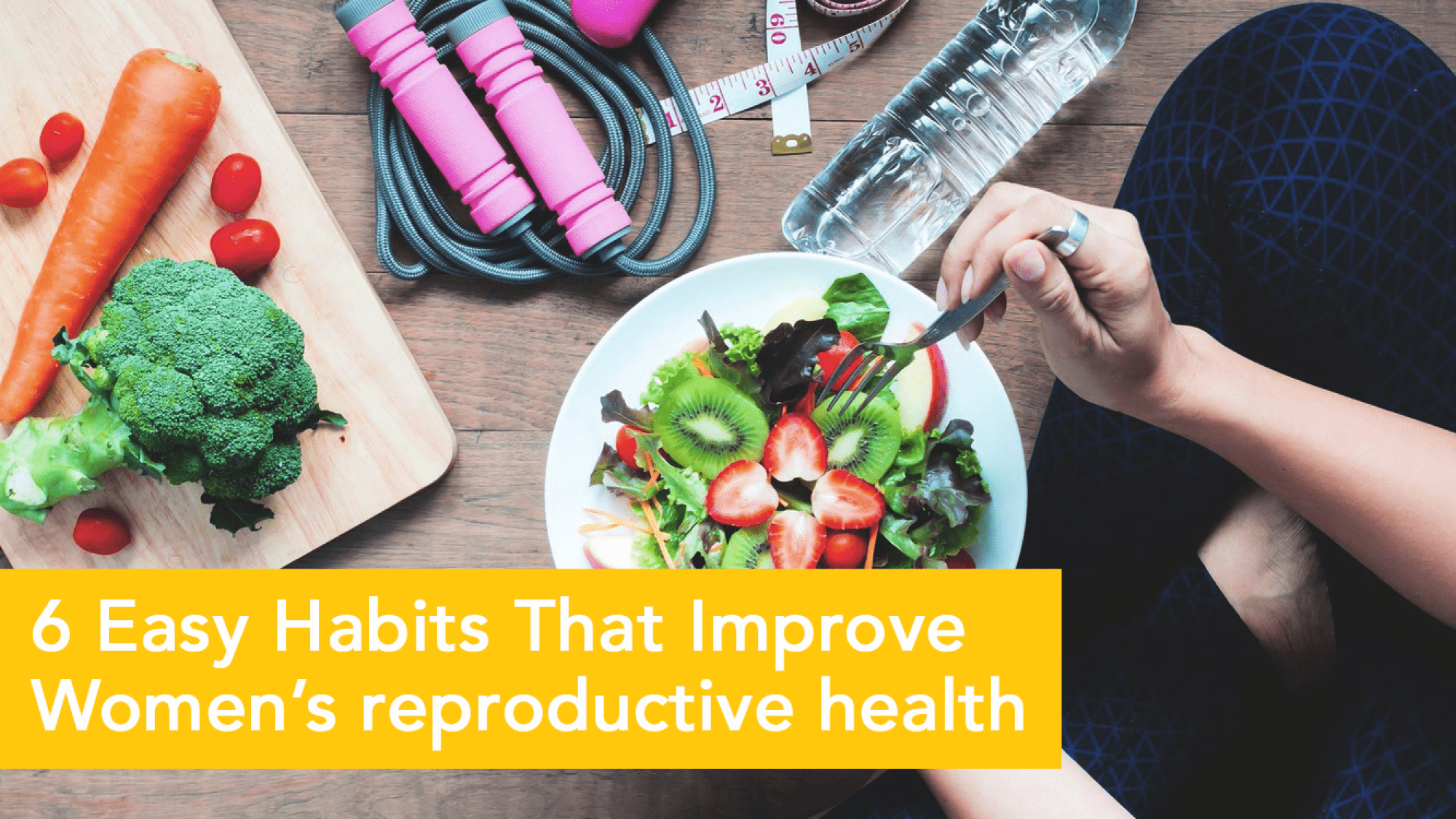
Eating a balanced diet is crucial for maintaining optimal health, including sexual and reproductive health. By consuming nutrient-rich foods, you provide your body with the essential vitamins, minerals, and antioxidants it needs to function properly. Include a variety of fruits, vegetables, whole grains, lean proteins, and healthy fats in your diet to ensure you are receiving all the necessary nutrients.
Eating Nutrient-Rich Foods
Nutrient-rich foods such as leafy greens, berries, nuts, seeds, and lean proteins are packed with vitamins and minerals that support overall health, including sexual and reproductive health. Incorporate these foods into your daily meals to receive a wide range of nutrients that can enhance hormonal balance and boost your immune system.
Including Adequate Protein
Protein is essential for the growth and repair of tissues, including those in the reproductive system. Include lean sources of protein such as chicken, fish, tofu, beans, and lentils in your diet to ensure you are meeting your body’s protein needs. Adequate protein intake can help maintain healthy hormone levels and support the development of healthy eggs.
Consuming Essential Fats
Essential fats, such as omega-3 fatty acids, play a crucial role in hormone production and regulation. Include foods rich in healthy fats, such as avocados, nuts, seeds, and fatty fish like salmon, in your diet. These fats not only contribute to hormonal balance but also promote cardiovascular health and overall well-being.
Regular Exercise
Engaging in regular physical activity offers numerous benefits for sexual and reproductive health. Exercise improves blood circulation, boosts mood, reduces stress, and enhances overall well-being. By incorporating different types of exercise into your routine, you can specifically target and support your sexual and reproductive health.
Benefits of Physical Activity
Regular exercise can enhance sexual function, increase libido, and improve overall satisfaction with sexual experiences. It promotes healthy blood flow to the reproductive organs, which can help prevent issues such as erectile dysfunction and vaginal dryness. Additionally, exercise releases endorphins, which can reduce stress and improve mood, leading to a heightened sense of well-being and sexual desire.
Types of Exercise for Sexual and Reproductive Health
Various types of exercise can benefit sexual and reproductive health. Cardiovascular exercises, such as jogging, swimming, or cycling, improve blood circulation and stamina. Strength training exercises, such as lifting weights or using resistance bands, promote muscle tone and boost overall energy levels. Incorporating pelvic floor exercises, such as Kegels, can also strengthen and support the pelvic muscles, which can improve bladder control and enhance sexual satisfaction.
Stress Management
Stress can have a significant impact on sexual and reproductive health. It can disrupt hormone balance, decrease libido, and affect overall well-being. Therefore, implementing effective stress management techniques is crucial for maintaining optimal sexual and reproductive health.
Understanding the Impact of Stress on Sexual and Reproductive Health
Stress triggers the release of cortisol, a hormone that can interfere with the normal functioning of the reproductive system. Elevated levels of cortisol can disrupt menstrual cycles, decrease fertility, and disrupt hormone balance, leading to issues such as irregular periods or reduced sexual desire. Chronic stress can also affect mood, energy levels, and overall quality of life, all of which can impact sexual well-being.
Practicing Relaxation Techniques
Incorporating relaxation techniques into your daily routine can help reduce stress and promote sexual and reproductive health. Try deep breathing exercises, meditation, yoga, or mindfulness techniques to calm your mind and relax your body. Engaging in activities you enjoy, such as reading, spending time in nature, or listening to soothing music, can also help alleviate stress and promote a sense of well-being.
Safe Sexual Practices
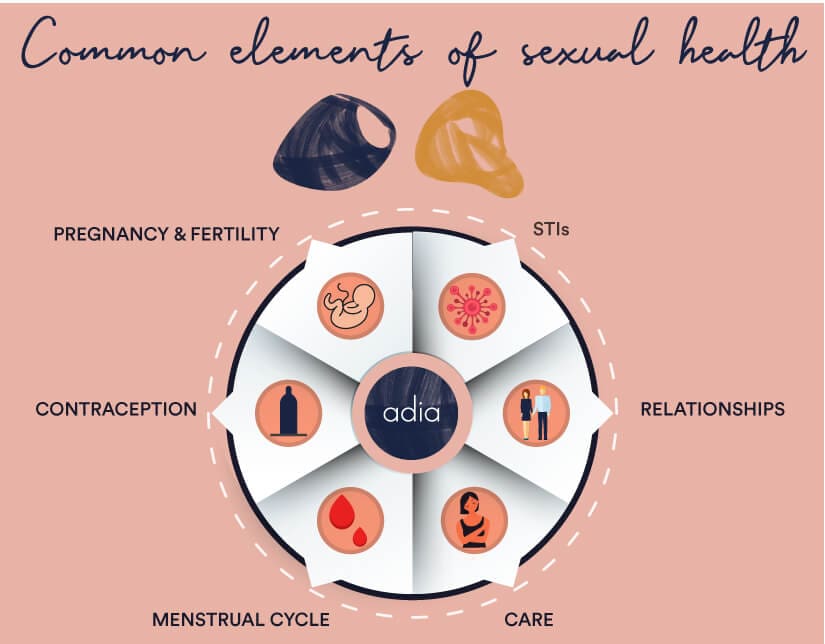
Engaging in safe sexual practices is essential for protecting yourself against sexually transmitted infections (STIs) and maintaining sexual health. By practicing safe sex and getting regular STI testing, you can reduce the risk of acquiring or transmitting infections and ensure your overall well-being.
Importance of Sexual Protection
Using barrier methods of contraception, such as condoms or dental dams, during sexual activity can greatly reduce the risk of contracting STIs. Barrier methods create a physical barrier between partners, preventing the exchange of bodily fluids that may contain infections. They are highly effective when used correctly and consistently.
Regular STI Testing
Regular STI testing is vital for maintaining sexual health. It allows for early detection and treatment of infections, preventing further complications. It is recommended to get tested for STIs regularly, especially if you have multiple sexual partners or engage in unprotected sex. Remember, STIs may not always show visible symptoms, so regular testing is essential even if you feel healthy.
Maintaining Hormonal Balance
Hormonal balance is crucial for reproductive health. Understanding hormonal changes that occur throughout the menstrual cycle and seeking regular check-ups with a gynecologist can help ensure hormone levels are in balance and any potential issues are addressed promptly.
Understanding Hormonal Changes
The female body experiences hormonal fluctuations throughout the menstrual cycle, which can affect mood, energy levels, and sexual desire. Learning to recognize these changes can help you understand your body better and anticipate potential changes in sexual and reproductive health. Keeping a menstrual cycle diary or using smartphone apps can assist in tracking hormonal patterns and identifying any irregularities.
Regular Check-ups with a Gynecologist
Regular check-ups with a gynecologist are essential for maintaining hormonal balance and overall reproductive health. Gynecologists can provide guidance, perform necessary exams, and address any concerns related to menstrual cycles, fertility, or sexual health. They may recommend hormone tests, ultrasounds, or other diagnostic tools to identify and address any underlying issues.
Maintaining Vaginal Health
Maintaining vaginal health is crucial for overall sexual and reproductive well-being. Proper hygiene practices and avoiding the use of harsh chemicals can help prevent infections and maintain a healthy vaginal environment.
Proper Hygiene Practices
Maintain good vaginal hygiene by washing the external genital area with warm water and pH-neutral, fragrance-free soap. Avoid using douches, scented wipes, or sprays, as these products can disrupt the natural balance of the vaginal environment. Wearing breathable, cotton underwear and changing out of wet clothes promptly can also help prevent moisture buildup, reducing the risk of infections.
Avoiding the Use of Harsh Chemicals
Avoid using harsh chemicals, such as perfumed detergents or fabric softeners, on underwear or clothing that comes into contact with the vaginal area. These products can irritate the delicate skin and disrupt the natural pH balance of the vagina, potentially leading to infections or discomfort. Opt for mild, hypoallergenic laundry detergents and avoid fabric softeners altogether.

Regular Pap Smear Tests
Regular Pap smear tests are essential for detecting cervical abnormalities or early signs of cervical cancer. By undergoing this screening test as recommended, you can ensure the early detection and treatment of any potential issues.
Importance of Pap Smear Tests
Pap smear tests involve the collection of cells from the cervix to check for any abnormalities or signs of cervical cancer. Regular screenings aid in early detection, allowing for prompt treatment and improved chances of successful outcomes. Cervical cancer often shows no early symptoms, which makes routine Pap smear tests the most effective way to detect any potential issues.
When and How Often to Get Tested
Most healthcare professionals recommend starting regular Pap smear tests at the age of 21 or within three years of becoming sexually active, whichever comes first. After the initial test, it is generally advised to have a Pap smear every three years. However, individual circumstances may vary, and it is important to consult with a healthcare provider to determine the best screening schedule for your specific needs.
Health Screening and Vaccinations
Regular health check-ups and vaccinations are crucial for maintaining overall well-being and protecting against certain infections that can affect sexual and reproductive health.
Importance of Regular Health Check-ups
Regular health check-ups offer an opportunity to assess overall health, address any concerns, and prevent potential issues from developing further. Routine blood tests, physical examinations, and screenings help identify any underlying health conditions that may impact sexual and reproductive well-being. Regular monitoring allows for early intervention and timely management of any health concerns.
Recommended Vaccinations for Women’s Sexual and Reproductive Health
Certain vaccines can significantly reduce the risk of specific infections that can impact sexual and reproductive health. For example, vaccines for human papillomavirus (HPV) protect against strains of the virus that cause cervical cancer and genital warts. Hepatitis B vaccines are recommended for sexually active individuals to prevent contracting and transmitting the virus. Consult with a healthcare provider to determine which vaccines are recommended based on your age, lifestyle, and medical history.
Practice Birth Control Methods
Choosing a suitable birth control method is important for individuals who wish to prevent pregnancy or regulate their menstrual cycles. There are various types of birth control available, each with its own benefits and considerations.
Different Types of Birth Control
Birth control methods include hormonal options such as the pill, hormonal injections, or intrauterine devices (IUDs), as well as non-hormonal options such as barrier methods, fertility awareness methods, or surgical interventions like tubal ligation. Each method varies in effectiveness, ease of use, and potential side effects. Consult with a healthcare provider to determine which method aligns with your needs and preferences.
Choosing the Right Method for You
When choosing a birth control method, consider factors such as effectiveness, ease of use, potential side effects, and personal preferences. Communicate openly with your healthcare provider to discuss your goals, concerns, and lifestyle factors that may influence your decision. They can provide guidance and help you select a method that suits your individual circumstances.
Self-awareness and Education
Self-awareness and access to reliable information are vital for promoting sexual and reproductive health. Understanding your body, its needs, and seeking credible resources can empower you to make informed decisions and prioritize your well-being.
Understanding One’s Body and Sexual Health
Take the time to learn about your own body and sexual health. Educate yourself on topics such as menstrual health, fertility, sexual anatomy, and common sexual health issues. Understanding how your body functions and recognizing any changes or concerns can help you better communicate with healthcare providers and actively participate in your own sexual and reproductive well-being.
Access to Reliable Information and Resources
Ensure you have access to reliable sources of information for sexual and reproductive health. Consult reputable websites, books, or healthcare providers to obtain accurate and up-to-date information. Reliable resources can provide guidance on topics such as contraception, STI prevention, menstrual health, and pregnancy planning. Empower yourself with knowledge and stay informed to make informed decisions about your sexual and reproductive health.
In conclusion, maintaining healthy habits is essential for women’s sexual and reproductive health. By following a balanced diet, engaging in regular exercise, managing stress effectively, practicing safe sexual practices, prioritizing hormonal balance, maintaining vaginal health, undergoing regular Pap smear tests, getting regular health screenings and vaccinations, using appropriate birth control methods, and cultivating self-awareness, women can enhance their overall well-being and promote optimal sexual and reproductive health. Remember, prioritizing your health is an investment in your future, so take the time to care for yourself and seek professional guidance whenever needed.