
Are you an athlete striving to improve your performance on the field or in the gym? If so, you’ll be delighted to explore the fascinating world of holistic approaches to enhancing your athletic abilities. In this article, we will uncover the key principles behind this approach, highlighting how it encompasses more than just physical training. By understanding the interconnectedness of your mind, body, and spirit, you can unlock your full potential and take your athletic performance to the next level. Get ready to embark on a journey of self-discovery and transformation as we delve into the realm of holistic approaches to enhancing athletic performance.
Nutrition
Importance of a Balanced Diet
Having a balanced diet is essential for optimizing athletic performance. A balanced diet provides the necessary macronutrients and micronutrients that fuel your body and support its functions. It ensures that you have a steady supply of energy, essential vitamins and minerals, and promotes overall health and well-being. By consuming a variety of foods from different food groups, you can ensure that your body gets all the nutrients it needs to perform at its best.
Macronutrients and Micronutrients for Performance
Macronutrients, including carbohydrates, proteins, and fats, are the main sources of energy for athletes. Carbohydrates provide a quick source of energy, essential for high-intensity activities. Proteins aid in muscle repair and recovery, while fats provide sustained energy during longer endurance activities.
In addition to macronutrients, micronutrients such as vitamins and minerals are crucial for optimal performance. They play vital roles in various bodily functions, including energy production, immune system support, and muscle function. Consuming a wide range of fruits, vegetables, whole grains, lean proteins, and healthy fats will help ensure that you receive an adequate intake of these essential micronutrients.
Hydration Strategies
Proper hydration is vital for athletes, as dehydration can significantly impact performance. It is important to drink fluids before, during, and after exercise to maintain optimal hydration levels. Water is the most important fluid for hydration, but during intense or prolonged exercise, sports drinks containing electrolytes may be beneficial. Monitoring your urine color can also help gauge your hydration status, aiming for a pale yellow color.
Mindset and Mental Training
Understanding the Power of the Mind in Performance
Your mindset plays a crucial role in athletic performance. By understanding and harnessing the power of your mind, you can enhance your physical abilities and push through mental barriers. Positive thinking, visualization, and self-belief can help boost confidence and optimize performance. By developing mental resilience and adopting a growth mindset, you can overcome challenges and reach your full potential.
Goal Setting and Visualization Techniques
Setting clear goals and visualizing success can provide direction and motivation. By setting both short-term and long-term goals, you can create a roadmap for your athletic journey. Visualization techniques involve mentally rehearsing specific movements or scenarios, helping improve focus, concentration, and muscle memory. By visualizing success, you can increase confidence and better prepare yourself for competition.
Mental Resilience and Stress Management
Athletes often face high-pressure situations and encounter setbacks along their journey. Developing mental resilience and effective stress management techniques can help navigate these challenges. Techniques such as deep breathing, meditation, and mindfulness can calm the mind and reduce stress levels. Learning to embrace stress as a challenge rather than a threat can help maintain focus and performance even in difficult circumstances.
Sleep and Recovery
Role of Sleep in Athletic Performance
Adequate sleep is vital for athletic performance and recovery. While you sleep, your body repairs and replenishes itself, optimizing physical and mental function. Lack of sleep can lead to decreased reaction time, impaired decision-making, increased risk of injuries, and reduced overall performance. Aim for 7-9 hours of quality sleep each night to support your body’s recovery and ensure optimal performance.
Sleep Hygiene Practices
Developing good sleep hygiene practices can help improve the quality and quantity of your sleep. Establish a consistent sleep schedule, ensuring you go to bed and wake up at the same time each day. Create a sleep-friendly environment by keeping your bedroom dark, quiet, and cool. Avoid electronic devices before bed, as the blue light emitted can disrupt your body’s natural sleep-wake cycle. Creating a relaxing bedtime routine, including activities such as reading or taking a warm bath, can signal to your body that it’s time to wind down and prepare for sleep.
Recovery Strategies for Optimal Performance
Recovery strategies play a crucial role in optimizing athletic performance. Proper nutrition, hydration, and sleep are essential components of recovery. Additionally, incorporating techniques such as stretching, foam rolling, and massage can help promote muscle repair and reduce post-workout soreness. Active recovery, which involves engaging in light exercise or movement on rest days, can also aid in recovery by increasing blood flow to the muscles and promoting the removal of metabolic waste products.
Physical Conditioning
Strength Training Exercises for Specific Athletic Goals
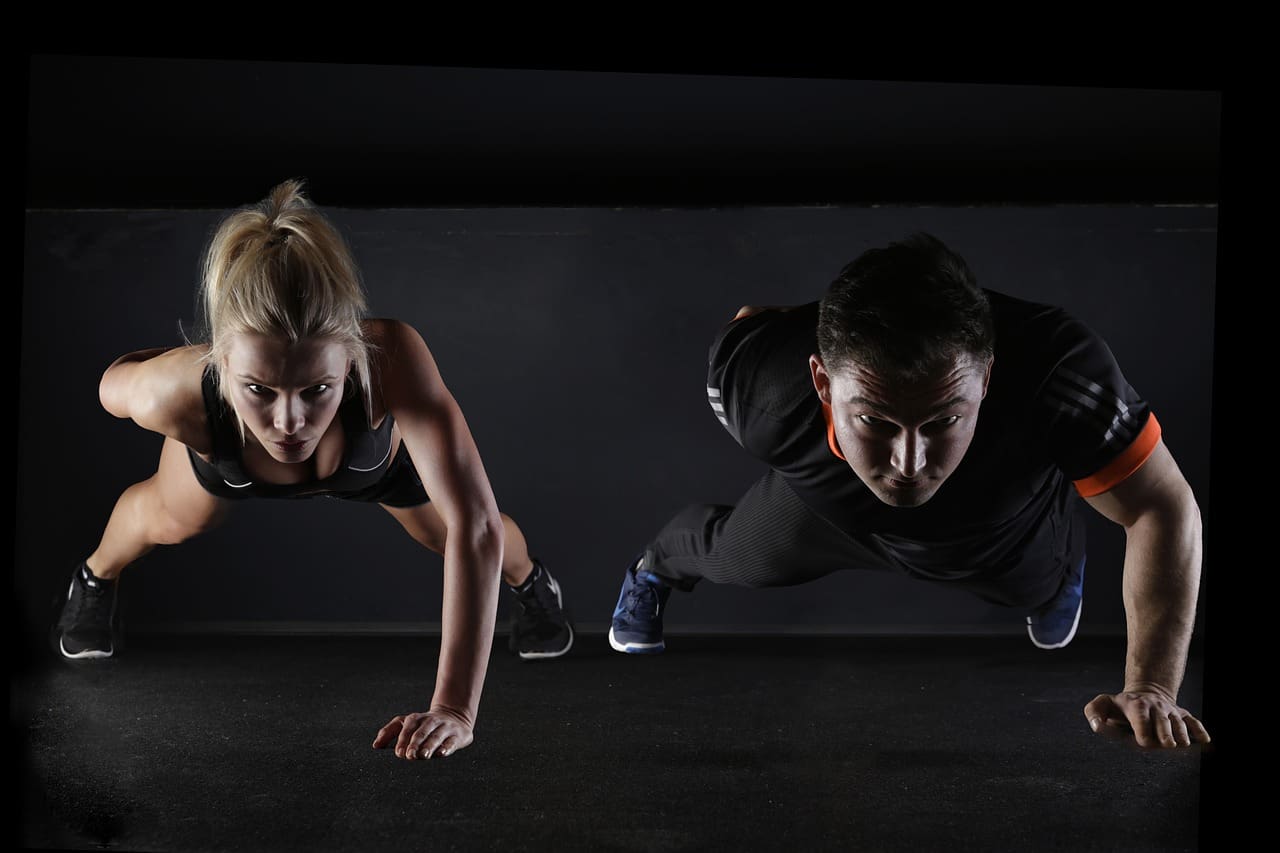
Strength training is a key component of physical conditioning for athletes of all disciplines. By incorporating exercises that target specific muscle groups related to your sport, you can improve overall strength, power, and endurance. Working with a qualified strength and conditioning coach can help design a program tailored to your individual needs and goals. Focus on compound exercises that engage multiple muscle groups, such as squats, deadlifts, and bench presses, to maximize efficiency and effectiveness.
Flexibility and Mobility Training Techniques
Flexibility and mobility are essential for maintaining proper posture, preventing injuries, and optimizing athletic performance. Incorporating stretching exercises and mobility drills into your training routine can help improve range of motion and joint stability. Dynamic stretching before workouts and static stretching after workouts can help improve flexibility and reduce the risk of muscle imbalances and injuries.
Cross-Training and Its Benefits
Cross-training involves engaging in a variety of different activities to enhance overall fitness and reduce the risk of overuse injuries. By incorporating activities such as swimming, cycling, or yoga into your training regimen, you can improve cardiovascular fitness, flexibility, and strength in different muscle groups. Cross-training also provides mental stimulation and helps prevent boredom, promoting long-term adherence to your training program.
Monitoring and Tracking
Importance of Monitoring Performance Indicators
Monitoring performance indicators is crucial for assessing progress and identifying areas for improvement. Tracking factors such as heart rate, training volume, speed, and power output can provide valuable insights into your training effectiveness. By analyzing trends and patterns over time, you can make informed adjustments to your training plan, optimize performance, and prevent overtraining or burnout.
Use of Technology for Tracking Progress
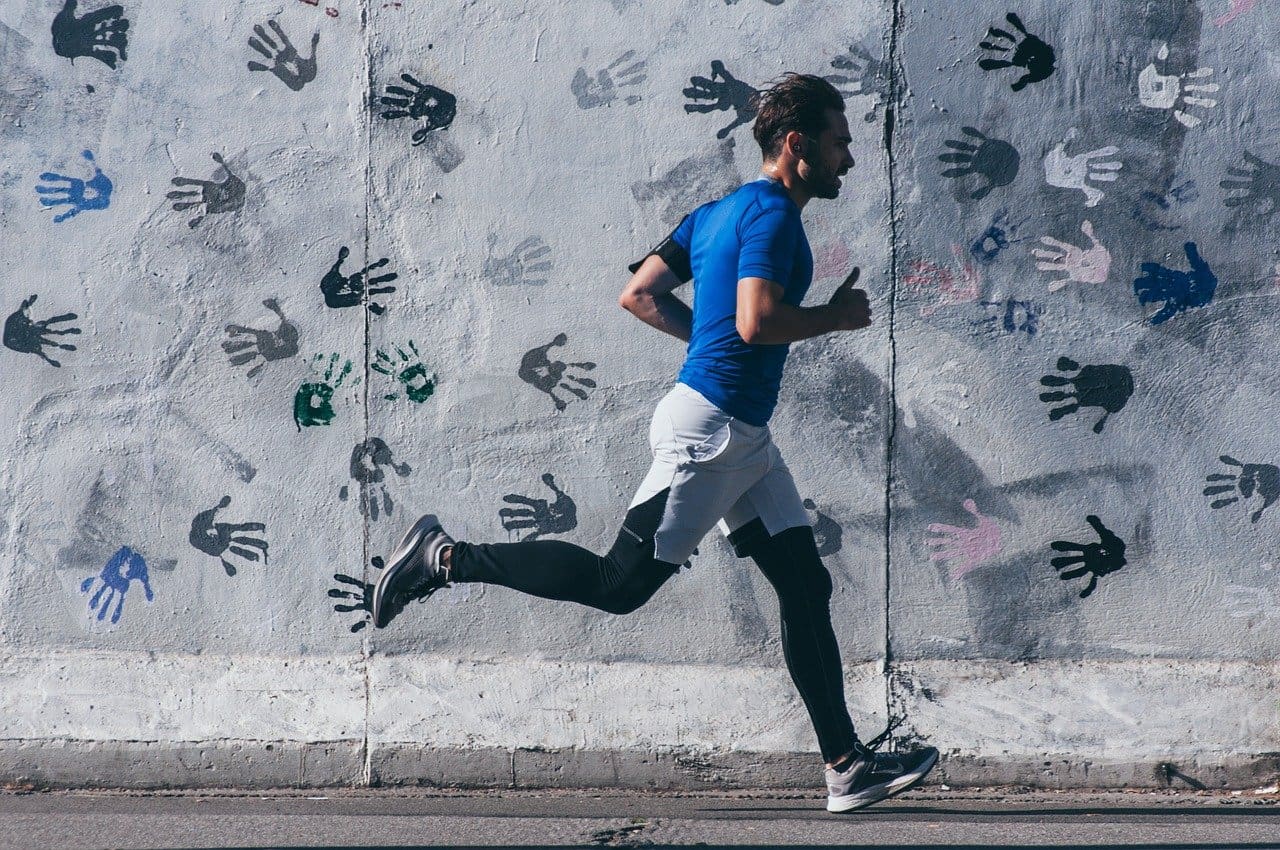
Advancements in technology have made it easier than ever to track and analyze performance data. Wearable devices, such as heart rate monitors and GPS watches, enable real-time tracking of key metrics during exercise. Additionally, smartphone applications and online platforms allow athletes to log and analyze training data, providing valuable feedback and facilitating goal tracking. Utilizing technology can enhance your understanding of your own performance and help you make evidence-based decisions about your training.
Recovering from Setbacks and Adjusting Training Plans
In an athletic journey, setbacks are inevitable. It is essential to approach setbacks with a growth mindset and view them as opportunities for learning and growth. If faced with an injury or setback, consult with a medical professional or coach to develop an appropriate recovery plan. Adjusting your training plan to accommodate for setbacks can help prevent further damage and ensure a safe return to training. Adapting and being flexible with your approach will ultimately contribute to long-term success.
Injury Prevention and Rehabilitation
Preventive Measures for Common Injuries
Preventing injuries is crucial for maintaining consistent performance and avoiding time off from training. Implementing preventive measures such as proper warm-up routines, appropriate protective gear, and correct technique can help reduce the risk of common sports injuries. Regular strength training and conditioning exercises can also improve joint stability and muscular imbalances, reducing the likelihood of injury.
Rehabilitation Techniques for Faster Recovery
In the unfortunate event of an injury, rehabilitation techniques can aid in a speedy recovery. Physical therapy, targeted exercises, and specific rehabilitation protocols can help restore function, rebuild strength, and improve mobility. Following a structured rehabilitation plan under the guidance of a qualified healthcare professional or athletic trainer can significantly expedite the recovery process and minimize the risk of re-injury.
Utilizing Complementary Therapies for Healing
In addition to traditional rehabilitation methods, complementary therapies can be utilized to aid in healing and recovery. Techniques such as acupuncture, massage therapy, and chiropractic care can help reduce pain, promote blood flow, and improve overall function. These therapies can complement traditional rehabilitation methods and provide a holistic approach to healing and recovery.

Sports Psychology
Building Confidence and Self-Belief
Confidence and self-belief are vital components of athletic performance. Building confidence involves acknowledging accomplishments, setting achievable goals, and focusing on the positive aspects of your abilities. Positive self-talk and affirmations can help reinforce self-belief and cultivate a winning mindset. By believing in yourself and your abilities, you can perform at your best and overcome obstacles with resilience.
Managing Performance Anxiety and Pressure
Performance anxiety and pressure are common challenges that athletes face. Developing strategies to manage anxiety and handle pressure situations can help optimize performance. Techniques such as centering, deep breathing, and visualization can help calm the mind and reduce anxiety. Developing routines and rituals before competitions can provide a sense of control and familiarity, helping to alleviate nerves and enhance focus.
Enhancing Focus and Concentration
Maintaining focus and concentration is crucial for consistent athletic performance. Developing strategies to enhance focus can help athletes stay present and in the moment during competition. Techniques such as mindfulness meditation, attentional cues, and mental rehearsal can improve attentional control and concentration. Practicing these techniques during training can enhance their effectiveness and translate to improved focus during competition.
Functional Movement and Biomechanics
Analyzing Movement Patterns for Efficiency
Analyzing movement patterns is essential for optimizing efficiency and reducing the risk of injury. Athletes can work with qualified coaches or trainers to assess their movement mechanics and identify any imbalances or weaknesses. By identifying and addressing areas of improvement, athletes can enhance their overall movement efficiency and maximize performance potential.
Correcting Imbalances and Weaknesses
Addressing imbalances and weaknesses is crucial for maintaining proper alignment and minimizing the risk of overuse injuries. By incorporating corrective exercises and mobility drills into training routines, athletes can target specific muscle groups and improve overall balance and stability. Strengthening weak areas and correcting imbalances can optimize movement patterns and enhance physical performance.
Sport-Specific Biomechanical Optimization
Each sport has its unique set of movements and biomechanics. Working with experts, such as biomechanists or sports scientists, can help athletes optimize their technique and movement efficiency for their specific sport. Analyzing and refining sport-specific movements can enhance performance, reduce the risk of injury, and maximize power output. By understanding the biomechanics of your sport, you can refine your technique and reach your full potential.
Rest and Active Recovery
Understanding Different Types of Rest
Rest is an essential component of athletic training and recovery. It can be divided into two main types: passive and active rest. Passive rest involves complete rest and relaxation, giving your body time to recover and recharge. Active rest, on the other hand, involves engaging in low-intensity activities, such as light exercises or stretching, to promote blood flow and aid in recovery. Understanding the different types of rest and incorporating them appropriately into your training plan is crucial for avoiding overtraining and optimizing performance.
Active Recovery Techniques for Muscle Repair
Active recovery techniques can aid in muscle repair and expedite the recovery process. Engaging in light exercises, such as swimming or cycling at a low intensity, can increase blood flow to the muscles, promoting the removal of metabolic waste products and enhancing nutrient delivery. Foam rolling, stretching, and low-impact activities can also help reduce muscle soreness and enhance recovery.
Planning Rest Days and Deloading Periods
Strategically planning rest days and deloading periods is essential for long-term athletic development. Rest days provide an opportunity for your body to recover and adapt to the physical stress of training. Deloading periods, which involve reducing training volume or intensity, can help prevent overtraining and promote optimal performance. Consulting with a qualified coach or trainer can help create a structured training plan that includes appropriate rest and deloading periods based on your individual needs and goals.
Holistic Approaches
Combining Different Approaches for Maximum Benefits
Holistic approaches to enhancing athletic performance involve combining various strategies and techniques for maximum benefits. By integrating elements from nutrition, mindset training, sleep and recovery, physical conditioning, monitoring and tracking, injury prevention and rehabilitation, sports psychology, functional movement, rest and active recovery, athletes can optimize their performance from multiple angles. Recognizing the holistic nature of athletic performance and adopting a comprehensive approach can lead to long-term success.
Personalized Training Plans Based on Individual Needs
Every athlete is unique, with different strengths, weaknesses, and goals. Personalized training plans are crucial for optimizing performance and achieving individual objectives. Working with qualified professionals, such as coaches, trainers, and sports nutritionists, can help develop tailored training programs that address specific needs and maximize potential. A personalized approach ensures that each athlete’s training plan aligns with their abilities, aspirations, and lifestyle.
Building a Support Network for Athletes
Building a support network is essential for athletes to thrive and succeed. Surrounding yourself with a team of professionals, including coaches, trainers, nutritionists, and sports psychologists, can provide guidance, expertise, and motivation throughout your athletic journey. Additionally, having a strong support system consisting of family, friends, and fellow athletes can offer emotional support and encouragement during both challenging times and triumphs. By embracing a holistic approach to athletic performance and surrounding yourself with a supportive network, you can enhance your performance and achieve your goals.