
In this article, you will explore the fascinating world of holistic approaches to managing depression and mood disorders. Discover the empowering techniques and strategies that can help you regain control of your mental health and well-being. From incorporating mindfulness practices to exploring alternative therapies, you’ll find valuable insights to support your journey towards inner peace and emotional balance. So, let’s dive right in and unlock the transformative potential of holistic approaches to managing depression and mood disorders.
Diet and Nutrition
Importance of a balanced diet
Maintaining a balanced diet is crucial for both our physical and mental well-being. What we eat has a significant impact on our mood, energy levels, and overall brain function. A balanced diet rich in nutrients provides the necessary fuel for our bodies to function optimally. When it comes to managing depression and mood disorders, a well-rounded diet can play a vital role in supporting mental health.
Foods that can boost mood
Certain foods have been found to have a positive effect on mood regulation. Incorporating these mood-boosting foods into your diet can help alleviate symptoms of depression and enhance overall well-being. Foods high in omega-3 fatty acids, such as fatty fish, walnuts, and flaxseeds, have been shown to reduce inflammation and improve brain function. Additionally, foods rich in antioxidants, such as berries, dark chocolate, and green leafy vegetables, can provide a natural mood lift.
The role of essential nutrients
Essential nutrients, including vitamins, minerals, and amino acids, are vital for optimal brain function. Deficiencies in these nutrients have been linked to increased risk of depression and other mood disorders. For example, vitamin D deficiency has been associated with a higher prevalence of depression. Ensuring an adequate intake of essential nutrients through a balanced diet or supplements can help support mental health and improve overall mood.
The impact of sugar and caffeine
While certain foods can boost mood, it’s important to be mindful of the impact of sugar and caffeine on mental health. Consuming excessive amounts of sugary foods and beverages can lead to mood swings, energy crashes, and even worsen symptoms of depression. Similarly, high caffeine intake can interfere with sleep quality and contribute to anxiety and irritability. Moderating the consumption of sugar and caffeine can help maintain a stable mood and support overall mental well-being.
Exercise and Physical Activity
The link between exercise and mental health
Regular exercise is not only beneficial for physical health but also plays a crucial role in improving mental health. Engaging in physical activity stimulates the release of endorphins, which are natural mood-lifters. These feel-good chemicals help reduce symptoms of depression and anxiety, promoting a more positive outlook on life. Regular exercise has also been shown to improve sleep quality, increase self-esteem, and relieve stress, all of which contribute to better overall mental well-being.
Different types of exercises for managing depression
Various types of exercise can be effective in managing depression and mood disorders. Aerobic exercises, such as jogging, swimming, or cycling, have been shown to have a significant positive impact on mood. These activities increase heart rate and oxygen flow to the brain, boosting the production of neurotransmitters associated with feelings of happiness and well-being. Strength training exercises, on the other hand, help improve body image and enhance self-confidence, further supporting mental health.
The role of physical activity in mood regulation
Engaging in physical activity on a regular basis can have profound effects on mood regulation. Exercise helps to reduce the levels of stress hormones in the body, such as cortisol, while increasing the production of endorphins and other mood-enhancing neurotransmitters. By incorporating physical activity into your routine, you can experience improved mood, increased resilience to stress, and enhanced overall mental well-being.
Creating a personalized exercise plan
When it comes to exercise, it’s crucial to find activities that you genuinely enjoy and can incorporate into your lifestyle. The key to creating a personalized exercise plan is to choose activities that are sustainable and that fit your preferences and abilities. Whether it’s going for a brisk walk, practicing yoga, or joining a group fitness class, finding an exercise routine that brings you joy will increase your motivation and adherence. Consulting with a healthcare professional or a certified personal trainer can provide guidance in developing an exercise plan tailored to your specific needs.
Sleep Hygiene
The importance of quality sleep for mental health
Getting adequate, high-quality sleep is essential for maintaining optimal mental health. Sleep plays a vital role in various brain functions, including mood regulation, memory consolidation, and cognitive processing. Chronic sleep deprivation or poor sleep quality has been linked to an increased risk of developing depression and mood disorders. Prioritizing a good night’s sleep can greatly contribute to overall mental well-being.
Establishing a consistent sleep schedule
Establishing and maintaining a consistent sleep schedule is crucial for improving sleep quality and promoting mental well-being. Going to bed and waking up at the same time each day helps regulate the body’s internal clock, making it easier to fall asleep and wake up feeling refreshed. Creating a calming pre-sleep routine, such as reading a book or taking a warm bath, can also signal to your body that it’s time to wind down and prepare for sleep.
Creating an optimal sleeping environment
Creating an optimal sleeping environment can greatly contribute to better sleep quality. Ensure that your bedroom is quiet, dark, and at a comfortable temperature. Remove any distractions, such as electronic devices or bright lights, that might interfere with your sleep. Investing in a comfortable mattress and pillows that support your body can also improve sleep quality and overall comfort.
Addressing sleep disorders and disturbances
If you’re experiencing persistent sleep disturbances or suspect you may have a sleep disorder, it’s important to seek professional help. Sleep disorders, such as insomnia or sleep apnea, can significantly impact mental health and overall well-being. A healthcare professional can evaluate your symptoms, provide a diagnosis, and offer appropriate treatment options to address any underlying sleep issues that may be contributing to your depression or mood disorder.
Stress Management Techniques
Identifying and reducing sources of stress
Managing stress is a crucial aspect of maintaining good mental health. Identifying the sources of stress in your life and implementing strategies to reduce them can help alleviate symptoms of depression and enhance overall well-being. Take some time to assess your daily life and identify any stressors, whether they are related to work, relationships, or other aspects. Once you have identified these stressors, brainstorm ways to reduce or eliminate them, such as delegating tasks, setting boundaries, or seeking support.
Practicing relaxation techniques
Incorporating relaxation techniques into your daily routine can be highly beneficial for managing depression and mood disorders. Techniques such as deep breathing exercises, progressive muscle relaxation, or guided imagery can help reduce muscle tension, lower heart rate, and elicit a relaxation response in the body. Making time for relaxation, even if it’s just a few minutes a day, can significantly reduce stress levels and promote overall mental well-being.
Meditation and mindfulness for mood regulation
Meditation and mindfulness practices have gained popularity as effective tools for managing depression and mood disorders. These techniques involve focusing your attention on the present moment and cultivating a non-judgmental awareness of your thoughts and emotions. Regular meditation and mindfulness practice have been shown to reduce symptoms of depression, enhance self-awareness, and improve overall mental well-being. There are various forms of meditation and mindfulness, so explore different styles to find the one that resonates with you.
Incorporating stress-reducing activities
Engaging in activities that promote relaxation and stress reduction can greatly benefit your mental health. Find hobbies or activities that you enjoy and make time for them regularly. It can be anything from reading a book, taking a bath, spending time in nature, or engaging in creative pursuits. These activities provide a break from daily stressors, allowing you to recharge and experience a sense of joy and fulfillment.
Therapy and Counseling
Different types of therapy for depression and mood disorders
Therapy and counseling are essential components of holistic approaches to managing depression and mood disorders. There are various types of therapy that have been found to be effective in treating these conditions. Cognitive Behavioral Therapy (CBT) focuses on identifying negative thought patterns and replacing them with healthier, more positive ones. Interpersonal Therapy (IPT) emphasizes improving communication and relationships to alleviate symptoms of depression. Other therapies, such as psychodynamic therapy, dialectical behavior therapy (DBT), and group therapy, can also play a significant role in the treatment of mood disorders.
Role of therapists and counselors in holistic approaches
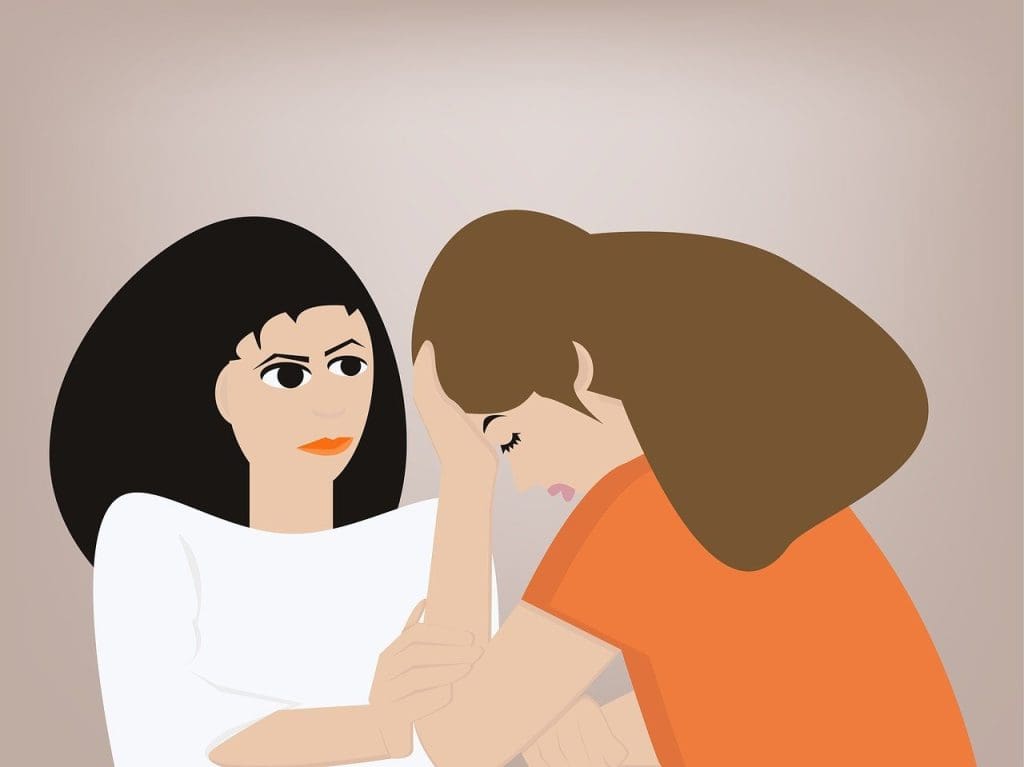
Therapists and counselors play a crucial role in supporting individuals with depression and mood disorders. They provide a safe and non-judgmental space for individuals to explore and address their emotions and challenges. Along with providing evidence-based therapies, therapists and counselors offer guidance, support, and tools to help individuals develop coping mechanisms, improve their self-esteem, and enhance their overall well-being. Building a strong therapeutic relationship with a trained professional can be instrumental in managing depression and achieving long-term mental wellness.
Cognitive-behavioral therapy techniques
Cognitive-behavioral therapy (CBT) is a widely used therapeutic approach for managing depression and mood disorders. CBT focuses on identifying and challenging negative thought patterns and replacing them with more positive and realistic ones. By changing thought processes, individuals can gain a new perspective on their emotions, behaviors, and circumstances, leading to improved mood and mental well-being. CBT techniques can be learned and practiced both during therapy sessions and independently, providing individuals with valuable tools for managing their mental health.
Support groups and group therapy
Support groups and group therapy can be especially beneficial for individuals with depression and mood disorders. These forms of therapy offer a sense of belonging and provide an opportunity to connect with others who may be experiencing similar struggles. Being part of a supportive community where experiences can be shared and understood can provide a profound sense of validation and reduce feelings of isolation. Group therapy also allows individuals to learn from others, gain different perspectives, and develop valuable coping strategies in a safe, supportive environment.
Alternative and Complementary Therapies
Exploring holistic approaches like acupuncture and aromatherapy
Alternative and complementary therapies can be used alongside traditional treatments to support individuals with depression and mood disorders. These holistic approaches focus on balancing the mind, body, and spirit to promote overall well-being. Acupuncture, for example, involves the insertion of thin needles at specific points on the body to restore the flow of energy. Aromatherapy utilizes essential oils to promote relaxation and uplift mood. Exploring these alternative techniques can offer additional options for managing mood disorders and enhancing mental wellness.
Supplementing traditional treatments with alternative therapies
Incorporating alternative therapies into a comprehensive treatment plan can provide additional support for individuals with depression and mood disorders. While alternative therapies should not replace evidence-based treatments such as medication or therapy, they can be used as complementary tools to address specific symptoms or enhance overall well-being. It’s essential to discuss any alternative therapies with a healthcare professional to ensure their safety and appropriate integration with other treatments.
The evidence and effectiveness of alternative treatments
The evidence supporting the effectiveness of alternative treatments for depression and mood disorders varies. Some studies have shown promising results for certain alternative therapies, while others have found limited or inconclusive evidence. It’s important to approach alternative treatments with an open mind while also considering the available research and expert recommendations. Consulting with a healthcare professional or a qualified alternative medicine practitioner can provide guidance on which alternative therapies may be suitable for your specific needs.
Integrating mindfulness-based therapies
Mindfulness-based therapies have gained recognition as effective interventions for managing depression and mood disorders. These therapies, such as Mindfulness-Based Cognitive Therapy (MBCT) or Mindfulness-Based Stress Reduction (MBSR), incorporate meditation, mindfulness practices, and cognitive-behavioral techniques to reduce symptoms and prevent relapse. By cultivating present moment awareness and developing a non-judgmental attitude towards thoughts and emotions, individuals can gain greater clarity, self-compassion, and emotional resilience.

Herbal and Natural Remedies
Popular herbal remedies for depression and mood disorders
Some herbal remedies have gained popularity for their potential benefits in managing depression and mood disorders. St. John’s Wort, for example, has been extensively studied for its antidepressant properties. It is believed to increase the levels of serotonin, a neurotransmitter associated with mood regulation. Other herbs such as lavender, chamomile, and passionflower are also commonly used for their calming effects. It’s important to note that while these herbal remedies may show promise, they should not be used as a substitute for professional medical advice or prescribed medication.
Effectiveness and safety of herbal remedies
The effectiveness and safety of herbal remedies can vary, and it’s crucial to approach them with caution. While some herbal remedies may provide relief for certain individuals, they may not be suitable or effective for everyone. It’s important to consult with a healthcare professional before trying any herbal remedy, especially if you have underlying health conditions or are taking medications. They can provide guidance on potential interactions, dosage, and monitor your progress to ensure the treatment is safe and appropriate for your needs.
Consulting with healthcare professionals before using natural remedies
Before incorporating any natural remedies into your treatment plan, it’s essential to consult with a healthcare professional. They can assess your individual condition, provide guidance on suitable options, and ensure that the chosen remedies do not interfere with any prescribed medications. It’s important to be open and honest with your healthcare provider about any natural remedies you are considering, as they can provide valuable insights and help you make informed decisions about your mental health.
Potential interactions with medications
Many natural remedies, including herbs and supplements, can interact with prescribed medications, potentially affecting their efficacy or causing adverse effects. For example, St. John’s Wort may interact with certain antidepressant medications, making them less effective. It’s critical to inform your healthcare professional about any natural remedies you are taking or considering to ensure they are compatible with your current medications. They can provide guidance on dosage, potential interactions, and help you make informed decisions about your treatment plan.
Social Support Networks
The significance of social connections in managing depression
Social connections and positive relationships play a vital role in managing depression and enhancing overall mental well-being. Strong social support networks provide comfort, understanding, and validation. Having people you can turn to for emotional support and encouragement can help alleviate symptoms of depression, reduce feelings of isolation, and enhance overall life satisfaction. Cultivating and maintaining social connections is an important component of managing and recovering from depression and mood disorders.
Building and maintaining a support network
Building and maintaining a support network requires effort and intentionality. Start by identifying people in your life who you trust and feel comfortable confiding in. Consider reaching out to friends, family members, or acquaintances who have expressed support in the past. It’s also beneficial to seek out support groups or online communities focused on mental health, where you can find individuals who share similar experiences and struggles. Nurturing these relationships and regularly engaging with your support network can provide a sense of belonging and emotional well-being.
Understanding the role of relationships in mood disorders
Relationships and interpersonal dynamics can significantly impact mood disorders. Unhealthy or toxic relationships can contribute to feelings of distress and worsen symptoms of depression. On the other hand, positive and supportive relationships can serve as protective factors and buffer against the negative effects of depression. By cultivating healthy relationships and setting boundaries when necessary, individuals can create a more nurturing and supportive environment, promoting better overall mental health.
Engaging in social activities
Engaging in social activities is essential for maintaining and strengthening social connections. Participating in activities that align with your interests and values can provide opportunities to meet new people and foster meaningful connections. Joining clubs or organizations, taking up a hobby, or volunteering for a cause you care about are great ways to not only engage with others but also boost your mood and sense of purpose. Make a conscious effort to prioritize social activities in your routine, as they are instrumental in managing depression and enhancing mental well-being.
Self-Care and Lifestyle Changes
The importance of self-care in holistic approaches
Self-care is an essential component of holistic approaches to managing depression and mood disorders. It involves taking deliberate actions to nurture and prioritize your physical, mental, and emotional well-being. Self-care is not selfish; it is a crucial practice that promotes self-compassion and enhances overall mental wellness. By prioritizing self-care, you can improve your mood, reduce stress levels, and increase your resilience to life’s challenges.
Creating a self-care routine
Creating a self-care routine is an effective way to ensure that you prioritize your own well-being regularly. Start by identifying activities or practices that bring you joy, relaxation, or a sense of accomplishment. These can vary from person to person and may include activities such as taking a bubble bath, practicing mindfulness meditation, engaging in a hobby, or spending time outdoors. Aim to incorporate these activities into your daily or weekly routine, allowing yourself time to recharge and take care of yourself.
Implementing positive lifestyle changes
Positive lifestyle changes can have a significant impact on managing depression and mood disorders. Small changes in habits and routines can add up to make a big difference in your overall well-being. Some positive lifestyle changes to consider include maintaining a regular sleep schedule, engaging in regular physical activity, consuming a balanced diet, and limiting excessive alcohol or drug use. By making conscious choices to prioritize your physical and mental health, you can create a more supportive environment for managing depression.
Taking time for self-reflection and self-improvement
Self-reflection and self-improvement are essential aspects of holistic approaches to managing depression and mood disorders. Take time to reflect on your emotions, thoughts, and behaviors, allowing yourself to gain insight into areas that may be contributing to your mental health challenges. Consider seeking personal development resources, such as self-help books, workshops, or therapy, to enhance your self-awareness and develop effective coping strategies. By investing in your personal growth and making a commitment to lifelong learning, you can empower yourself to manage depression and cultivate long-lasting mental well-being.
Mind-Body Practices
Exploring yoga and tai chi for mental health
Mind-body practices, such as yoga and tai chi, have been found to have numerous mental health benefits. These practices combine physical movement, breath control, and mindfulness, creating a holistic approach to managing depression and mood disorders. Yoga focuses on integrating the mind, body, and spirit through a series of postures, while tai chi emphasizes gentle, flowing movements to promote relaxation and balance. Both practices have been shown to reduce symptoms of depression, improve mood regulation, and enhance overall well-being.
The mind-body connection in holistic approaches
The mind-body connection is a fundamental component of holistic approaches to managing depression and mood disorders. The way we think, feel, and act all impact our physical well-being, just as our physical state can influence our mental and emotional state. Recognizing and nurturing this mind-body connection can greatly contribute to overall mental wellness. Mind-body practices, such as meditation, yoga, and deep breathing exercises, help bridge the gap between the mind and body, fostering a sense of harmony and balance.
Breathing exercises and their impact on mood regulation
Breathing exercises are simple yet effective tools for managing mood and promoting relaxation. Deep breathing exercises, such as diaphragmatic breathing or box breathing, can activate the body’s relaxation response, signaling to the brain that it’s safe to calm down. These exercises help regulate heart rate, lower blood pressure, and reduce the levels of stress hormones in the body, leading to a sense of calm and improved mood. Incorporating regular breathing exercises into your daily routine can support your mental well-being and provide a valuable tool for managing stress.
Combining mind-body practices with other holistic approaches
Combining mind-body practices with other holistic approaches can create a comprehensive and integrated approach to managing depression and mood disorders. For example, incorporating mindfulness techniques into therapy sessions or support group meetings can enhance the benefits of these interventions. Similarly, practicing yoga or tai chi alongside a balanced diet and regular exercise can provide a synergistic effect, enhancing overall mental wellness. By embracing a multifaceted approach, you can harness the power of various holistic techniques to support your journey towards optimal mental well-being.
In conclusion, holistic approaches to managing depression and mood disorders encompass various aspects of life, including diet and nutrition, exercise and physical activity, sleep hygiene, stress management techniques, therapy and counseling, alternative and complementary therapies, herbal and natural remedies, social support networks, self-care and lifestyle changes, and mind-body practices. By addressing these areas comprehensively, individuals can develop a holistic toolkit for managing their mental health effectively. Remember, it’s important to work with healthcare professionals and seek support when needed to ensure a personalized and tailored approach to managing depression and mood disorders.
(Word count: 3076)