
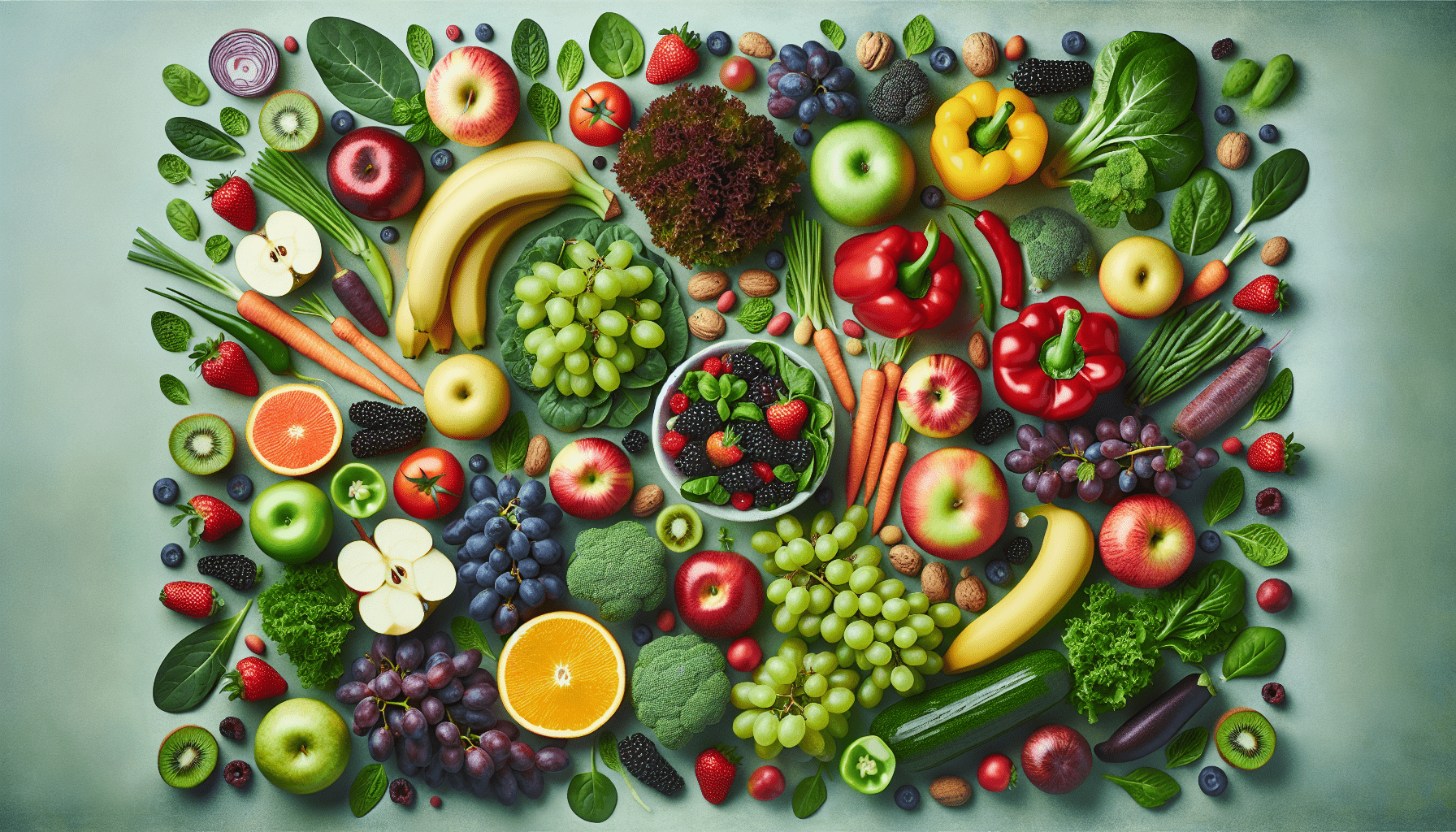
In this article, you will discover the secrets of holistic nutrition and learn how to eat for optimal health and wellness. By incorporating a holistic approach to nutrition, you can nourish your body, mind, and soul, leading to improved overall well-being. From the importance of whole foods to the power of mindful eating, this article will provide you with valuable insights and practical tips for making positive changes to your diet. Get ready to embark on a journey towards a happier, healthier you!
Understanding Holistic Nutrition
Definition and Basics of Holistic Nutrition
Holistic nutrition is an approach to food and eating that takes into consideration the whole person – body, mind, and spirit. It is based on the belief that food has a powerful impact on our overall health and wellbeing. Rather than focusing on individual nutrients or calorie counting, holistic nutrition emphasizes the importance of eating foods in their most natural and wholesome forms to nourish the body and support its natural healing abilities.
The Principles of Holistic Nutrition
There are several guiding principles of holistic nutrition that help individuals make informed choices about their diet and lifestyle. These principles include:
-
Whole Foods: Holistic nutrition encourages the consumption of whole, unprocessed foods that are as close to their natural state as possible. This means choosing fresh fruits and vegetables, lean proteins, whole grains, and healthy fats over highly processed and refined foods.
-
Nutrient Density: Holistic nutrition emphasizes the importance of consuming foods that are rich in essential nutrients. These include vitamins, minerals, antioxidants, and fiber, which are found abundantly in fruits, vegetables, nuts, seeds, and whole grains.
-
Balance and Variety: A balanced diet is key to holistic nutrition, ensuring that all macronutrients and micronutrients are consumed in appropriate proportions. Variety is also important to provide a wide range of nutrients and prevent nutrient deficiencies.
-
Mindful Eating: Holistic nutrition encourages the practice of mindful eating, which involves being present and fully engaged with the eating experience. This includes paying attention to hunger and fullness cues, savoring the flavors and textures of food, and eating with gratitude and appreciation.
Connection between Food and Overall Health
The food we consume has a direct impact on our overall health and wellbeing. Holistic nutrition recognizes the interconnectedness of body systems and understands that what we eat can either promote or hinder optimal functioning. For example, a diet rich in whole foods can support a strong immune system, healthy digestion, balanced hormones, and a stable mood. On the other hand, a diet high in processed foods, sugar, and unhealthy fats can lead to inflammation, digestive issues, hormonal imbalances, and increased risk of chronic diseases such as obesity, diabetes, and heart disease.
Benefits of Holistic Nutrition
Choosing to adopt a holistic approach to nutrition and incorporating whole, nutrient-dense foods into your diet can have numerous benefits. Some of the key benefits of holistic nutrition include:
-
Improved Energy Levels: Whole foods provide a steady source of energy, preventing blood sugar spikes and crashes, which can lead to fatigue and mood swings.
-
Enhanced Digestive Health: Whole foods are rich in fiber, which supports healthy digestion and prevents constipation. They also contain enzymes that aid in the breakdown and absorption of nutrients.
-
Strengthened Immune System: Nutrient-dense foods are packed with vitamins, minerals, and antioxidants that bolster the immune system and protect against illnesses.
-
Weight Management: A holistic approach to nutrition focuses on nourishing the body with nutrient-dense foods, which can help regulate appetite, prevent overeating, and support healthy weight management.
-
Improved Mental Wellbeing: The gut-brain connection is well-established, and a healthy gut microbiome achieved through a holistic diet can positively impact mental health and mood.
-
Reduced Inflammation: A diet rich in whole foods can help reduce inflammation in the body, which in turn reduces the risk of chronic diseases such as heart disease, diabetes, and certain types of cancer.
-
Overall Wellbeing: By nourishing your body with wholesome foods, you are supporting its natural healing abilities, promoting vitality, and enhancing your overall sense of wellbeing.
Balancing Macronutrients
Importance of Macronutrients in Holistic Nutrition
Macronutrients are the three essential components of our diet: proteins, carbohydrates, and fats. Achieving the right balance and quality of macronutrients is crucial for holistic nutrition, as they play important roles in energy production, hormone regulation, cell repair, and overall health.
Proteins: Types, Sources, and Recommended Intake
Proteins are the building blocks of our body, responsible for the growth and repair of tissues, enzymes, hormones, and antibodies. Good sources of protein include lean meats, poultry, fish, eggs, dairy products, legumes, nuts, and seeds. The recommended daily intake of protein varies depending on factors such as age, sex, activity level, and individual needs.
Carbohydrates: Types, Sources, and Recommended Intake
Carbohydrates are our body’s primary source of energy. Complex carbohydrates, such as whole grains, fruits, and vegetables, provide sustained energy and important nutrients like fiber. Simple carbohydrates, found in processed foods and sugary snacks, provide quick energy but lack essential nutrients. It is recommended to opt for complex carbohydrates and limit the consumption of simple carbohydrates.
Healthy Fats: Types, Sources, and Recommended Intake
Fats are essential for proper brain function, hormone production, and nutrient absorption. Healthy sources of fats include avocados, olive oil, nuts, seeds, fatty fish, and coconut oil. It is important to choose unsaturated fats over saturated and trans fats, as they have been shown to support heart health and reduce inflammation. The recommended intake of fats is determined based on individual needs and overall calorie intake.
Finding the Right Balance of Macronutrients
Achieving a balanced intake of macronutrients is essential for optimal health and wellbeing. While the ideal ratio of macronutrients may vary from person to person, a general guideline is to aim for a balanced plate that includes a serving of protein, a serving of complex carbohydrates, and a serving of healthy fats in each meal. This ensures a steady release of energy, sustained satiety, and a diverse array of nutrients.
Meal Planning for Optimal Macronutrient Balance
Meal planning is a helpful tool to ensure a balanced intake of macronutrients throughout the day. By pre-planning meals and snacks, you can ensure that you are incorporating a variety of proteins, carbohydrates, and fats to support your overall health. Additionally, meal planning can help you make mindful food choices, save time and money, and reduce food waste.
Emphasizing Whole Foods
Definition and Benefits of Whole Foods
Whole foods are minimally processed and do not contain added sugars, unhealthy fats, or artificial additives. They are often rich in nutrients, fiber, and antioxidants, making them essential for holistic nutrition. By prioritizing whole foods in your diet, you are providing your body with the nourishment it needs to function optimally.
The Dangers of Processed Foods
Processed foods are typically high in calories, unhealthy fats, refined sugars, and sodium while lacking essential nutrients. Regular consumption of processed foods has been linked to obesity, diabetes, cardiovascular disease, and other chronic conditions. Minimizing the intake of processed foods and replacing them with whole foods is a key aspect of holistic nutrition.
Selecting Fresh and Organic Options
Fresh, organic produce is a cornerstone of holistic nutrition. Organic foods are grown without the use of synthetic pesticides, genetically modified organisms (GMOs), or artificial additives. By choosing fresh and organic options, you can minimize exposure to harmful chemicals, maximize the nutrient content of your food, and support sustainable farming practices.
Understanding Food Labels and Ingredients
Reading food labels is an essential skill when trying to make informed choices about your diet. Look for foods that have short ingredient lists, recognizable whole foods, and minimal added sugars and unhealthy fats. Understanding food labels can help you avoid hidden ingredients, added sugars, and artificial additives.
Shopping Tips for Whole Foods
When grocery shopping, focus on the perimeter of the store, where fresh produce, lean proteins, and dairy products are usually located. Fill your cart with a colorful variety of fruits and vegetables, whole grains, lean proteins, and healthy fats. Shopping with a list, planning your meals in advance, and avoiding impulse purchases can also help you stay on track with your holistic nutrition goals.
Incorporating Superfoods into Your Diet
Superfoods are nutrient-dense foods that are particularly beneficial for health and wellbeing. Incorporating superfoods into your diet can provide an extra boost of essential nutrients, antioxidants, and phytochemicals. Examples of superfoods include berries, leafy greens, nuts, seeds, turmeric, spirulina, and cacao. Adding these foods to your meals and snacks can help enhance the nutritional value of your diet.
Choosing Nutrient-Dense Foods
Identifying Nutrient-Dense Foods
Nutrient-dense foods are those that provide a high amount of essential nutrients relative to their calorie content. They are typically whole foods that are minimally processed and rich in vitamins, minerals, fiber, and antioxidants. Examples of nutrient-dense foods include leafy greens, cruciferous vegetables, berries, nuts, seeds, whole grains, and lean proteins.
Key Nutrients to Prioritize
Holistic nutrition focuses on consuming a wide range of nutrients to support overall health. Some key nutrients to prioritize include:
- Vitamins and Minerals: Ensure an adequate intake of vitamins and minerals through a varied diet rich in fruits, vegetables, whole grains, and legumes.
- Fiber: Include plenty of fiber-rich foods such as fruits, vegetables, whole grains, and legumes to support digestion and promote feelings of fullness.
- Omega-3 Fatty Acids: Incorporate fatty fish, flaxseeds, chia seeds, and walnuts to obtain omega-3 fatty acids, which have anti-inflammatory properties and are essential for brain health.
- Antioxidants: Consume a variety of colorful fruits and vegetables to obtain a wide range of antioxidants that protect against oxidative stress and inflammation.
Incorporating a Variety of Colors and Textures
Eating a variety of colors and textures ensures that you are consuming a diverse range of nutrients. Different colors in fruits and vegetables signify the presence of different antioxidants and phytochemicals. Aim to include fruits and vegetables of all colors (red, orange, yellow, green, blue, purple) to obtain the full spectrum of beneficial compounds.
Including Fiber in Your Diet
Fiber is an important component of a healthy diet. It supports digestion, helps maintain stable blood sugar levels, and contributes to a feeling of fullness. Good sources of fiber include fruits, vegetables, whole grains, legumes, nuts, and seeds. Aim for a daily intake of 25-30 grams of fiber to support your digestive health.
Optimizing Vitamin and Mineral Intake
Vitamins and minerals play crucial roles in the body, supporting various physiological functions. To optimize your vitamin and mineral intake, focus on consuming a diverse range of fruits, vegetables, whole grains, and legumes. If needed, consider incorporating supplements under the guidance of a qualified healthcare professional.
Understanding Antioxidants and Phytochemicals
Antioxidants and phytochemicals are naturally occurring compounds found in plant-based foods. They have powerful antioxidant and anti-inflammatory properties, and they play a key role in protecting our cells from damage. By consuming a variety of fruits, vegetables, herbs, spices, nuts, and seeds, you can obtain a wide range of antioxidants and phytochemicals to promote optimal health.
Supporting Gut Health
The Significance of Gut Health for Overall Wellbeing
Gut health refers to the balance and diversity of microorganisms living within our digestive tract. A healthy gut is essential for proper digestion, nutrient absorption, immune function, and even mental health. Imbalances in gut bacteria have been linked to various health conditions such as irritable bowel syndrome (IBS), inflammatory bowel disease (IBD), and even mood disorders.
Foods That Promote a Healthy Gut
To support a healthy gut, it is important to consume foods that promote the growth of beneficial bacteria. These include:
-
Probiotic-Rich Foods: Fermented foods such as sauerkraut, kimchi, yogurt, kefir, and kombucha contain live bacteria that can help restore and maintain a healthy gut.
-
Prebiotic-Rich Foods: Prebiotics are non-digestible fibers that serve as food for beneficial gut bacteria. Foods rich in prebiotics include garlic, onions, leeks, asparagus, bananas, oats, and flaxseeds.
-
Fiber-Rich Foods: Adequate fiber intake is important for maintaining a healthy gut. Consuming a variety of fruits, vegetables, legumes, and whole grains can provide the necessary fiber to support a thriving gut microbiome.
Probiotics and Prebiotics: Importance and Sources
Probiotics are live bacteria that have been shown to confer health benefits when consumed in adequate amounts. They can help restore and maintain a healthy balance of gut bacteria. Probiotic-rich foods include yogurt, kefir, sauerkraut, kimchi, kombucha, and tempeh. Prebiotics, on the other hand, are non-digestible fibers that provide nourishment to the beneficial bacteria in the gut. Prebiotic-rich foods include garlic, onions, leeks, asparagus, bananas, oats, and flaxseeds.
Healing Leaky Gut Syndrome
Leaky gut syndrome is a condition characterized by increased intestinal permeability, which allows toxins, bacteria, and undigested food particles to leak into the bloodstream. This can trigger an inflammatory response and lead to various health issues. To heal leaky gut syndrome, it is important to eliminate potential trigger foods, support gut repair through a nutrient-dense diet, and introduce gut-healing supplements under the guidance of a healthcare professional.
The Gut-Brain Connection
The gut and brain are intimately connected, forming what is known as the gut-brain axis. The communication between these two organs is bidirectional, meaning that the health of our gut can affect our mental health and vice versa. Maintaining a healthy gut through proper nutrition and lifestyle choices can positively influence mental health, mood, and cognitive function.
Maintaining a Balanced Microbiome
To maintain a healthy gut microbiome, it is important to prioritize the consumption of probiotic-rich and prebiotic-rich foods. Regularly including fermented foods, such as yogurt and sauerkraut, and incorporating fiber-rich foods, such as fruits, vegetables, and whole grains, can help support a diverse and balanced gut microbiota. Additionally, avoiding excessive use of antibiotics, managing stress, and getting regular exercise can contribute to gut health.
Mindful Eating and Portion Control
Practicing Mindful Eating
Mindful eating is a practice that encourages awareness and presence during mealtimes. It involves paying attention to hunger and fullness cues, savoring the flavors and textures of food, and eating with gratitude and appreciation. By practicing mindful eating, you can develop a healthier relationship with food and improve digestion.
Listening to Hunger and Fullness Cues
Listening to your body’s hunger and fullness cues is essential for maintaining a healthy relationship with food. Eat when you are physically hungry and stop when you are comfortably full. Tuning into these cues can help you avoid overeating or eating when not truly hungry.
Avoiding Emotional and Stress-Related Eating
Many people turn to food for comfort or as a coping mechanism during times of stress, boredom, or emotional distress. However, relying on food as a source of comfort can lead to unhealthy eating habits and weight gain. Developing alternative coping strategies, such as exercise, mindfulness, journaling, or talking to a supportive friend, can help break the cycle of emotional and stress-related eating.
Portion Control Strategies
Portion control is an important aspect of maintaining a balanced and healthy diet. Some strategies for practicing portion control include:
- Using smaller plates and bowls to visually trick your brain into thinking you are consuming more food.
- Pre-portioning snacks and meals to avoid mindless overeating.
- Eating slowly and savoring each bite, allowing your brain to register feelings of fullness before reaching for additional servings.
Mindful Eating Practices for Optimal Digestion
Mindful eating practices can support optimal digestion by slowing down the eating process and allowing the body to properly digest and absorb nutrients. Some mindful eating practices to incorporate include:
- Chewing food thoroughly: Chewing food thoroughly breaks it down into smaller, more easily digestible pieces.
- Eating in a relaxed environment: Eating in a relaxed environment allows the body to shift into the parasympathetic nervous system state, which promotes optimal digestion.
- Avoiding distractions: Eating without distractions, such as screens or work, allows you to fully focus on the taste, texture, and satisfaction of your meal.
Implementing Mindfulness Outside of Mealtimes
Mindfulness is a practice that can extend beyond mealtimes and into other aspects of your life. By bringing mindfulness into your daily activities, such as walking, working, or spending time with loved ones, you can cultivate a greater sense of presence and reduce stress levels. This, in turn, can contribute to overall wellbeing and support your holistic nutrition goals.
Hydration and the Role of Water
The Importance of Hydration
Staying hydrated is vital for maintaining optimal health and wellbeing. Water is involved in various bodily functions, including digestion, nutrient absorption, temperature regulation, and waste removal. Dehydration can lead to fatigue, poor concentration, headaches, and impaired physical performance.
Benefits of Drinking Water
Drinking an adequate amount of water has numerous benefits for the body, including:
- Proper hydration: Water helps maintain electrolyte balance and supports cellular function.
- Digestion and detoxification: Water aids in digestion and helps remove waste products from the body.
- Skin health: Proper hydration contributes to healthy, glowing skin.
- Temperature regulation: Water helps cool the body through sweat and evaporation.
Determining Daily Water Intake
The daily water intake recommendation varies depending on factors such as age, sex, activity level, climate, and individual needs. A general guideline is to aim for at least 8 cups, or about 2 liters, of water per day. However, individual needs may be higher, especially during physical activity or in hot climates.
Water Quality and Filtration Options
Ensuring the quality of the water you consume is important for optimal health. Tap water may contain contaminants such as chlorine, heavy metals, and bacteria. Filtration options such as activated carbon filters, reverse osmosis filters, or water distillation systems can help improve water quality by removing impurities.
Hydrating Foods and Herbal Infusions
In addition to drinking water, certain foods can contribute to hydration. Water-rich fruits and vegetables, such as watermelon, cucumbers, and celery, have high water content and can help hydrate the body. Additionally, herbal infusions made from herbal teas, such as mint or chamomile, can be a flavorful and hydrating alternative to plain water.
Avoiding Dehydration
To avoid dehydration, it is important to establish a regular hydration routine. Some tips for staying hydrated include:
- Drinking water throughout the day, especially during and after physical activity.
- Carrying a reusable water bottle to ensure easy access to water.
- Monitoring urine color – pale yellow or clear urine indicates adequate hydration, while dark yellow urine may indicate dehydration.
- Being mindful of the signs of dehydration, such as thirst, dry mouth, fatigue, and decreased urine output.
Holistic Approaches to Cooking and Food Preparation
Benefits of Cooking Meals at Home
Cooking meals at home offers numerous benefits for holistic nutrition. Some benefits include:
- Control over ingredients: Cooking at home allows you to choose high-quality, whole food ingredients and avoid unhealthy additives and excessive amounts of salt, sugar, and unhealthy fats.
- Portion control: By cooking at home, you have control over portion sizes, helping you maintain a balanced diet and prevent overeating.
- Creativity and flavor: Cooking at home gives you the freedom to experiment with flavors, herbs, and spices, making meals more enjoyable and satisfying.
- Cost-effectiveness: Cooking at home is often more cost-effective than eating out, allowing you to save money while still enjoying nutritious and delicious meals.
Reducing Harmful Cooking Methods
Some cooking methods can lead to the formation of unhealthy compounds or the loss of nutrients. To reduce potential harm, consider the following tips:
- Avoid deep-frying or pan-frying foods, as these methods can increase the calorie content and the formation of harmful compounds.
- Limit exposure to high temperatures and prolong cooking times, as this can lead to nutrient loss.
- Use healthier cooking methods such as steaming, boiling, baking, or grilling to preserve nutrients and minimize the formation of harmful compounds.
Using Herbs and Spices for Flavor and Health
Herbs and spices not only enhance the flavor of meals but also offer numerous health benefits. Some examples include:
- Turmeric: Known for its powerful anti-inflammatory properties, turmeric can be added to curries, soups, and smoothies.
- Cinnamon: Besides adding a cozy flavor, cinnamon has been shown to help regulate blood sugar levels.
- Garlic: Garlic not only adds a flavorful kick to dishes but also has immune-boosting and antimicrobial properties.
- Ginger: This versatile root can help soothe digestive issues and reduce inflammation.
Experimenting with Different Cooking Techniques
Variety in cooking techniques can help keep meals interesting and provide different textures and flavors. Some techniques to consider:
- Steaming: Steaming is a gentle cooking method that helps preserve nutrients and maintain the natural flavors and textures of food.
- Stir-frying: Quick and high-heat stir-frying allows vegetables to retain their crunch and vibrant colors.
- Baking and roasting: These methods bring out the natural sweetness and caramelization of foods, resulting in rich flavors.
- Raw food preparation: Some foods, such as fruits, vegetables, and nuts, are best enjoyed raw to preserve their nutrient content and natural enzymes.
Proper Food Storage and Preservation
Proper food storage and preservation techniques are essential for maintaining food quality and preventing foodborne illnesses. Some tips include:
- Store perishable foods, such as meats and dairy products, in the refrigerator at the appropriate temperature.
- Use airtight containers to prevent spoilage and keep foods fresh.
- Freeze leftovers or bulk-cooked meals for longer-term storage.
- Label and date containers to track freshness and avoid consuming expired foods.
Incorporating Mindfulness into Cooking
Cooking can be a meditative and enjoyable practice. By incorporating mindfulness into your cooking routine, you can enhance your connection to food and nourish yourself on a deeper level. Some tips for integrating mindfulness into cooking include:
- Paying attention to the smells, colors, and textures of ingredients as you prepare them.
- Practicing gratitude for the food you are about to enjoy.
- Engaging all your senses while cooking, such as listening to the sizzle of ingredients or feeling the texture of different foods.
- Avoiding distractions, such as TV or phones, during the cooking process to stay present and fully engaged.
Individualized Approach to Holistic Nutrition
Understanding Bioindividuality
Bioindividuality recognizes that each person is unique and has different nutritional needs. Factors such as genetics, age, sex, activity level, and overall health can influence our dietary requirements. Embracing bioindividuality means finding a nutrition approach that works best for your specific needs and modifying it as necessary.
Considerations for Different Dietary Needs
Different dietary needs may arise due to allergies, intolerances, ethical or religious reasons, or personal beliefs. It is important to tailor a holistic nutrition approach to accommodate these needs while still maintaining a balanced and diverse diet. Consulting with a qualified healthcare professional or holistic nutritionist can help create an individualized plan that addresses specific dietary requirements.
Adapting Holistic Nutrition to Allergies and Sensitivities
Individuals with allergies or sensitivities can still embrace holistic nutrition by making necessary dietary adjustments. Alternative food options, such as gluten-free grains, plant-based dairy alternatives, and nut-free sources of protein, can provide the necessary nutrients while avoiding allergens. It is important to read labels, raise awareness about potential cross-contamination, and work with a healthcare professional to ensure nutritional adequacy.
Modifying the Diet for Specific Health Conditions
Holistic nutrition can be adapted to address specific health conditions and support optimal health. For instance:
- Diabetes: A holistic approach to nutrition can focus on blood sugar regulation, emphasizing whole foods, balanced meals, and portion control.
- Heart disease: Prioritizing heart-healthy fats, fiber-rich foods, and reducing sodium intake can help support heart health through holistic nutrition.
- Autoimmune conditions: Holistic nutrition can reduce inflammation and support the immune system through anti-inflammatory foods and elimination of potential food triggers.
Consulting with a Holistic Nutritionist or Dietitian
For personalized guidance and support, it is beneficial to consult with a qualified healthcare professional or holistic nutritionist. They can help assess your specific needs, create a tailored eating plan, provide recommendations for supplements if needed, and support you on your holistic nutrition journey.
Tracking and Adjusting for Personalized Results
Tracking your food intake and monitoring how your body responds to different foods can provide valuable insights and help you tailor your holistic nutrition approach. Keeping a food journal, using tracking apps, or working with a healthcare professional can assist you in identifying patterns, making adjustments, and achieving desired results.
Lifestyle Factors and Holistic Wellbeing
Importance of Exercise and Movement
Physical activity and regular movement are vital components of holistic wellbeing. Exercise not only supports weight management, but it also contributes to cardiovascular health, bone density, mood regulation, and overall vitality. Aim for a combination of cardiovascular exercise, strength training, and flexibility exercises to support a well-rounded fitness routine.
Prioritizing Sleep and Rest
Adequate sleep and rest are essential for overall health and wellbeing. Poor sleep can negatively impact cognitive function, immune function, mood, and weight management. Aim for 7-9 hours of quality sleep per night and create a relaxing bedtime routine to support optimal rest.
Reducing Stress and Managing Mental Health
Chronic stress can have detrimental effects on both physical and mental health. Incorporating stress reduction techniques such as meditation, deep breathing exercises, yoga, or mindfulness practices can help manage stress levels and improve overall wellbeing. Seeking support from mental health professionals may also be beneficial.
The Role of Social Connections
Social connections and meaningful relationships are fundamental for holistic wellbeing. Cultivating strong social support networks, spending time with loved ones, and engaging in activities that foster connection and community can contribute to overall happiness and mental health.
Incorporating Mind-Body Practices
Mind-body practices, such as yoga, tai chi, qigong, and meditation, promote the integration of physical, mental, and spiritual aspects of health. These practices can help reduce stress, improve flexibility, balance, and strength, and enhance overall wellbeing.
Creating a Holistic Self-Care Routine
A holistic self-care routine involves intentionally making time for activities that nourish and support all aspects of your being. This can include regular exercise, practicing mindfulness or meditation, engaging in hobbies, spending time in nature, getting regular massages or bodywork, and prioritizing activities that bring joy and relaxation. By creating a holistic self-care routine, you are prioritizing your overall wellbeing and helping to maintain balance in your life.
In conclusion, holistic nutrition encompasses an integrative approach to nourishing your body, mind, and spirit. By understanding the principles of holistic nutrition, balancing macronutrients, emphasizing whole foods, choosing nutrient-dense options, supporting gut health, practicing mindful eating, staying hydrated, incorporating holistic cooking practices, and tailoring the approach to individual needs, you can optimize your health and wellbeing. By also considering lifestyle factors and prioritizing exercise, sleep, stress management, social connections, mind-body practices, and self-care, you can create a holistic approach to nutrition that supports your overall wellbeing. Remember, your journey to optimal health is unique, and it is important to consult with a qualified healthcare professional or holistic nutritionist to develop an individualized plan that suits your specific needs and goals. Embrace the power of holistic nutrition and embark on a path of wellness and vitality.