
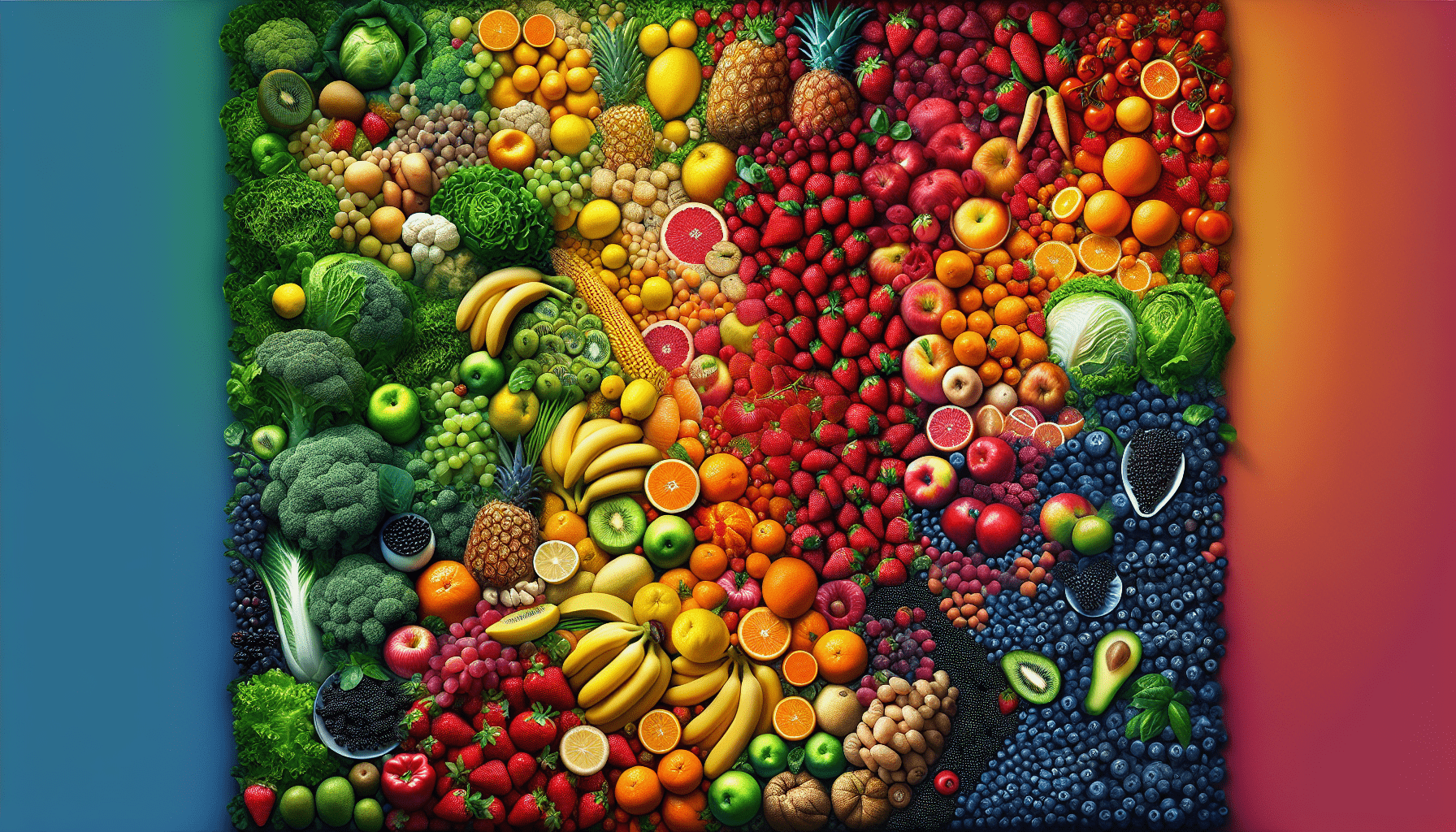
Welcome to the wonderful world of holistic nutrition! In this article, you will learn all about the principles of holistic nutrition and how it can benefit your overall health and well-being. From focusing on whole, natural foods to considering the mind-body connection, holistic nutrition takes a comprehensive approach to nourishing your body and soul. Get ready to discover how small changes in your diet and lifestyle can make a big impact on your health. Have you ever wondered about the importance of holistic nutrition in improving your overall health and well-being? You may have heard the term “holistic nutrition” thrown around, but do you actually know what it entails and how it can benefit you? If you’re curious to learn more, keep reading as we dive into the world of holistic nutrition and uncover what you need to know to make informed choices about your diet and lifestyle.
What is Holistic Nutrition?
When it comes to holistic nutrition, it’s all about viewing your health and well-being as a whole, interconnected system. Holistic nutrition takes into account not just the food you eat, but also your lifestyle, emotional well-being, and environmental factors. By looking at the big picture of your health, holistic nutrition seeks to address the root causes of any imbalances or health issues you may be experiencing.
Why is Holistic Nutrition Important?
Holistic nutrition is important because it recognizes that your body is a complex and interconnected system that requires more than just a Band-Aid approach to health. By taking a holistic approach to your nutrition, you can address not just the symptoms of a health issue, but also the underlying causes. This can help you achieve long-lasting and sustainable improvements in your health and well-being.
Key Principles of Holistic Nutrition
Whole Foods
One of the key principles of holistic nutrition is focusing on whole, unprocessed foods. This means choosing foods that are as close to their natural state as possible, free from added sugars, artificial ingredients, and preservatives. By eating a diet rich in whole foods like fruits, vegetables, whole grains, and lean proteins, you can provide your body with the essential nutrients it needs to thrive.
Bio-Individuality
Another important principle of holistic nutrition is the concept of bio-individuality. This idea recognizes that each person is unique and has different nutritional needs based on factors like genetics, lifestyle, and health conditions. What works for one person may not work for another, so it’s important to listen to your body and make choices that support your individual health and well-being.
Benefits of Holistic Nutrition
Improved Digestion
One of the key benefits of holistic nutrition is improved digestion. By focusing on whole, nutrient-dense foods and supporting your gut health, you can enhance your body’s ability to break down and absorb nutrients from the foods you eat. This can lead to better digestion, reduced bloating and gas, and a decreased risk of digestive issues like irritable bowel syndrome (IBS).
Enhanced Energy Levels
Holistic nutrition can also help boost your energy levels by providing your body with the essential nutrients it needs to function optimally. By eating a diet rich in whole foods and avoiding processed, sugary foods that can cause energy crashes, you can maintain steady energy levels throughout the day and avoid the dreaded mid-afternoon slump.
Weight Management
If you’re struggling with weight management, holistic nutrition can provide a sustainable solution. By focusing on whole, nutrient-dense foods and listening to your body’s hunger and fullness cues, you can support a healthy metabolism and reach your weight goals without restrictive diets or extreme measures.
How to Implement Holistic Nutrition in Your Life
Meal Planning
One of the best ways to incorporate holistic nutrition into your daily life is through meal planning. By taking the time to plan out your meals and snacks for the week ahead, you can ensure that you have healthy, nourishing options on hand and avoid the temptation of reaching for convenient but unhealthy choices when hunger strikes.
Mindful Eating
Another important aspect of holistic nutrition is mindful eating. This means paying attention to your body’s hunger and fullness cues, eating slowly and savoring each bite, and being present and engaged with your food. By practicing mindful eating, you can improve your digestion, reduce overeating, and enhance your overall relationship with food.
Hydration
Staying hydrated is key to supporting your overall health and well-being. Aim to drink plenty of water throughout the day, and consider incorporating hydrating foods like fruits and vegetables into your diet. Proper hydration is essential for digestion, nutrient absorption, and overall bodily function, so be sure to prioritize your water intake.
Holistic Nutrition Myths Debunked
Myth: Holistic Nutrition is Expensive
While it’s true that organic and locally sourced foods can be more expensive, holistic nutrition doesn’t have to break the bank. By focusing on whole, unprocessed foods and prioritizing nutrient-dense staples like beans, lentils, and whole grains, you can eat healthily on a budget. Remember, holistic nutrition is about quality over quantity, so investing in high-quality foods can pay off in terms of your health and well-being.
Myth: Holistic Nutrition is Complicated
While holistic nutrition may seem overwhelming at first, it doesn’t have to be complicated. Start by making small changes to your diet and lifestyle, such as incorporating more whole foods, drinking more water, and practicing mindful eating. Over time, these small changes can add up to significant improvements in your health and well-being.
Holistic Nutrition Resources
Books
- “The Whole Foods Diet” by John Mackey
- “Integrative Nutrition” by Joshua Rosenthal
- “Nourishing Traditions” by Sally Fallon
Websites
- Institute for Integrative Nutrition – offers a variety of resources and programs for those interested in holistic nutrition
- MindBodyGreen – features articles, recipes, and wellness tips on holistic nutrition and healthy living
- NutritionFacts – provides evidence-based information on the latest research in nutrition and health
In Conclusion
When it comes to holistic nutrition, the key is to view your health and well-being as a whole, interconnected system. By focusing on whole, nutrient-dense foods, listening to your body’s needs, and making mindful choices about your diet and lifestyle, you can support your overall health and well-being in a sustainable and meaningful way. Remember, holistic nutrition is not a one-size-fits-all approach, so take the time to listen to your body and make choices that support your unique health and wellness goals.