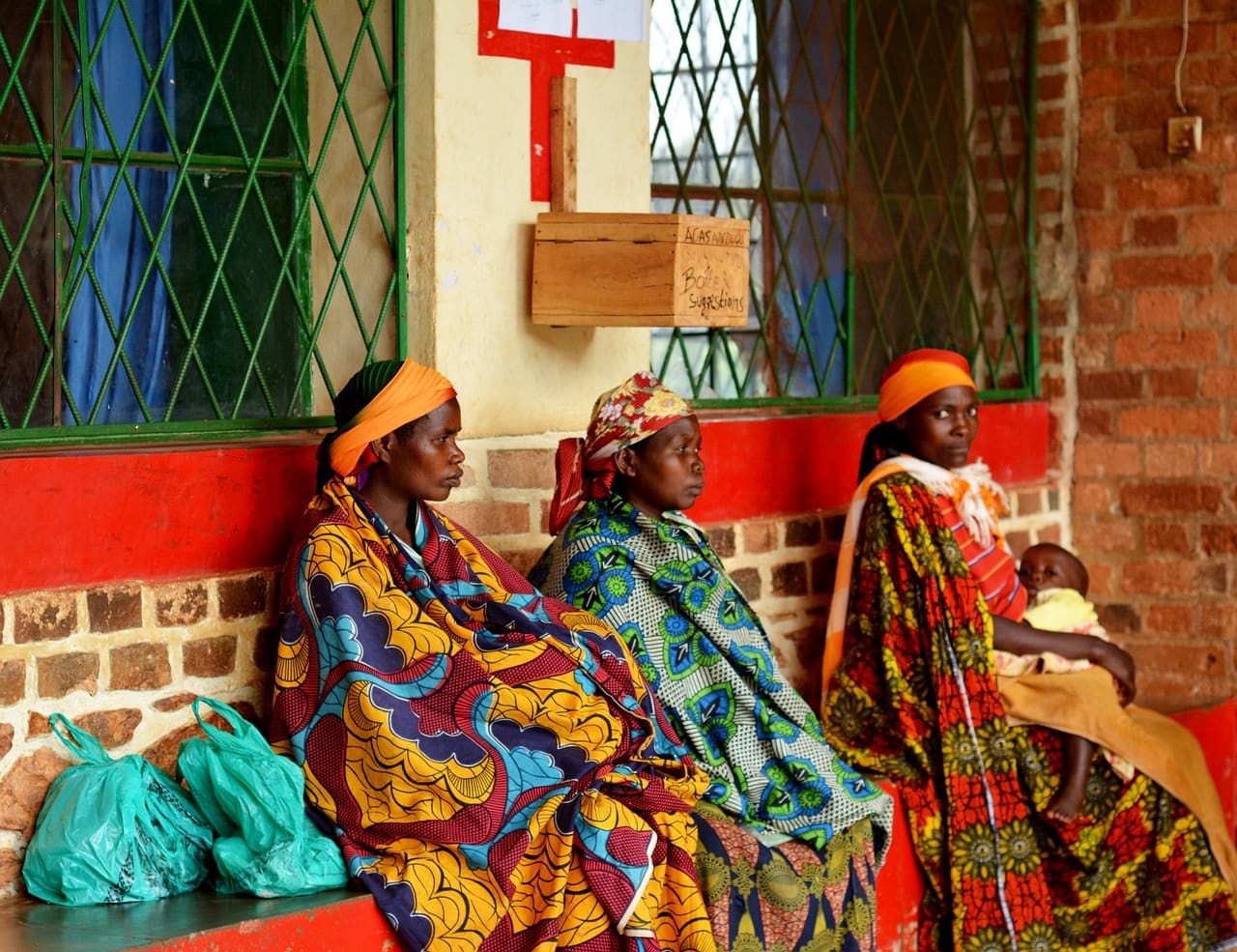
Welcome to an insightful article on how healthcare policy plays a crucial role in shaping women’s health. From access to preventative care and reproductive health services to addressing disparities in treatment and coverage, healthcare policy profoundly impacts the well-being of women across the globe. Join us as we delve into the various ways in which healthcare policy influences women’s health outcomes and the importance of advocating for policies that prioritize gender equality and equity in healthcare. Have you ever wondered how healthcare policy impacts women’s health? Understanding the intersection of government regulations and women’s well-being is crucial in advocating for better healthcare outcomes. In this article, we will delve into the various ways healthcare policy affects women’s health and discuss the implications for individuals and society as a whole. Let’s explore this important topic together.

The Importance of Healthcare Policy in Women’s Health
Healthcare policy plays a significant role in shaping the health outcomes of women across the country. From access to essential services to preventative care and treatment options, government regulations have a direct impact on the well-being of women. Understanding how healthcare policy influences women’s health is crucial in advocating for equitable and effective healthcare systems.
In this article, we will explore the various aspects of healthcare policy that affect women’s health, including reproductive health, preventative care, and access to essential services. By examining these factors, we can gain a better understanding of the challenges and opportunities in promoting women’s health through policy change. Let’s dive into the details together.
Reproductive Health and Healthcare Policy
When it comes to women’s health, reproductive health is a crucial component that is often closely tied to healthcare policy. Regulations surrounding reproductive health services, such as contraception, family planning, and abortion, impact women’s access to essential care. Understanding the implications of healthcare policy on reproductive health is essential in advocating for comprehensive healthcare services for women.
Reproductive health policies can vary significantly from state to state, leading to disparities in access to care for women across the country. Some states have enacted restrictive measures that limit access to reproductive health services, while others have implemented policies that promote comprehensive care for women. By examining the impact of healthcare policy on reproductive health, we can work towards ensuring that all women have access to the care they need.
Preventative Care and Women’s Health
Preventative care is another essential aspect of women’s health that is influenced by healthcare policy. From mammograms and Pap smears to vaccinations and screenings, preventative care plays a crucial role in detecting and preventing health issues before they become serious. Government regulations on preventative care services can impact the availability and affordability of these essential services for women.
Healthcare policy can determine which preventative care services are covered by insurance plans, as well as the guidelines for when and how often women should receive these services. By understanding how healthcare policy affects preventative care, women can advocate for policies that promote regular screenings and early detection of health issues. Empowering women to take control of their health through preventative care is essential in promoting overall well-being.
Access to Essential Services and Healthcare Policy
Access to essential healthcare services is a fundamental right that is impacted by healthcare policy. Regulations surrounding insurance coverage, Medicaid expansion, and provider networks can influence women’s ability to access the care they need. Understanding how healthcare policy affects access to essential services is key in advocating for policies that promote equitable and affordable healthcare for all women.
Women in underserved communities and rural areas may face additional barriers to accessing essential healthcare services due to limited providers or lack of insurance coverage. Healthcare policy can address these disparities by expanding access to care through initiatives such as telehealth services, community health centers, and reimbursement programs. By advocating for policies that prioritize access to essential services, women can ensure that their healthcare needs are met.
Mental Health and Women’s Well-being
Mental health is a critical component of women’s overall well-being that is often overlooked in healthcare policy discussions. Regulations surrounding mental health services, access to therapy, and insurance coverage for mental health care can impact women’s ability to address and manage mental health issues. Understanding the intersection of mental health and healthcare policy is essential in promoting holistic care for women.
Women may face unique mental health challenges, such as postpartum depression, anxiety disorders, and trauma-related issues, that require specialized care and support. Healthcare policy can influence the availability of mental health services, as well as the affordability and accessibility of treatment options for women. By advocating for policies that prioritize mental health and well-being, women can ensure that their holistic healthcare needs are met.
Maternal Health and Healthcare Policy
Maternal health is a critical aspect of women’s health that is directly impacted by healthcare policy. Regulations surrounding prenatal care, labor and delivery services, and postpartum support can influence maternal health outcomes for women across the country. Understanding how healthcare policy affects maternal health is crucial in advocating for policies that promote safe and equitable care for pregnant and postpartum women.
Women of color and low-income women may face disparities in maternal health outcomes due to systemic barriers and inequalities in healthcare policy. By examining the impact of healthcare policy on maternal health, we can work towards implementing policies that address these disparities and promote positive outcomes for all women. Advocating for comprehensive care for pregnant and postpartum women is essential in ensuring the health and well-being of mothers and their children.
Research and Data Collection in Women’s Health
Research and data collection play a crucial role in understanding women’s health needs and developing effective healthcare policies. By examining trends, disparities, and outcomes in women’s health, policymakers can make informed decisions that address the unique challenges and opportunities in promoting women’s well-being. Advocating for research and data collection in women’s health is essential in driving evidence-based policy change.
Women’s health research can explore a wide range of topics, from reproductive health to chronic conditions, mental health, and preventative care. By collecting data on women’s health outcomes and experiences, researchers can identify areas for improvement and develop targeted interventions that address women’s specific needs. Advocating for robust research and data collection in women’s health is essential in advancing healthcare policy that promotes equity and access for all women.
Addressing Disparities in Women’s Health
Disparities in women’s health outcomes are a significant challenge that is influenced by healthcare policy. Women from marginalized communities, including women of color, low-income women, LGBTQ+ women, and women with disabilities, may face additional barriers to accessing quality care and achieving positive health outcomes. Understanding and addressing disparities in women’s health is crucial in advocating for policies that promote equity and justice for all women.
Healthcare policy can play a key role in addressing disparities in women’s health by implementing initiatives such as culturally competent care, community health programs, and anti-discrimination measures. By advocating for policies that prioritize equity and access for marginalized women, we can work towards creating a healthcare system that promotes the well-being of all individuals. Recognizing and addressing disparities in women’s health is essential in driving meaningful change and progress.

Conclusion: Advocating for Women’s Health through Healthcare Policy
In conclusion, healthcare policy plays a crucial role in shaping the health outcomes of women across the country. From reproductive health and preventative care to access to essential services and mental health, government regulations have a direct impact on women’s well-being. By understanding how healthcare policy affects women’s health, we can advocate for policies that promote equitable, affordable, and comprehensive care for all women.
As individuals, we can contribute to advancing women’s health by staying informed about healthcare policy issues, advocating for policies that prioritize women’s health needs, and participating in grassroots efforts to drive policy change. By working together to raise awareness, promote education, and mobilize communities, we can create a healthcare system that supports the health and well-being of all women. Let’s continue the conversation and take action to advocate for women’s health through healthcare policy.