Are you seeking ways to achieve hormonal balance after undergoing a hysterectomy? Look no further! In this article, we will explore the various methods and strategies that can help you restore equilibrium to your hormones and experience optimal well-being post-surgery. From hormone replacement therapy to lifestyle changes, we’ve got you covered. Say goodbye to imbalances and hello to a harmonious life.
Overview of Hormonal Changes After Hysterectomy
Types of hysterectomy
A hysterectomy is a surgical procedure that involves the removal of the uterus. There are different types of hysterectomy, including:
- Total hysterectomy: In this procedure, both the uterus and the cervix are removed.
- Partial hysterectomy: In this procedure, only the uterus is removed, while the cervix is preserved.
- Radical hysterectomy: This type of hysterectomy is typically performed to treat certain gynecological cancers. It involves the removal of the uterus, cervix, and surrounding tissues, such as the fallopian tubes and ovaries.
The type of hysterectomy you undergo can have varying effects on both your hormones and your overall health.
Effects of hysterectomy on hormone production
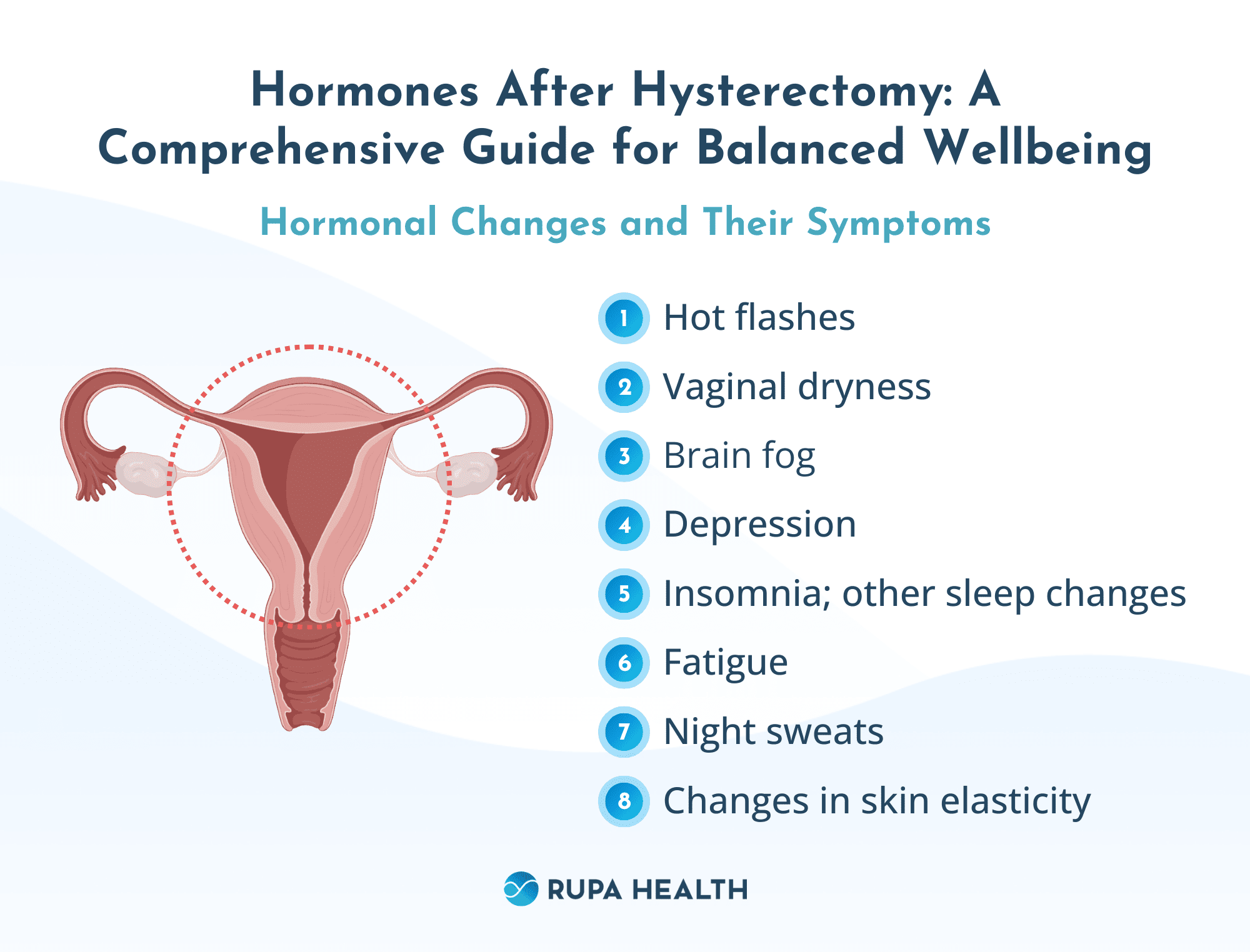
After a hysterectomy, the production of certain hormones in your body may be affected. The ovaries, which play a vital role in hormone production, may be left intact or removed during the procedure. If the ovaries are removed (oophorectomy), you may experience an abrupt decrease in estrogen and progesterone levels, leading to menopause-like symptoms.
If your ovaries are left intact, you may still experience hormonal changes, although they may be less pronounced. The uterus, despite not being directly involved in hormone production, can also have an impact on hormonal balance, and its removal may lead to hormonal imbalances.
Common hormonal imbalances after hysterectomy
It is not uncommon for women to experience hormonal imbalances after a hysterectomy, regardless of whether the ovaries are removed or left intact. Some common hormonal imbalances include:
- Estrogen dominance: This occurs when the levels of estrogen in the body are relatively higher compared to other hormones, such as progesterone. Symptoms of estrogen dominance may include weight gain, mood swings, and irregular menstrual cycles.
- Progesterone deficiency: Hysterectomy can lead to a decrease in progesterone levels, which can result in symptoms such as anxiety, insomnia, and decreased libido.
- Thyroid imbalances: The removal of the uterus may disrupt thyroid function, leading to symptoms like fatigue, weight gain, and depression.
It is important to note that every woman’s experience with hormonal changes after a hysterectomy is unique, and the severity and duration of these imbalances can vary from person to person.
Natural Ways to Achieve Hormonal Balance
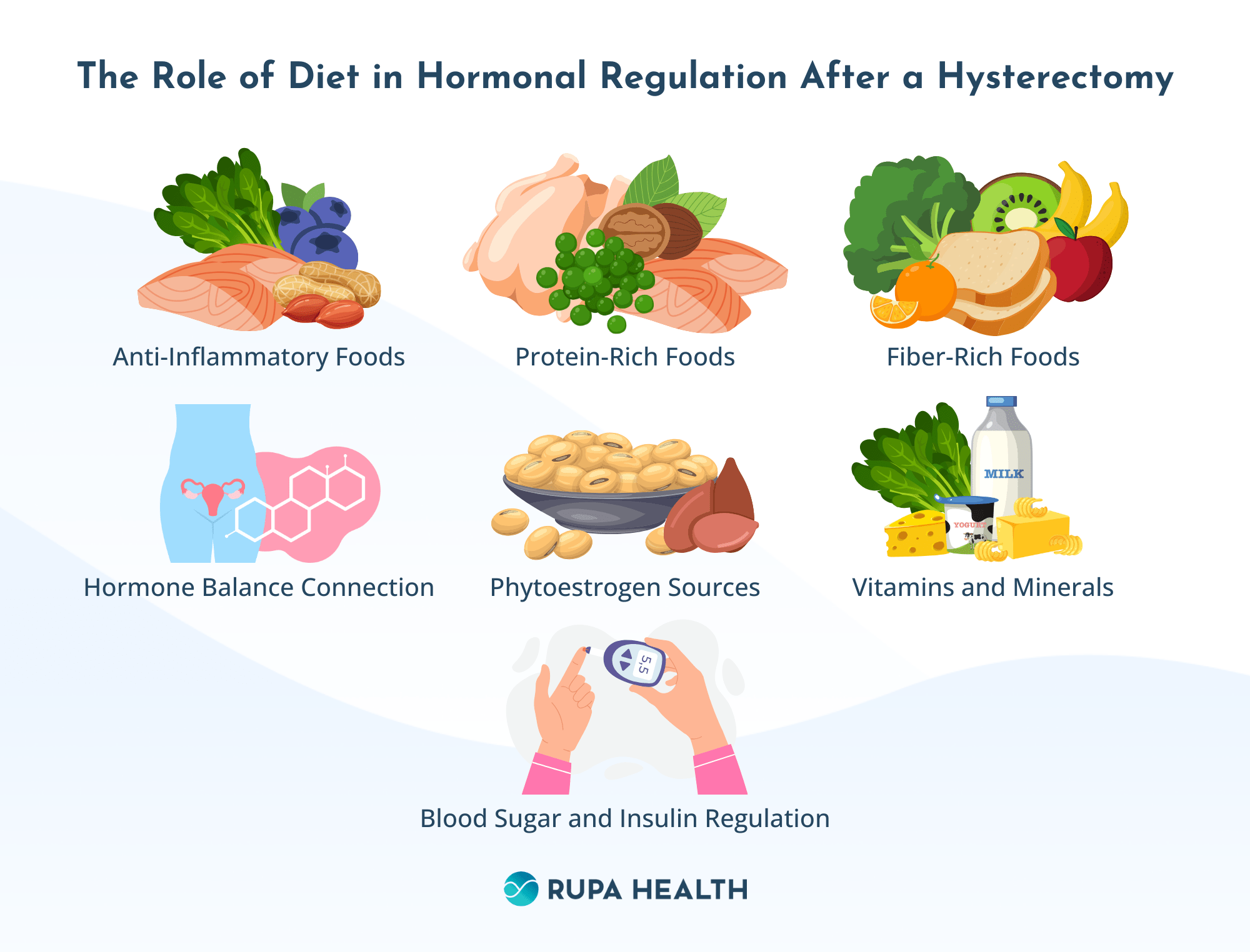
Maintain a healthy diet
Eating a balanced diet is key when it comes to achieving hormonal balance after a hysterectomy. Focus on incorporating whole foods such as fruits, vegetables, lean proteins, and whole grains into your meals. Avoid processed foods, as they often contain artificial additives and preservatives that can disrupt hormonal equilibrium.
Additionally, certain foods can also help support hormone production and balance. Cruciferous vegetables like broccoli, cauliflower, and Brussels sprouts contain compounds that aid in estrogen metabolism. Including omega-3 fatty acids found in fish, nuts, and seeds can also promote hormonal health. Stay hydrated by drinking an adequate amount of water throughout the day.
Exercise regularly
Regular physical activity can have a positive impact on hormonal balance. Engaging in exercises such as walking, jogging, or swimming can help regulate hormone production and reduce the risk of weight gain associated with hormonal imbalances. Aim for at least 150 minutes of moderate-intensity aerobic activity or 75 minutes of vigorous-intensity aerobic activity per week, as recommended by health experts.
Practice stress management techniques
Chronic stress can disrupt hormonal balance, so it is important to find ways to manage stress effectively. Incorporate stress-reducing activities into your daily routine, such as meditation, deep breathing exercises, yoga, or tai chi. Consider engaging in activities that bring you joy and help you relax, such as reading, listening to music, or spending time in nature.
Get enough sleep
Adequate sleep is crucial for maintaining hormonal balance. Lack of sleep can disrupt the production of hormones like cortisol, insulin, and growth hormone, which can have a negative impact on overall hormonal health. Aim for 7-9 hours of quality sleep each night and establish a regular sleep routine to improve hormone regulation.
Consider herbal supplements
Certain herbal supplements may help support hormonal balance after a hysterectomy. However, it is important to consult with a healthcare professional before starting any new supplements, as they may interact with medications or have potential side effects. Some commonly used herbal supplements for hormonal balance include black cohosh, dong quai, red clover, and evening primrose oil.
Hormone Replacement Therapy
Overview of hormone replacement therapy
Hormone replacement therapy (HRT) is a medical treatment that involves supplementing the body with hormones to replace or balance the hormones that are no longer being produced at optimal levels. HRT can help alleviate the symptoms of hormonal imbalance and improve overall well-being for women who have undergone a hysterectomy.
Types of hormone replacement therapy
There are different types of hormone replacement therapy, including:
- Estrogen-only therapy: This type of HRT is suitable for women who have had a hysterectomy and whose ovaries have been removed. It involves the use of estrogen alone to replace the hormone that is no longer being produced.
- Combination therapy: Combination HRT includes both estrogen and progestin, which is a synthetic form of progesterone. It is typically recommended for women who still have their uterus intact, as estrogen-only therapy can increase the risk of uterine cancer in these cases.
The type of HRT recommended for you will depend on various factors, including your overall health, medical history, and specific hormonal imbalances.
Benefits and risks
Hormone replacement therapy can provide numerous benefits for women experiencing hormonal imbalances after a hysterectomy. Some potential benefits may include:
- Relief from menopausal symptoms such as hot flashes, night sweats, and vaginal dryness
- Improved mood and emotional well-being
- Enhanced bone density and reduced risk of osteoporosis
- Maintenance of healthy cardiovascular function
However, it is important to note that there are also potential risks associated with hormone replacement therapy. These risks can vary depending on factors such as the duration of treatment, dosage, and individual health history. Common risks and side effects may include:
- Increased risk of blood clots
- Increased risk of certain types of cancer, such as breast and ovarian cancer
- Breast tenderness or swelling
- Nausea or bloating
It is crucial to discuss the potential benefits and risks of hormone replacement therapy with your healthcare provider to determine if it is the right choice for you.
How to find the right dosage and form
Finding the right dosage and form of hormone replacement therapy is essential for achieving hormonal balance and managing menopausal symptoms effectively. The optimal dosage will depend on individual factors such as your age, health status, and the severity of your symptoms.
Your healthcare provider will work with you to determine the most suitable form of HRT, which can be taken orally, through transdermal patches, gels, or creams, or via vaginal preparations. Regular monitoring and adjustment of the dosage may be necessary to ensure optimal hormonal balance and minimize potential side effects.
Bioidentical Hormone Therapy
What is bioidentical hormone therapy
Bioidentical hormone therapy (BHT) is a form of hormone replacement therapy that involves the use of hormones that are identical in molecular structure to those naturally produced by the body. These hormones are derived from plant sources, such as soy or yam, and are synthesized to match the body’s natural hormones.
How it differs from traditional hormone replacement therapy
The main difference between bioidentical hormone therapy and traditional hormone replacement therapy lies in the composition of the hormones used. Bioidentical hormones are structurally identical to those produced by the body, while traditional HRT often involves the use of synthetic hormones or hormones derived from animal sources.
Benefits and risks
Like traditional hormone replacement therapy, bioidentical hormone therapy can provide relief from menopausal symptoms and help restore hormonal balance. Some potential benefits of bioidentical hormone therapy include:
- Improved energy levels and overall well-being
- Reduction in hot flashes and night sweats
- Increased libido
- Enhanced cognitive function
However, it is important to note that the risks associated with bioidentical hormone therapy are similar to those of traditional HRT. These risks can include blood clots, certain types of cancer, and breast tenderness or swelling. It is essential to discuss the potential benefits and risks of bioidentical hormone therapy with a knowledgeable healthcare provider.
Finding a qualified practitioner
It is important to seek the guidance of a qualified healthcare practitioner who has experience and expertise in bioidentical hormone therapy. Look for a healthcare provider who specializes in integrative or functional medicine and has a comprehensive understanding of hormonal imbalances and their treatment.
Before starting bioidentical hormone therapy, it is essential to undergo a thorough evaluation, including a detailed medical history, hormone level testing, and an assessment of individual symptoms. This will help ensure that the treatment plan is tailored to your specific needs and goals.
Vaginal Estrogen Therapy
Overview of vaginal estrogen therapy
Vaginal estrogen therapy is a treatment option specifically aimed at addressing vaginal symptoms that may occur after a hysterectomy. As the levels of estrogen decrease, vaginal tissues may become thin, dry, and prone to inflammation. Vaginal estrogen therapy can help alleviate these symptoms and promote vaginal health.
Types of vaginal estrogen products
Vaginal estrogen therapy can be administered in different forms, including:
- Vaginal creams: Creams are applied directly to the vagina using an applicator. They are typically used daily for a specified duration and then tapered to a maintenance dose.
- Vaginal rings: These flexible rings are inserted into the vagina and slowly release estrogen over time. They are typically replaced every three months.
- Vaginal tablets: Tablets are inserted into the vagina using an applicator. They are typically used daily or several times a week for a certain period, followed by maintenance therapy.
The choice of vaginal estrogen product will depend on factors such as individual preference, the severity of symptoms, and the healthcare provider’s recommendation.
Benefits and risks
Vaginal estrogen therapy can provide significant relief from vaginal symptoms after a hysterectomy. Some potential benefits may include:
- Decreased vaginal dryness and discomfort
- Relief from vaginal itching or burning
- Improved vaginal lubrication during sexual activity
- Reduced risk of urinary tract infections
In general, vaginal estrogen therapy is considered safe for most women. However, it is essential to discuss the potential risks and benefits with a healthcare provider, especially if you have a history of estrogen-sensitive cancers.
How to use vaginal estrogen
It is important to follow your healthcare provider’s instructions regarding the use of vaginal estrogen therapy. Each product may have specific guidelines for application or insertion, frequency of use, and duration of treatment.
It is also vital to attend regular follow-up appointments to monitor your response to therapy and discuss any concerns or changes in symptoms. Your healthcare provider can make adjustments to the treatment plan as needed to ensure optimal results.
Lifestyle Changes to Support Hormonal Balance
Reduce stress
Chronic stress can disrupt hormonal balance and exacerbate menopausal symptoms. Therefore, finding ways to effectively manage stress is essential. Consider incorporating stress-reducing practices into your daily routine, such as meditation, deep breathing exercises, or engaging in activities that bring you joy and relaxation.
Maintain a healthy weight
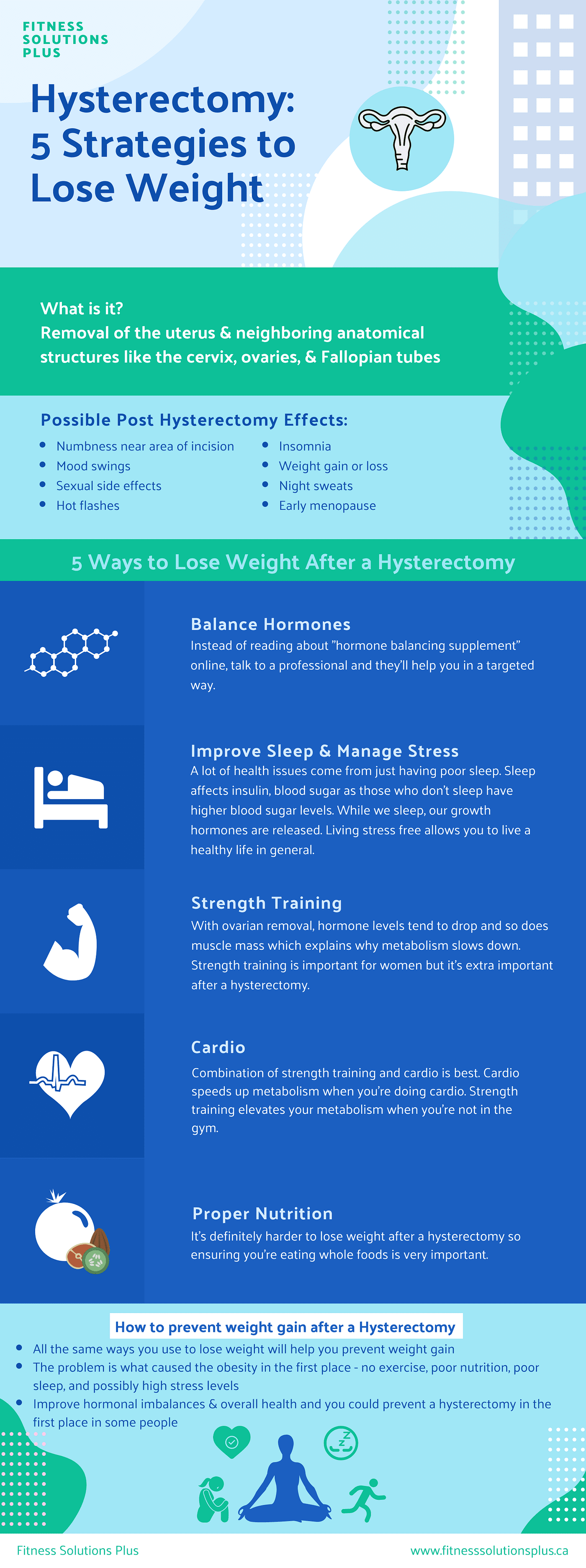
Maintaining a healthy weight is crucial for hormonal balance after a hysterectomy. Excess weight, especially belly fat, can contribute to hormonal imbalances and increase the risk of chronic conditions such as diabetes and heart disease. Focus on consuming a nutrient-dense diet, engaging in regular physical activity, and practicing portion control to support a healthy weight.
Limit alcohol and caffeine intake
Alcohol and caffeine can interfere with hormonal balance and exacerbate menopausal symptoms such as hot flashes and mood swings. Limiting your intake of these substances can help support overall hormonal health.
Quit smoking
Smoking can have detrimental effects on hormonal balance and overall health. It can accelerate menopause and worsen symptoms such as hot flashes. Quitting smoking can improve hormone regulation and reduce the risk of various health conditions.
Avoid chemical-laden products
Many personal care and household products contain chemicals that can disrupt hormonal balance. Opt for natural and organic alternatives whenever possible, and look for products that are free from ingredients such as parabens, phthalates, and synthetic fragrances. Choosing cleaner options can help minimize your exposure to endocrine-disrupting chemicals.
The Role of Exercise in Hormonal Balance
Best types of exercise for hormonal balance
Certain types of exercise can have a positive impact on hormonal balance. Incorporating both aerobic exercises and strength training into your routine is beneficial. Aerobic exercises, such as brisk walking, jogging, or cycling, can help regulate hormone production and support overall hormone balance. Strength training exercises, using weights or resistance bands, can help maintain muscle mass and bone density.
Recommended exercise duration and frequency
For optimal hormonal balance, aim for at least 150 minutes of moderate-intensity aerobic activity or 75 minutes of vigorous-intensity aerobic activity per week. Additionally, aim to engage in strength training exercises at least twice a week. It is important to find a balance that works for your individual needs and consult with a healthcare professional or certified fitness trainer for personalized recommendations.
How exercise affects hormones
Regular exercise has a positive impact on hormonal balance by:
- Stimulating the release of endorphins, which can improve mood and reduce symptoms of depression or anxiety.
- Promoting better sleep quality, which is crucial for maintaining hormonal balance.
- Reducing insulin resistance and supporting healthy blood sugar levels.
- Enhancing metabolism and aiding in weight management.
- Supporting bone health and reducing the risk of osteoporosis.
By incorporating regular exercise into your lifestyle, you can support hormonal balance and improve overall well-being.
Managing Menopausal Symptoms
Understanding menopausal symptoms after hysterectomy
After a hysterectomy, the sudden decrease in hormone production can lead to various menopausal symptoms. Common symptoms include hot flashes, night sweats, mood swings, vaginal dryness, decreased libido, fatigue, and sleep disturbances. Understanding these symptoms and their potential causes can help you develop strategies to manage them effectively.
Tips for managing hot flashes and night sweats
Hot flashes and night sweats are common menopausal symptoms that can be disruptive to daily life. To manage these symptoms, consider the following tips:
- Dress in layers to easily remove clothing when a hot flash occurs.
- Use a fan or open a window to keep the room cool.
- Avoid triggers such as spicy foods, caffeine, alcohol, and tight clothing.
- Practice deep breathing or relaxation techniques to minimize the intensity of hot flashes.
- Consider using cooling pillows or sheets to help regulate body temperature during sleep.
Addressing mood swings and depression
Fluctuating hormone levels can contribute to mood swings and feelings of depression. To address these symptoms:
- Engage in regular exercise, which can improve mood and reduce symptoms of depression.
- Seek emotional support from friends, family, or a support group to help cope with mood swings.
- Consider counseling or therapy to develop coping strategies and address any underlying emotional challenges.
- Practice stress-management techniques such as meditation or mindfulness to reduce anxiety and improve emotional well-being.
Maintaining vaginal health
Decreased estrogen levels after a hysterectomy may lead to vaginal dryness and discomfort. To maintain vaginal health and alleviate these symptoms:
- Consider using vaginal moisturizers or lubricants to improve moisture and reduce discomfort during sexual activity.
- Engage in regular sexual activity or self-stimulation to promote healthy blood flow to the vaginal tissues.
- Communicate openly with your partner about any concerns or changes in sexual function.
- Discuss the option of vaginal estrogen therapy with your healthcare provider if symptoms persist or worsen.
Alternative Therapies for Hormonal Balance
Acupuncture
Acupuncture is an ancient practice that involves the placement of thin needles into specific points on the body. It can help regulate the flow of Qi (pronounced “chee”), the body’s vital energy, and restore hormonal balance. Some women find acupuncture helpful in relieving menopausal symptoms such as hot flashes, insomnia, and mood swings.
Meditation and mindfulness
Practicing meditation and mindfulness techniques can help reduce stress, improve emotional well-being, and promote hormonal balance. Taking a few moments each day to focus on your breath, engage in guided meditation, or practice mindfulness can have a positive impact on your overall health.
Chiropractic care
Chiropractic care focuses on the alignment of the spine and nervous system. Some women find that chiropractic adjustments can help alleviate symptoms associated with hormonal imbalances, such as headaches, joint pain, and fatigue.
Ayurvedic medicine
Ayurvedic medicine is a holistic healing system that originated in India. It emphasizes the balance between the mind, body, and spirit. Ayurvedic practitioners may recommend specific herbs, dietary changes, and lifestyle modifications to support hormonal balance.
Herbal remedies
Herbal remedies have been used for centuries to promote hormonal balance. Some commonly used herbal remedies include black cohosh, red clover, dong quai, and evening primrose oil. It is important to consult with a qualified healthcare provider before incorporating herbal remedies into your routine, as they may interact with medications or have potential side effects.
Consulting with Healthcare Professionals
Finding a knowledgeable gynecologist
When seeking guidance about hormone balance after a hysterectomy, it is important to find a knowledgeable and experienced gynecologist. Look for a gynecologist who is familiar with hormone replacement therapy, bioidentical hormone therapy, and other alternative treatment options. They can provide valuable insights, conduct necessary tests, and work with you to develop an individualized treatment plan.
Working with an endocrinologist
An endocrinologist specializes in hormonal health and can be a valuable resource when it comes to achieving hormonal balance after a hysterectomy. They can assess your overall hormone levels, identify any existing imbalances, and recommend appropriate treatment options. Working with an endocrinologist can provide comprehensive care and ensure that you are receiving the most effective treatments for your specific needs.
Seeking guidance from a naturopath
Naturopathic doctors focus on a holistic approach to healthcare and often incorporate natural therapies and remedies to promote hormonal balance. They can provide guidance on lifestyle modifications, herbal supplements, and other alternative therapies to support hormonal health. When seeking guidance from a naturopath, ensure they are licensed and have the necessary qualifications and experience.
Considering a second opinion
If you are unsure about the treatment options or recommendations provided by a healthcare professional, do not hesitate to seek a second opinion. Getting a fresh perspective can help you make an informed decision about the best course of action for achieving hormonal balance after a hysterectomy. It is essential to find a healthcare professional who listens to your concerns, provides clear explanations, and works collaboratively with you to develop a treatment plan that aligns with your goals and preferences.
By taking proactive steps to achieve and maintain hormonal balance after a hysterectomy, you can optimize your overall well-being and enhance your quality of life. Remember to consult with healthcare professionals, explore various treatment options, and make lifestyle changes that support hormonal health. With the right approach and support, you can successfully navigate the hormonal changes that come with a hysterectomy and thrive in your post-surgical journey.