
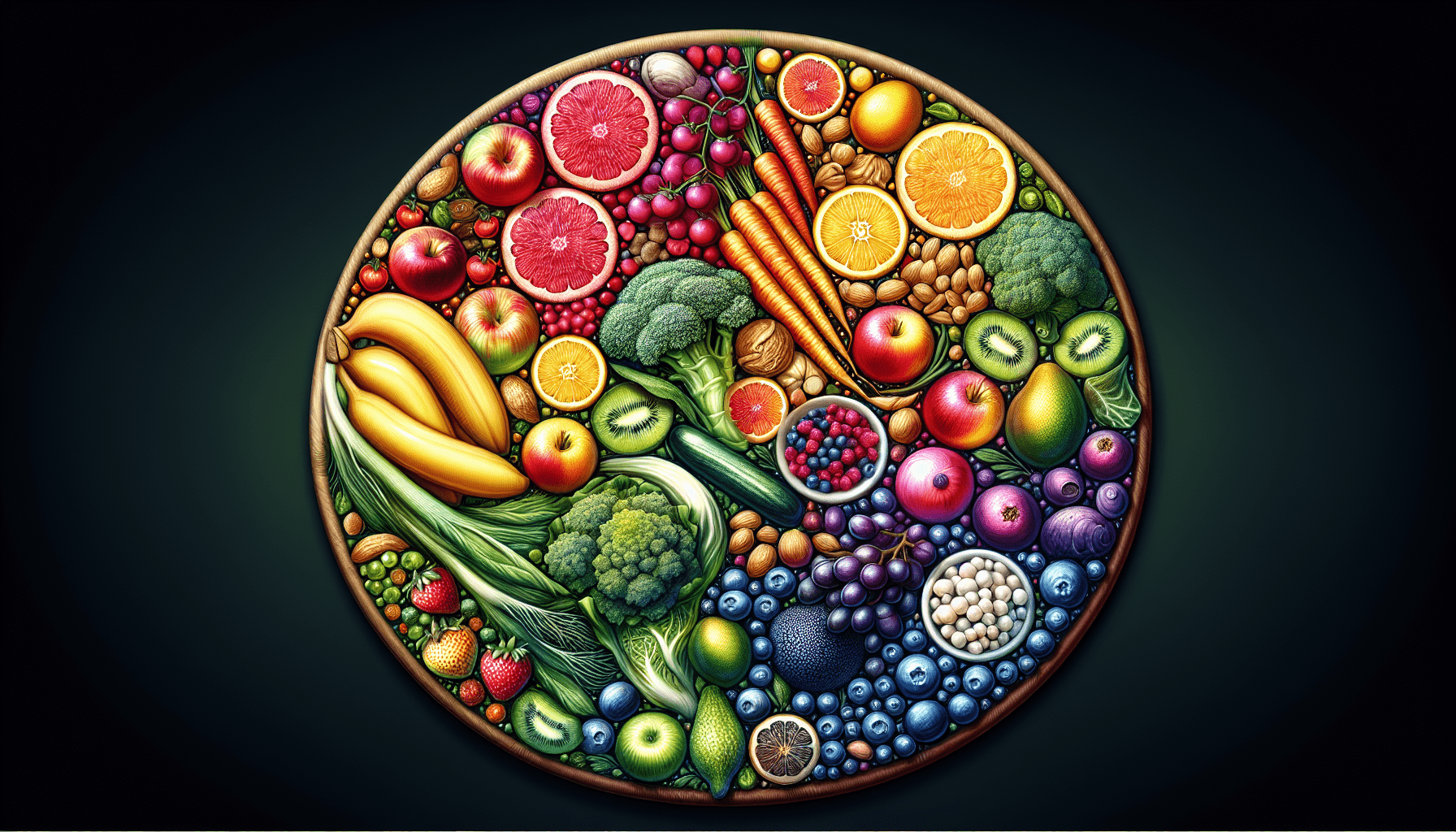
Are you feeling out of balance and struggling with mood swings, weight gain, or low energy levels? If so, you might be experiencing hormonal imbalances. The good news is that there is a natural and effective way to restore harmony to your hormones – through diet. By making some simple changes to what you eat, you can regulate your hormones and enjoy a happier, healthier life. In this article, we will explore the key steps you can take to achieve hormonal harmony through diet, helping you feel like your best self again.
Understanding Hormonal Balance
Hormonal balance refers to the optimal functioning and levels of hormones in your body. Hormones are chemical messengers that regulate various bodily processes, including metabolism, growth, reproduction, and mood. When your hormones are balanced, they work together harmoniously to maintain overall health and well-being.
What is hormonal balance?
Hormonal balance means that your body is producing an appropriate amount of hormones and that these hormones are functioning properly. It is important to note that hormonal balance may vary from person to person, as everyone has different hormone levels and needs.
Why is hormonal balance important?
Hormonal balance is crucial for your overall health and well-being. When your hormones are in balance, they help regulate your metabolism, control your appetite, support reproductive health, maintain muscle and bone mass, and regulate your mood. Imbalances in hormone levels can lead to a wide range of health issues, including weight gain, fatigue, mood swings, infertility, and even chronic diseases such as diabetes and heart disease.
How does diet affect hormonal balance?
Diet plays a significant role in maintaining hormonal balance. The food you eat provides the necessary nutrients for hormone production and supports various bodily processes. A healthy diet with a variety of nutrient-dense foods can help regulate hormone levels and promote hormonal balance. On the other hand, a poor diet high in processed foods, refined sugars, and unhealthy fats can disrupt hormonal balance and lead to imbalances in hormone levels.
Identifying Hormonal Imbalances
Understanding the signs and symptoms of hormonal imbalances is crucial in determining if your hormones are out of balance. Common signs of hormonal imbalances include irregular periods, unexplained weight gain or loss, mood swings, acne, fatigue, hair loss, and difficulty sleeping. If you are experiencing any of these symptoms, it is essential to consult with a healthcare professional to identify the underlying hormonal disorder and develop a treatment plan.
Common signs and symptoms of hormonal imbalances
- Irregular periods or abnormal menstrual cycles
- Unexplained weight gain or weight loss
- Mood swings, anxiety, or depression
- Acne or skin issues
- Fatigue and lack of energy
- Hair loss or excessive hair growth
- Difficulty sleeping or insomnia
Hormonal disorders and their impact on overall health
Hormonal disorders can have a significant impact on your overall health. Common hormonal disorders include polycystic ovary syndrome (PCOS), hypothyroidism, hyperthyroidism, and adrenal insufficiency. These disorders can impact various bodily functions and lead to a range of symptoms, including infertility, weight gain or loss, fatigue, and emotional disturbances. Managing hormonal disorders through diet and lifestyle changes can help restore hormonal balance and improve overall health.
Choosing the Right Foods for Hormonal Health
A balanced diet is essential for supporting hormonal balance. By incorporating nutrient-dense foods and avoiding hormone-disrupting substances, you can support your body’s natural hormone production and regulation.
The importance of a balanced diet
A balanced diet includes a variety of whole foods that provide essential nutrients for hormone synthesis and regulation. It should consist of a combination of macronutrients (carbohydrates, proteins, and fats) and micronutrients (vitamins and minerals) to support overall health and hormonal balance.
Key nutrients for supporting hormonal balance
Several key nutrients play a crucial role in supporting hormonal balance. These include omega-3 fatty acids, vitamin D, vitamin E, magnesium, zinc, and B vitamins. Omega-3 fatty acids, found in fatty fish, flaxseeds, and chia seeds, help reduce inflammation and support hormone production. Vitamin D, obtained from sunlight exposure and fortified foods, is essential for hormone synthesis. Vitamin E, found in nuts, seeds, and leafy greens, acts as an antioxidant and supports hormone regulation. Magnesium, zinc, and B vitamins are also involved in hormone production and regulation.
Foods to include in your diet for hormonal harmony
Incorporating certain foods into your diet can support hormonal harmony. These include:
- Fatty fish: rich in omega-3 fatty acids and vitamin D.
- Leafy greens: rich in vitamins and minerals.
- Nuts and seeds: provide vitamin E, magnesium, and healthy fats.
- Avocados: contain healthy fats and vitamin E.
- Berries: rich in antioxidants and fiber.
- Fermented foods: support gut health and hormone regulation.
Foods to avoid for hormonal imbalances
Certain foods can disrupt hormonal balance, and it is important to minimize their consumption. These include:
- Refined sugars: can lead to insulin resistance and hormonal imbalances.
- Processed foods: often high in unhealthy fats and additives.
- Trans fats: found in fried and processed foods.
- Alcohol: can disrupt hormone production and regulation.
- Caffeine: excessive consumption can affect hormone levels.
Balancing Blood Sugar Levels
Balancing blood sugar levels is essential for maintaining hormonal balance. When blood sugar levels are stable, it helps regulate insulin levels, which, in turn, affects other hormone levels in the body.
The role of blood sugar in hormonal health
Blood sugar, or glucose, is the primary source of energy for our bodies. Insulin, a hormone produced by the pancreas, helps regulate blood sugar levels by allowing glucose to enter cells for energy. Stable blood sugar levels are important for maintaining hormonal balance, as imbalances can lead to insulin resistance and other hormonal disorders.
Effects of unstable blood sugar on hormone levels
Unstable blood sugar levels can disrupt the balance of hormones in your body. When blood sugar levels are consistently high, it can lead to insulin resistance, which can disrupt other hormone levels, such as estrogen, progesterone, and testosterone. Additionally, imbalances in insulin levels can affect appetite regulation, leading to overeating and weight gain.
Tips for stabilizing blood sugar through diet
Maintaining stable blood sugar levels is crucial for hormonal balance. To stabilize blood sugar levels, consider the following tips:
- Eat balanced meals: include a combination of protein, healthy fats, and complex carbohydrates in each meal.
- Avoid refined sugars and processed foods: opt for whole foods that are low in added sugars.
- Eat high-fiber foods: fiber helps slow down the absorption of sugars into the bloodstream.
- Eat smaller, frequent meals: aim for smaller, more frequent meals to prevent blood sugar spikes and crashes.
- Stay hydrated: drink plenty of water to support proper hydration and blood sugar regulation.
Nourishing the Endocrine System
The endocrine system is responsible for producing and regulating hormones in the body. Proper nourishment of the endocrine system is key to maintaining hormonal balance.
Understanding the endocrine system
The endocrine system is a complex network of glands that produce and secrete hormones. These glands include the hypothalamus, pituitary gland, thyroid, parathyroid, adrenal glands, pancreas, ovaries (in females), and testes (in males). Hormones produced by these glands are responsible for regulating various bodily processes, including growth, metabolism, reproduction, and mood.
Nutrients and foods that support the endocrine system
Several nutrients play a crucial role in nourishing the endocrine system and promoting hormonal balance. These include:
- Iodine: found in seaweed, iodized salt, and seafood, supports thyroid function.
- Selenium: found in brazil nuts, supports thyroid function.
- Zinc: found in seafood, meat, and pumpkin seeds, supports hormone production.
- Vitamin C: found in citrus fruits and berries, supports adrenal gland function.
- Vitamin B6: found in poultry, fish, and bananas, supports hormone regulation.
- Iron: found in red meat, spinach, and legumes, supports hormone synthesis.
- Magnesium: found in leafy greens, nuts, and seeds, supports hormone production.
Incorporating adaptogenic herbs in your diet
Adaptogenic herbs can also support the endocrine system and help balance hormones. These herbs, such as ashwagandha, licorice root, and maca root, have been used in traditional medicine for centuries to promote overall well-being and hormonal balance. They can be incorporated into your diet in various forms, such as herbal teas, tinctures, or supplements, after consulting with a healthcare professional.
Eliminating Hormone-disrupting Substances
Reducing exposure to hormone-disrupting substances is crucial for maintaining hormonal balance. These substances can interfere with hormone production and regulation, leading to imbalances and adverse health effects.
Common hormone-disrupting substances
Hormone-disrupting substances, also known as endocrine disruptors, are chemicals found in various everyday products and environments. Some common hormone-disrupting substances include:
- Bisphenol A (BPA): found in plastic containers, food cans, and water bottles.
- Phthalates: found in personal care products, plastics, and some cleaning agents.
- Parabens: found in cosmetics, skincare products, and certain foods.
- Pesticides: found in conventionally grown fruits, vegetables, and grains.
- Synthetic hormones: found in some medications and hormone replacement therapies.
Importance of reducing exposure to toxins
Reducing exposure to hormone-disrupting substances is vital for maintaining hormonal balance and overall health. These substances can interfere with hormone production, regulation, and binding, leading to hormone imbalances and adverse health effects. Minimal exposure to these substances can be achieved by opting for natural and organic products, avoiding plastic food containers and water bottles, choosing organic and pesticide-free foods, and using natural cleaning and personal care products.
Avoiding hormone-disrupting ingredients in food and products
Reading labels and avoiding certain ingredients can help reduce exposure to hormone-disrupting substances. Look out for ingredients such as BPA, phthalates, parabens, synthetic hormones, and pesticides. Opt for products that are labeled as BPA-free, phthalate-free, paraben-free, and organic. Additionally, choosing natural or homemade cleaning and personal care products can help eliminate exposure to hormone-disrupting substances.
Optimizing Gut Health for Hormonal Balance
The gut and hormones have a strong connection, and maintaining good gut health is crucial for hormonal balance. A healthy gut supports proper digestion and absorption of nutrients, enhances immune function, and regulates hormone metabolism.
The gut-hormone connection
The gut and hormones are closely linked through the gut-brain axis and the gut microbiota. The gut-brain axis refers to the communication between the gut and the brain, where hormones produced by the gut influence brain function and vice versa. The gut microbiota, consisting of trillions of bacteria in the gut, plays a crucial role in regulating hormone metabolism and production.
Foods that promote gut health
Eating a diet rich in fiber, prebiotics, and probiotics can support gut health and hormonal balance. Fiber-rich foods, such as fruits, vegetables, whole grains, and legumes, provide nourishment for the gut microbiota and support the growth of healthy bacteria. Prebiotics, which are found in foods such as garlic, onions, and asparagus, act as a fuel source for beneficial gut bacteria. Probiotic-rich foods, such as yogurt, kefir, sauerkraut, and kimchi, contain live bacteria that can help restore and maintain a healthy gut microbiota.
Probiotics and their impact on hormonal balance
Probiotics can play a significant role in maintaining hormonal balance. These beneficial bacteria help regulate hormone metabolism, support gut health, and reduce inflammation. By consuming probiotic-rich foods or taking probiotic supplements, you can promote a healthy gut microbiota and support hormonal balance. However, it is important to choose quality probiotic products and consult with a healthcare professional to ensure proper dosage and strain selection.
Managing Stress and Cortisol Levels
Stress and cortisol, commonly known as the stress hormone, can have a significant impact on hormonal balance. Chronic stress can disrupt the delicate balance of hormones in the body, leading to imbalances and adverse health effects. Managing stress is essential for maintaining hormonal harmony.
Understanding the stress-hormone relationship
Stress triggers the release of cortisol, a hormone produced by the adrenal glands. Cortisol prepares the body for the “fight or flight” response, increasing alertness and energy. However, chronic stress can lead to consistently high cortisol levels, which can disrupt other hormone levels in the body and lead to imbalances.
Effects of chronic stress on hormonal balance
Chronic stress can negatively affect hormonal balance by disrupting the regulation and production of hormones. High cortisol levels can lead to imbalances in estrogen, progesterone, and testosterone levels, affecting various bodily processes. Chronic stress can also lead to adrenal fatigue, a condition where the adrenal glands become exhausted and fail to produce adequate amounts of hormones.
Dietary strategies for stress management
Implementing dietary strategies can help manage stress and support hormonal balance. These strategies include:
- Consuming stress-reducing foods: certain foods, such as dark chocolate, berries, fatty fish, and green tea, contain compounds that can help reduce stress and promote relaxation.
- Avoiding stress-inducing foods: caffeine and refined sugars can increase feelings of stress and anxiety, so it is best to consume them in moderation or avoid them altogether.
- Practicing mindful eating: eating slowly, savoring each bite, and paying attention to your body’s hunger and fullness cues can help reduce stress and improve digestion.
Importance of Regular Exercise and Sleep
Regular exercise and quality sleep are essential for maintaining hormonal balance. Exercise helps regulate hormone levels, improve insulin sensitivity, and boost mood, while sleep plays a crucial role in hormone regulation and overall health.
Exercise and its impact on hormonal health
Regular exercise has numerous benefits for hormonal health. It can help regulate insulin levels, improve insulin sensitivity, and support the production of hormones that promote feelings of well-being, such as endorphins. Exercise also helps manage weight, reduce inflammation, and improve overall physical and mental health.
Recommended exercises for hormonal balance
Various forms of exercise can support hormonal balance. Aim for a combination of cardiovascular exercises, strength training, and stress-reducing activities. Cardiovascular exercises, such as running, cycling, and swimming, help improve insulin sensitivity and support hormone regulation. Strength training exercises, including weightlifting and bodyweight exercises, help build and maintain muscle mass, which is important for hormone production. Stress-reducing activities such as yoga, meditation, and tai chi can also have positive effects on hormonal balance by reducing cortisol levels and promoting relaxation.
The role of sleep in hormonal regulation
Sleep plays a crucial role in hormonal regulation and overall health. During sleep, the body produces and releases hormones that regulate various bodily functions, including growth, metabolism, appetite, and stress response. Lack of sleep or poor sleep quality can disrupt hormone production and regulation, leading to imbalances and health issues such as weight gain, insulin resistance, and mood disturbances.
Tips for improving sleep quality
To optimize sleep quality and support hormonal balance, consider the following tips:
- Stick to a consistent sleep schedule: go to bed and wake up at the same time each day, even on weekends.
- Create a bedtime routine: establish a relaxing routine before bed, such as reading a book, taking a warm bath, or practicing relaxation techniques.
- Create a sleep-friendly environment: make sure your bedroom is quiet, dark, and at a comfortable temperature.
- Limit exposure to electronic devices: avoid using electronic devices, such as smartphones and TVs, for at least an hour before bed, as the blue light can disrupt sleep.
- Avoid caffeine and excessive fluid intake before bed: caffeine and fluids can interfere with sleep quality and lead to frequent awakenings.
Seeking Professional Guidance
While adopting a healthy diet and lifestyle can positively impact hormonal balance, it is important to seek professional guidance when necessary. Consulting with a healthcare professional, such as a physician, endocrinologist, or registered dietitian, can help you identify and treat any underlying hormonal disorders and develop a personalized plan for achieving and maintaining hormonal balance.
When to consult a healthcare professional
It is recommended to consult a healthcare professional if you are experiencing persistent and bothersome symptoms of hormonal imbalances. These professionals can help diagnose and treat hormonal disorders, provide individualized dietary and lifestyle recommendations, and monitor your progress.
Working with a registered dietitian or nutritionist
Registered dietitians or nutritionists specialize in nutrition and can provide expert guidance on optimizing your diet for hormonal balance. They can assess your individual needs, create a personalized meal plan, and offer support and guidance throughout your journey to achieving hormonal harmony through diet. Working with a registered dietitian or nutritionist can help you navigate dietary changes and ensure you are providing your body with the necessary nutrients for hormonal health.
In conclusion, achieving hormonal harmony through diet is essential for your overall health and well-being. By understanding hormonal balance, identifying imbalances, choosing the right foods, balancing blood sugar levels, nourishing the endocrine system, eliminating hormone-disrupting substances, optimizing gut health, managing stress and cortisol levels, prioritizing regular exercise and quality sleep, and seeking professional guidance when needed, you can support your body’s hormonal balance and promote optimal health. Remember, small changes and consistency in your dietary and lifestyle choices can make a significant difference in achieving hormonal harmony and leading a healthier, more balanced life.