
Welcome to an informative article on how to address and manage chronic pain conditions in men. With helpful tips and strategies, you will learn about the different approaches to managing chronic pain in men, including lifestyle changes, physical therapy, medication options, and more. By understanding the unique challenges men face with chronic pain and implementing effective management techniques, you can improve your overall quality of life and well-being. Stay tuned for valuable insights on addressing and managing chronic pain conditions in men. Have you ever wondered how to address and manage chronic pain conditions in men? In this article, we will explore the various ways in which men can effectively tackle chronic pain issues to improve their quality of life. Whether you are experiencing back pain, arthritis, or headaches, we have got you covered. So, let’s dive in and learn how to better manage chronic pain conditions in men.
Understanding Chronic Pain
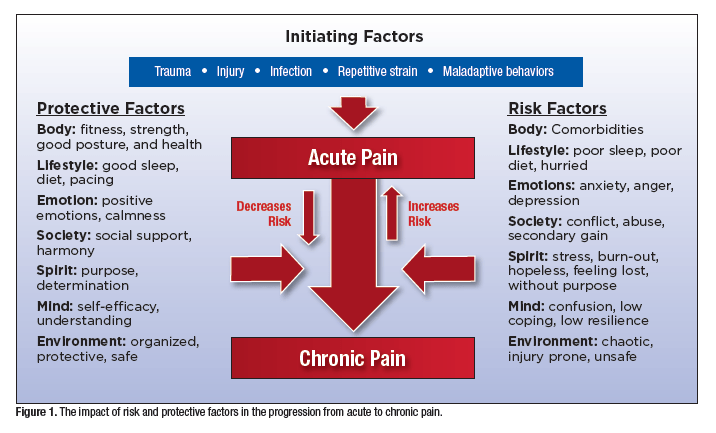
Chronic pain is a complex condition that can have a significant impact on one’s daily life. Unlike acute pain, which is typically short-lived and resolves once the underlying cause is treated, chronic pain persists over a long period of time and can be challenging to manage. Chronic pain can be caused by a variety of factors, such as injuries, health conditions, or neurological issues. Understanding the root cause of your chronic pain is crucial in developing an effective treatment plan.
What Causes Chronic Pain in Men?
Chronic pain in men can be caused by a range of factors, including:
- Injuries: Men are more likely to engage in physically demanding activities that can lead to injuries, such as sports injuries or work-related accidents.
- Health Conditions: Certain health conditions, such as arthritis, fibromyalgia, or nerve damage, can contribute to chronic pain in men.
- Lifestyle Factors: Poor posture, lack of exercise, and unhealthy habits can exacerbate chronic pain conditions in men.
Understanding the specific causes of your chronic pain can help you and your healthcare provider develop a targeted treatment plan to address your unique needs.

Seeking Professional Help
When it comes to managing chronic pain conditions, seeking professional help is essential. Healthcare providers, such as primary care physicians, specialists, physical therapists, and pain management experts, can offer valuable insights and guidance in developing a comprehensive treatment plan tailored to your individual needs.
Consulting with Your Doctor
If you are experiencing chronic pain, it is important to schedule an appointment with your doctor to discuss your symptoms and concerns. Your doctor can conduct a thorough evaluation, order appropriate tests, and provide a diagnosis to help determine the underlying cause of your pain. Additionally, your doctor can recommend treatment options, medications, or therapies to help alleviate your symptoms and improve your quality of life.
Remember that open communication with your healthcare provider is key in addressing and managing chronic pain conditions effectively. Be honest about your symptoms, concerns, and treatment preferences to ensure that you receive the best possible care.
Implementing Lifestyle Changes
In addition to seeking professional help, making positive lifestyle changes can play a significant role in managing chronic pain conditions in men. By adopting healthy habits, practicing self-care, and avoiding triggers that exacerbate your pain, you can take proactive steps to improve your overall well-being.
Healthy Diet and Exercise
Maintaining a healthy diet and engaging in regular exercise can have a positive impact on chronic pain management. Consuming a balanced diet rich in vitamins, minerals, and antioxidants can help reduce inflammation, boost energy levels, and support overall health. Likewise, engaging in physical activities, such as walking, swimming, or yoga, can improve flexibility, strength, and endurance, while also promoting relaxation and stress relief.
By incorporating healthy eating habits and regular exercise into your daily routine, you can enhance your physical and emotional well-being, which can aid in managing chronic pain more effectively.
Stress Management Techniques
Stress can exacerbate chronic pain and worsen overall health outcomes. Implementing stress management techniques, such as deep breathing, meditation, mindfulness, or relaxation exercises, can help reduce tension, anxiety, and pain levels. By taking time to de-stress and unwind, you can improve your mental clarity, mood, and resilience in coping with chronic pain challenges.
Prioritizing self-care, setting boundaries, and practicing mindfulness can contribute to a positive mindset and a healthier lifestyle, which are essential components in managing chronic pain conditions in men.

Exploring Treatment Options
In addition to lifestyle changes, exploring various treatment options can provide relief and support in managing chronic pain conditions in men. From medications and therapies to alternative remedies and surgical interventions, there are multiple approaches available to address your pain symptoms effectively.
Medications
Medications can play a crucial role in managing chronic pain by alleviating discomfort, reducing inflammation, or blocking pain signals. Depending on the type and severity of your pain, your doctor may recommend over-the-counter pain relievers, prescription medications, or topical treatments to help relieve your symptoms. Common pain medications include acetaminophen, nonsteroidal anti-inflammatory drugs (NSAIDs), muscle relaxants, or opioids.
It is important to follow your doctor’s recommendations regarding medication use, dosage, and potential side effects to ensure safe and effective pain management.
Physical Therapy
Physical therapy is a non-invasive treatment option that focuses on improving mobility, strength, flexibility, and function in individuals with chronic pain conditions. Physical therapists can design personalized exercise programs, manual techniques, or therapeutic modalities to address your specific pain symptoms and enhance your overall well-being. By participating in physical therapy sessions regularly, you can learn proper techniques, prevent further injuries, and achieve long-lasting pain relief.
Consulting with a physical therapist can provide you with valuable guidance and support in managing chronic pain conditions effectively.
Alternative Remedies
In addition to traditional treatment options, alternative remedies and complementary therapies can offer additional support in managing chronic pain conditions. Acupuncture, chiropractic care, massage therapy, or herbal supplements are alternative approaches that can help reduce pain, improve circulation, and promote relaxation. These holistic therapies can be used in conjunction with conventional treatments to address your pain symptoms and enhance your quality of life.
It is important to discuss alternative remedies with your healthcare provider to ensure that they are safe, appropriate, and effective in managing your chronic pain condition.

Creating a Support System
Living with chronic pain can be challenging, both physically and emotionally. Building a strong support system can provide you with encouragement, empathy, and understanding during difficult times. By surrounding yourself with caring individuals, such as family members, friends, support groups, or mental health professionals, you can feel less isolated and more empowered in managing your chronic pain condition.
Family and Friends
Your loved ones can offer valuable emotional support, practical assistance, and companionship as you navigate the ups and downs of living with chronic pain. By communicating openly with your family and friends about your experiences, needs, and limitations, you can strengthen your relationships, foster trust, and foster a sense of belonging. Having a reliable support network can help you feel heard, validated, and encouraged in coping with your pain challenges.
Support Groups
Joining a chronic pain support group can connect you with individuals who understand your struggles, share similar experiences, and offer valuable insights and resources. Support groups provide a safe space to express your thoughts, feelings, and fears, while also learning from others’ coping strategies, resilience, and success stories. By participating in support group meetings, online forums, or virtual events, you can gain a sense of community, empowerment, and hope in managing your chronic pain condition.
Mental Health Professionals
Chronic pain can take a toll on your mental health, causing feelings of frustration, anxiety, depression, or isolation. Consulting with a mental health professional, such as a therapist, counselor, or psychologist, can help you navigate the emotional challenges of living with chronic pain. By talking openly about your feelings, developing coping skills, and receiving psychotherapy or counseling, you can address underlying issues, build resilience, and improve your overall well-being.
Remember that asking for help is a sign of strength, not weakness. Creating a support system that understands and supports you can make a significant difference in how you cope with chronic pain in men.

Conclusion
Chronic pain conditions in men can be complex and challenging to manage, but with the right strategies, support, and resources, it is possible to improve your quality of life and well-being. By understanding the root causes of your pain, seeking professional help, implementing positive lifestyle changes, exploring various treatment options, and creating a strong support system, you can address and manage chronic pain effectively.
Remember that everyone’s pain journey is unique, and what works for one person may not work for another. Be patient, proactive, and persistent in finding the right solutions that resonate with your needs and preferences. Whether you are seeking relief from back pain, arthritis, migraines, or other chronic pain conditions, know that you are not alone in your journey towards better health and pain management.
By taking proactive steps, staying informed, and advocating for your well-being, you can navigate the challenges of chronic pain conditions with resilience, hope, and determination. Remember that managing chronic pain is a journey, not a destination. Embrace each step you take towards healing and recovery, and know that you are deserving of a life filled with comfort, joy, and vitality. Your pain does not define you, but rather empowers you to seek the support and solutions you need to thrive and flourish.
Together, let’s address and manage chronic pain conditions in men with compassion, courage, and community. You are stronger than your pain, and brighter days are ahead. Stay positive, stay motivated, and stay connected to the support and resources that will guide you towards a life of health, happiness, and harmony. You deserve nothing less than the best, so take charge of your health, embrace your journey, and believe in your ability to overcome any obstacle that comes your way. You are not alone in your pain, and together, we can conquer it with resilience, grace, and strength.