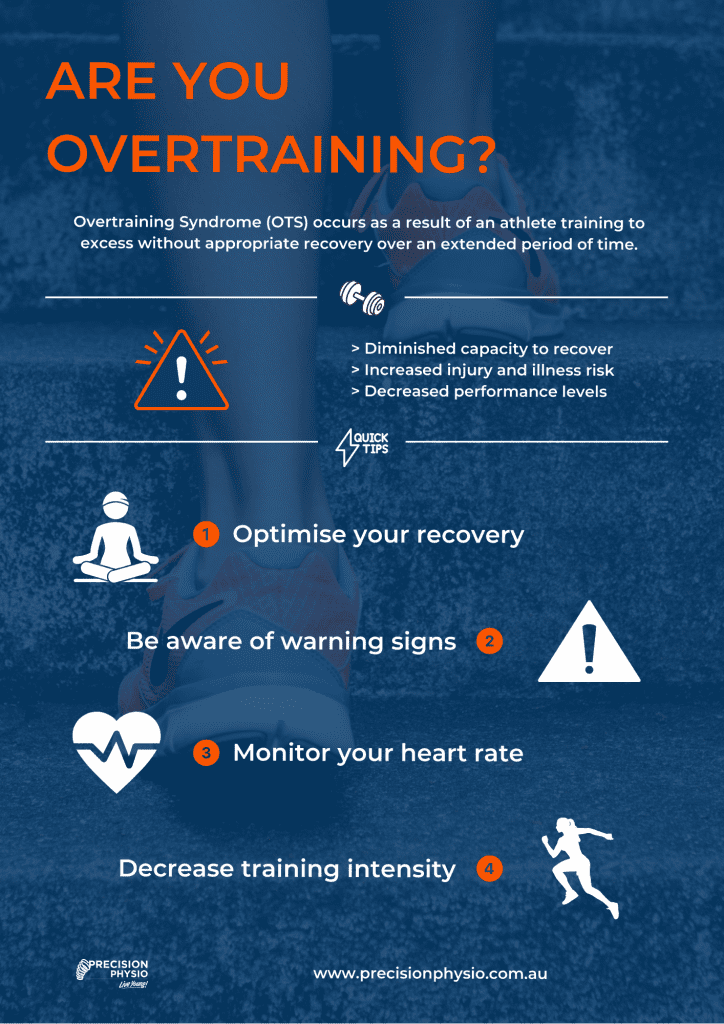
Are you a fitness enthusiast who is passionate about pushing your limits and achieving your goals? While dedication and hard work are essential, it’s crucial to find a balance to avoid overtraining. In this article, you will discover effective strategies to prevent overtraining and learn to recognize its telltale signs. By understanding the importance of rest, recovery, and listening to your body, you can optimize your training routine and maintain a healthy, sustainable fitness journey. So, let’s dive in and explore how you can avoid the pitfalls of overtraining!
Understanding Overtraining
What is overtraining?
Overtraining refers to the excessive physical and mental strain placed on the body as a result of intense and prolonged training without adequate rest and recovery. It occurs when the demands of your training exceed your body’s ability to recover and adapt.
Why is overtraining harmful?
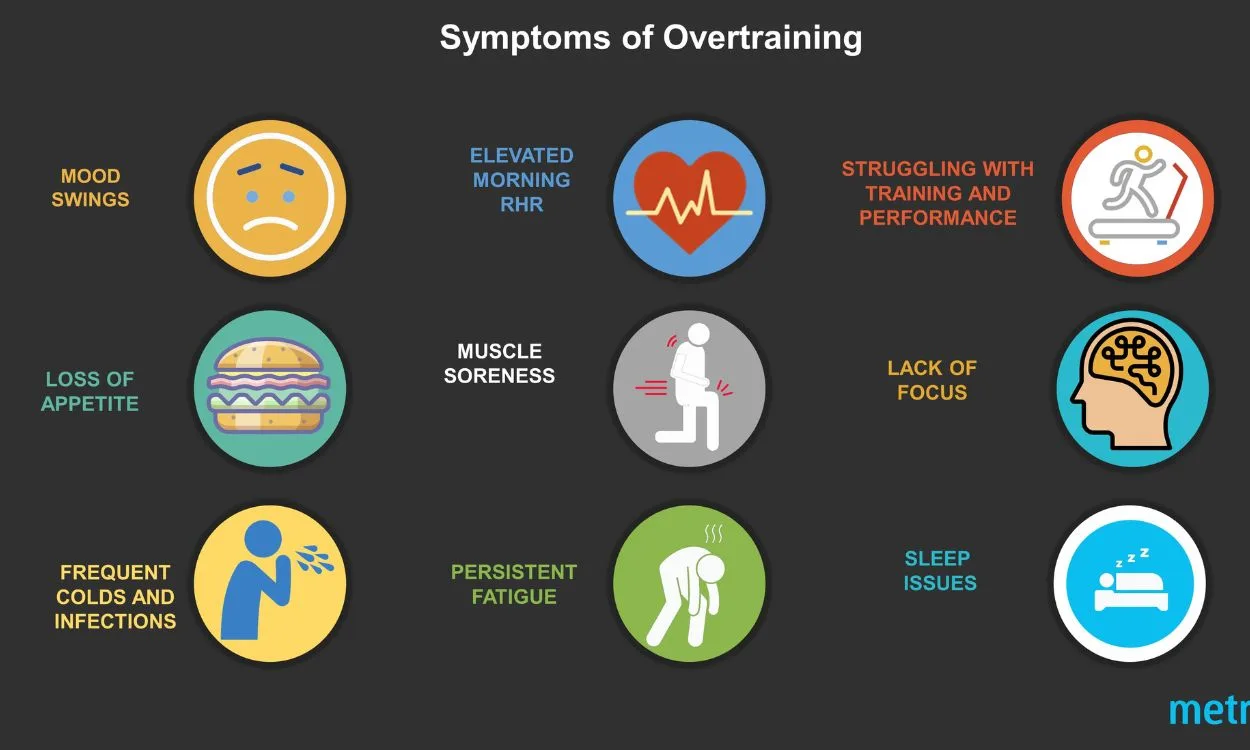
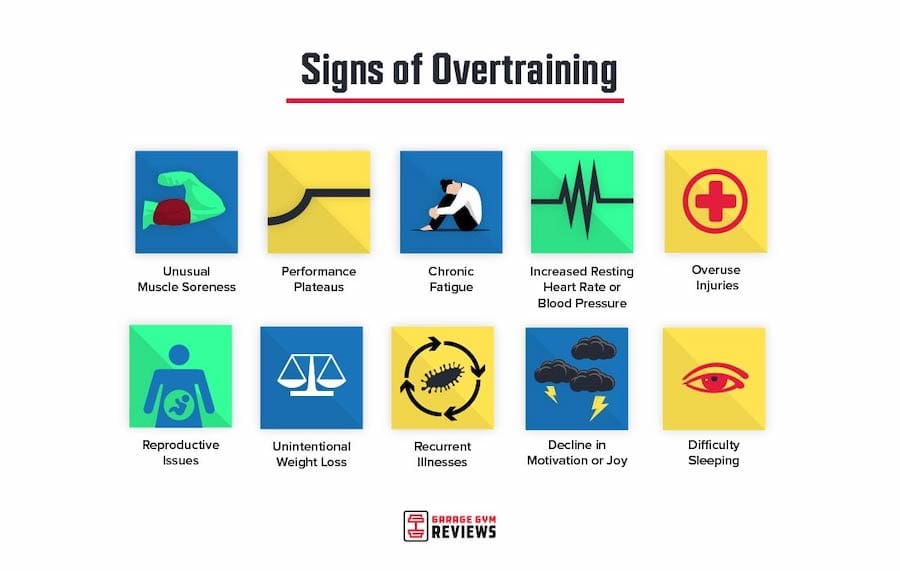
Overtraining can have negative effects on both your physical and mental health. Physically, it can lead to decreased performance, increased risk of injury, persistent fatigue, and hormonal imbalances. Mentally, it can cause mood changes, decreased motivation, irritability, and difficulty concentrating. In severe cases, overtraining syndrome can develop, which may require months of rest and rehabilitation to recover from.
Common causes of overtraining
There are several common causes of overtraining. One of the main causes is a lack of proper rest and recovery. Pushing yourself too hard without giving your body enough time to recover can lead to overtraining. Another cause is an imbalanced training routine that focuses too much on one type of exercise and neglects others. Additionally, inadequate nutrition, poor sleep quality, and high levels of stress can all contribute to overtraining. It’s important to identify these causes and make adjustments to prevent overtraining from occurring.
Creating an Optimal Training Plan
Set realistic goals
Setting realistic and achievable goals is crucial in preventing overtraining. It’s important to be honest with yourself about your current fitness level and to set goals that align with your abilities. Gradually increase the intensity and duration of your workouts over time, rather than jumping into an intense training plan right away. This will give your body the chance to adapt and minimize the risk of overtraining.
Include rest days
Rest days are essential for recovery and preventing overtraining. Schedule at least one or two rest days each week where you engage in light activity or take a complete break from exercise. Rest days allow your muscles to repair and rebuild, reducing the risk of injury and fatigue.
Vary your training routine
Repeating the same exercises and routines day after day can lead to overtraining. To avoid this, incorporate variety into your training plan. Include different types of exercises, such as cardiovascular, strength training, and flexibility exercises. It’s also beneficial to vary the intensity and duration of your workouts. This will give different muscle groups time to recover while also preventing monotony.
Listen to your body
One of the most important aspects of preventing overtraining is listening to your body. Pay attention to how you feel during and after your workouts. If you’re consistently feeling fatigued, experiencing persistent muscle soreness, or noticing a decrease in performance, it may be a sign that you need to scale back your training or take a rest day. Your body knows best, so always prioritize its signals.
Recognizing the Signs of Overtraining
Persistent fatigue
Feeling overly tired and lacking energy even after a good night’s sleep can be a sign of overtraining. If you find yourself consistently struggling to get through your workouts or feeling exhausted throughout the day, it’s important to take a step back and evaluate your training routine.
Decreased performance
Overtraining can cause a decline in your athletic performance. If you notice a significant decrease in strength, speed, or endurance despite putting in the effort, it could indicate that you’re overtraining. Your body needs time to recover and adapt in order to perform at its best, so don’t ignore this sign.
Increased risk of injury
When your body is pushed beyond its limits without adequate rest, the risk of injury significantly increases. Overtraining weakens your immune system, making you more susceptible to illnesses and injuries. If you’re experiencing more frequent injuries or struggling to recover from them, it’s important to address the issue and make necessary adjustments to your training plan.
Changes in mood or motivation
Overtraining doesn’t just affect your physical health, but also your mental well-being. It can lead to irritability, mood swings, decreased motivation, and a lack of enjoyment in activities that you once found pleasurable. If you notice changes in your mood or a loss of motivation, it’s important to consider whether overtraining could be a contributing factor.
Maintaining a Proper Recovery Routine
Prioritize sleep
Sleep is a crucial component of recovery. It is during sleep that your body repairs and rebuilds tissues, replenishes energy stores, and regulates hormone levels. Aim for 7-9 hours of quality sleep each night to optimize your recovery and prevent overtraining.
Eat a balanced diet
Proper nutrition is essential for optimal recovery. Make sure to consume a well-balanced diet that includes an adequate amount of protein, carbohydrates, and healthy fats. These nutrients provide the energy and building blocks your body needs to recover and adapt. Additionally, staying hydrated is important for supporting your body’s recovery processes.
Manage stress levels
Stress, both physical and emotional, can contribute to overtraining. Find healthy ways to manage and cope with stress, such as practicing relaxation techniques, engaging in hobbies, or seeking support from friends and family. Taking time for self-care and prioritizing your mental well-being can help prevent burnout and overtraining.
Incorporate active recovery
Active recovery involves engaging in low-intensity activities that promote blood flow and aid in recovery. This can include activities such as yoga, walking, or light swimming. Active recovery helps to flush out metabolic waste from the muscles and promotes healing and repair.
Monitoring Training Intensity and Volume
Use a training log
Keeping a training log can help you track your progress and monitor your training intensity and volume. Record the details of each workout, including the exercises performed, sets and repetitions, and the perceived difficulty or exertion level. By tracking these variables over time, you can identify any patterns or trends that may indicate overtraining.
Track heart rate variability
Heart rate variability (HRV) is a measure of the variations in time intervals between consecutive heartbeats. Monitoring your HRV can provide insights into your body’s readiness for training and recovery. Lower HRV values may indicate fatigue and overtraining, while higher HRV values suggest a well-recovered state.
Monitor training load
Training load refers to the volume, intensity, and frequency of your workouts. Monitoring your training load can help prevent overtraining by ensuring that you’re not consistently exceeding your body’s capacity to recover. Various tools and technologies, such as fitness trackers or training apps, can assist in tracking and analyzing your training load.
Periodize your training
Periodization involves dividing your training into distinct phases, each with its own goals, intensity levels, and recovery periods. This approach allows for planned periods of increased intensity and volume followed by periods of reduced load and increased recovery. Periodization helps to prevent overtraining by strategically balancing training and recovery.
Seeking Professional Guidance
Consult a fitness trainer
Working with a certified fitness trainer can be beneficial in preventing overtraining. They can help you design a well-rounded and balanced training plan that aligns with your goals and abilities. A trainer can also provide guidance on proper exercise form, technique, and progression to reduce the risk of injuries.
Hire a sports therapist
Sports therapists specialize in the treatment and prevention of sports-related injuries. They can assess your training routine, identify potential areas of overtraining, and provide targeted interventions to promote recovery and prevent further injuries. Seeking guidance from a sports therapist can be particularly helpful if you are experiencing persistent pain or mobility issues.
Visit a sports medicine specialist
If you suspect that you may be dealing with severe overtraining syndrome or if your symptoms persist despite making adjustments to your training routine, it’s important to consult a sports medicine specialist. They can perform a comprehensive evaluation, diagnose the cause of your symptoms, and develop a tailored treatment plan to support your recovery.
Preventing Overtraining in Specific Sports
Cycling
In cycling, overtraining can be a common issue due to the repetitive nature of the sport and the potential for long hours of training. To prevent overtraining, incorporate rest days into your training schedule, vary the intensity and duration of your rides, and listen to your body for signs of fatigue. It’s also important to prioritize proper nutrition and hydration to support your performance and recovery.
Running
Runners are also susceptible to overtraining, especially when increasing mileage or intensity too quickly. Gradually increase your mileage and incorporate cross-training activities to reduce the risk of overuse injuries. Listen to your body, take rest days when needed, and vary the terrain and surfaces you run on to prevent repetitive strain.
Weightlifting
Weightlifting requires proper technique and progressive overload to build strength effectively. However, overtraining can occur if you lift heavy weights too frequently or don’t allow for adequate rest between sessions. Focus on quality over quantity, prioritize recovery, and consider working with a qualified strength coach to ensure proper form and training programming.
Team sports
Team sports often involve frequent practices, games, and conditioning sessions, which can increase the risk of overtraining. It’s important for both coaches and athletes to prioritize rest and recovery, incorporate varied training activities, and monitor the overall training load. Open communication and collaboration between coaches and athletes can help identify and address overtraining issues within a team setting.
Taking Precautions for High-Intensity Training
Gradually increase intensity
High-intensity training, such as HIIT (High-Intensity Interval Training), can provide significant fitness benefits but also carries a higher risk of overtraining. Gradually increase the intensity and duration of your high-intensity workouts to allow your body to adapt and recover. Avoid pushing beyond your limits too quickly, as it can increase the risk of injury and burnout.
Incorporate recovery days
While high-intensity training can be effective, it’s important to balance it with adequate recovery. Incorporate recovery days or low-intensity workouts into your training schedule to give your body time to recover and rebuild. This will help prevent overtraining and ensure continued progress.
Implement proper warm-up and cool-down
Proper warm-up and cool-down routines are crucial in high-intensity training to prepare your body for exercise and aid in recovery. Prioritize dynamic stretching before your workout to increase blood flow and range of motion. Afterward, perform static stretches and use foam rollers or other recovery tools to help reduce muscle soreness and promote recovery.
Avoiding Psychological Overtraining
Recognize the importance of mental health
Physical and mental health are deeply interconnected, and it’s important to prioritize both. Recognize the importance of mental health and its impact on your overall well-being and performance. Take time for activities that promote relaxation, mindfulness, and stress reduction, such as meditation, yoga, or spending time in nature.
Practice stress management techniques
Chronic stress can lead to psychological overtraining and burnout. Implement stress management techniques, such as deep breathing exercises, journaling, or engaging in hobbies, to help manage and reduce stress. Finding a healthy balance between training, work, relationships, and self-care is crucial in preventing psychological overtraining.
Find a balance between training and other aspects of life
While it’s important to prioritize your training and fitness goals, it’s equally important to find a balance between training and other aspects of your life. Avoid neglecting relationships, hobbies, and other responsibilities in pursuit of your fitness goals. Striking a healthy balance will prevent burnout and help maintain a positive mindset towards training.
Conclusion
In conclusion, understanding overtraining and its harmful effects is crucial for maintaining a healthy and sustainable training routine. By setting realistic goals, including rest days, varying your training routine, and listening to your body, you can prevent the onset of overtraining. Additionally, implementing a proper recovery routine, monitoring training intensity and volume, and seeking professional guidance when needed are essential in avoiding overtraining. Remember to prioritize both your physical and mental health, find a balance in your training and life, and always listen to your body’s signals. With these strategies in place, you can enjoy a safe and effective training journey while avoiding the pitfalls of overtraining.