
Are you tired of feeling sluggish and low on energy? If so, then it’s time to take a closer look at your nutrition. In this article, you’ll discover the secrets to boosting your energy levels through proper nutrition. By making simple changes to your diet and incorporating foods that are rich in nutrients, vitamins, and minerals, you’ll be able to unlock a new level of vitality and experience increased productivity throughout your day. Say goodbye to those mid-afternoon crashes and embrace a healthier, more energized version of yourself. Get ready to fuel your body and revitalize your life with the power of proper nutrition.
Eat a Balanced Diet
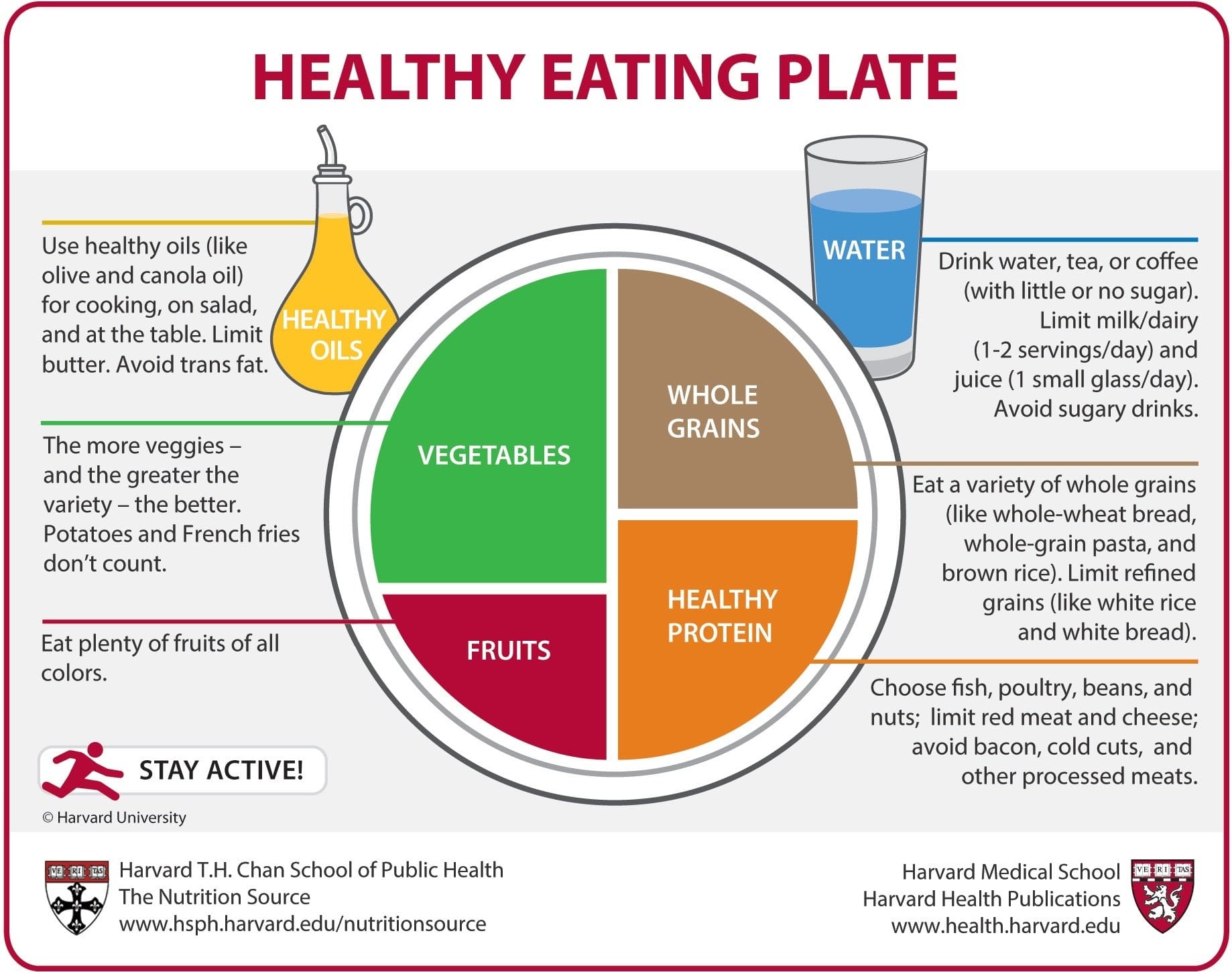
Maintaining a balanced diet is essential for optimal health and energy levels. When you eat a variety of foods from all the different food groups, you provide your body with the nutrients it needs to function properly. This includes fruits, vegetables, whole grains, lean proteins, and healthy fats.
Include all food groups
To ensure you’re getting a wide range of nutrients, it’s important to include all food groups in your diet. Fruits and vegetables should make up a significant portion of your meals, as they are packed with vitamins, minerals, and antioxidants. Aim for at least five servings of fruits and vegetables each day to meet your daily requirements.
Consume a variety of fruits and vegetables
Not all fruits and vegetables are created equal when it comes to nutritional content. Aim to include a variety of different colored fruits and vegetables in your diet to ensure you’re getting a wide range of nutrients. For example, oranges are high in vitamin C, while spinach is rich in iron. By including a variety of fruits and vegetables, you can maximize your nutrient intake.
Choose whole grains
When it comes to grains, it’s important to choose whole grains over refined grains. Whole grains, such as brown rice, quinoa, and whole wheat bread, contain more fiber, vitamins, and minerals compared to their refined counterparts. They also provide a slow and steady release of energy, keeping you satisfied for longer periods of time.
Include lean proteins
Protein is an important macronutrient that plays a crucial role in building and repairing tissues, as well as supporting a healthy immune system. Opt for lean protein sources, such as chicken breast, fish, tofu, and legumes. These options are low in saturated fat and provide essential amino acids that your body needs.
Incorporate healthy fats
Don’t shy away from fats! Healthy fats, such as those found in avocados, nuts, seeds, and olive oil, are essential for brain health and hormone production. They also help you feel full and satisfied. Just remember to consume them in moderation, as they are higher in calories compared to proteins and carbohydrates.
Stay Hydrated
Proper hydration is key to maintaining optimal energy levels. When you’re dehydrated, you may experience fatigue, low mood, and difficulty concentrating. To stay hydrated throughout the day:
Drink enough water
Water should be your go-to beverage for staying hydrated. Aim to drink at least eight glasses (64 ounces) of water each day. If you struggle to drink plain water, try infusing it with fruits or herbs for added flavor.
Avoid excessive caffeine and alcohol
While a cup of coffee or a glass of wine can be enjoyed in moderation, excessive caffeine and alcohol consumption can dehydrate your body. Both substances can also interfere with your sleep quality, leading to decreased energy levels the next day. Limit your intake and opt for healthier alternatives, such as herbal teas or infused water.
Include hydrating foods
In addition to drinking water, you can also increase your hydration by consuming foods with high water content. Cucumbers, celery, watermelon, and oranges are all excellent options. These foods not only provide hydration but also contribute valuable vitamins and minerals to your diet.
Consume Adequate Calories
To maintain optimal energy levels, you need to consume enough calories to fuel your body. Severely restricting your calorie intake can lead to fatigue, weakness, and a decline in overall energy. Follow these guidelines to ensure you’re consuming adequate calories:
Determine your daily calorie needs
Everyone’s calorie needs vary depending on factors such as age, sex, weight, and activity level. Use an online calculator or consult a healthcare professional to determine your personal calorie needs. This will give you a starting point for balancing your overall energy intake.
Avoid excessive calorie restriction
While it may be tempting to drastically cut back on calories in an effort to lose weight, it’s important to avoid excessive calorie restriction. Severely limiting your calorie intake can have negative effects on your metabolism, energy levels, and overall well-being. Instead, focus on creating a moderate calorie deficit if weight loss is your goal.
Ensure balanced caloric intake
While it’s important to avoid excessive calorie restriction, it’s equally important to ensure a balanced caloric intake. This means getting the right proportion of macronutrients – carbohydrates, proteins, and fats. Each macronutrient serves a specific role in providing energy and supporting overall health.