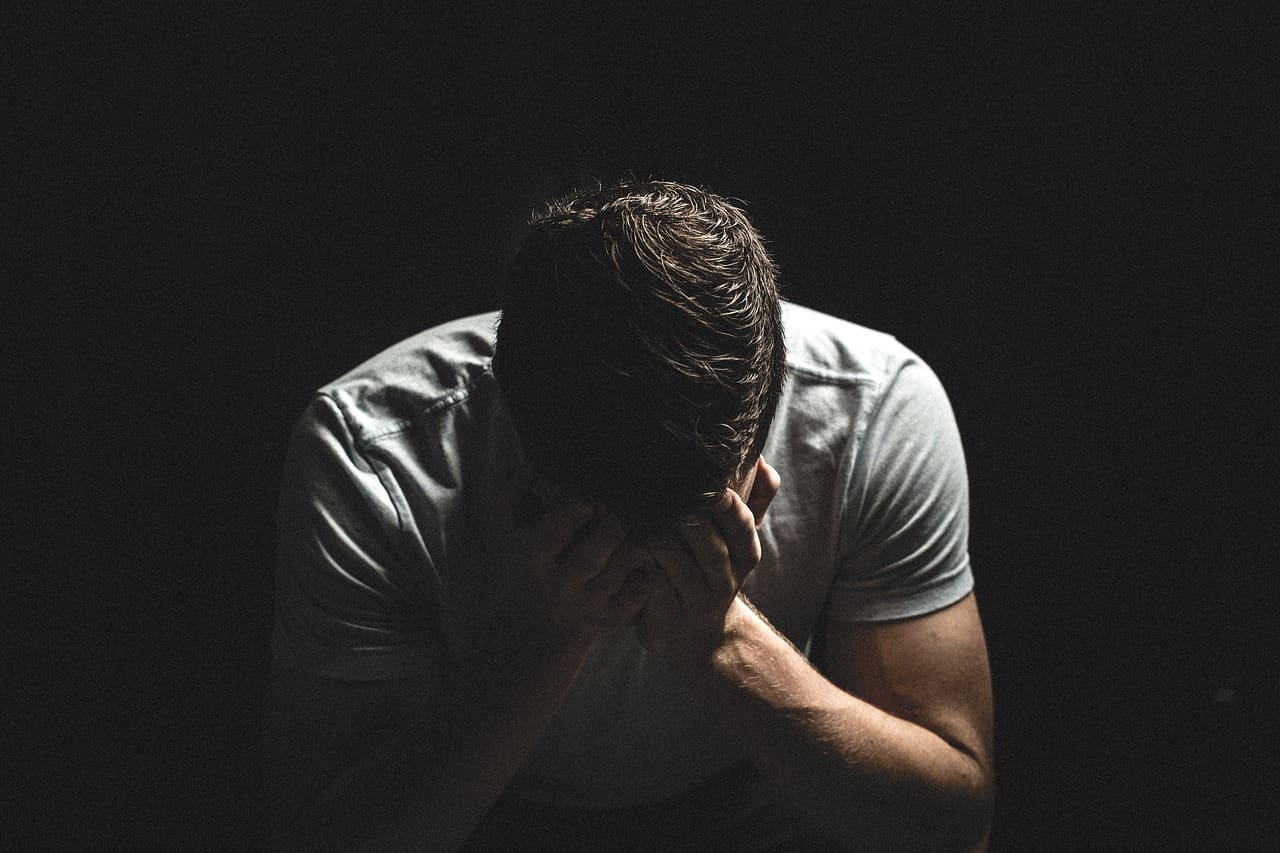
Hello there! Do you find yourself feeling down and sluggish during the colder, darker months of the year? You may be experiencing Seasonal Affective Disorder (SAD), a type of depression that typically occurs during the fall and winter seasons. In this article, we will explore some practical tips and strategies to help you cope with SAD and improve your overall well-being during these challenging times. Let’s dive in and discover ways to brighten up your mood and embrace the changing seasons with a positive outlook.
How To Cope With Seasonal Affective Disorder (SAD)
Seasonal Affective Disorder (SAD) is a type of depression that’s related to changes in seasons. If you find yourself feeling down during the fall and winter months, you might be experiencing SAD. But don’t worry, you’re not alone and there are coping strategies that can help you manage your symptoms. Let’s dive into how you can deal with SAD in a friendly and informative way.

Understanding Seasonal Affective Disorder
SAD is a type of depression that occurs at a specific time of year, usually the fall and winter months. It’s thought to be related to the lack of sunlight during these seasons, which can affect your body’s internal clock and brain chemicals. Symptoms of SAD can include feeling sad, hopeless, losing interest in activities you once enjoyed, and having low energy levels.
Understanding what SAD is can help you better cope with it. Knowing that it’s a real condition that many people experience can make you feel less alone in your struggles.
Recognizing The Symptoms of SAD
Recognizing the symptoms of SAD is the first step in managing the condition. Some common signs and symptoms to look out for include:
- Feeling down or depressed most of the day, nearly every day
- Losing interest in activities you once enjoyed
- Having low energy levels
- Changes in appetite or weight
- Difficulty sleeping or oversleeping
- Feeling hopeless or worthless
If you notice these symptoms in yourself, it’s important to reach out to a mental health professional for a proper diagnosis and treatment plan.
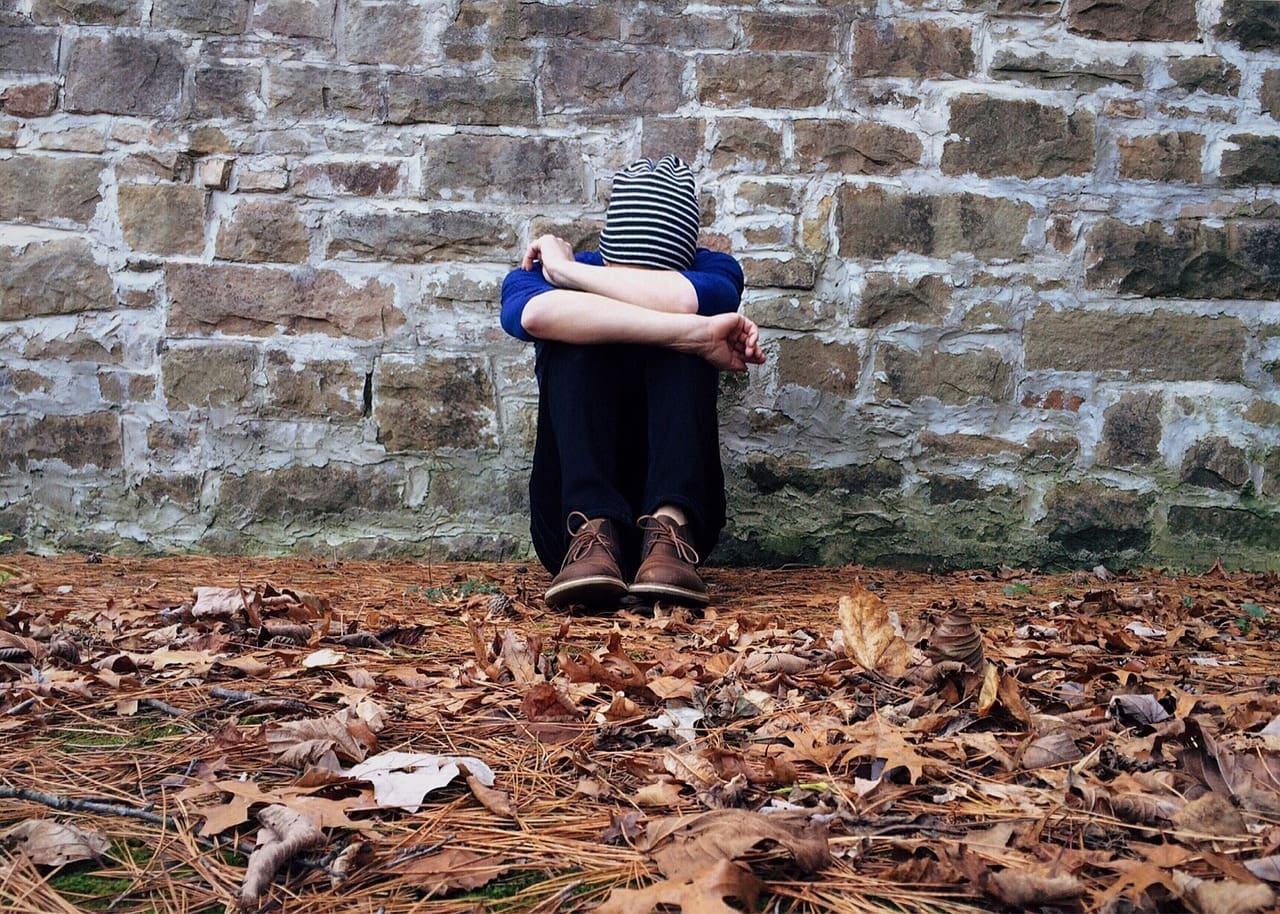
Tips For Coping With SAD
Coping with SAD can be challenging, but there are strategies that can help you manage your symptoms and feel better. Here are some tips to help you cope with SAD:
Let The Light In
One of the main factors in SAD is the lack of sunlight during fall and winter months. Getting as much natural light as possible can help improve your mood and energy levels. Make sure to open your curtains during the day, go for a walk outside, or consider using a light therapy box.
Stay Active
Exercise is a natural mood booster and can help alleviate symptoms of depression, including SAD. Aim for at least 30 minutes of physical activity each day, whether it’s going for a walk, practicing yoga, or hitting the gym. Find an activity that you enjoy and stick with it.
Maintain A Healthy Diet
Eating a balanced diet can help support your mental health and overall well-being. Make sure to include plenty of fruits, vegetables, whole grains, lean proteins, and healthy fats in your meals. Avoid excessive consumption of sugary or processed foods, as they can worsen symptoms of depression.
Practice Relaxation Techniques
Stress can exacerbate symptoms of SAD, so it’s important to practice relaxation techniques to help calm your mind and body. Consider trying meditation, deep breathing exercises, progressive muscle relaxation, or yoga to help reduce stress and improve your mood.
Prioritize Sleep
A good night’s sleep is crucial for managing symptoms of SAD. Make sure to establish a consistent sleep routine by going to bed and waking up at the same time each day. Create a relaxing bedtime routine, avoid screens before bed, and make your bedroom a conducive environment for sleep.
Stay Connected
Social support is essential for managing SAD. Reach out to friends and family members, join a support group, or consider talking to a therapist. Connecting with others can help you feel less isolated and provide you with the emotional support you need to cope with your symptoms.

Seek Professional Help
If you’re struggling to cope with SAD on your own, don’t hesitate to seek professional help. A mental health professional, such as a therapist or psychiatrist, can provide you with the necessary support and treatment options to manage your symptoms. Therapy, medication, or a combination of both may be recommended depending on your individual needs.

Conclusion
Coping with Seasonal Affective Disorder (SAD) can be challenging, but with the right strategies and support, you can manage your symptoms and feel better. By understanding what SAD is, recognizing the symptoms, and implementing coping techniques, you can effectively deal with this form of depression. Remember, you’re not alone in your struggles, and there are resources available to help you through this difficult time. Stay strong, stay resilient, and take care of yourself. You’ve got this!