
Welcome to a guide on how to create a healthy relationship with food and body image. In today’s society, it can be challenging to have a positive outlook on these aspects of ourselves. By shifting your mindset and practicing self-care, you can cultivate a balanced and nourishing relationship with food and your body. Let’s explore some tips and strategies to help you on this journey towards self-love and acceptance. Have you ever struggled with your relationship with food and body image? It can be challenging to navigate societal pressures, media influences, and personal experiences when it comes to how we view ourselves and the food we eat. But fear not, creating a healthy relationship with food and body image is possible, and I’m here to guide you through the process. Read on to discover practical tips and strategies to help you cultivate a positive and sustainable relationship with food and your body.
Understanding Your Relationship with Food
Understanding your current relationship with food is the first step towards creating a healthy and balanced approach. Take some time to reflect on your eating habits, attitudes towards food, and emotional connections to eating. Ask yourself the following questions:
- Do you eat when you are hungry, or do you eat for emotional reasons?
- Do you label foods as “good” or “bad,” leading to feelings of guilt or shame?
- Do you find yourself obsessing over calories, macros, or restrictive diets?
- Do you use food as a coping mechanism for stress or other emotions?
By being honest with yourself and identifying any negative patterns or behaviors, you can start to make positive changes towards a healthier relationship with food.
Keeping a Food Journal
One helpful tool for understanding your relationship with food is to keep a food journal. Write down everything you eat and drink throughout the day, along with your emotions, hunger levels, and any triggers that may have influenced your eating. This can help you identify patterns, triggers, and behaviors that may be impacting your relationship with food.
Mindful Eating Practices
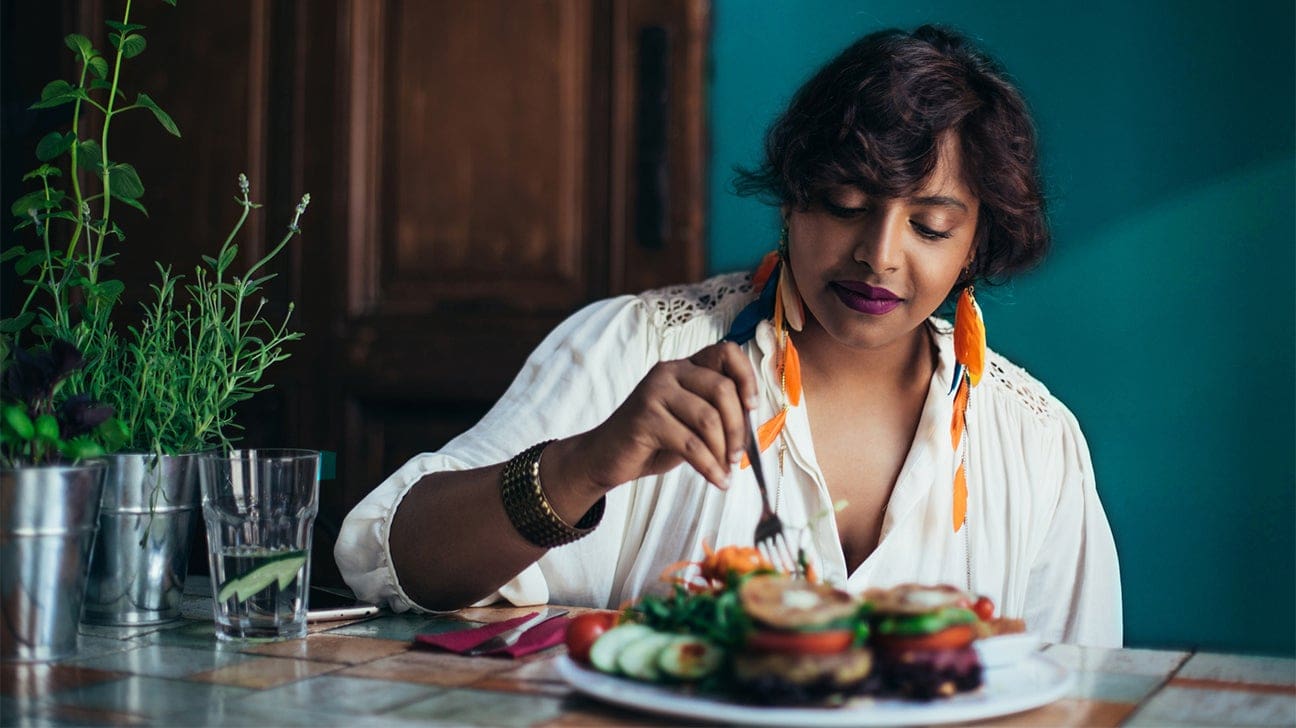
Practicing mindfulness can also help you develop a healthier relationship with food. Mindful eating involves being present and fully engaging with your food, savoring each bite, and paying attention to hunger and fullness cues. This can help you become more aware of your eating habits, emotional triggers, and food preferences.
Cultivating Positive Body Image
In addition to fostering a healthy relationship with food, cultivating a positive body image is essential for overall well-being. Here are some strategies to help you embrace and appreciate your body:
Embracing Your Body’s Strengths
Instead of focusing on your perceived flaws or imperfections, shift your mindset to appreciate your body’s strengths and capabilities. Your body is an amazing, resilient vessel that allows you to move, explore, and experience life. Focus on what your body can do, rather than how it looks.
Surrounding Yourself with Positive Influences
Surround yourself with positive influences that promote body positivity and self-acceptance. Follow social media accounts that celebrate diverse bodies, engage in activities that make you feel confident and empowered, and spend time with people who uplift and support you.
Practicing Self-Compassion
Be kind and compassionate towards yourself, especially when negative thoughts or self-criticism arise. Treat yourself with the same care and understanding that you would offer to a friend. Practice self-care activities that nurture your body and mind.
Nourishing Your Body with Nutrient-Dense Foods
Fueling your body with nutrient-dense foods is a key component of maintaining a healthy relationship with food and body image. Here are some tips for nourishing your body with wholesome and balanced meals:
Eating a Variety of Foods
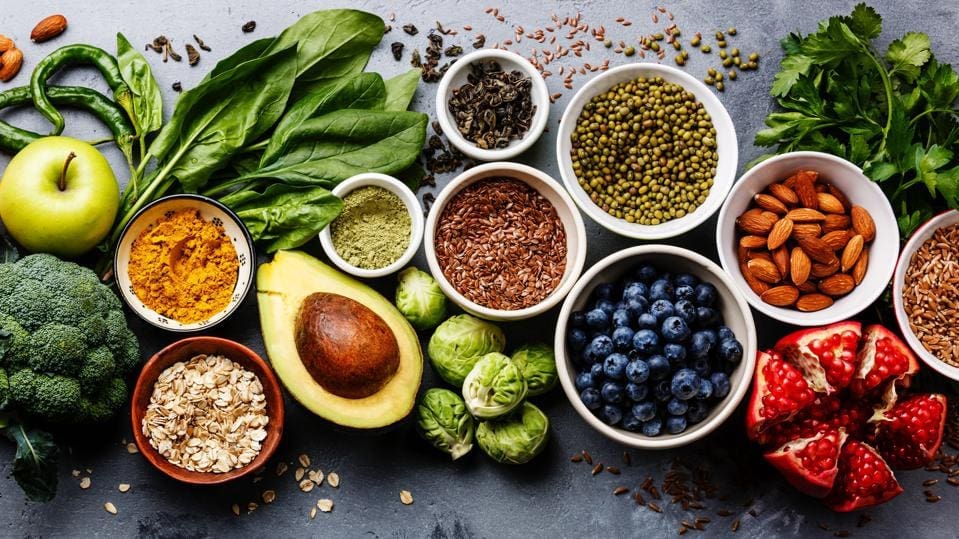
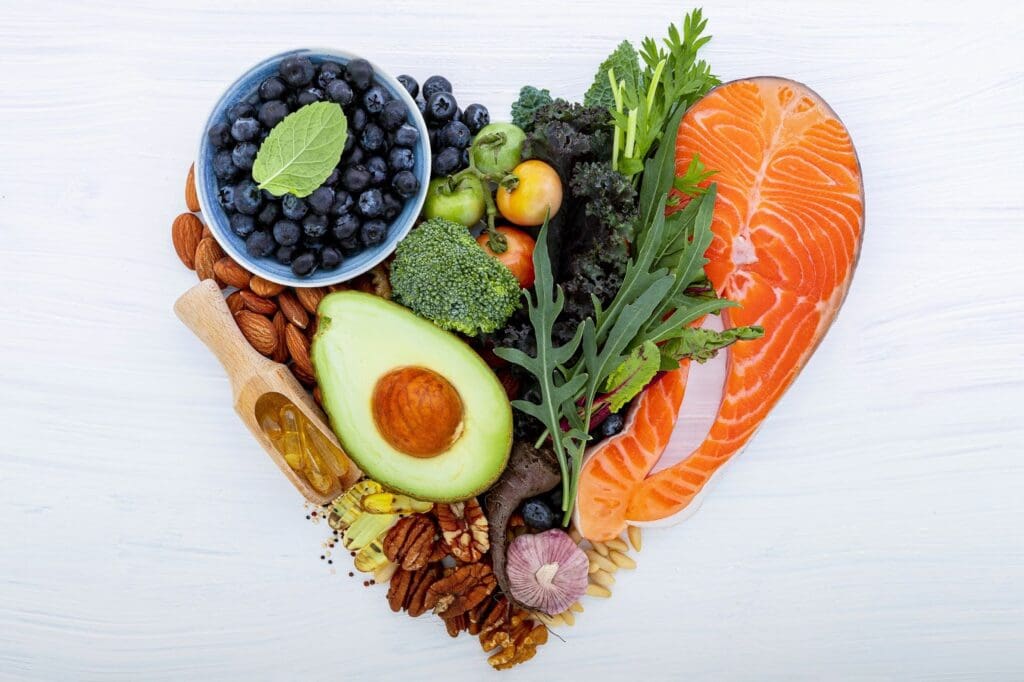
Include a wide variety of foods in your diet to ensure you are receiving a range of essential nutrients. Aim to incorporate fruits, vegetables, whole grains, lean proteins, and healthy fats into your meals to support overall health and well-being.
Listening to Your Hunger and Fullness Cues
Pay attention to your body’s hunger and fullness cues to guide your eating habits. Eat when you are hungry and stop when you are satisfied, rather than ignoring or overriding your body’s signals. This can help you develop a healthy relationship with food based on intuition and self-awareness.
Practicing Moderation
Instead of labeling foods as “good” or “bad,” strive for a balanced approach that includes all types of foods in moderation. Allow yourself to enjoy your favorite treats without guilt or restriction, while also prioritizing nutrient-dense options that nourish your body.

Engaging in Physical Activity for Well-Being
Physical activity is not only beneficial for your physical health but also plays a crucial role in supporting your mental well-being and body image. Here are some ways to incorporate movement into your daily routine:
Finding Activities You Enjoy
Engage in physical activities that you enjoy and that bring you pleasure. Whether it’s dancing, hiking, swimming, or practicing yoga, find activities that energize and inspire you. Physical activity should be a source of joy, not punishment.
Prioritizing Movement for Mental Health
Incorporate physical activity into your routine as a way to boost your mood, reduce stress, and improve your mental well-being. Exercise releases endorphins, chemicals in the brain that act as natural painkillers and mood elevators, helping you feel more positive and resilient.
Fostering a Positive Relationship with Movement
Shift your mindset from viewing exercise as a means to burn calories or change your body shape to seeing it as a form of self-care and self-expression. Embrace movement as a way to honor and care for your body, rather than punish or control it.
Seeking Support and Professional Guidance
If you are struggling with your relationship with food and body image, know that you are not alone. Seeking support from friends, family, or mental health professionals can provide you with the tools and resources to navigate these challenges. Here are some avenues for seeking help:
Therapy and Counseling
Consider seeking therapy or counseling from a licensed mental health professional who specializes in eating disorders, body image issues, or emotional eating. Therapy can help you address underlying issues, develop coping strategies, and foster a positive relationship with food and your body.
Support Groups
Joining a support group or community of individuals who are also working towards improving their relationship with food and body image can provide you with a sense of belonging, understanding, and encouragement. Sharing your experiences with others can help you feel less alone in your journey.
Registered Dietitians and Nutritionists
Consulting with a registered dietitian or nutritionist can help you establish healthy eating habits, address nutritional concerns, and create a balanced meal plan that supports your physical and mental well-being. These professionals can provide personalized guidance and support based on your individual needs.
Celebrating Progress and Practicing Self-Care
As you work towards creating a healthy relationship with food and body image, remember to celebrate your progress and be kind to yourself along the way. Here are some self-care practices to incorporate into your routine:
Setting Realistic Goals
Set realistic and achievable goals for yourself that focus on progress, not perfection. Celebrate small victories and milestones along the way, whether it’s trying a new food, engaging in a positive body image activity, or practicing self-compassion.
Engaging in Self-Care Activities
Make time for self-care activities that nurture your body and mind, such as taking a relaxing bath, practicing mindfulness meditation, journaling about your feelings, or spending time in nature. Self-care is essential for replenishing your energy and fostering a positive relationship with yourself.
Surrounding Yourself with Support
Surround yourself with a supportive network of friends, family, and professionals who can uplift, encourage, and guide you on your journey towards self-acceptance and well-being. Remember that you deserve to feel confident, empowered, and at peace with your body and your relationship with food.