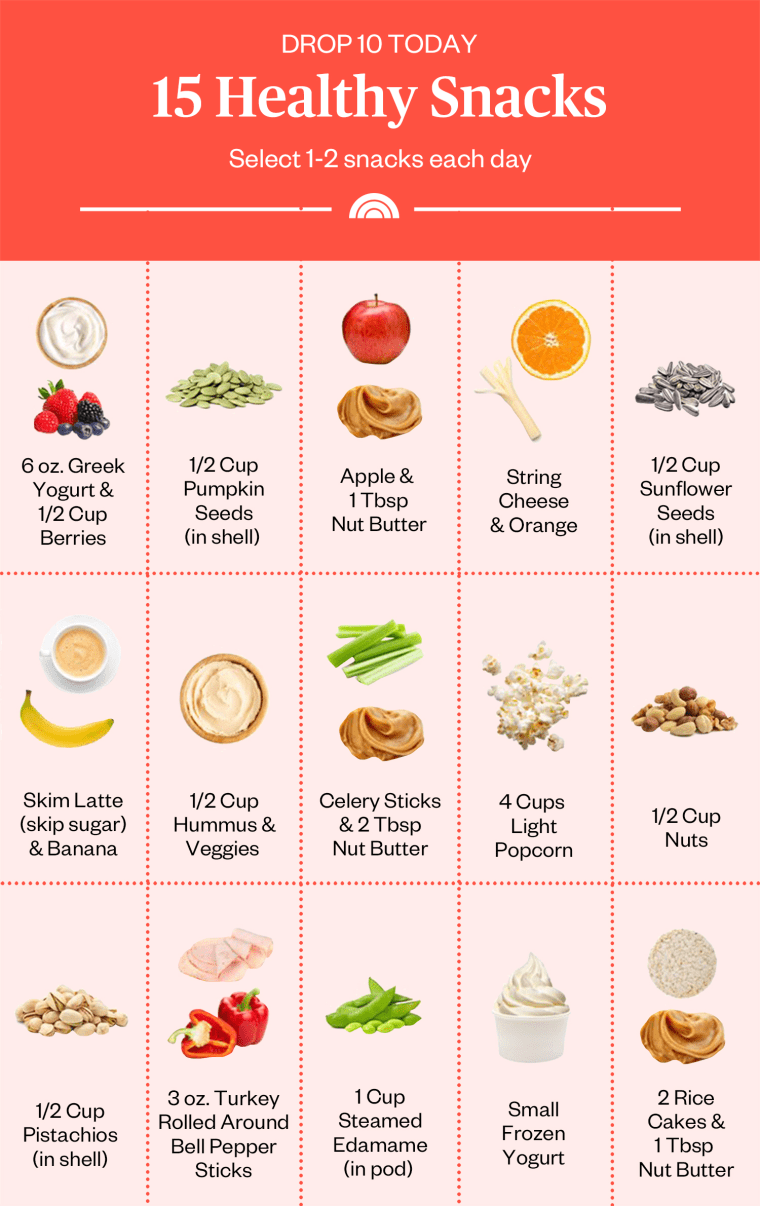
Welcome to a guide on how to create a nutritious and satisfying meal plan for weight management and overall health. By making thoughtful choices about the foods you eat, you can achieve your health goals while still enjoying delicious and fulfilling meals. By incorporating a balance of protein, carbohydrates, and fats, along with plenty of fruits and vegetables, you can design a meal plan that will nourish your body and support your well-being. With a little planning and creativity, you can pave the way for a healthier and happier you. Have you been struggling to find a meal plan that is both nutritious and satisfying while also helping you manage your weight and improve your overall health? Creating a well-balanced meal plan can seem overwhelming, but with the right guidance, you can easily achieve your goals. In this article, we will walk you through step-by-step on how to create a meal plan that suits your needs and preferences.
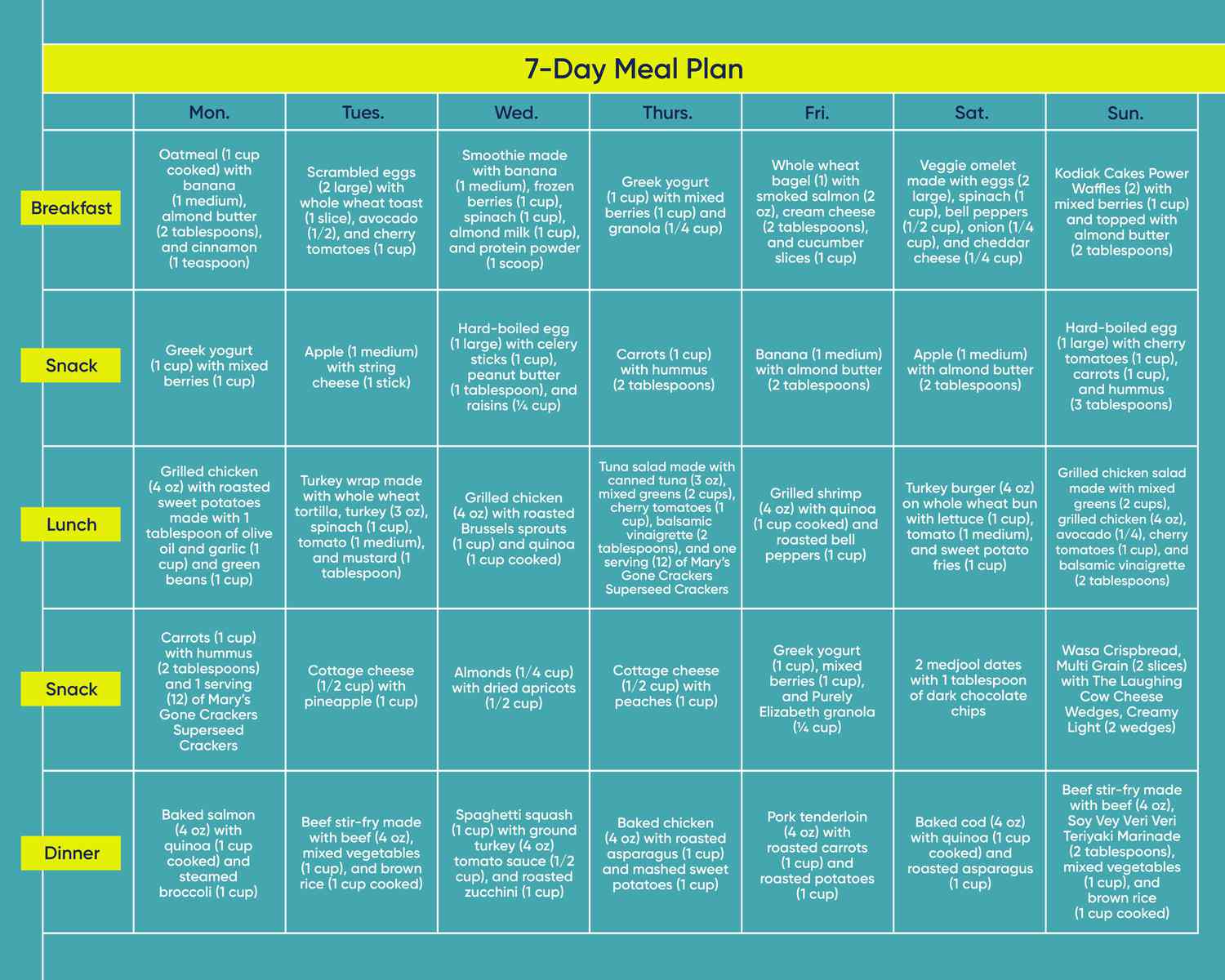
Understanding the Basics of Nutrition
Before diving into creating a meal plan, it is essential to understand the basics of nutrition. Nutrients are substances in food that provide energy, promote growth and development, regulate body functions, and prevent or repair illnesses. There are six essential nutrients your body needs to function properly: carbohydrates, proteins, fats, vitamins, minerals, and water. By incorporating a variety of these nutrients into your meal plan, you can ensure that your body is getting all the necessary components to thrive.
Carbohydrates
Carbohydrates are the body’s primary source of energy, and they come in two forms: simple and complex. Simple carbohydrates, such as sugar and refined grains, provide a quick burst of energy but can lead to spikes in blood sugar levels. On the other hand, complex carbohydrates, found in whole grains, fruits, and vegetables, provide sustained energy and are better for weight management. When creating your meal plan, aim to include more complex carbohydrates and limit simple carbohydrates to maintain stable energy levels throughout the day.
Proteins
Proteins are essential for building and repairing tissues, producing hormones and enzymes, and supporting a healthy immune system. Animal sources like meat, poultry, and fish are complete proteins, meaning they contain all nine essential amino acids required by the body. Plant-based proteins, such as tofu, legumes, and nuts, can also provide adequate protein but may lack one or more essential amino acids. To ensure you are getting enough protein in your meal plan, incorporate a variety of protein sources from both animal and plant-based foods.
Fats
Fats are important for absorbing vitamins, regulating hormones, and providing long-lasting energy. While fats have been demonized in the past, not all fats are created equal. Healthy fats, such as those found in avocados, nuts, seeds, and olive oil, can help reduce inflammation, improve brain function, and support heart health. Include these fats in moderation in your meal plan to promote overall well-being.
Vitamins and Minerals
Vitamins and minerals are essential for various bodily functions, such as bone health, immune system support, and energy production. Fruits and vegetables are rich sources of vitamins and minerals, so aim to include a rainbow of colors in your meal plan to ensure you are getting a wide range of nutrients. Consider taking a multivitamin supplement if you have trouble meeting your daily requirements through food alone.
Water
Water is often overlooked but is crucial for maintaining proper hydration, regulating body temperature, and aiding in digestion. Aim to drink at least eight glasses of water per day and more if you are physically active or live in a hot climate. Incorporate water-rich foods like fruits, vegetables, and soups into your meal plan to stay hydrated throughout the day.
Setting SMART Goals for Your Meal Plan
Now that you have a better understanding of the basics of nutrition, it’s time to set SMART goals for your meal plan. SMART goals are specific, measurable, attainable, relevant, and time-bound, which can help you stay focused and motivated on your journey to better health.
Specific
Be clear about what you want to achieve with your meal plan. Whether your goal is to lose weight, improve your energy levels, or support your overall health, make sure it is specific and tailored to your needs.
Measurable
Set quantifiable targets that you can track and monitor your progress. For example, aim to lose a certain number of pounds per week or increase your daily vegetable intake to a specific amount.
Attainable
Make sure your goals are realistic and achievable based on your current lifestyle and circumstances. Setting goals that are too lofty or unrealistic can lead to frustration and disappointment.
Relevant
Ensure that your goals are relevant to your overall health and well-being. Focus on goals that will have a positive impact on your life and help you create lasting habits.
Time-bound
Set a deadline for when you want to achieve your goals. Having a timeframe can provide a sense of urgency and motivation to stay on track with your meal plan.
By setting SMART goals for your meal plan, you can create a clear roadmap to success and stay accountable to yourself throughout the process.
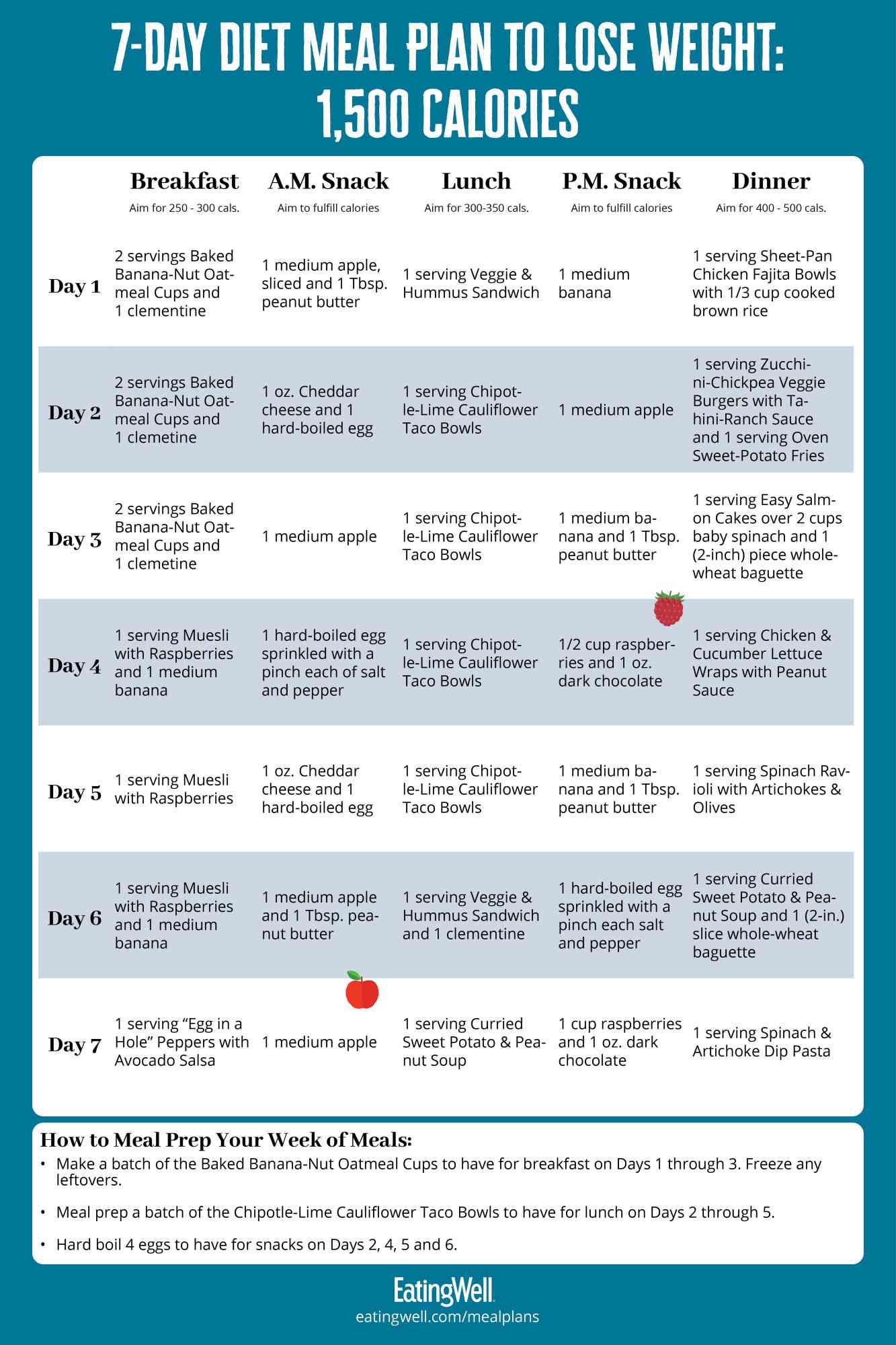
Building a Balanced Meal Plan
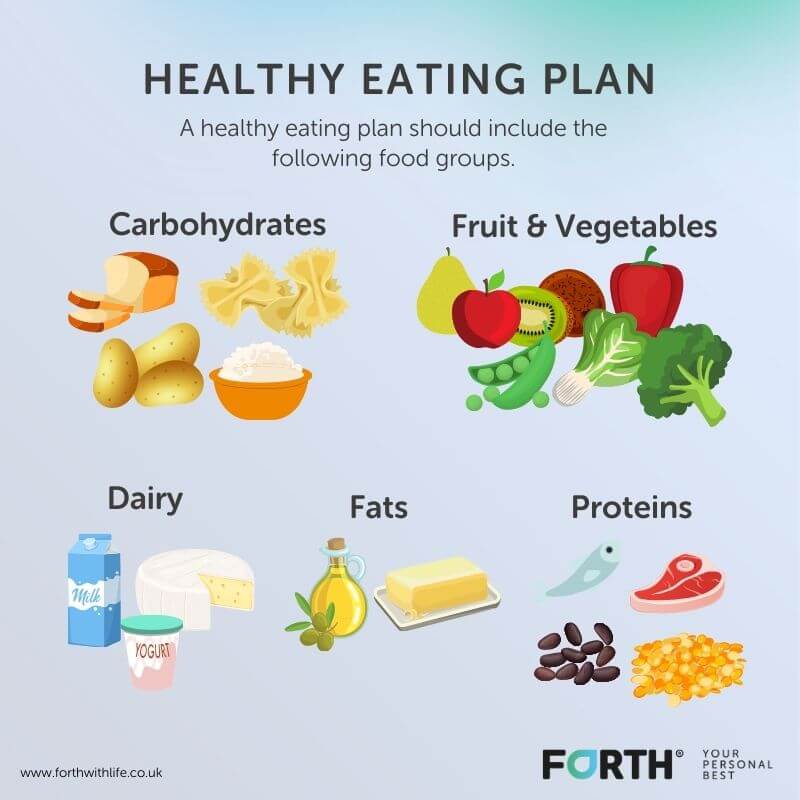
Now that you have a solid foundation of nutrition knowledge and SMART goals in place, it’s time to build a balanced meal plan that supports your health and weight management goals. A well-rounded meal plan should include a variety of foods from all food groups to ensure you are getting all the necessary nutrients your body needs to function optimally.
Choose a Variety of Foods
Include a wide range of foods from all food groups in your meal plan to ensure you are getting a diverse array of nutrients. This can help prevent nutrient deficiencies and promote better overall health.
Portion Control
Pay attention to portion sizes when planning your meals. Overeating, even on healthy foods, can lead to weight gain, while undereating can result in nutrient deficiencies. Use measuring cups, food scales, or portion control plates to help you manage your portions effectively.
Include Fiber-rich Foods
Fiber is essential for digestion, weight management, and heart health. Include plenty of fiber-rich foods like whole grains, fruits, vegetables, legumes, and nuts in your meal plan to ensure you are meeting your daily fiber requirements.
Incorporate Lean Proteins
Proteins help you feel full and satisfied, making them an important component of a balanced meal plan. Opt for lean protein sources like skinless poultry, fish, tofu, lentils, and beans to support muscle growth and repair.
Limit Added Sugars and Processed Foods
High consumption of added sugars and processed foods can lead to weight gain, inflammation, and other health issues. Limit your intake of sugary beverages, sweets, fast food, and processed snacks in your meal plan to promote better health outcomes.
Don’t Forget Healthy Fats
Healthy fats are an important part of a balanced meal plan and can help you feel satisfied after meals. Include sources of healthy fats like avocados, olive oil, nuts, seeds, and fatty fish in your meal plan to support brain health and heart function.
Plan Ahead
Take the time to plan your meals in advance to avoid last-minute decisions that may not align with your health goals. Batch cook meals, meal prep ingredients, and create a grocery list to streamline the meal planning process and save time during the week.
Listen to Your Body
Pay attention to hunger cues and how your body responds to different foods in your meal plan. Everyone’s nutritional needs are different, so listen to your body and make adjustments as needed to ensure you are feeling your best.
Sample Meal Plan for Weight Management and Overall Health
To help you get started with creating your meal plan, here is a sample day’s worth of meals that are nutritious, satisfying, and support weight management and overall health:
| Meal | Foods |
|---|---|
| Breakfast | Greek yogurt with berries and almonds |
| Snack | Carrot sticks with hummus |
| Lunch | Grilled chicken salad with mixed greens and vinaigrette |
| Snack | Apple slices with peanut butter |
| Dinner | Baked salmon with quinoa and roasted vegetables |
| Snack | Plain popcorn with a sprinkle of nutritional yeast |
By incorporating a variety of nutrient-dense foods into your meals and snacks, you can create a meal plan that supports your weight management and overall health goals. Feel free to customize this sample meal plan to suit your preferences and dietary needs.
Staying Consistent with Your Meal Plan
Consistency is key when it comes to seeing results with your meal plan. While it’s normal to have days where you may deviate from your plan, the key is to get back on track and not let setbacks derail your progress. Here are a few tips to help you stay consistent with your meal plan:
Meal Prep in Advance
Take the time to meal prep on weekends or whenever you have free time during the week. Batch cooking meals, chopping vegetables, and portioning out snacks can help you stay organized and make healthier choices throughout the week.
Set Reminders
Use a meal planning app, calendar, or journal to set reminders for when to eat your meals and snacks. Having a schedule can help you stay on track and prevent mindless eating or skipping meals.
Find Accountability
Share your meal plan goals with a friend, family member, or coworker who can help keep you accountable. Having someone to check in with regularly can motivate you to stick to your plan and celebrate your successes together.
Practice Mindful Eating
Take the time to savor and enjoy your meals without distractions like TV or phones. Eating mindfully can help you listen to your body’s hunger and fullness cues, prevent overeating, and improve your relationship with food.
Celebrate Small Wins
Acknowledge and celebrate your progress along the way, no matter how small. Whether it’s trying a new recipe, hitting a weight loss milestone, or consistently following your meal plan, every achievement is worth recognizing.
By following these tips and staying consistent with your meal plan, you can set yourself up for long-term success in managing your weight and improving your overall health.
Conclusion
Creating a nutritious and satisfying meal plan for weight management and overall health may seem daunting at first, but with the right guidance and motivation, you can achieve your goals. By understanding the basics of nutrition, setting SMART goals, building a balanced meal plan, and staying consistent, you can create a sustainable and healthy eating routine that works for you. Remember that everyone’s journey is unique, so listen to your body, make adjustments as needed, and celebrate your progress along the way. With dedication and perseverance, you can create a meal plan that supports your health and well-being for years to come.