Are you ready to take control of your health and well-being? In this article, we will guide you on how to create a preventive health plan that will not only help you maintain good overall wellness but also prevent potential health issues. By taking a proactive approach and incorporating simple lifestyle changes, you can ensure that you prioritize your health and enjoy a happy and fulfilling life. So let’s get started on this journey towards a healthier and happier you!
Assessing Current Health Status
Conducting a comprehensive medical check-up
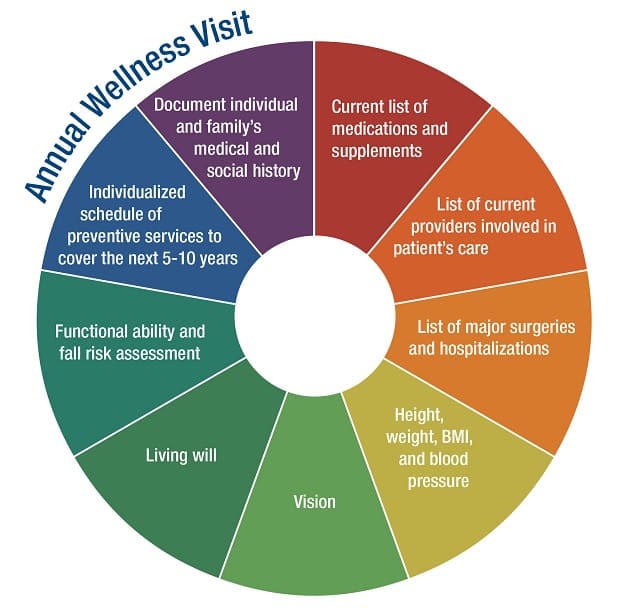
When creating a preventive health plan, it is important to start by assessing your current health status. One of the most effective ways to do this is by conducting a comprehensive medical check-up. This involves visiting your healthcare provider and undergoing various tests and examinations to evaluate your overall health. These tests may include blood work, cholesterol screening, blood pressure measurement, and body mass index (BMI) calculation. By gathering this information, you and your healthcare provider can gain a better understanding of your current health status and identify any potential areas of concern.
Reviewing past medical history
In addition to a comprehensive medical check-up, reviewing your past medical history is crucial for assessing your current health status. This involves discussing any previous illnesses, surgeries, or medical conditions that you have experienced. It is important to provide your healthcare provider with accurate and detailed information about your past medical history, as it can help them better understand your individual health risks and tailor your preventive health plan accordingly. By understanding your medical history, you and your healthcare provider can work together to identify any potential risks or underlying conditions that need to be addressed in your preventive health plan.
Assessing lifestyle habits and behaviors
Assessing your lifestyle habits and behaviors is another important aspect of evaluating your current health status. Your daily habits and behaviors have a significant impact on your overall health and well-being. It is important to evaluate factors such as exercise, nutrition, sleep, stress management, and substance use. Take note of how often you engage in physical activity, the types of foods you consume, the quality and duration of your sleep, how you manage stress, and whether you have any habits such as smoking or excessive alcohol consumption. By identifying any areas of concern or unhealthy habits, you can work towards making positive changes in your lifestyle to improve your overall health.
Setting Health Goals
Identifying specific health objectives
Once you have assessed your current health status, the next step in creating a preventive health plan is to identify specific health objectives. These objectives should be tailored to your individual needs and address any areas of concern that were identified during the assessment phase. For example, if your blood pressure is high, a specific health objective could be to lower your blood pressure within a certain timeframe. By identifying specific health objectives, you can have a clear focus and direction in your preventive health plan.
Creating measurable targets
In addition to identifying specific health objectives, it is important to create measurable targets. Measurable targets allow you to track your progress and determine whether you are on track to achieve your health objectives. For example, if your objective is to engage in physical activity for at least 30 minutes a day, a measurable target could be to exercise for 30 minutes, five days a week. By creating measurable targets, you can monitor your progress and make adjustments to your preventive health plan as needed.
Considering long-term and short-term goals
When setting health goals, it is important to consider both long-term and short-term objectives. Long-term goals are those that you aspire to achieve over a longer period of time, such as six months or a year. Short-term goals, on the other hand, are more immediate and can be achieved within a few weeks or months. By setting both long-term and short-term goals, you can create a balanced and achievable preventive health plan. Short-term goals can provide you with a sense of accomplishment and motivation, while long-term goals keep you focused on the bigger picture.

Nutrition Planning
Evaluating current diet
Nutrition plays a crucial role in overall health and well-being. When creating a preventive health plan, it is important to evaluate your current diet and make any necessary adjustments. Take a closer look at your eating habits and the types of foods you typically consume. Are you getting enough fruits and vegetables? Are you consuming too much saturated fat or added sugars? Evaluating your current diet can help you identify any areas that need improvement and guide you in creating a balanced meal plan.
Setting a balanced meal plan
Once you have evaluated your current diet, the next step is to set a balanced meal plan. A balanced meal plan includes a variety of nutrient-rich foods from different food groups. Aim to include plenty of fruits, vegetables, whole grains, lean proteins, and healthy fats in your meals. Try to limit your intake of processed foods, sugary snacks, and beverages high in calories and added sugars. By setting a balanced meal plan, you can ensure that your body is receiving the essential nutrients it needs to function properly.
Incorporating essential nutrients
In addition to setting a balanced meal plan, it is important to incorporate essential nutrients into your diet. Essential nutrients are substances that your body needs but cannot produce on its own, so they must be obtained through food. Some examples of essential nutrients include vitamins, minerals, and omega-3 fatty acids. Consider including a variety of nutrient-rich foods in your meals to ensure you are getting an adequate intake of these essential nutrients. If needed, you may also consider taking dietary supplements under the guidance of your healthcare provider.
Exercise and Physical Activity
Assessing current activity level
Regular exercise and physical activity are essential for maintaining good health. When creating a preventive health plan, it is important to assess your current activity level. Take note of how often you engage in physical activity and the intensity of your workouts. If you lead a sedentary lifestyle, gradually increasing your activity level is advised. If you are already physically active, evaluate whether your current exercise routine is providing the necessary cardiovascular and strength benefits. Assessing your current activity level can help you determine the appropriate types and duration of exercise needed for your preventive health plan.
Choosing suitable exercise types
When incorporating exercise into your preventive health plan, it is important to choose suitable exercise types. Different activities offer different benefits, so it is important to select exercises that align with your health goals. For example, if you want to improve cardiovascular health, aerobic exercises such as walking, running, or swimming may be beneficial. If your goal is to build strength, incorporating resistance training or weightlifting exercises may be more suitable. By choosing exercise types that align with your goals, you can maximize the benefits of your workouts and improve your overall health.
Creating an exercise schedule
To ensure consistency and accountability, it is helpful to create an exercise schedule as part of your preventive health plan. Determine the days and times that work best for you to engage in physical activity and make a commitment to stick to this schedule. Aim for at least 150 minutes of moderate-intensity aerobic activity or 75 minutes of vigorous-intensity aerobic activity each week, along with muscle-strengthening activities two or more days a week. By creating an exercise schedule and sticking to it, you can make physical activity a regular part of your routine and improve your overall fitness.
Stress Management
Identifying stressors
Stress is a common part of life, but excessive or chronic stress can negatively impact your health. As part of your preventive health plan, it is important to identify the specific stressors in your life. These stressors can be external factors such as work deadlines, relationship issues, or financial pressures, as well as internal factors such as negative thoughts or self-imposed pressures. By identifying your stressors, you can develop strategies to effectively manage and reduce their impact on your health.
Implementing relaxation techniques
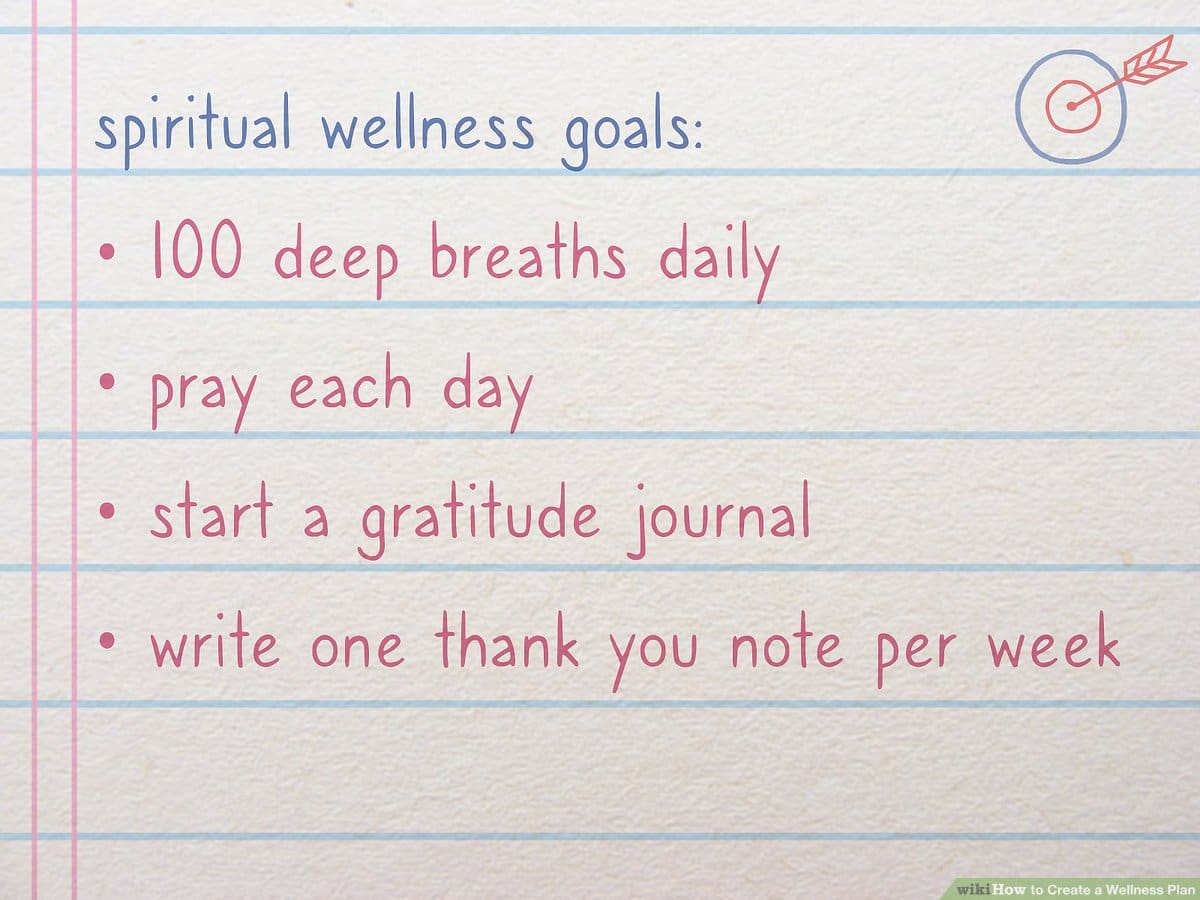
To manage stress effectively, implementing relaxation techniques is essential. There are various relaxation techniques that can help you reduce stress and promote overall well-being. Examples include deep breathing exercises, meditation, yoga, tai chi, and progressive muscle relaxation. These techniques can help you relax both your body and mind, reduce tension, and improve mental clarity. By incorporating relaxation techniques into your preventive health plan, you can better cope with stress and enhance your overall emotional well-being.
Building healthy coping mechanisms
In addition to relaxation techniques, building healthy coping mechanisms is important for effective stress management. Coping mechanisms are strategies or behaviors that you use to adapt to and manage stress. Some individuals may turn to unhealthy coping mechanisms such as smoking, excessive drinking, or emotional eating, which can have negative consequences on their health. It is important to identify healthy coping mechanisms that work best for you. Examples of healthy coping mechanisms include engaging in hobbies, spending time with loved ones, seeking support from friends or family, or seeking professional help when needed. By building healthy coping mechanisms, you can develop resilience and effectively manage stress throughout your preventive health journey.
Sleep Hygiene
Establishing a consistent sleep routine
Sleep is an essential component of overall health and well-being. As part of your preventive health plan, it is important to establish a consistent sleep routine. This involves going to bed and waking up at the same time each day, even on weekends. By setting a regular sleep schedule, you can regulate your body’s internal clock and improve the quality and duration of your sleep. Aim for seven to nine hours of sleep per night, as adequate sleep is crucial for physical and mental restoration.
Creating a comfortable sleep environment
Creating a comfortable sleep environment is also important for promoting quality sleep. Your sleep environment should be cool, dark, and quiet. Consider using blackout curtains or an eye mask to block out any external light, earplugs or a white noise machine to drown out any noise disturbances, and a comfortable mattress and pillows that provide adequate support. By optimizing your sleep environment, you can create the ideal conditions for a restful night’s sleep.
Avoiding sleep-disrupting habits
In addition to establishing a consistent sleep routine and creating a comfortable sleep environment, it is important to avoid sleep-disrupting habits. Certain behaviors and habits can interfere with your ability to fall asleep or stay asleep throughout the night. Examples of sleep-disrupting habits include consuming caffeine or nicotine close to bedtime, using electronic devices with bright screens before bed, and engaging in stimulating activities or intense exercise right before sleep. By avoiding these habits and implementing a relaxing bedtime routine, you can enhance the quality of your sleep and wake up feeling refreshed.

Preventive Screening and Vaccinations
Keeping up with recommended screenings
Preventive screenings are important for detecting and addressing potential health issues before they become more serious. As part of your preventive health plan, it is crucial to keep up with recommended screenings. These screenings can vary depending on factors such as age, gender, and family history. Examples of preventive screenings include blood pressure checks, cholesterol screenings, mammograms, Pap smears, colonoscopies, and prostate exams. By undergoing these screenings at regular intervals as recommended by your healthcare provider, you can increase the likelihood of early detection and intervention if any health issues arise.
Staying updated on immunizations
Immunizations are another important aspect of preventive healthcare. Vaccines can protect you from various diseases and help prevent the spread of contagious illnesses. It is important to stay updated on immunizations and receive vaccines as recommended by your healthcare provider. Examples of common vaccines include the influenza vaccine, the tetanus-diphtheria-pertussis vaccine, the measles-mumps-rubella vaccine, and the human papillomavirus vaccine. By staying updated on immunizations, you can reduce your risk of contracting preventable illnesses and protect your overall health.
Understanding the importance of early detection
Early detection is a key component of preventive healthcare. Through regular screenings and immunizations, you can increase the chances of detecting and addressing potential health issues at an early stage. Early detection allows for prompt intervention, which can lead to better health outcomes and improved overall wellness. By understanding the importance of early detection and actively participating in preventive screenings and immunizations, you are taking proactive steps towards maintaining and improving your health.
Maintaining Mental Wellbeing
Engaging in mindfulness practices
Mental well-being is just as important as physical health when it comes to overall wellness. As part of your preventive health plan, it is important to engage in mindfulness practices. Mindfulness involves being fully present in the moment and paying attention to your thoughts, feelings, and sensations without judgment. Examples of mindfulness practices include meditation, deep breathing exercises, and mindful eating. By incorporating mindfulness into your daily routine, you can reduce stress, improve mental clarity, and enhance your overall well-being.
Seeking professional help when needed
In certain situations, seeking professional help is necessary to maintain mental well-being. If you are experiencing persistent feelings of sadness, anxiety, or other mental health concerns, it is important to reach out to a mental health professional. Therapists, counselors, and psychiatrists can provide guidance, support, and evidence-based treatments to help you navigate challenging emotions and improve your mental health. Remember, seeking professional help is a sign of strength, and taking care of your mental well-being is an essential part of overall wellness.
Prioritizing self-care activities
Self-care activities play a vital role in maintaining mental well-being. As part of your preventive health plan, it is important to prioritize self-care. Self-care involves engaging in activities that promote relaxation, pleasure, and overall well-being. Examples of self-care activities include practicing hobbies or interests, spending time with loved ones, taking breaks, getting outdoors, prioritizing rest and relaxation, and engaging in activities that bring you joy and fulfillment. By prioritizing self-care activities, you can recharge and rejuvenate yourself, leading to improved mental well-being.

Building a Support Network
Surrounding oneself with positive influences
Building a support network is crucial for overall wellness and maintaining good health. Surrounding yourself with positive influences can provide emotional support, encouragement, and motivation throughout your preventive health journey. Seek out individuals who have similar health goals and values, and engage in activities or join groups where you can connect with like-minded individuals. Positive influences can provide valuable guidance, accountability, and inspiration, helping you stay on track and make positive changes in your life.
Joining support groups or communities
Joining support groups or communities focused on health and wellness can also be beneficial. Support groups provide a safe and supportive environment where you can share your experiences, learn from others, and receive guidance from individuals who have similar health concerns or goals. Whether it’s an in-person support group or an online community, connecting with others who are on a similar journey can provide a sense of belonging and strengthen your commitment to your preventive health plan.
Seeking accountability partners
Having an accountability partner can be incredibly helpful in staying consistent and motivated in your preventive health journey. An accountability partner is someone who shares your health goals and is committed to supporting and encouraging you throughout your journey. This can be a friend, family member, or even a coworker who is also interested in improving their health. By regularly checking in with your accountability partner, sharing progress updates, and providing support to one another, you can stay accountable to your goals and maintain the motivation needed to achieve overall wellness.
Regular Monitoring and Adjustments
Tracking progress towards health goals
To ensure the effectiveness of your preventive health plan, it is important to regularly track your progress towards your health goals. Keep a record of your activities, measurements, and any changes you observe in your health. This can be done through a journal, an app, or any other method that works for you. By tracking your progress, you can assess whether you are on track to achieve your goals and make any necessary adjustments to your preventive health plan.
Reevaluating the health plan periodically
As you progress on your preventive health journey, it is important to periodically reevaluate your health plan. Life circumstances may change, health goals may evolve, and new information may arise that requires adjustments to your plan. Take the time to reflect on your current health status, reassess your goals, and determine if any modifications need to be made. Regularly reevaluating your health plan ensures that it remains aligned with your needs and continues to support your journey towards overall wellness.
Making necessary modifications as needed
Once you have reevaluated your health plan, it may be necessary to make modifications based on your findings. This can include adjusting your nutrition plan, modifying your exercise routine, implementing additional stress management techniques, or seeking additional medical screenings. Making necessary modifications ensures that your preventive health plan remains effective and tailored to your individual needs as you progress on your journey towards overall wellness.
In conclusion, creating a preventive health plan for overall wellness involves assessing your current health status, setting health goals, planning for nutrition and exercise, managing stress and sleep, prioritizing mental well-being, building a support network, and regularly monitoring and adjusting your plan. By taking proactive steps towards preventive care and making positive lifestyle choices, you can improve your overall health and well-being, leading to a happier and healthier life. Remember, your preventive health plan is a personalized journey, and it is important to consult with your healthcare provider for guidance and support along the way.