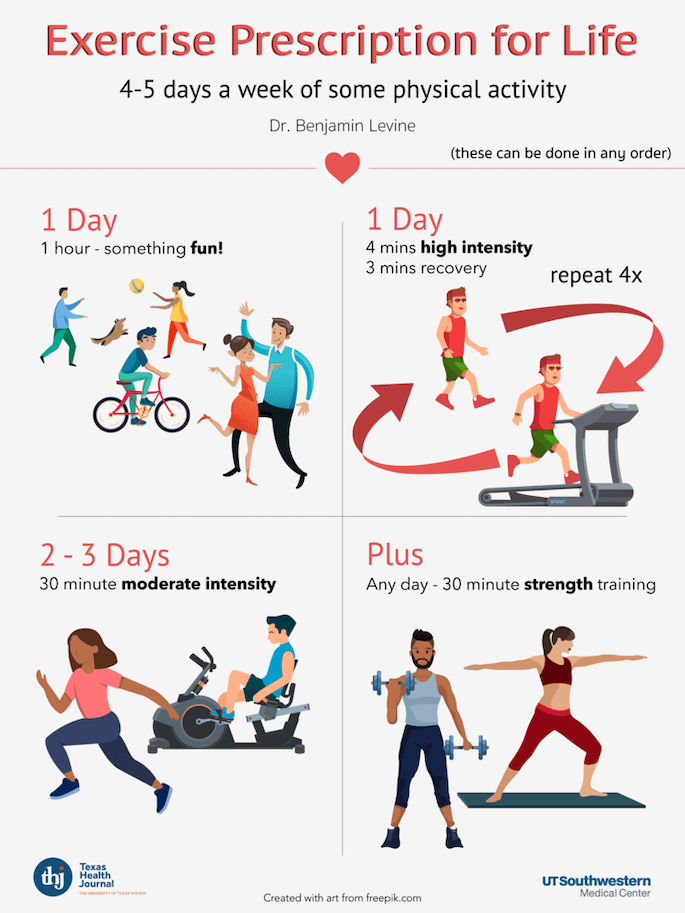
Welcome to a quick guide on how to improve your circulation and vascular health through exercise. By incorporating different forms of physical activity, such as aerobic exercises, strength training, and flexibility exercises into your routine, you can enhance blood flow, strengthen your heart, and boost overall cardiovascular health. With these simple and effective exercises, you can pave the way to a healthier and more active lifestyle. So let’s get moving and start reaping the benefits of improved circulation and vascular health today! Have you ever wondered how exercise can benefit your circulation and vascular health? In this article, we will explore different types of exercises and workouts that can improve blood flow, strengthen your heart, and promote overall vascular health. From gentle stretching routines to more intense cardiovascular workouts, there are plenty of ways to get your blood pumping and keep your veins healthy. Let’s dive in and explore how you can incorporate exercise into your daily routine for improved circulation and vascular health.

The Importance of Exercise for Circulation
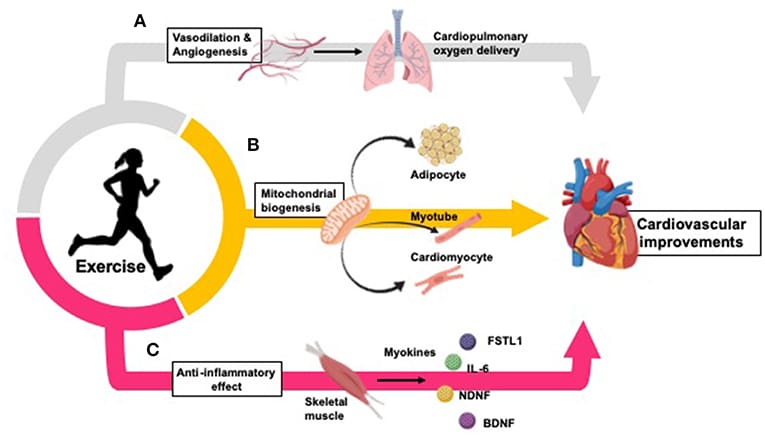
Exercise plays a crucial role in promoting healthy circulation throughout your body. When you engage in physical activity, your heart pumps more blood, oxygen, and nutrients to your muscles and organs, helping to improve overall blood flow. Regular exercise can also help to lower blood pressure, reduce inflammation, and strengthen the walls of your blood vessels, all of which are important factors for maintaining healthy circulation. By incorporating exercise into your daily routine, you can help to keep your circulatory system in top shape and reduce your risk of developing vascular problems in the future.
Let’s break down the benefits of exercise for circulation in a simple table:
| Benefits of Exercise for Circulation |
|---|
| Improved blood flow |
| Lower blood pressure |
| Reduced inflammation |
| Stronger blood vessel walls |
Regular exercise can improve blood flow, lower blood pressure, reduce inflammation, and strengthen the walls of your blood vessels, all of which are essential for maintaining healthy circulation.
Types of Exercises for Improved Circulation
There are many different types of exercises that can help to improve circulation and vascular health. Whether you prefer low-impact activities like yoga and walking or more intense workouts like running and cycling, there is a form of exercise to suit every fitness level and preference. Let’s take a look at some of the best exercises for promoting healthy circulation.
Low-Impact Exercises
Low-impact exercises are gentle on your joints and are ideal for people of all ages and fitness levels. These types of exercises can help to improve circulation by increasing blood flow to your muscles and organs without putting too much strain on your cardiovascular system. Some examples of low-impact exercises include:
- Walking: Taking a brisk walk in your neighborhood or on a treadmill can help to get your blood pumping and improve circulation throughout your body.
- Yoga: Practicing yoga can help to improve flexibility, reduce stress, and promote healthy circulation by incorporating gentle stretches and breathing exercises.
Low-impact exercises like walking and yoga are great options for improving circulation without putting too much strain on your joints.
Cardiovascular Workouts
Cardiovascular workouts are more intense forms of exercise that can help to strengthen your heart, increase lung capacity, and improve overall cardiovascular health. These types of exercises are great for promoting healthy circulation by challenging your heart to pump more blood and oxygen to your working muscles. Some examples of cardiovascular workouts include:
- Running: Going for a run is a great way to elevate your heart rate, improve circulation, and boost your cardiovascular fitness.
- Cycling: Riding a bike is another excellent cardiovascular workout that can help to strengthen your heart and lungs while promoting healthy circulation.
Cardiovascular workouts like running and cycling are effective at improving circulation and boosting cardiovascular health.
Strength Training
Strength training exercises are designed to build muscle mass, increase strength, and improve overall fitness. While strength training may not directly impact circulation in the same way as cardiovascular workouts, it can help to improve overall vascular health by increasing blood flow to your muscles and promoting healthy blood vessel function. Some examples of strength training exercises include:
- Weightlifting: Lifting weights can help to build lean muscle mass, increase metabolism, and improve circulation throughout your body.
- Bodyweight exercises: Performing bodyweight exercises like push-ups and squats can help to strengthen your muscles, improve balance, and promote healthy circulation.
Strength training exercises like weightlifting and bodyweight exercises can help to improve vascular health by increasing blood flow to your muscles and promoting healthy blood vessel function.
Tips for Exercising Safely
While exercise is essential for improving circulation and vascular health, it’s essential to prioritize safety and listen to your body to prevent injury and overexertion. Here are some tips for exercising safely and effectively:
Start Slowly
If you’re new to exercise or have been inactive for a while, it’s essential to start slowly and gradually build up your fitness level. Begin with gentle activities like walking or yoga and gradually increase the intensity and duration of your workouts as your fitness improves.
Stay Hydrated
Staying hydrated is crucial for maintaining healthy circulation and preventing dehydration during exercise. Be sure to drink plenty of water before, during, and after your workouts to help keep your blood flowing smoothly and support overall vascular health.
Warm Up and Cool Down
Before starting your workout, be sure to warm up your muscles with some light stretching or cardio to prepare your body for exercise. After your workout, take time to cool down with some gentle stretching to help prevent muscle soreness and promote recovery.
Listen to Your Body
Pay attention to how your body feels during and after exercise. If you experience any pain, dizziness, or shortness of breath, stop your workout and seek medical attention if necessary. It’s essential to listen to your body’s signals and adjust your exercise routine as needed to prevent injury and promote safe, effective workouts.
Consult a Healthcare Provider
If you have any underlying health conditions or concerns about how exercise may affect your circulation, it’s essential to consult with a healthcare provider before starting a new fitness routine. Your doctor can provide personalized recommendations and guidance to help you exercise safely and improve your vascular health.
Incorporating Exercise Into Your Routine
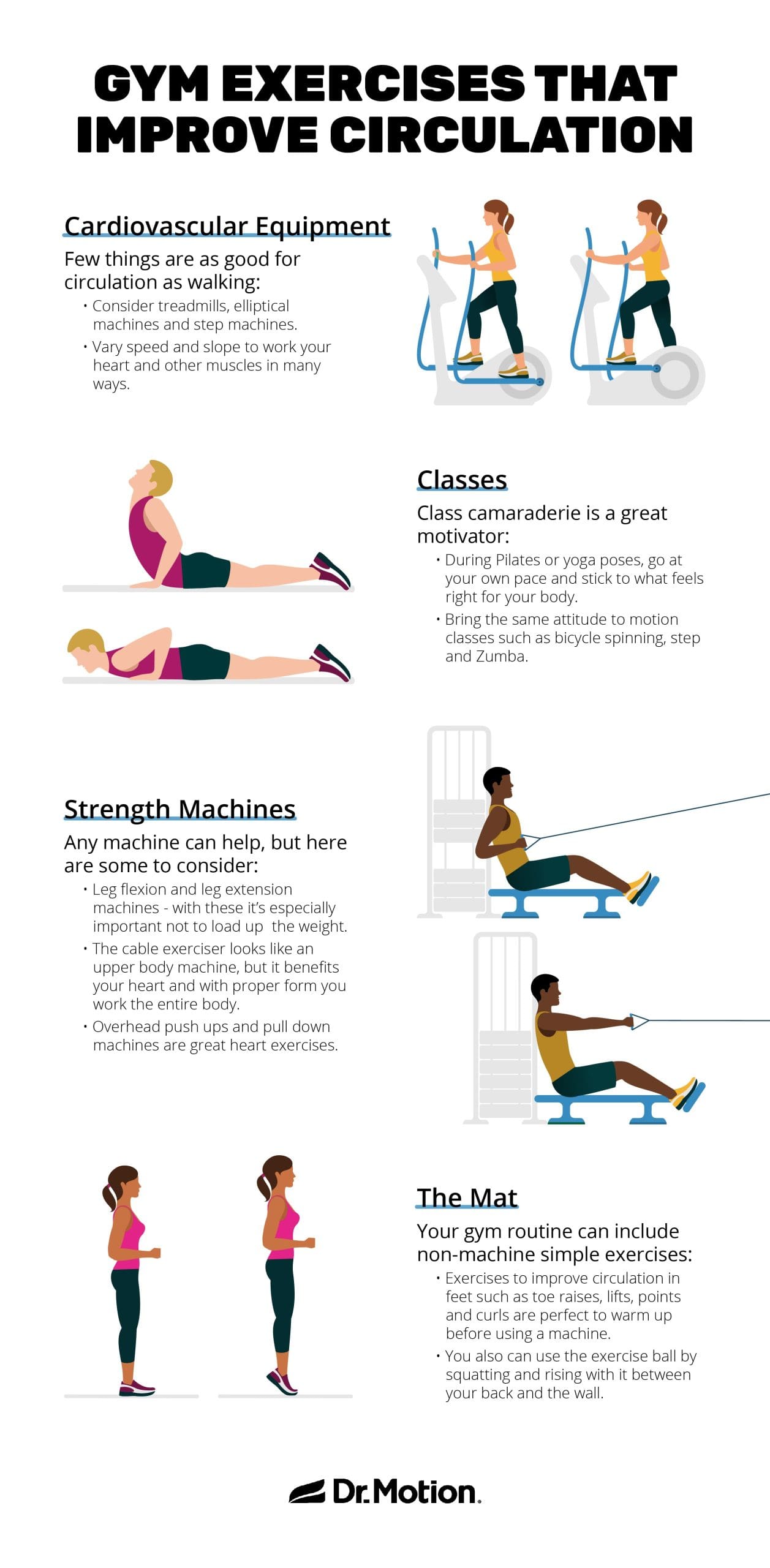
Now that you know the importance of exercise for circulation and vascular health and have some tips for exercising safely, it’s time to incorporate physical activity into your daily routine. Here are some practical ways to make exercise a regular part of your lifestyle:
Schedule Regular Workouts
Set aside time each day to exercise, whether it’s in the morning, during your lunch break, or in the evening. By scheduling regular workouts, you can establish a routine and make exercise a priority in your daily life.
Find Activities You Enjoy
Choose exercises and activities that you enjoy and that fit your fitness level and preferences. Whether it’s walking, cycling, yoga, or weightlifting, finding activities that you love can make it easier to stay motivated and consistent with your workouts.
Mix It Up
To prevent boredom and keep your workouts engaging, mix up your routine by trying different types of exercises and activities. By incorporating variety into your workouts, you can challenge your body in new ways and continue to see improvements in your circulation and vascular health.
Set Realistic Goals
Set realistic and achievable fitness goals for yourself, whether it’s increasing your daily step count, improving your running pace, or lifting heavier weights. By setting specific goals and tracking your progress, you can stay motivated and focused on improving your circulation and overall health.
Stay Accountable
Find a workout buddy, join a fitness class, or use a fitness app to help you stay accountable and motivated in your exercise routine. Having support and encouragement from others can help you stay on track and make exercising a fun and social activity.

Conclusion
In conclusion, exercise plays a crucial role in promoting healthy circulation and vascular health by improving blood flow, lowering blood pressure, and strengthening blood vessels. By incorporating different types of exercises into your routine, such as low-impact activities, cardiovascular workouts, and strength training, you can improve your overall cardiovascular fitness and reduce your risk of developing vascular problems in the future. Remember to exercise safely, listen to your body, and consult with a healthcare provider if you have any concerns about how exercise may impact your circulation. By making physical activity a regular part of your lifestyle, you can enjoy the many benefits of improved circulation and vascular health for years to come. So, lace up your sneakers, grab your yoga mat, or pick up those weights, and start moving towards better circulation and vascular health today. Your body will thank you for it!