
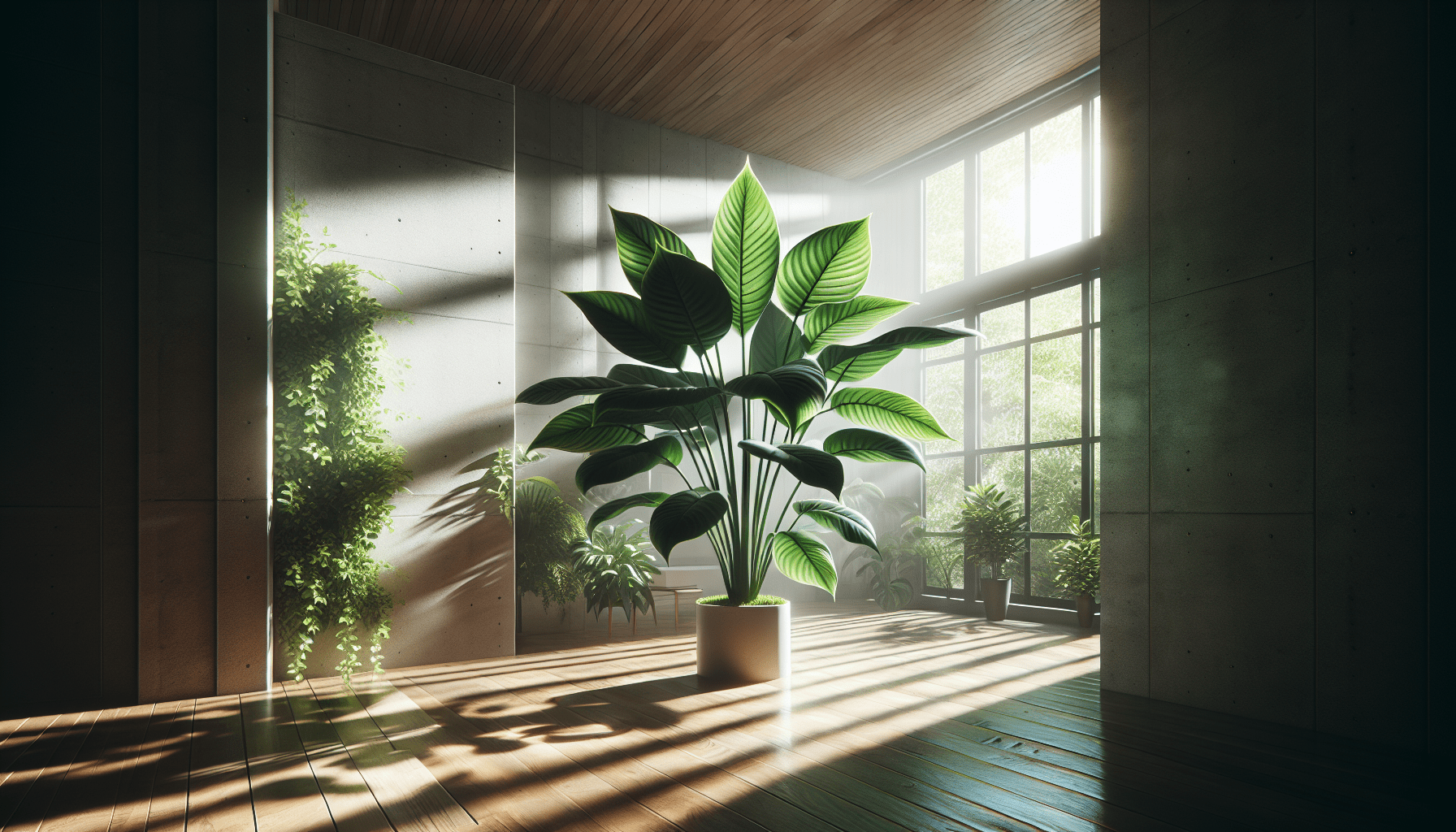
Creating a healthy environment at home is essential for your overall wellness. In this article, you will discover practical tips and strategies on how to foster a nurturing atmosphere that promotes physical and mental well-being. From decluttering and organizing your space to incorporating natural elements and prioritizing self-care, you will learn how to cultivate a harmonious sanctuary that positively impacts your health and happiness. Get ready to transform your living space into a haven of tranquility and rejuvenation.
Create a Clean and Clutter-Free Space
Decluttering
To create a clean and clutter-free space in your home, start by decluttering. Take a good look at each room and assess which items are essential and which ones can be donated, sold, or thrown away. Clearing out unnecessary items will not only create a more organized and visually appealing space but also reduce stress levels and increase productivity. Sort through your belongings, one category at a time, and make decisions based on whether an item brings you joy or serves a practical purpose in your life.
Organizing
Once you have decluttered, it’s time to organize. Begin by assigning a specific place for everything in your home. This will not only make it easier to find items when you need them but will also make it simpler to maintain the cleanliness and organization of your space. Invest in storage solutions such as bins, baskets, and shelves to keep belongings neatly arranged. Label containers to ensure that everything has a designated spot and can be easily located. Regularly reassess your organizational systems to ensure that they continue to meet your needs.
Cleaning
Maintaining a clean home is essential for your overall wellness. Regular cleaning not only keeps your space looking tidy but also helps reduce allergens and promote good hygiene. Create a cleaning routine that works for you, dividing tasks into daily, weekly, and monthly chores. Clean surfaces, floors, and fixtures regularly to prevent the buildup of dirt and dust. Pay attention to often-overlooked areas such as baseboards, windowsills, and crevices. Use safe and effective cleaning products that are free from harsh chemicals to protect both your health and the environment.
Promote Natural Light and Fresh Air
Open curtains and blinds
One simple yet effective way to promote a healthy living environment is to open curtains and blinds during the day to let natural light stream in. Natural light not only enhances the aesthetic appeal of your home but also has several health benefits. Exposure to natural light helps regulate your circadian rhythm, improving your sleep quality and boosting your mood. Natural light is also a great source of vitamin D, which is essential for maintaining strong bones and a healthy immune system.
Install skylights
If your home lacks natural light due to limited windows, consider installing skylights. Skylights bring in abundant natural light and can transform a room’s atmosphere. They not only make your space feel more open and spacious but also provide additional ventilation, helping to improve air quality. Many skylights also come with blinds or shades, allowing you to control the amount of light that enters your home.
Incorporate houseplants
Another way to promote a healthy home environment is by incorporating houseplants. Plants not only add a touch of beauty and liveliness to your space but also have numerous benefits for your well-being. They can help purify the air by removing toxins and releasing oxygen, resulting in cleaner and fresher indoor air. Additionally, being surrounded by nature indoors has been proven to reduce stress and improve overall mood and productivity. Choose low-maintenance houseplants that suit your environment and schedule.
Regularly ventilate rooms
Proper ventilation is crucial for maintaining a healthy indoor environment. Ensure that your home has adequate airflow by regularly opening windows and using fans or air purifiers. This will help remove stale air and circulate fresh air throughout your space. Ventilation not only reduces the risk of mold and mildew growth but also helps eliminate pollutants and odors. Make it a habit to ventilate your home daily, especially during cooking or bathing when excess moisture is generated.
Use Non-Toxic Cleaning Products
Research ingredients
When it comes to cleaning your home, it’s important to be mindful of the products you use. Many conventional cleaning products contain harsh chemicals that can be harmful to your health and the environment. Take the time to research the ingredients in your cleaning products and understand their potential impacts. Look for products that are labeled as non-toxic, eco-friendly, or biodegradable. Choosing cleaning products that are free from harmful chemicals will help create a healthier living environment for you and your family.
Opt for natural alternatives
Instead of relying solely on store-bought cleaning products, consider using natural alternatives. Items such as baking soda, vinegar, lemon juice, and essential oils can be highly effective cleaners and disinfectants. These natural ingredients are not only safe and non-toxic but also affordable and readily available. Mix and match ingredients to create your own cleaning solutions for various surfaces and purposes. Not only will using natural alternatives reduce your exposure to harmful chemicals, but it will also minimize waste from unnecessary packaging.
Make DIY cleaners
Another option for creating non-toxic cleaning products is to make your own DIY cleaners. By doing so, you have full control over the ingredients used and can customize the scents and effectiveness to your liking. Simple recipes for all-purpose cleaners, glass cleaners, and surface disinfectants can be found online. You may be surprised by how easily and economically you can create effective cleaning solutions using common household items. Not only will making your own cleaners reduce your environmental impact, but it can also be a fun and rewarding activity.
Create an Ergonomic Workspace
Choose a comfortable chair
If you work from home or spend a significant amount of time at a desk, it’s important to create an ergonomic workspace. Start by choosing a comfortable chair that provides proper support for your back, neck, and arms. Look for chairs that can be adjusted in height and have lumbar support. Investing in a high-quality ergonomic chair will help prevent back pain and improve your overall posture, enabling you to work in a more productive and comfortable manner.
Adjust desk height
In addition to a comfortable chair, ensure that your desk is ergonomically set up. The height of your desk should allow your hands and arms to be in a relaxed and natural position when typing or using the mouse. Adjust the height of your desk or chair accordingly to achieve proper alignment. If necessary, use a keyboard tray or a standing desk converter to create a more ergonomic setup.
Ensure proper lighting
Proper lighting is essential for an ergonomic workspace. Insufficient or harsh lighting can cause eye strain and fatigue. Position your desk near a window to take advantage of natural light. If natural light is not available, opt for task lighting that provides bright, but not glaring, illumination. You can use a desk lamp with an adjustable neck or invest in LED lights that mimic natural daylight. Proper lighting will not only optimize your visual comfort but also enhance your productivity and focus.
Use an ergonomic keyboard and mouse
To further promote comfortable and healthy work habits, use an ergonomic keyboard and mouse. These specially designed tools help minimize strain on your wrists and hands, preventing conditions such as carpal tunnel syndrome. Ergonomic keyboards and mice are available in a variety of styles and sizes to suit different preferences. Experiment with different options to find the ones that allow for the most natural and comfortable hand position. Your wrists will thank you for making this small yet significant change.
Encourage Regular Exercise
Designate an exercise area
Creating a designated exercise area in your home can make it easier to prioritize regular physical activity. Whether it’s a spare room, a corner of your living room, or even just a yoga mat in a quiet space, having a dedicated area will serve as a reminder and motivation to get moving. Decorate the area with items that inspire and energize you, such as motivational quotes, exercise equipment, or calming artwork. Having a designated exercise area will make it more convenient and enjoyable to incorporate exercise into your daily routine.
Practice yoga or Pilates
Yoga and Pilates are excellent forms of exercise that can be practiced in the comfort of your home. These low-impact activities improve flexibility, strength, and balance, while also promoting relaxation and mindfulness. Set aside time each day to roll out your yoga mat and engage in a yoga or Pilates session. There are plenty of online resources and videos available to guide you through different routines, catering to various skill levels and preferences. Make it a habit to practice yoga or Pilates regularly, and you’ll experience the physical and mental benefits they offer.
Go for walks or runs
If you prefer more traditional forms of exercise, going for walks or runs is a great option. Lace up your shoes, step out the door, and explore the outdoors around your home. Walking or running not only improves cardiovascular fitness but also boosts mood, reduces stress, and enhances overall well-being. Set achievable goals, whether it’s walking for 30 minutes a day or gradually increasing your running distance. Consider exploring different routes or parks in your area to keep things interesting and maintain your motivation.
Incorporate home workout equipment
If you enjoy a variety of exercise routines, consider incorporating home workout equipment into your routine. From dumbbells and resistance bands to exercise balls and stationary bikes, there are numerous options to choose from. Assess your fitness goals and preferences to determine the equipment that will best suit your needs. Ensure that you have adequate space to store and use the equipment, and make it easily accessible for regular use. By having workout equipment readily available at home, you eliminate the need to travel to a gym, making it more convenient to stay active.
Promote Mindfulness and Relaxation
Designate a quiet area
In a busy and often chaotic world, it’s essential to create a quiet area in your home where you can retreat and find solace. Whether it’s a reading nook, a corner of your bedroom, or a dedicated meditation space, having a quiet area allows you to escape from the noise and distractions of daily life. Fill this space with comfortable seating, soft lighting, and calming elements to create a serene atmosphere. This designated quiet area will serve as your sanctuary, where you can practice mindfulness and relaxation.
Practice meditation or deep breathing
One of the most effective ways to foster a healthy home environment is through the practice of meditation or deep breathing exercises. These practices help reduce stress, improve focus, and promote emotional well-being. Set aside a specific time each day to practice meditation or deep breathing, even if it’s just a few minutes. Find a comfortable spot in your home, close your eyes, and focus on your breath or a specific point of concentration. Allow yourself to let go of daily worries and distractions, and immerse yourself in a state of calm and relaxation.
Create a soothing ambiance
To encourage mindfulness and relaxation in your home, create a soothing ambiance through your choice of colors, textures, and scents. Opt for calming colors such as soft blues, greens, or neutrals for your walls and decor. Incorporate cozy textures through blankets, pillows, and rugs to create a warm and inviting atmosphere. Consider introducing subtle scents through candles, essential oil diffusers, or potpourri, using fragrances known for their relaxing and stress-relieving properties such as lavender, chamomile, or sandalwood. By immersing yourself in a soothing ambiance, you’ll be able to unwind and recharge within your own home.
Use essential oils or aromatherapy
Aromatherapy can be a powerful tool to promote relaxation, improve sleep quality, and uplift your mood. Essential oils have various therapeutic properties and can be diffused, used topically, or added to bathwater for a holistic experience. Experiment with different essential oils to find scents that resonate with you and provide the desired effects. Lavender is known for its calming properties, while peppermint can invigorate and refresh the mind. Sustainably sourced, high-quality essential oils are readily available online or in specialty stores. Incorporate aromatherapy into your daily routine and enjoy the benefits of a peaceful and tranquil home environment.
Maintain a Healthy Indoor Environment
Regularly change air filters
Maintaining healthy indoor air quality is crucial for your overall well-being. One important step in achieving this is by regularly changing the air filters in your home. Air filters help trap dust, allergens, and other pollutants, preventing them from circulating in the air you breathe. Check the manufacturer’s guidelines for your specific HVAC system to determine how often the filters should be changed. Some filters need to be replaced every few months, while others can last longer. Regularly changing the air filters will ensure cleaner air and a healthier living environment.
Control humidity levels
Keeping humidity levels in check is essential for a healthy indoor environment. Excessive humidity can lead to the growth of mold and mildew, which can cause respiratory problems and exacerbate allergies. Invest in a dehumidifier to remove excess moisture from the air, especially in areas prone to high humidity such as bathrooms and basements. Conversely, if your home is too dry, consider using a humidifier to add moisture to the air. Maintaining optimal humidity levels will help create a comfortable and healthy living environment for you and your family.
Avoid smoking indoors
One of the most important steps you can take to maintain a healthy indoor environment is to avoid smoking indoors. Cigarette smoke contains numerous harmful chemicals and pollutants that can be detrimental to your health, as well as the health of those around you. If you or someone in your household smokes, make it a priority to smoke outside and away from open windows and doors. Implementing a strict no-smoking policy indoors will significantly improve the air quality and overall wellness of your home.
Monitor and reduce indoor pollutants
In addition to avoiding smoking indoors, it’s essential to monitor and reduce other indoor pollutants. Common sources of indoor pollutants include cleaning products, paints, carpets, and furniture that emit volatile organic compounds (VOCs). Opt for low-VOC or VOC-free alternatives when choosing products for your home. Regularly ventilate your space to freshen the air and reduce the concentration of indoor pollutants. Consider investing in air purifiers or indoor plants that help filter the air and remove toxins. Being mindful of potential sources of indoor pollutants and taking steps to minimize them will contribute to a healthier and cleaner living environment.
Encourage a Balanced Diet
Stock up on fresh fruits and vegetables
Maintaining a balanced diet is crucial for your overall health and well-being. Start by stocking up on fresh fruits and vegetables to ensure a nutrient-rich diet. These natural and wholesome foods are packed with vitamins, minerals, and fiber, providing essential nutrients to support your body’s functions. Aim to fill half of your plate with fruits and vegetables at each meal and incorporate a variety of colors and types for optimal nutrition. Buy locally grown or organic produce whenever possible to support sustainable farming practices and reduce exposure to pesticides.
Minimize processed foods
Processed foods, such as packaged snacks, sugary drinks, and frozen meals, are often high in unhealthy fats, added sugars, and preservatives. They lack the nutritional value of whole foods and can lead to weight gain, chronic diseases, and low energy levels. Minimize your consumption of processed foods by opting for whole, unprocessed foods whenever possible. Prepare meals from scratch using fresh ingredients and choose snacks that are nutrient-dense rather than heavily processed. By focusing on whole foods, you’ll provide your body with the essential nutrients it needs to thrive.
Meal plan and prep
To ensure you stick to a balanced and healthy diet, consider meal planning and prepping. Take time at the beginning of each week to plan your meals and create a shopping list based on your intended menu. This will not only help you make healthier choices but also save time and minimize food waste. Dedicate a specific day or time each week to meal prep, where you can prepare and portion out meals and snacks in advance. This will make it easier to make wholesome choices during busy days and avoid relying on unhealthy convenience foods.
Create a comfortable dining area
Creating a comfortable and inviting dining area can significantly impact your eating habits and overall enjoyment of meals. Designate a space in your home for dining and make it a place that promotes relaxation and connection. Choose a table and chairs that are comfortable and suited to your needs, allowing you to sit and enjoy meals without discomfort. Keep the area clutter-free and aesthetically pleasing to create a pleasant dining experience. Make it a habit to sit down and savor your meals, free from distractions such as electronic devices or TV. By creating a comfortable dining area, you’ll be more inclined to prioritize nourishing meals and mindful eating.
Prioritize Quality Sleep
Create a calming bedroom environment
Creating a peaceful and calming bedroom is crucial for quality sleep. Choose colors, bedding, and decor that promote relaxation and comfort. Soft and neutral tones, cozy blankets, and breathable fabrics can all contribute to a tranquil atmosphere. Minimize noise and distractions by using blackout curtains, earplugs, or a white noise machine if needed. Keep your room tidy and clutter-free to create a sense of serenity. By creating a calming environment in your bedroom, you’ll set the stage for restful and rejuvenating sleep.
Establish a consistent sleep schedule
Establishing a consistent sleep schedule is key to achieving quality sleep. Aim to go to bed and wake up at the same time each day, even on weekends. This consistent routine helps regulate your body’s internal clock and optimize your sleep patterns. Prioritize the recommended 7-9 hours of sleep for adults and adjust your schedule accordingly. Avoid napping for long periods during the day, as it can disrupt your sleep-wake cycle. By adhering to a regular sleep schedule, you’ll improve the quality and duration of your sleep, leading to better overall health and well-being.
Invest in a comfortable mattress and pillows
One of the fundamental elements of quality sleep is a comfortable and supportive mattress and pillows. Assess the condition of your mattress and pillows and replace them if they are old or worn out. Opt for a mattress that suits your preferred sleep position and provides the right level of support for your body. Similarly, select pillows that align your neck and spine properly, reducing the risk of discomfort or pain. Investing in high-quality sleep surfaces will contribute to a restful sleep and prevent potential sleep-related issues such as back pain or stiffness.
Limit exposure to electronic devices before bed
The blue light emitted by electronic devices such as smartphones, tablets, and laptops can interfere with your sleep quality. This light suppresses the production of melatonin, a hormone that regulates sleep. To promote better sleep, establish a technology-free zone at least one hour before bed. Avoid using electronic devices in your bedroom and replace screen time with relaxing activities such as reading a book, taking a warm bath, or practicing relaxation techniques. This will help signal to your brain that it’s time to wind down and prepare for sleep.
Cultivate Positive Relationships and Communication
Set aside quality time for loved ones
Nurturing positive relationships is an essential aspect of a healthy home environment. Set aside dedicated quality time for your loved ones, whether it’s your partner, children, or other family members. Show your appreciation, engage in meaningful conversations, and create lasting memories together. This can be as simple as sharing a meal, going for a walk, or engaging in a shared hobby. By prioritizing quality time with your loved ones, you’ll foster a sense of belonging, love, and support within your home.
Practice active listening
Effective communication is the foundation of any healthy relationship. Practicing active listening is a key component of successful communication. Actively listen to your loved ones by giving them your full attention, maintaining eye contact, and refraining from interrupting. Show empathy and understanding by actively seeking to comprehend their point of view. Validate their feelings and respond in a thoughtful and respectful manner. By practicing active listening, you’ll strengthen your relationships and create a harmonious atmosphere within your home.
Resolve conflicts peacefully
Conflicts are inevitable in any relationship, but it’s important to approach them with a peaceful mindset. When conflicts arise, strive for open and honest communication, expressing your thoughts and feelings without resorting to blame or aggression. Practice active problem-solving by focusing on finding mutually beneficial solutions rather than finding fault. Take breaks if necessary to cool down and gain perspective before seeking resolution. By resolving conflicts peacefully, you’ll foster a healthy and harmonious home environment for all members of your household.
Create a harmonious atmosphere
Creating a harmonious atmosphere within your home goes beyond physical aspects. It involves fostering an environment of acceptance, love, and support. Encourage open and respectful communication, where all family members feel heard and valued. Celebrate each other’s successes and support one another through challenges. Maintain a positive attitude and promote kindness and gratitude to set the tone for interactions within your home. By creating a harmonious atmosphere, you’ll cultivate a sense of happiness and well-being that will radiate throughout your entire living space.
In conclusion, fostering a healthy environment at home for wellness involves creating a clean and clutter-free space, promoting natural light and fresh air, using non-toxic cleaning products, creating an ergonomic workspace, encouraging regular exercise, promoting mindfulness and relaxation, maintaining a healthy indoor environment, encouraging a balanced diet, prioritizing quality sleep, and cultivating positive relationships and communication. By implementing these strategies, you’ll create a home environment that supports your physical, mental, and emotional well-being, leading to a happier and healthier lifestyle.