
Welcome to a guide on how to keep your joints healthy as you age! Taking care of your joints is crucial for maintaining mobility and overall quality of life as you get older. By incorporating regular exercise, a balanced diet, and proper stretching techniques into your routine, you can help prevent joint pain and stiffness. Stay proactive in caring for your joints now, so you can continue to move comfortably and confidently as you age.
How To Keep Your Joints Healthy As You Age
Have you been experiencing joint pain or stiffness as you get older? It’s important to take care of your joints to maintain mobility and prevent future problems. Here are some tips to keep your joints healthy as you age.

Understanding Joint Health
Before we dive into ways to keep your joints healthy, let’s understand what joints are and why they are crucial for your overall health. Joints are the connections between your bones that allow movement and flexibility. They are made up of different components like cartilage, synovial fluid, ligaments, and tendons. Keeping these components healthy is essential for preventing joint pain and arthritis.
Stay Active
One of the best ways to keep your joints healthy is to stay active. Regular physical activity can help strengthen the muscles around your joints, improve flexibility, and reduce stiffness. Activities like walking, swimming, yoga, and cycling are great low-impact exercises that are gentle on your joints. Remember, it’s important to listen to your body and not overdo it to avoid injury.
Maintain a Healthy Weight
Carrying excess weight puts extra strain on your joints, especially those in your knees, hips, and back. Maintaining a healthy weight can help reduce the risk of developing joint problems like osteoarthritis. Eating a balanced diet rich in fruits, vegetables, whole grains, and lean proteins can help you achieve and maintain a healthy weight.
Proper Nutrition for Joint Health
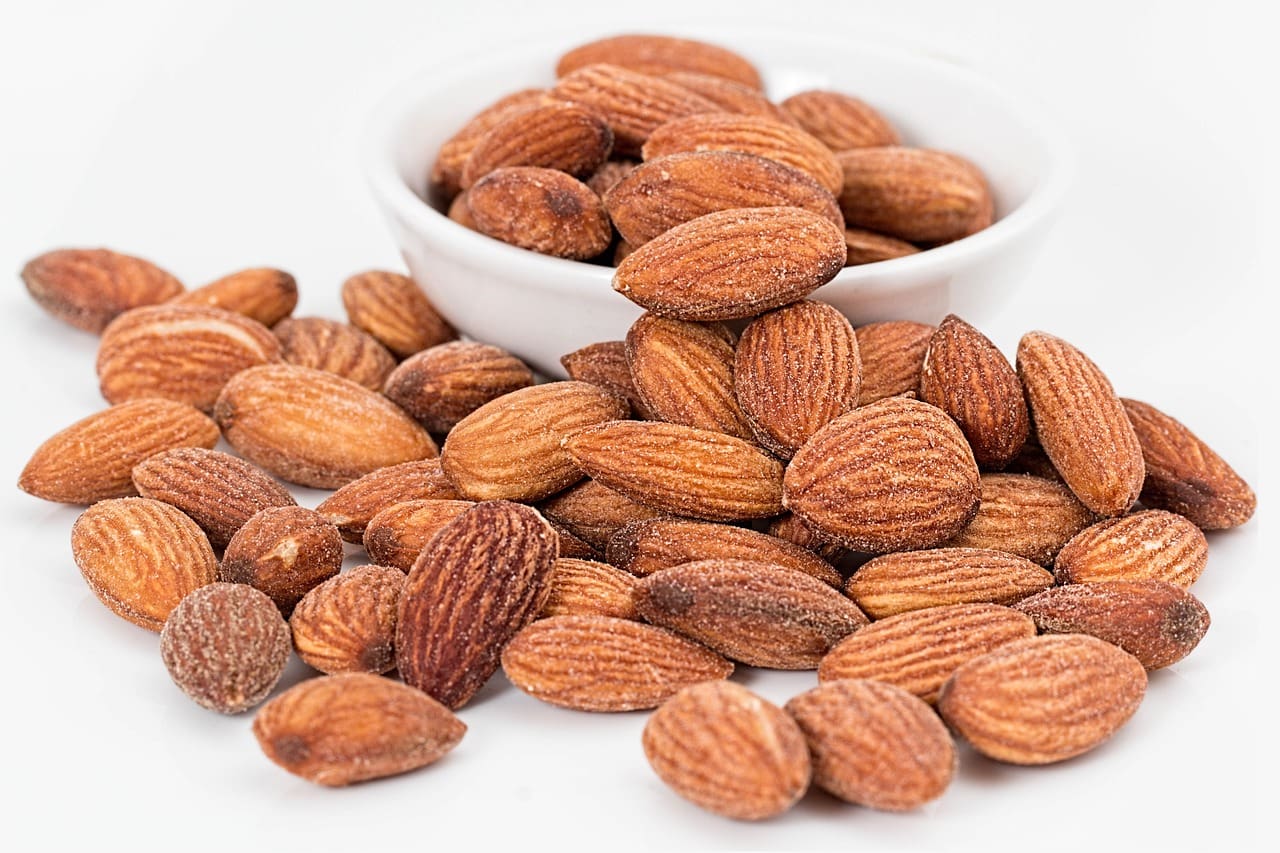
Eating the right foods can also help keep your joints healthy. Certain nutrients like omega-3 fatty acids, vitamin C, and antioxidants have anti-inflammatory properties that can reduce joint pain and inflammation. Incorporate foods like fatty fish, nuts, seeds, leafy greens, and berries into your diet to support joint health.
Stay Hydrated
Proper hydration is crucial for maintaining healthy joints. Water helps lubricate your joints and keeps the cartilage soft and flexible. Aim to drink at least 8-10 glasses of water per day to stay hydrated. If you’re not a fan of plain water, you can also hydrate with herbal teas, infused water, or low-sugar beverages.
Protect Your Joints
As you get older, it’s important to protect your joints from injuries and wear and tear. Avoid activities that put excessive stress on your joints, like running on hard surfaces or lifting heavy weights. Use proper body mechanics when lifting or carrying objects to prevent unnecessary strain on your joints. Investing in supportive footwear and using assistive devices when needed can also help protect your joints.
Practice Good Posture
Maintaining good posture is key to preventing joint pain and stiffness, especially in the neck, shoulders, and back. Make sure to sit and stand up straight, with your shoulders back and your head aligned with your spine. Avoid slouching or hunching over, as this can put unnecessary pressure on your joints. Practice ergonomics at work and home to reduce strain on your joints and muscles.
Stretch and Exercise Regularly
Incorporating stretching exercises into your daily routine can help improve flexibility and range of motion in your joints. Focus on stretching the major muscle groups like your hamstrings, quadriceps, calves, and shoulders. You can also include exercises that target joint stability and mobility, such as Pilates or tai chi. Remember to warm up before exercise and cool down afterward to prevent injuries.
Get Plenty of Rest
Rest is crucial for joint health, as it allows your body to repair and regenerate tissues. Make sure to get an adequate amount of sleep each night to give your joints time to recover from daily activities. If you’re experiencing joint pain or stiffness, listen to your body and take breaks when needed. Incorporating relaxation techniques like mindfulness, meditation, or gentle yoga can also help reduce stress and promote better sleep.
Consider Joint Supplements
In some cases, taking supplements can help support joint health and reduce inflammation. Glucosamine and chondroitin sulfate are commonly used supplements that can help improve joint lubrication and reduce pain in osteoarthritis. Omega-3 fish oil supplements have also been shown to have anti-inflammatory effects that can benefit joint health. Consult with your healthcare provider before starting any new supplements to ensure they are safe and effective for you.
Don’t Ignore Joint Pain
If you’re experiencing persistent or severe joint pain, don’t ignore it. Joint pain can be a sign of underlying conditions like arthritis, bursitis, or tendonitis. It’s important to seek medical attention if you have swelling, redness, warmth, or limited range of motion in your joints. Your healthcare provider can diagnose the cause of your joint pain and recommend appropriate treatment options, such as physical therapy, medication, injections, or surgery.
Stay Positive and Stay Active
Keeping a positive attitude is essential for maintaining good joint health as you age. Don’t let joint pain or stiffness discourage you from staying active and enjoying life. Find activities that you enjoy and that work for your body, whether it’s walking in nature, gentle yoga, swimming, or dancing. Staying active not only benefits your joints but also improves your overall well-being and quality of life.
Conclusion
Taking care of your joints is crucial for staying mobile and independent as you age. By following these tips and incorporating healthy habits into your daily routine, you can keep your joints healthy and prevent future problems. Remember to listen to your body, stay active, maintain a healthy weight, and seek medical attention if you experience persistent joint pain. Your joints will thank you for the care and attention you give them.