Hey there! In this article, we will discuss essential tips on how to maintain a healthy lifestyle while managing chronic kidney disease. From watching your diet and staying active to staying hydrated and managing stress, we’ve got you covered with practical advice to help you lead a fulfilling and balanced life despite your health condition. Let’s dive in and empower yourself with the knowledge and tools to take charge of your well-being! Have you or someone you love been diagnosed with chronic kidney disease (CKD)? If so, you may be wondering how to manage your health and maintain a good quality of life. In this article, we will discuss some tips and strategies on how to maintain a healthy lifestyle with chronic kidney disease. From diet and exercise to medications and mental health, we will cover all aspects of managing CKD. Let’s dive in!

Understanding Chronic Kidney Disease
So, you’ve been diagnosed with chronic kidney disease. What exactly does that mean? Chronic kidney disease, also known as CKD, is a condition in which your kidneys are not functioning properly. This can lead to a buildup of waste and fluids in your body, which can be harmful to your health.
Stages of Chronic Kidney Disease
CKD is divided into five stages, with stage 1 being the mildest and stage 5 being the most severe. Your doctor will determine what stage of CKD you are in based on your kidney function, as measured by a blood test called the glomerular filtration rate (GFR). Understanding what stage you are in can help you and your healthcare team develop a plan to manage your condition.
Diet and Nutrition
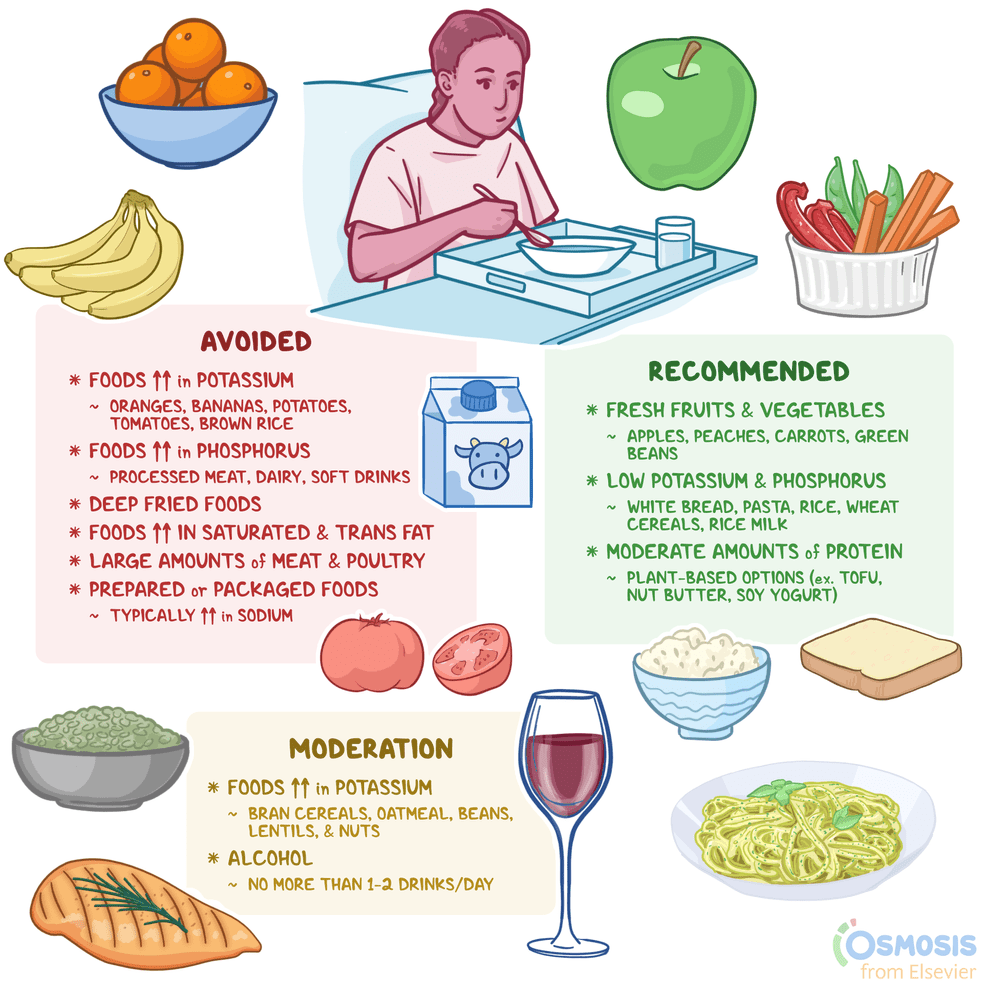
One of the most important aspects of managing chronic kidney disease is following a healthy diet. What you eat can have a big impact on your kidney function and overall health.
Limiting Sodium Intake
Sodium can contribute to high blood pressure and fluid retention, both of which can be harmful to your kidneys. It is important to limit your intake of salty foods and choose low-sodium options whenever possible.
Watching Your Protein Intake
While protein is important for overall health, too much protein can put added stress on your kidneys. Your doctor may recommend limiting your protein intake to help preserve kidney function.
Monitoring Potassium and Phosphorus Levels
Potassium and phosphorus are minerals that can build up in your body if your kidneys are not functioning properly. It is important to monitor your intake of foods that are high in potassium and phosphorus, such as bananas, oranges, dairy products, and nuts.
Exercise and Physical Activity
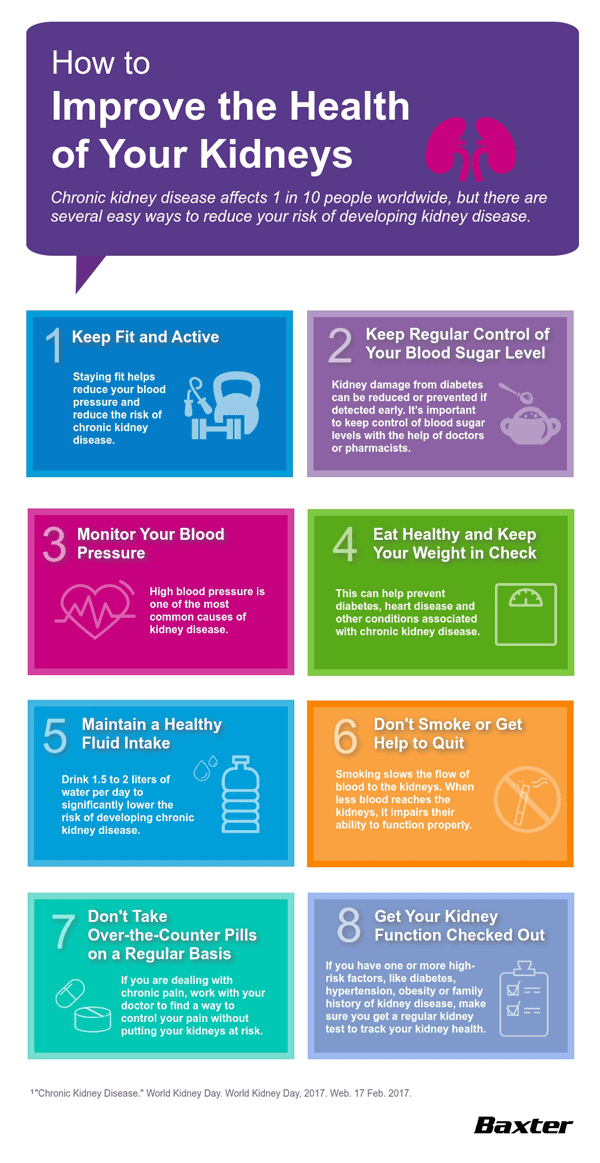
In addition to following a healthy diet, regular exercise is also important for managing chronic kidney disease. Physical activity can help improve your overall health and wellbeing.
Cardiovascular Exercise
Cardiovascular exercise, such as walking, jogging, or swimming, can help improve your heart health and circulation. Aim for at least 30 minutes of moderate-intensity exercise most days of the week.
Strength Training
Strength training can help improve muscle strength and endurance, which can be beneficial for overall health. Consider incorporating exercises such as weight lifting or bodyweight exercises into your routine.
Flexibility and Balance
Flexibility and balance exercises, such as yoga or tai chi, can help improve your range of motion and reduce your risk of falls. These types of exercises can also help reduce stress and improve mental health.
Medications and Treatments
In addition to diet and exercise, your doctor may recommend medications or other treatments to help manage your chronic kidney disease. It is important to follow your doctor’s recommendations and take your medications as prescribed.
Blood Pressure Medications
High blood pressure can be harmful to your kidneys, so your doctor may prescribe medications to help lower your blood pressure. It is important to take these medications as directed and monitor your blood pressure regularly.
Anemia Treatments
Anemia, or low red blood cell count, is a common complication of chronic kidney disease. Your doctor may recommend treatments such as iron supplements or erythropoietin-stimulating agents to help manage your anemia.
Dialysis
In severe cases of chronic kidney disease, dialysis may be necessary to help filter waste and fluids from your body. There are different types of dialysis, including hemodialysis and peritoneal dialysis, so talk to your doctor about which option is best for you.

Mental Health and Wellbeing
Managing chronic kidney disease can be challenging, both physically and emotionally. It is important to take care of your mental health and wellbeing as you navigate this journey.
Support Groups
Joining a support group for individuals with chronic kidney disease can help you connect with others who are going through similar experiences. Sharing your thoughts and feelings with others can be cathartic and can help reduce feelings of isolation.
Therapy
Speaking with a therapist or counselor can also be beneficial for managing the emotional toll of chronic kidney disease. Therapy can help you develop coping strategies and improve your overall mental health.
Self-Care
Practicing self-care is important for maintaining your mental health and wellbeing. This can include activities such as meditation, mindfulness, journaling, or spending time in nature. Find what practices work best for you and incorporate them into your routine.
Conclusion
Managing chronic kidney disease can be a lifelong journey, but with the right strategies and support, you can maintain a healthy lifestyle and quality of life. Remember to work closely with your healthcare team, follow their recommendations, and take care of yourself both physically and emotionally. By making small changes to your diet, exercise routine, and lifestyle, you can better manage your chronic kidney disease and improve your overall health and wellbeing. You’ve got this!