
Welcome to the world of vegetarianism! Planning your meals as a vegetarian can seem intimidating at first, but with a few simple tips and tricks, you can easily create delicious and nutritious meals that cater to your plant-based lifestyle. By incorporating a variety of fruits, vegetables, whole grains, and proteins into your meal plan, you can ensure that you are meeting all of your nutritional needs while enjoying a diverse and flavorful diet. With a little bit of organization and creativity, meal planning as a vegetarian can be both fun and rewarding. Let’s explore some helpful strategies to make meal planning a breeze for your vegetarian lifestyle. How often have you found yourself standing in front of the fridge, wondering what to make for dinner? Planning your meals ahead of time can save you time, money, and stress. If you’re following a vegetarian lifestyle, meal planning can be even more important to ensure you’re getting all the nutrients you need. In this article, we’ll explore how to effectively meal plan for a vegetarian lifestyle, from creating a grocery list to prepping meals for the week ahead.

Benefits of Meal Planning for Vegetarians
Meal planning offers various benefits for individuals following a vegetarian diet. Planning your meals in advance ensures that you have a balanced diet, incorporating all the necessary nutrients from plant-based sources. It also helps you save time during the week and reduces food waste by only buying what you need. Additionally, meal planning can help you stay on track with your health and wellness goals.
Eating a Balanced and Nutritious Diet
When you plan your meals, you can ensure that you’re incorporating a variety of fruits, vegetables, whole grains, legumes, nuts, and seeds into your diet. This helps you meet your daily requirements for essential nutrients like protein, iron, calcium, and vitamins. By including a diverse range of plant-based foods in your meals, you can prevent deficiencies and maintain optimal health.
Time-Saving and Convenience
By meal planning, you can save time during the week by preparing ingredients in advance and having a clear idea of what you’re going to cook each day. This eliminates the need to think about what to make for dinner last minute and reduces the temptation to order takeout. Planning your meals also allows you to batch cook and prepare larger quantities of food to enjoy throughout the week, making it a convenient option for busy lifestyles.
Reducing Food Waste
Meal planning allows you to create a grocery list based on the ingredients you need for the week’s meals. By shopping with a list, you’re less likely to buy items you don’t need, which helps reduce food waste. Planning your meals also enables you to use up ingredients before they go bad and be mindful of portion sizes to prevent leftover food from being thrown away.
Staying on Track with Health Goals
When you have a meal plan in place, you’re more likely to stick to your health and wellness goals. Whether you’re aiming to lose weight, improve your digestion, or boost your energy levels, planning your meals can help you make better food choices and avoid impulsive eating. Having a structure in place can also help you stay organized and motivated on your vegetarian journey.
How to Start Meal Planning for a Vegetarian Lifestyle
Now that you understand the benefits of meal planning for vegetarians, let’s dive into the practical steps of how to get started with meal planning for a vegetarian lifestyle. From creating a weekly menu to prepping ingredients, these tips will help you streamline your meal planning process and make it a seamless part of your routine.
Create a Weekly Menu
Begin by creating a weekly menu that includes breakfast, lunch, dinner, and snacks for each day of the week. Consider incorporating a variety of vegetarian recipes to keep your meals exciting and nutritious. You can use online resources like vegetarian cookbooks, blogs, and recipe websites for inspiration and ideas. Make sure to choose recipes that are balanced in terms of nutrients, flavors, and textures.
Plan Your Meals Around Core Ingredients
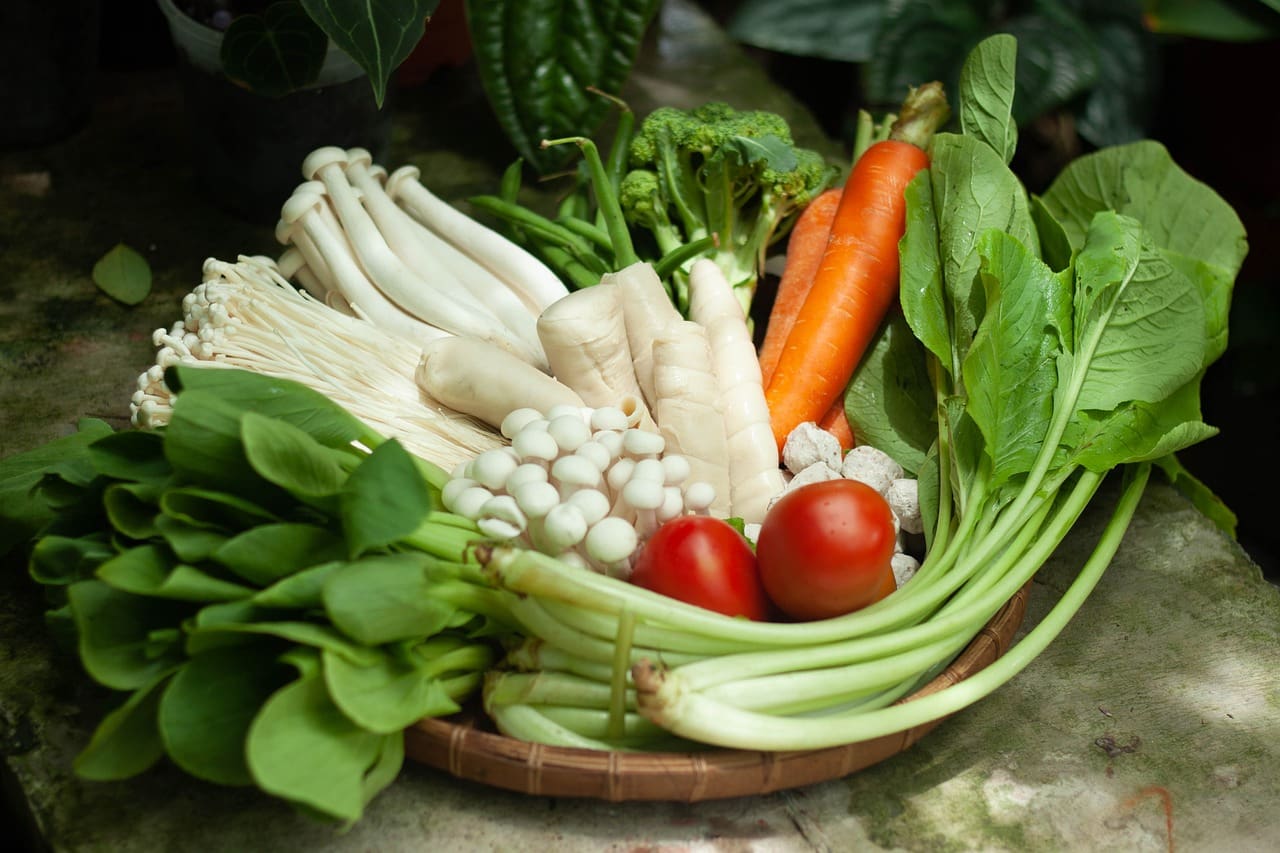
When meal planning for a vegetarian lifestyle, focus on incorporating core ingredients that are rich in essential nutrients. These include whole grains like quinoa, brown rice, and oats; plant-based proteins like tofu, tempeh, legumes, and lentils; a variety of vegetables like leafy greens, bell peppers, and broccoli; healthy fats from avocados, nuts, and seeds; and dairy or plant-based alternatives like yogurt and cheese. By building your meals around these core ingredients, you can ensure that you’re meeting your nutritional needs.
Take Inventory of Your Pantry and Fridge
Before creating your grocery list, take inventory of your pantry and fridge to see what ingredients you already have on hand. This will help you avoid buying duplicates and ensure that you’re using up ingredients before they expire. Make a note of any staple items that you’re running low on and add them to your grocery list. Organize your pantry and fridge to make it easier to see what you have available for your meals.
Prepare a Grocery List
Based on your weekly menu and the ingredients you need, create a detailed grocery list to guide your shopping trip. Organize your list by categories like produce, grains, proteins, dairy, and pantry staples to make it easier to navigate the store. Consider incorporating seasonal fruits and vegetables into your meals to take advantage of their freshness and flavor. Check your local grocery store’s weekly specials and discounts to save money on your purchases.
Batch Cook and Prep Ingredients
To save time during the week, consider batch cooking and prepping ingredients in advance. Spend a few hours on the weekend preparing large batches of grains, beans, roasted vegetables, and sauces that can be used in multiple meals. Store these prepped ingredients in airtight containers in the fridge or freezer for easy access when it’s time to cook. Having ingredients ready to go will streamline your meal preparation process and make cooking more efficient.
Use Meal Prep Containers
Invest in meal prep containers of various sizes to portion out your meals for the week. These containers make it easy to store and transport your meals, whether you’re taking them to work, school, or on-the-go. Consider preparing individual servings of salads, soups, stir-fries, and grain bowls in advance and storing them in meal prep containers for quick and convenient meals throughout the week. Label your containers with the date and contents to stay organized.
Try New Recipes and Experiment
Don’t be afraid to try new recipes and experiment with different flavors and ingredients in your vegetarian meal planning. Incorporate a variety of cuisines like Mediterranean, Asian, Mexican, and Italian to keep your meals interesting and diverse. Be open to exploring plant-based alternatives to traditional meat and dairy products, such as tofu, seitan, nutritional yeast, and plant-based milk. Get creative in the kitchen and have fun with your vegetarian meal planning.
Plan for Dining Out and Social Events
When meal planning for a vegetarian lifestyle, it’s important to consider dining out and social events where you may not have control over the menu. Research restaurants in your area that offer vegetarian options or are willing to accommodate dietary preferences. Look for plant-based dishes on the menu and ask for modifications if needed. When attending social events, communicate your dietary restrictions to the host or bring a vegetarian dish to share with others. Planning ahead for these situations will help you stay on track with your vegetarian lifestyle.
Sample Vegetarian Meal Plan
To give you a jumpstart on your vegetarian meal planning journey, here’s a sample meal plan for a week that incorporates a variety of nutritious and delicious vegetarian recipes. Feel free to customize this meal plan based on your dietary preferences, allergies, and portion sizes. Remember to adjust the serving sizes to meet your individual calorie and nutrient needs.
| Day | Breakfast | Lunch | Dinner | Snacks |
|---|---|---|---|---|
| Monday | Greek yogurt with | Quinoa and black bean | Lentil curry with | Apple slices with |
| granola and mixed | salad with avocado | basmati rice and | almond butter | |
| berries | naan bread | |||
| ————- | ————————- | —————————— | ————————— | ———————– |
| Tuesday | Scrambled tofu with | Falafel wrap with | Vegetable stir-fry with | Carrot sticks with |
| spinach and tomatoes | hummus and veggies | tofu and brown rice | hummus | |
| ————- | ————————- | —————————— | ————————— | ———————– |
| Wednesday | Chia pudding with | Mediterranean grain | Sweet potato and | Rice cakes with |
| mixed fruits | bowl with quinoa, | chickpea curry with | avocado slices | |
| chickpeas, and sun-dried | whole wheat pita | |||
| tomatoes | bread | |||
| ————- | ————————- | —————————— | ————————— | ———————– |
| Thursday | Overnight oats with | Lentil soup with roasted | Chickpea and spinach | Mixed nuts and dried |
| almond butter and | vegetable salad | masala with brown rice | fruits | |
| banana slices | ||||
| ————- | ————————- | —————————— | ————————— | ———————– |
| Friday | Avocado toast with | Caprese salad with | Zucchini noodles with | Energy balls |
| cherry tomatoes | pesto dressing | marinara sauce and tofu | (homemade or store- | |
| meatballs | bought) | |||
| ————- | ————————- | —————————— | ————————— | ———————– |
| Saturday | Smoothie bowl with | Veggie wrap with hummus | Eggplant parmesan | Trail mix with dried |
| mixed berries and | and roasted vegetables | with spaghetti squash | edamame | |
| granola | ||||
| ————- | ————————- | —————————— | ————————— | ———————– |
| Sunday | Pancakes with maple | Quinoa and chickpea | Mushroom risotto with | Rice cakes with |
| syrup and fresh fruit | salad with balsamic | arugula salad | almond butter |
Conclusion
Meal planning for a vegetarian lifestyle can be a rewarding and fulfilling experience that allows you to nourish your body with wholesome plant-based foods. By incorporating these tips and strategies into your meal planning routine, you can simplify the process, save time and money, and enjoy a balanced and nutritious diet. Remember to stay flexible, creative, and open-minded in your vegetarian meal planning journey, and don’t hesitate to seek support from online communities, vegetarian cookbooks, and nutritionists. With a bit of planning and preparation, you can make vegetarian meal planning an enjoyable and sustainable part of your lifestyle. Happy meal planning!