
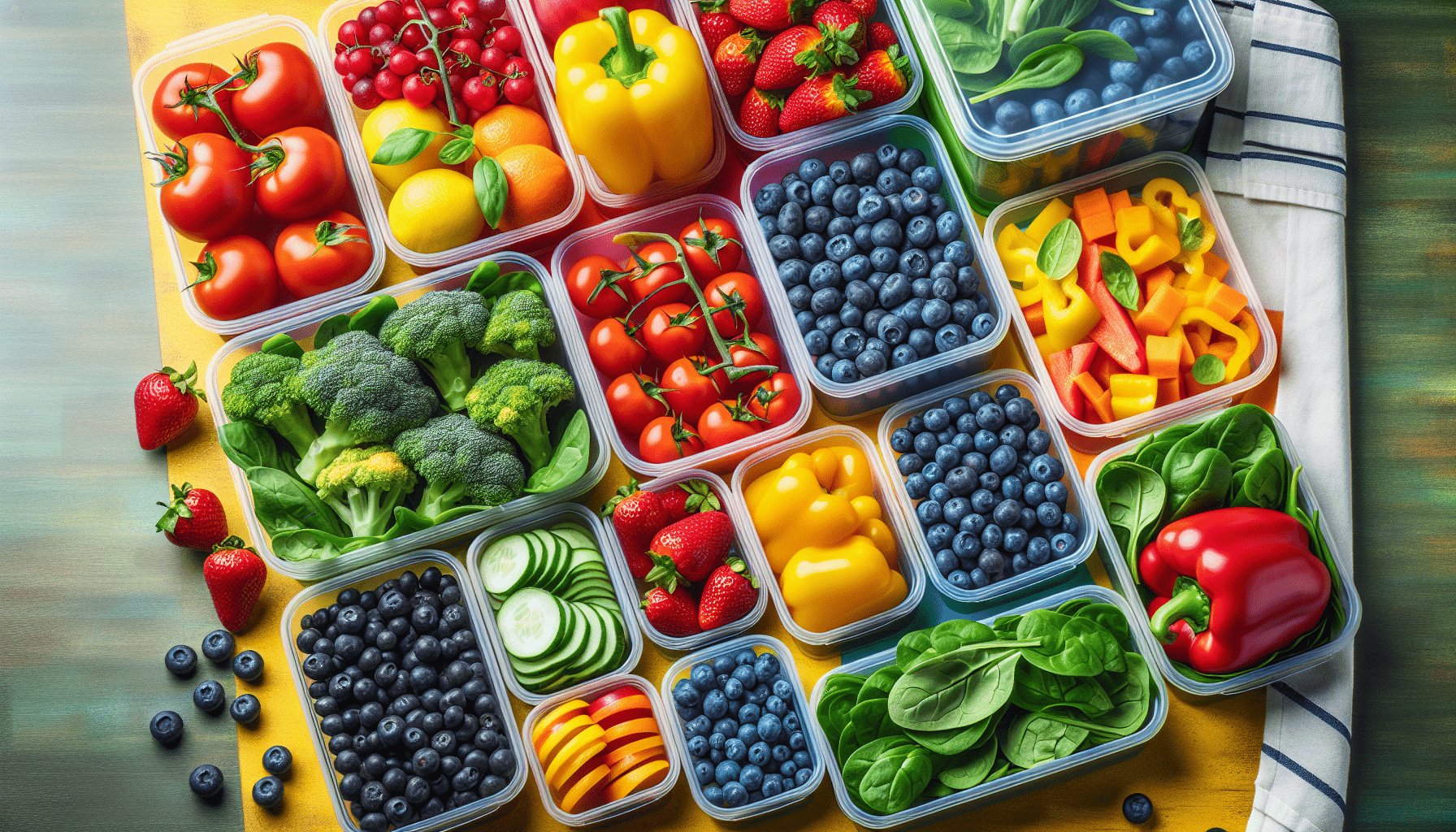
Are you tired of spending too much time and money on unhealthy takeout or frozen dinners? If so, then it’s time to learn the art of meal prepping for a healthy diet. By taking just a little bit of time each week to plan and prepare your meals in advance, you can save money, eat nutritious meals, and simplify your daily routine. This article will provide you with all the essential tips and tricks you need to become a pro at meal prepping, so you can enjoy tasty and nourishing meals throughout the week. Say goodbye to the stress of deciding what to cook each day and say hello to a healthier lifestyle.
Importance of Meal Prep
Meal prep is an essential practice that can greatly benefit your overall health and well-being. By preparing your meals in advance, you will save time, have better control over your portions, and reduce the likelihood of making last-minute unhealthy food choices.
Saves time
One of the main advantages of meal prep is the time it saves you in the long run. Instead of spending precious time each day deciding what to cook and preparing your meals from scratch, you can dedicate a few hours during the week to plan and prepare your meals in advance. This means that when you’re busy or feeling tired, you can simply grab a pre-prepared meal and heat it up, avoiding the time and effort it takes to cook from scratch.
Helps with portion control
Meal prepping also helps with portion control, which is crucial for maintaining a healthy diet. When you prepare your meals in advance, you have greater control over the quantity of food you consume. By portioning out your meals beforehand, you can ensure that you’re not overeating or under-eating, which can both have negative effects on your health and weight management goals.
Reduces last-minute unhealthy food choices
We’ve all experienced those moments of hunger when we reach for the quickest and most convenient option, which often turns out to be an unhealthy choice. With meal prep, you will have nutritious and pre-prepared meals readily available, making it easier to resist the temptations of fast food or unhealthy snacks. By having healthy options readily available, you’ll be less likely to make impulsive and regrettable choices when hunger strikes.
Plan Your Meals
To successfully meal prep, you need to start by planning your meals. This involves setting a goal, considering your dietary needs, and creating a meal schedule.
Set a goal
Before you start meal prepping, it’s important to establish your goals. Are you aiming to lose weight, gain muscle, or simply maintain a healthy lifestyle? By setting clear and specific goals, you will be able to tailor your meal prep to meet your individual needs.
Consider your dietary needs
Everyone’s dietary needs are different. Take into account any food allergies, intolerances, or dietary restrictions you have when planning your meals. It’s also crucial to ensure that your meals are nutritionally balanced and provide all the necessary nutrients for a healthy diet.
Create a meal schedule
Once you’ve established your goals and considered your dietary needs, create a meal schedule that works for you. Decide how many meals and snacks you want to have each day and plan out what you will eat for each one. Taking the time to create a meal schedule will provide structure and make it easier to stick to your healthy eating plan.
Make a Grocery List
Once you have your meal plan ready, it’s time to make a grocery list. This step ensures that you have all the necessary ingredients to successfully execute your meal prep.
Choose nutritious ingredients
When making your grocery list, focus on choosing nutritious ingredients that will fuel your body with the right nutrients. Include a variety of fruits, vegetables, whole grains, lean protein sources, and healthy fats. Avoid processed and sugary foods as much as possible.
Include a variety of food groups
To create balanced and well-rounded meals, make sure to include ingredients from all the major food groups. This will ensure that you are getting a wide range of nutrients and flavors in your meals.
Consider seasonality and freshness
When planning your meals and making your grocery list, consider the seasonality and freshness of the ingredients you choose. Opting for seasonal produce will not only enhance the flavor and quality of your meals but can also help you save money.
Prep Your Kitchen
Before diving into meal prep, it’s important to ensure that you have a well-equipped and organized kitchen. This will make the process smoother and more efficient.
Make sure you have the necessary equipment
Check if you have all the necessary equipment for meal prepping, such as sharp knives, cutting boards, food storage containers, and cooking utensils. Having the right tools on hand will make the cooking and prepping process much easier.
Organize your pantry and refrigerator
Before you start prepping, organize your pantry and refrigerator. Discard any expired or unhealthy foods and make sure to have enough space for your pre-prepped meals. A well-organized kitchen will save you time and prevent any unnecessary stress during the meal prep process.
Ensure adequate storage containers
Invest in reusable meal prep containers that are suitable for storing your pre-prepared meals. Look for containers that are microwave-safe, freezer-friendly, and leak-proof to ensure the freshness and longevity of your meals. Having a good collection of storage containers will make it easier to store and transport your meals.
Batch Cooking
Batch cooking is a key element of successful meal prep. This technique involves cooking large quantities of staple foods that can be used in multiple meals throughout the week.
Cook large quantities of staple foods
Choose staple foods that can be easily incorporated into various recipes, such as rice, quinoa, roasted vegetables, and grilled chicken. By cooking large quantities of these staple foods, you can save time and effort during the week as you’ll have pre-cooked ingredients ready to use.
Prepare grains and proteins in advance
Grains and proteins are essential components of a balanced meal. Cook a large batch of grains like brown rice or quinoa and grill or roast proteins like chicken or tofu. These pre-cooked ingredients can be used as building blocks for various meals, making it easier to put together healthy and nutritious dishes.
Store in portioned containers
Once the staple foods, grains, and proteins are cooked, portion them out into individual containers or meal prep containers. This ensures that each meal is properly portioned and ready to be consumed when needed. Portioning out your meals in advance saves you time during the week and makes it easier to grab and go.
Prepping Fruits and Vegetables
In addition to batch cooking, it’s important to prep your fruits and vegetables to make them easily accessible and ready to use.
Wash fruits and vegetables
Before prepping your fruits and vegetables, wash them thoroughly under running water to remove any dirt or residue. This step ensures that your produce is clean and safe to consume.
Cut and slice as needed
Once your fruits and vegetables are washed, cut and slice them as needed. Remove any stems, peels, or seeds, and chop them into the desired sizes for your meals. Pre-cutting your produce makes it more convenient and time-efficient when it comes to assembling your meals later on.
Use proper storage techniques
After cutting and slicing, store your prepped fruits and vegetables correctly to maintain their freshness. Some produce, like lettuce or herbs, may benefit from being stored in water or with a damp paper towel. Others, such as carrots or celery, can be stored in airtight containers in the refrigerator. By following proper storage techniques, you can extend the shelf life of your pre-prepped produce.
Prepare Snacks and Smoothies
Meal prep isn’t just about main meals. It’s important to also prep snacks and smoothies to ensure that you have healthy options readily available throughout the week.
Portion out snacks
Measure and portion out your snacks into individual containers or snack-sized bags. This will prevent mindless munching and help you stick to your intended portion sizes. Some healthy snack ideas include pre-cut vegetables with hummus, Greek yogurt with berries, or a handful of nuts.
Make smoothie packs
To make smoothie preparation easier, create smoothie packs with pre-portioned fruits, vegetables, and any additional ingredients you like. Place all the ingredients for one smoothie in a freezer bag, seal it tightly, and store it in the freezer. When you’re ready to make a smoothie, simply empty the contents of the bag into a blender, add your liquid of choice, and blend until smooth.
Include protein-rich snacks
Incorporate protein-rich snacks into your meal prep to keep you satiated and support your muscle recovery. Some examples of protein-rich snacks include hard-boiled eggs, Greek yogurt cups, or pre-portioned servings of lean meats like turkey or chicken.
Portion Control and Storage
Portion control and proper storage play crucial roles in meal prep. These elements help ensure that your meals remain fresh, safe to consume, and provide the right balance of nutrients.
Use appropriate portion sizes
When portioning out your meals, follow appropriate portion sizes recommended by nutrition guidelines. This will help you maintain a balanced diet and avoid overeating or under-eating. Use measuring cups, kitchen scales, or portioned meal prep containers to ensure accuracy, especially when it comes to calorie counting or specific dietary goals.
Invest in reusable meal prep containers
Investing in reusable meal prep containers is a great way to store your pre-prepped meals securely. Look for containers that are BPA-free, microwave-safe, and freezer-friendly. These containers are not only environmentally friendly, but they also keep your meals fresh and allow for easy reheating.
Label and date your meals
To stay organized and ensure that you consume your meals before they go bad, it’s important to label and date each meal prep container. Use a marker or labels to indicate the contents of the container and the date it was prepared. This will help you keep track of when each meal was made and ensure that you consume them within a safe timeframe.
Create Balanced Meals
When meal prepping, it’s essential to create balanced meals that provide a variety of nutrients. A balanced meal should include a source of lean protein, whole grains or starches, and a variety of vegetables.
Include a source of lean protein
Lean protein is important for muscle maintenance and growth. Include protein sources such as chicken breast, fish, tofu, legumes, or eggs in your meals. Aim to include protein in each meal to help keep you full and satisfied.
Incorporate whole grains or starches
Whole grains and starches provide essential carbohydrates and energy for your body. Opt for whole grain options like brown rice, quinoa, whole wheat pasta, or sweet potatoes. These complex carbohydrates are more nutritious and provide a steady release of energy.
Add a variety of vegetables
Vegetables are packed with vitamins, minerals, and fiber. Aim to have a variety of vegetables in each meal to ensure you’re getting a wide range of nutrients. Choose colorful options like spinach, bell peppers, broccoli, and carrots to make your meals visually appealing and nutrient-dense.
Track and Modify
Meal prepping is a process of trial and error, so it’s important to track your progress and make adjustments as necessary. Pay attention to how your body responds to the meals you’ve prepped and be open to modifying your plan.
Monitor your progress and results
Take note of how your body feels and responds to your pre-prepped meals. Keep track of your energy levels, digestion, and overall satisfaction with the meals. This feedback will help you make informed decisions and improve your future meal prepping endeavors.
Make adjustments as necessary
Based on your observations and feedback, be willing to make adjustments to your meal prep plan. If certain meals are not satisfying you or if you’re experiencing any discomfort, modify the ingredients, portion sizes, or cooking methods accordingly. Flexibility is key to long-term success with meal prep.
Seek professional guidance if needed
If you’re new to meal prepping or have specific dietary requirements, it may be beneficial to seek professional guidance. Consult with a registered dietitian or nutritionist who can provide personalized advice tailored to your needs and goals. They can help you create a meal plan, make nutritional adjustments, and answer any specific questions you may have.
Meal prepping for a healthy diet is a powerful tool that can streamline your cooking, support your nutrition goals, and lead to an overall healthier lifestyle. By investing time and effort in meal prep, you’ll be equipped with nutritious meals, snacks, and smoothies that save you time, encourage portion control, and reduce unhealthy food choices. So get ready to plan your meals, make a grocery list, prep your kitchen, batch cook staple foods, and create balanced meals that fuel your body and nourish your soul. Remember to track your progress, make necessary modifications along the way, and seek professional guidance if needed. Happy meal prepping!