
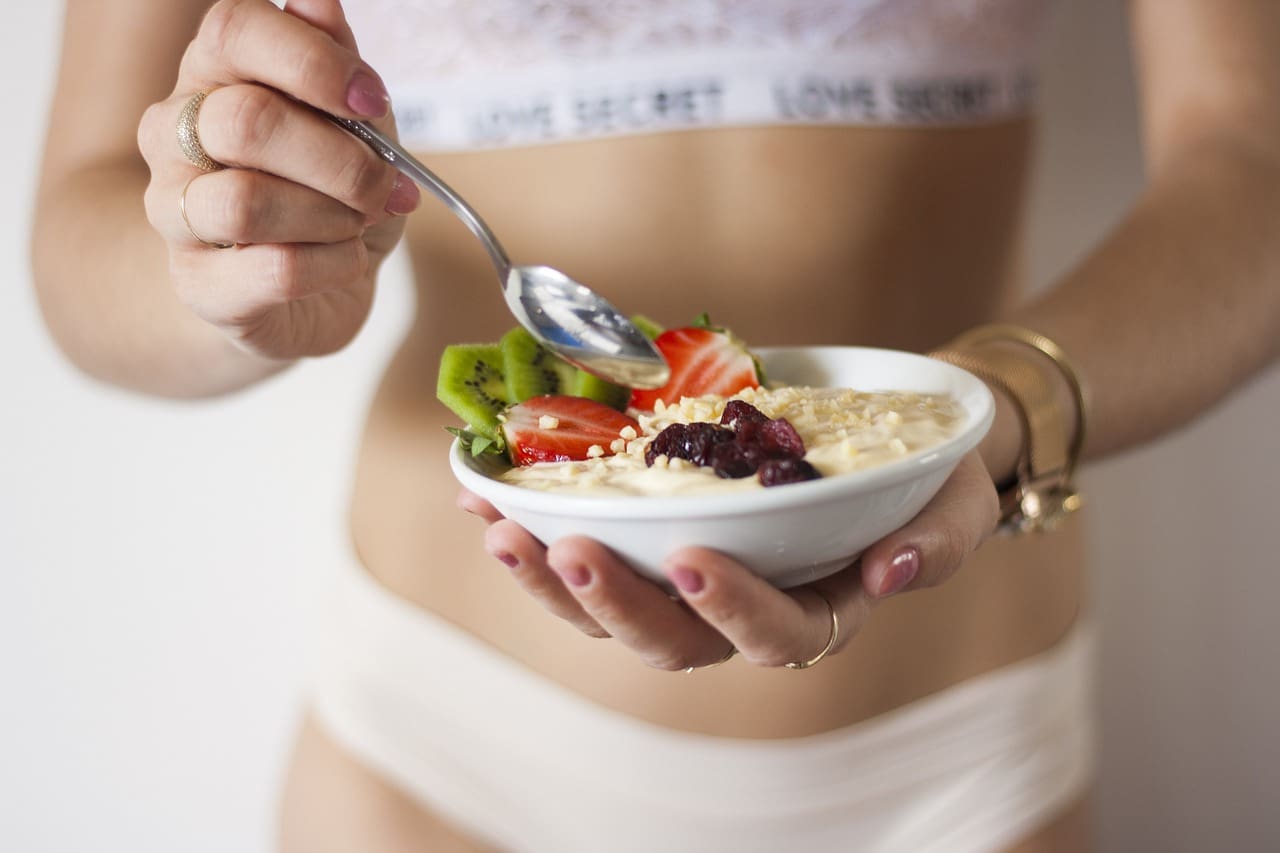
Are you looking for an effective way to lose weight without sacrificing taste or convenience? Look no further than meal prepping! By taking the time to plan and prepare your meals in advance, you can make healthier choices throughout the week and stay on track with your weight loss goals. In this article, you will discover the essential tips and tricks to help you master the art of meal prepping for weight loss. From selecting nutritious ingredients to portioning out your meals, we’ve got you covered. Get ready to take control of your diet and watch those pounds melt away!
Plan Your Meals
Meal planning is an essential step in achieving your weight loss goals. Before you dive into meal prepping, it’s important to set your goal weight. Take some time to research and determine what a healthy weight range is for you. Once you have your goal weight in mind, you can move on to calculating your calorie intake. This will help you understand how many calories you need to consume each day to reach your target weight.
After calculating your calorie intake, it’s time to determine the macro distribution of your meals. Macros, or macronutrients, include carbohydrates, proteins, and fats. Each plays a crucial role in your overall health and weight loss journey. As a general guideline, aim to include a balance of all three macronutrients in your meals.
Once you have a clear understanding of your calorie intake and macro distribution, it’s time to create a weekly meal plan. This will ensure you have a variety of nutritious meals ready to go throughout the week. Consider your favorite recipes, dietary restrictions, and the ingredients you have on hand. Having a well-thought-out meal plan will make grocery shopping and meal prepping a breeze.
Grocery Shopping
When it comes to grocery shopping for your meal prep, having a well-organized shopping list is key. Before heading to the store, take the time to write down all the ingredients you need for your weekly meal plan. Having a list will not only save you time but also help you stay on track and avoid impulse purchases.
When choosing your groceries, opt for healthy options. Fill your cart with fresh fruits, vegetables, lean proteins, whole grains, and low-fat dairy products. These nutrient-dense foods will provide you with the energy and sustenance you need to achieve your weight loss goals. Don’t forget to consider portion sizes when selecting your ingredients. Be mindful of the recommended serving sizes to ensure you’re not consuming more than necessary.
Preparation Time
Meal prepping requires a significant amount of time, so it’s important to allocate time specifically for meal prep. Set aside a few hours each week to focus solely on preparing your meals. This dedicated time will help you stay organized, efficient, and motivated.
Consider utilizing batch cooking techniques to save time in the kitchen. Batch cooking involves cooking large batches of proteins, grains, and vegetables that can be used throughout the week. This method allows you to prepare multiple meals at once, cutting down on overall prep time.
Having the right tools in your kitchen can make meal prepping a breeze. Invest in high-quality storage containers that are microwave-safe, dishwasher-safe, and leak-proof. These containers will keep your meals fresh, organized, and easy to transport. Additionally, having measuring cups, food scales, and sharp knives will ensure accurate portion sizes and efficient food preparation.
Meal Prepping Techniques
When it comes to meal prepping for weight loss, choosing balanced recipes is crucial. Look for recipes that incorporate a variety of nutrient-dense ingredients and adequately fulfill your calorie and macro requirements. Aim to include a good source of lean protein, such as chicken breast, fish, or tofu, in each meal. Protein is essential for muscle repair and growth, which can aid in weight loss.
Another important aspect of meal prepping is incorporating fiber-rich foods. Foods high in fiber, such as fruits, vegetables, and whole grains, can help you feel fuller for longer and improve digestion. Be sure to include a colorful variety of fruits and vegetables in your meals to reap their nutritional benefits.
Limiting processed foods and added sugars is crucial when meal prepping for weight loss. Processed foods often contain unhealthy additives and a high amount of calories, which can hinder your progress. Instead, opt for whole, unprocessed foods that are nutrient-dense and low in added sugars. This will help fuel your body with the right nutrients while promoting weight loss.
Don’t be afraid to include healthy fats in your meals. Healthy fats, such as avocados, nuts, and olive oil, can provide satiety, promote heart health, and enhance the absorption of fat-soluble vitamins. Just be mindful of portion sizes, as fats are higher in calories compared to proteins and carbohydrates.

Portion Control
Portion control is essential when it comes to meal prepping for weight loss. Investing in meal prep containers with divided compartments can help you portion out your meals accurately. These containers are designed to keep different food groups separate and ensure you’re consuming the appropriate amount of each.
Using measuring cups and food scales can also help you accurately portion your meals. Measuring cups allow you to measure out specific amounts of ingredients, while food scales can provide precise measurements for proteins, grains, and other items. Maintaining proper portion sizes will ensure you’re not overeating and will help you stay on track with your weight loss goals.
Dividing your meals into proper portions is crucial for portion control. As you prepare your meals, allocate the appropriate amounts of proteins, grains, vegetables, and fats to each container. Fill these containers with the recommended serving sizes, and don’t forget to account for any side dishes or snacks you plan to include. Dividing your meals ahead of time will make it easier to stick to your intended portions.
Prepping Staples
Prepare your protein sources ahead of time to streamline your meal prep process. Whether you choose to bake, grill, or poach your proteins, cooking them in large batches will save you time throughout the week. Once cooked, divide these proteins into meal-sized portions and store them in your fridge or freezer. This way, you’ll always have a ready-to-go protein source to include in your meals.
Cooking whole grains in bulk is another time-saving technique. Options like quinoa, brown rice, and whole wheat pasta can be cooked in larger quantities and portioned out for multiple meals. Preparing these grains ahead of time will make it easier to incorporate them into your meals throughout the week.
Prepping your vegetables and fruits can help make meal prepping a quick and effortless process. Wash, chop, and store your favorite veggies and fruits in airtight containers to maintain their freshness. This way, they will be easily accessible when assembling your meals.
Don’t forget to make healthy snacks as part of your meal prep. Preparing homemade trail mix, energy balls, or cutting up fresh fruit and vegetables will ensure you always have nutritious snacks on hand. Having healthy snacks readily available will prevent you from reaching for unhealthy alternatives when hunger strikes.

Batch Cooking
One of the best ways to save time and effort in your meal prep routine is by batch cooking. This technique involves cooking large batches of proteins and grains that can be used for multiple meals throughout the week.
When batch cooking proteins, such as chicken breast, lean beef, or tofu, cook enough to cover several meals. Once cooked, portion out the proteins into meal-sized containers and store them in the fridge or freezer. This way, you can easily grab a protein source when assembling your meals.
The same goes for cooking whole grains in large batches. Cook a larger quantity of grains like quinoa, brown rice, or whole wheat pasta, and store them in individual containers. Having pre-cooked grains on hand will save you time and make it easier to incorporate them into your weekly meals.
When storing your batch-cooked meals, ensure you label the containers with the dates and contents. This will help you keep track of their freshness and avoid any confusion when deciding which meals to choose.
Storage and Organization
Proper storage and organization are essential in maintaining the freshness of your meal prepped items. Labeling your containers with dates and contents is a simple yet effective way to keep track of what you have and when it was prepared.
When arranging your meals in the fridge or freezer, consider creating a system for easy retrieval. Group similar meals together, such as breakfast, lunch, and dinner, or organize them by days of the week. This will help you quickly locate the meal you desire without wasting time searching for it.
If you have limited space in your fridge or freezer, consider investing in stackable containers to maximize storage capacity. Utilize shelves, baskets, or bins to keep your meal prepped items organized and easily accessible.
Stay on Track
To make the most of your meal prepping efforts, it’s important to stay on track with your meal plan. Stick to the meals you have prepared and avoid deviating from your intended portion sizes. Consistency will play a crucial role in achieving your weight loss goals.
Monitoring portion sizes is key to avoid overeating and to ensure you’re consuming the appropriate amount of each macronutrient. Don’t be discouraged if it takes some time to develop a sense of portion control. Using measuring cups and food scales can help you accurately gauge your portion sizes until you become more comfortable.
Tracking your progress is an excellent way to stay motivated and make adjustments if needed. Keep a food journal or use a tracking app to record the meals you consume and their nutritional information. This will help you identify patterns, make adjustments as necessary, and track your progress towards your goal weight.
If you find that your meal plan isn’t providing the desired results, don’t hesitate to make adjustments. It may take some trial and error to find the right balance of calories, macros, and portion sizes that work best for your body and weight loss goals. Listen to your body, make adjustments as needed, and consult with a healthcare professional or registered dietitian if necessary.
Tips for Success
To make your meal prepping journey even more successful, here are some additional tips to keep in mind:
- Keep healthy snacks on hand: Having nutritious snacks readily available will prevent you from reaching for unhealthy alternatives when hunger strikes. Prepare snacks like homemade trail mix, energy balls, or cut-up fruits and vegetables.
- Prep breakfast or lunch the night before: Mornings can be hectic, so prepping your breakfast or lunch the night before can save you precious time and ensure you start your day with a healthy meal.
- Try new recipes: Meal prepping doesn’t have to be boring. Challenge yourself to try new recipes and experiment with different flavors and ingredients. This will keep your meals exciting and enjoyable.
- Don’t skip meals: Skipping meals can lead to overeating and poor choices later in the day. Be sure to incorporate all meals and snacks into your meal plan to keep your energy levels stable and avoid unnecessary cravings.
- Stay hydrated: Hydration is essential for overall health and weight loss. Keep a water bottle with you throughout the day and aim to drink enough water to stay properly hydrated.
By following these tips and staying committed to your meal prep routine, you’ll be well on your way to achieving your weight loss goals. Remember, it’s a journey, and it may take time to find the routine that works best for you. Be patient, stay disciplined, and celebrate each small milestone along the way. Good luck!