Welcome! In this article, you will learn valuable tips on how to navigate care options for your aging loved ones. From understanding the different types of care available to finding the best fit for your loved one’s needs, we will guide you through the process with compassion and clarity. Whether you are exploring in-home care, assisted living, or nursing homes, we are here to help you make informed decisions and provide the best possible care for your cherished family members. Let’s embark on this journey together and ensure the well-being and happiness of your aging loved ones. Have you been struggling to navigate care options for your aging loved ones? You’re not alone. Finding the right care for your elderly family members can be overwhelming and confusing. From in-home care to assisted living facilities, the choices can seem endless. In this article, we will provide you with a comprehensive guide on how to navigate care options for your aging loved ones. Let’s dive in!

Understanding the Different Types of Care Options
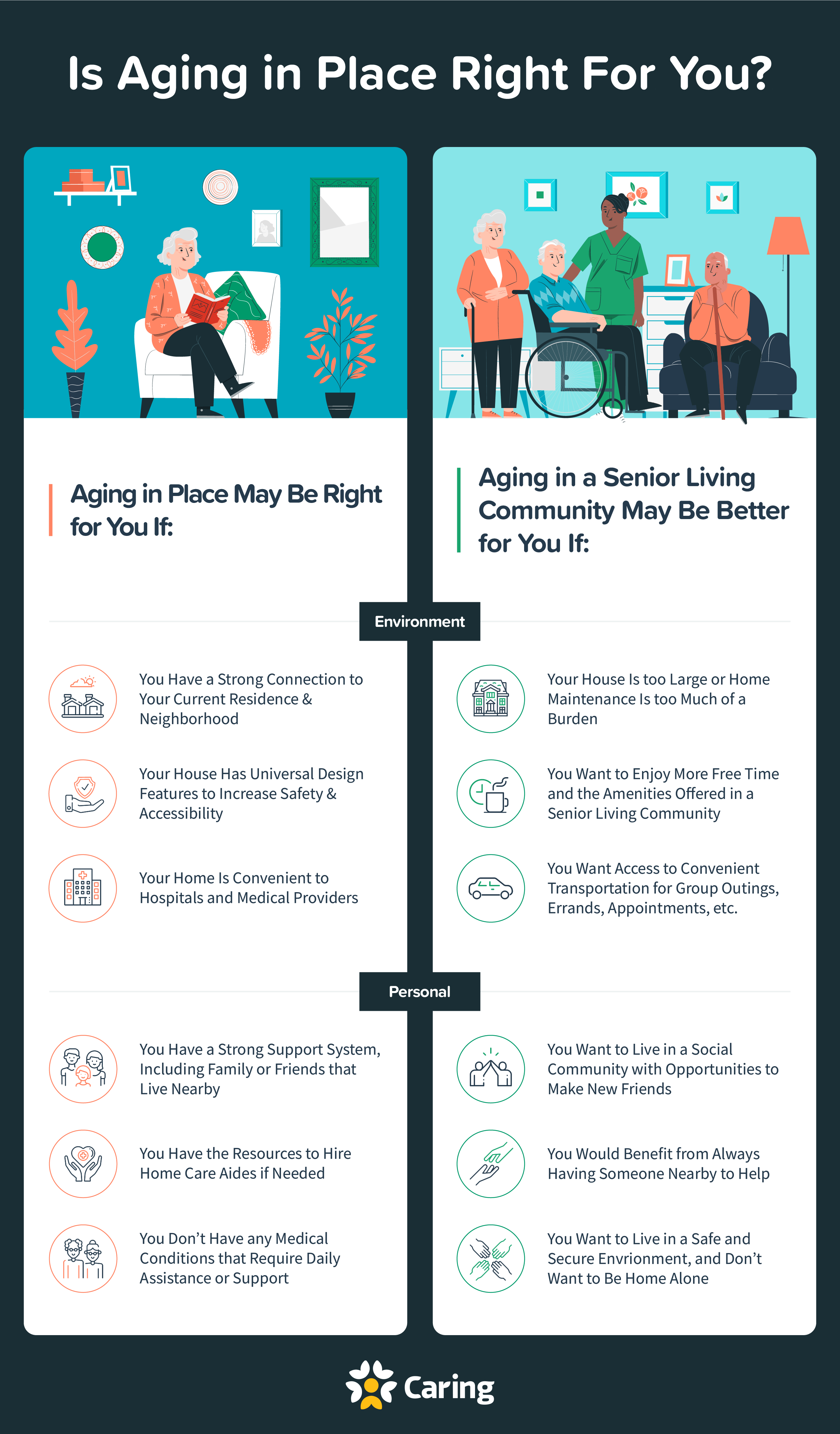
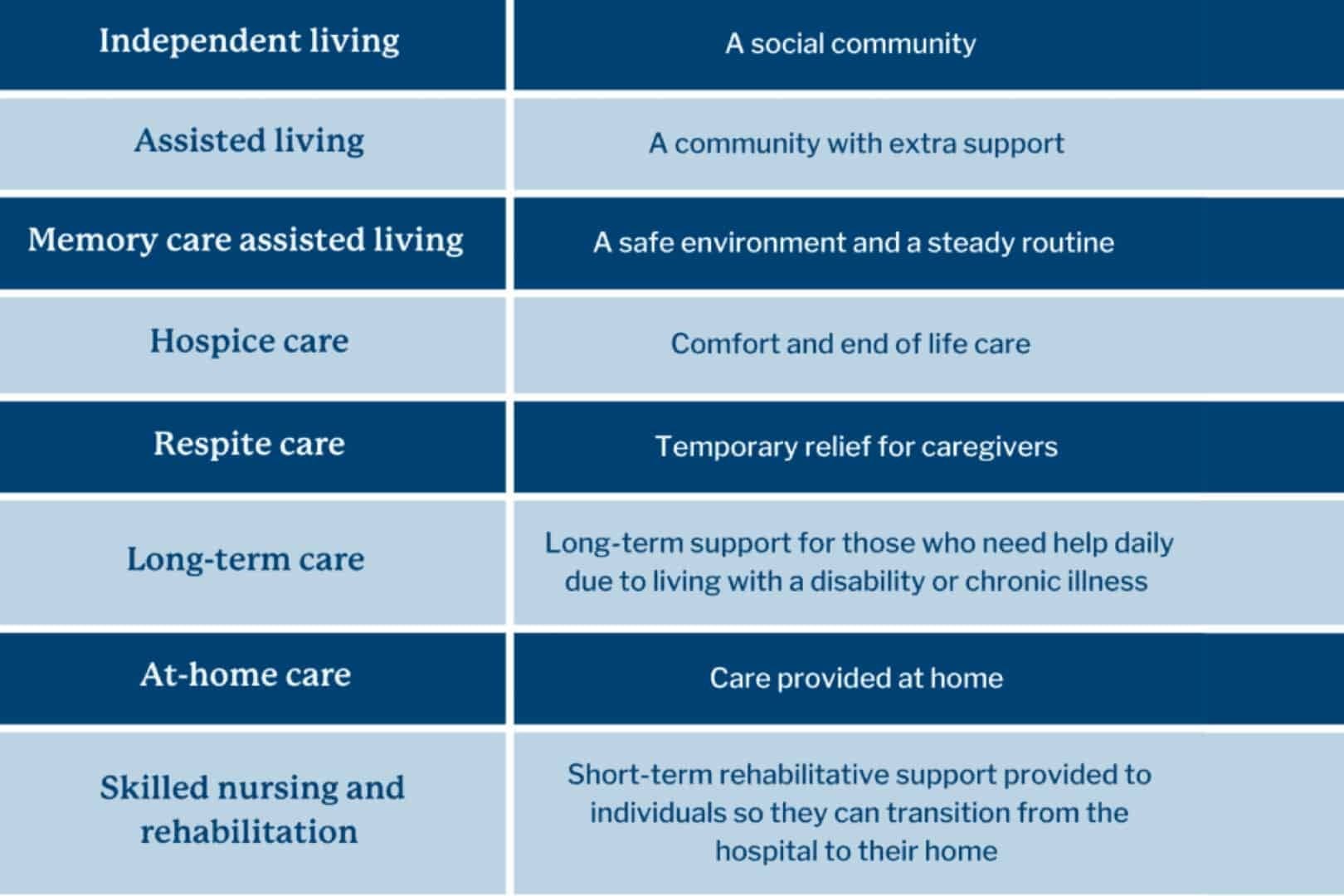
When it comes to caring for aging loved ones, there are several options available. From in-home care to nursing homes, each type of care offers different levels of support and assistance. It’s essential to understand the different types of care options before making a decision.
1. In-Home Care
In-home care is a popular option for seniors who prefer to age in the comfort of their own homes. This type of care allows elderly individuals to receive assistance with daily tasks, such as bathing, dressing, and meal preparation, while remaining in familiar surroundings. In-home caregivers can also provide companionship and supervision to ensure the safety and well-being of your loved ones.
2. Assisted Living Facilities
Assisted living facilities are residential communities designed for seniors who require some assistance with daily activities but do not need around-the-clock medical care. These facilities offer a combination of housing, support services, and personal care to meet the individual needs of residents. Assisted living facilities typically provide meals, housekeeping, medication management, and social activities to promote the well-being of seniors.
3. Nursing Homes
Nursing homes, also known as skilled nursing facilities, are intended for seniors who require 24-hour nursing care and supervision. These facilities provide medical care, rehabilitation services, and assistance with activities of daily living for residents with complex health needs. Nursing homes are staffed with healthcare professionals, including nurses, therapists, and aides, to ensure the health and safety of residents.
Assessing Your Loved One’s Care Needs
Before choosing a care option for your aging loved one, it’s essential to assess their care needs. Understanding their physical, emotional, and cognitive abilities will help you determine the level of care required and the most suitable care option for them.
1. Physical Needs
Consider your loved one’s physical health and mobility when assessing their care needs. Do they require assistance with bathing, dressing, or eating? Are they able to move around independently, or do they need help with walking or transferring? Understanding their physical abilities will help you determine the level of care necessary to support their well-being.
2. Emotional Needs
It’s essential to consider your loved one’s emotional well-being when assessing their care needs. Do they experience feelings of loneliness, anxiety, or depression? Are they socially isolated and in need of companionship? Providing emotional support and companionship is crucial for maintaining your loved one’s mental health and overall quality of life.
3. Cognitive Needs
Assess your loved one’s cognitive abilities and memory function when determining their care needs. Do they have cognitive impairments, such as dementia or Alzheimer’s disease? Do they require specialized memory care services to support their cognitive function? Understanding their cognitive needs will help you choose a care option that can provide the appropriate level of support and supervision.
Financial Considerations for Care Options
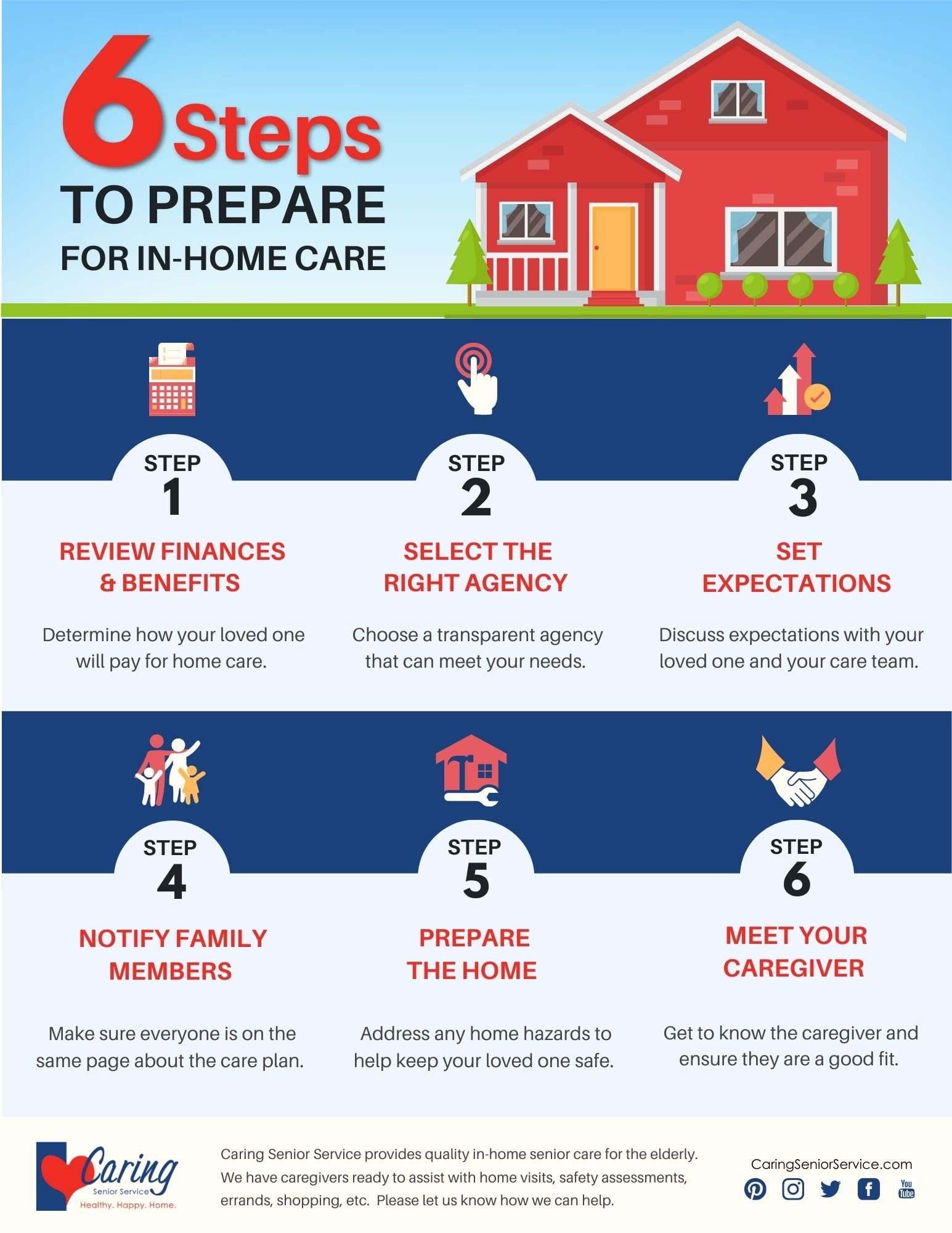
Choosing a care option for your aging loved one can be costly, so it’s essential to consider the financial implications of each care option. Understanding the costs associated with in-home care, assisted living facilities, and nursing homes will help you make an informed decision based on your budget and financial resources.
1. Cost of In-Home Care
In-home care services can vary significantly in cost, depending on the level of care required and the hours of service provided. The cost of in-home care may include hourly rates for caregivers, transportation expenses, and equipment costs. It’s essential to budget for in-home care services and explore financial assistance options, such as long-term care insurance or government programs, to help cover the costs.
2. Cost of Assisted Living Facilities
The cost of assisted living facilities can also vary depending on the location, amenities, and level of care provided. Assisted living facilities typically charge a monthly fee that covers housing, meals, personal care services, and recreational activities. Additional costs may include medication management, transportation, and specialized care services. Before choosing an assisted living facility, it’s important to review the pricing structure and payment options to ensure affordability.
3. Cost of Nursing Homes
Nursing homes are among the most expensive care options for seniors, given the high level of medical care and supervision provided. The cost of nursing homes may include room and board, medical services, therapy sessions, and personal care assistance. Some nursing homes accept Medicare or Medicaid to help offset the cost of care for eligible residents. It’s crucial to review the cost of nursing homes and explore financial assistance options to make an informed decision based on your budget.
Making an Informed Decision
After assessing your loved one’s care needs and considering the financial implications of each care option, it’s time to make an informed decision. Whether you choose in-home care, assisted living facilities, or nursing homes, it’s essential to prioritize your loved one’s well-being and quality of life above all else.
1. Evaluate Care Options
Take the time to research and evaluate different care options based on your loved one’s needs and preferences. Visit in-home care agencies, assisted living facilities, and nursing homes to get a sense of the services and amenities offered. Ask questions about staffing, care plans, safety measures, and resident activities to ensure the best possible care for your loved one.
2. Involve Your Loved One
Involve your aging loved one in the decision-making process to ensure their preferences and wishes are considered. Discuss their care needs, personal preferences, and concerns about transitioning to a new care setting. Encourage open communication and active participation in decision-making to empower your loved one to make informed choices about their care.
3. Seek Professional Advice
Consult with healthcare professionals, social workers, and financial advisors to receive expert advice on care options for your aging loved one. These professionals can provide valuable insights, guidance, and resources to help you navigate the complex landscape of elder care. Seek recommendations from trusted sources and ask for referrals to reputable care providers in your area.
Conclusion
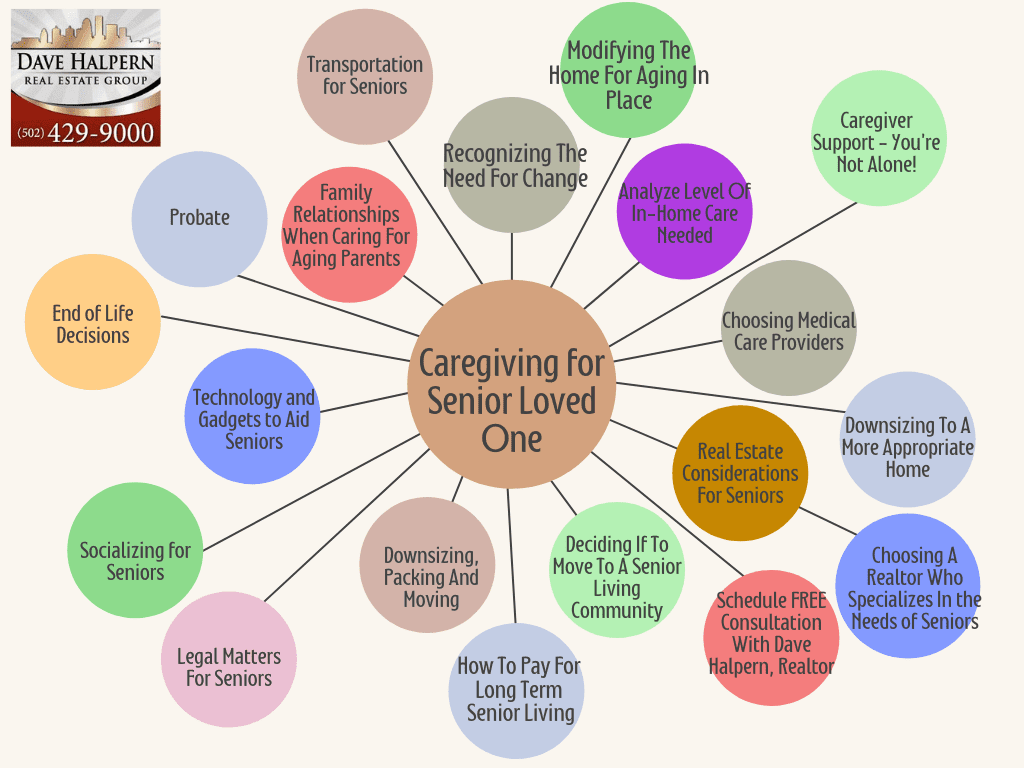
Navigating care options for aging loved ones can be challenging, but with the right information and support, you can make informed decisions that promote the health and well-being of your family members. By understanding the different types of care options, assessing your loved one’s care needs, considering the financial implications, and making an informed decision, you can provide the best possible care for your aging loved ones. Remember, you are not alone in this journey, and there are resources available to help you every step of the way. Good luck!