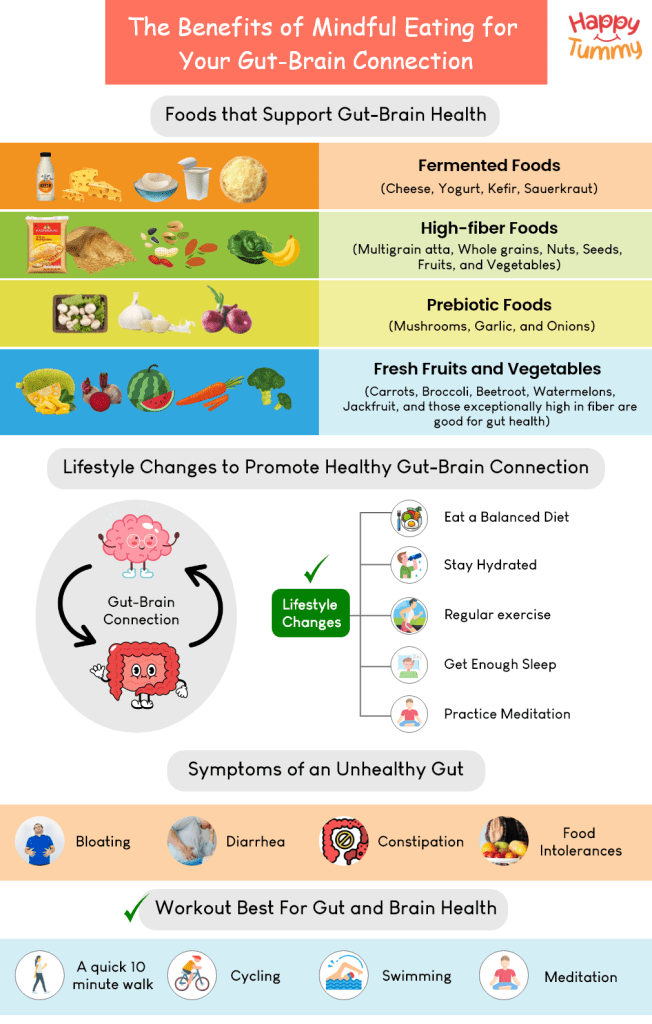
Imagine a world where you no longer feel bloated, uncomfortable, or sluggish after meals. A world where you can enjoy your food to the fullest, while also promoting better digestive health. This is possible through the practice of mindful eating. By being more present and aware of your eating habits, you can transform your relationship with food and ultimately enhance your overall well-being. In this article, we will explore the principles and benefits of mindful eating, as well as provide practical tips to incorporate this practice into your daily life. So, grab a seat and get ready to embark on a journey towards better digestion and a healthier you!
Understanding Mindful Eating
What is mindful eating?
Mindful eating is a practice that involves bringing full attention and awareness to the process of eating. It goes beyond simply enjoying the taste of food and focuses on the sensations, thoughts, and emotions that arise during a meal. Mindful eating is about approaching food with a nonjudgmental and compassionate mindset, paying attention to the body’s hunger and fullness cues, and making conscious choices about what and how much to eat.
Benefits of mindful eating
Practicing mindful eating can have numerous benefits for both physical and mental health. By slowing down and fully experiencing the eating process, you can enhance your digestion, promote better nutrient absorption, and improve your overall gut health. Mindful eating can also help prevent overeating, reduce cravings, and support healthy weight management. Additionally, it can foster a healthy relationship with food, increase self-awareness, and promote a sense of gratitude and satisfaction.
How does mindful eating improve digestive health?
Mindful eating can significantly impact digestive health by improving digestion and reducing common digestive issues. When you eat mindfully, you give your body the time it needs to properly break down and absorb nutrients from food. This can reduce symptoms of bloating, indigestion, and acid reflux. Mindful eating also aids in the regulation of appetite and satiety cues, preventing overeating and promoting a healthy metabolism. Additionally, by paying attention to how different foods make you feel, you can identify and avoid trigger foods that may aggravate digestive conditions such as irritable bowel syndrome (IBS) or food intolerances.
Preparing for Mindful Eating
Creating a calm environment
To practice mindful eating, it’s important to create a calm and peaceful atmosphere during meals. Find a quiet and clutter-free space where you can fully focus on your food. Set the table nicely, dim the lights, and create a soothing ambiance that encourages relaxation. By creating a calm environment, you can set the stage for a more enjoyable and mindful eating experience.
Eliminating distractions
One of the key elements of mindful eating is to eliminate distractions that interfere with your attention to the present moment. Turn off the television, put away your phone, and avoid reading or working while eating. By removing these distractions, you can fully engage with your meal and bring your attention to the experience of eating.
Setting intentions
Before you start eating, take a moment to set your intention for the meal. This can be as simple as expressing gratitude for the food you’re about to eat or setting an intention to eat mindfully and nourish your body. By setting intentions, you remind yourself of the purpose and importance of the mindful eating practice, which can help you stay present and focused throughout the meal.
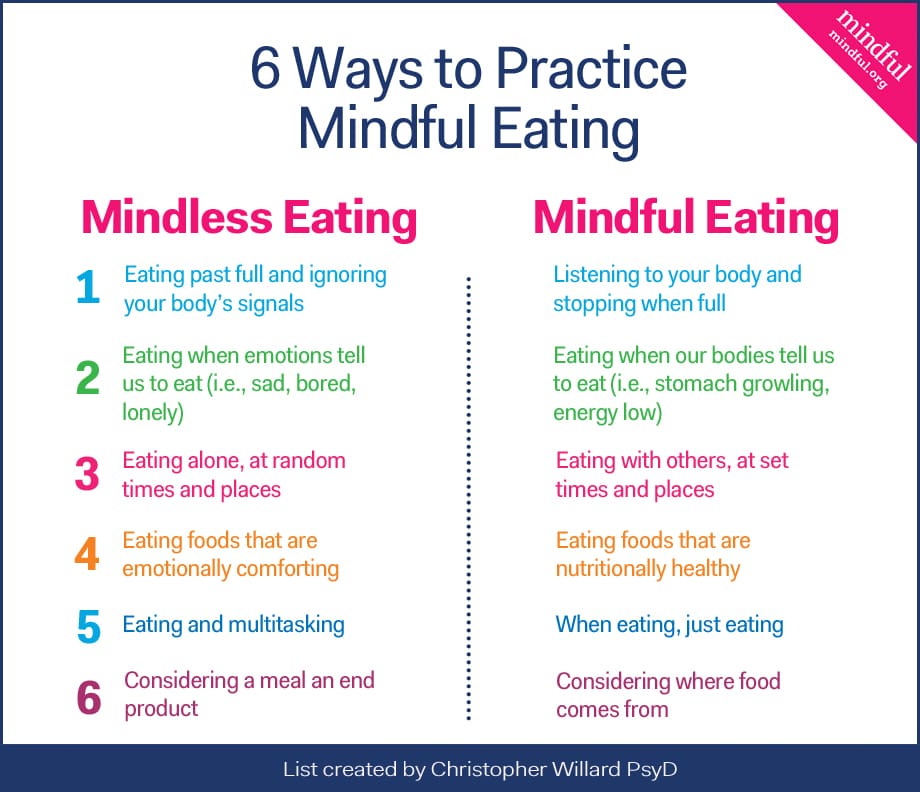
Developing Mindful Eating Habits
Eating slowly and savoring the flavors
One of the core principles of mindful eating is to eat slowly and fully savor each bite. Take the time to chew your food thoroughly, paying attention to the flavors, textures, and aromas. By eating slowly, you allow your body to properly digest and absorb nutrients, and you can fully enjoy the sensory experience of eating.
Chewing food thoroughly
Mindful eating involves thoroughly chewing your food before swallowing. Chewing breaks the food down into smaller particles, making it easier for your body to digest and absorb nutrients. Aim to chew each bite at least 20-30 times, being mindful of the texture and taste of the food as you do so.
Taking smaller bites
Another habit to develop is taking smaller bites. By taking smaller bites, you can give yourself more time to chew and savor the flavors of the food. It also helps prevent overindulging and promotes mindful portion control.
Listening to hunger and fullness cues
Being aware of your body’s hunger and fullness cues is fundamental to mindful eating. Before eating, check in with yourself and assess your level of hunger. During the meal, pay attention to how your body feels, and pause periodically to gauge your level of fullness. Eating until you are comfortably satiated, rather than overly full, supports healthy digestion and prevents overeating.
Being Mindful of Food Choices
Choosing whole and unprocessed foods
When practicing mindful eating, it’s important to make conscious choices about the types of foods you consume. Opt for whole and unprocessed foods whenever possible, as these tend to be more nutritious and beneficial for digestive health. Incorporate a variety of fruits, vegetables, whole grains, lean proteins, and healthy fats into your meals to provide your body with essential nutrients and fiber.
Balancing macronutrients
To support optimal digestion and overall health, it’s essential to balance macronutrients in your meals. Include a source of protein, such as lean meat, fish, tofu, or legumes, along with complex carbohydrates and a moderate amount of healthy fats. This combination provides a steady release of energy, helps maintain stable blood sugar levels, and supports healthy digestion.
Including fiber-rich foods
Fiber is a crucial component of a digestive-friendly diet. It adds bulk to the stool, promoting regular bowel movements and preventing constipation. Choose foods high in soluble and insoluble fiber, such as fruits, vegetables, whole grains, nuts, and seeds. Including fiber-rich foods in your meals can improve gut health and support overall digestive function.
Avoiding trigger foods
If you have specific digestive conditions, such as acid reflux, irritable bowel syndrome (IBS), or food intolerances, be mindful of trigger foods that may exacerbate symptoms. Keep a food diary to identify any patterns or culprits that worsen your digestive issues, and try to avoid or minimize their consumption. Being mindful of how certain foods affect your digestive health can help you make educated choices and alleviate discomfort.

Mindful Meal Planning
Planning meals in advance
To support mindful eating, it can be helpful to plan your meals in advance. Take time to create a weekly meal plan, considering nutrient balance and variety. This allows you to make intentional choices about the food you eat and ensures that you have nourishing options readily available.
Creating a balanced plate
When planning your meals, aim to create balanced plates that include a variety of colors, textures, and flavors. Fill half of your plate with non-starchy vegetables, a quarter with lean protein, and the remaining quarter with whole grains or starchy vegetables. This balanced approach provides a good mix of nutrients and promotes satisfaction and improved digestion.
Mindful grocery shopping
Mindful eating starts at the grocery store. Before you shop, make a list of the foods you need and stick to it, avoiding impulsive purchases. Choose fresh, high-quality ingredients and read labels to ensure you’re selecting whole, unprocessed options. By being mindful during grocery shopping, you can bring healthier choices into your home and support your mindful eating habits.
Mindful Eating Practices
Engaging all senses while eating
To fully immerse yourself in the practice of mindful eating, engage all your senses while enjoying a meal. Take a moment to appreciate the visual appeal of your food, notice the aroma, and savor each bite. Pay attention to the texture and sound of the food as you chew. By engaging all your senses, you heighten the sensory experience of eating and create a greater connection with your food.
Appreciating food and expressing gratitude
Expressing gratitude for the food you eat is a powerful way to cultivate a mindful eating practice. Before you begin your meal, take a moment to acknowledge the effort, resources, and people involved in bringing the food to your plate. Cultivating a sense of appreciation and gratitude helps foster a positive relationship with food and promotes a mindful and joyful eating experience.
Avoiding multitasking while eating
It can be tempting to multitask while eating, especially when we lead busy lives. However, multitasking takes our attention away from the act of eating and can lead to mindless overeating or digestive discomfort. Make a conscious effort to focus solely on your meal and avoid distractions like watching TV, working, or scrolling through your phone. By giving your full attention to eating, you will derive more satisfaction from your meals and improve your digestion.
Noticing thoughts and emotions related to food
Mindful eating involves being aware of the thoughts, emotions, and judgments that arise in relation to food. Notice any cravings, aversions, or emotional connections you may have with certain foods. Instead of reacting impulsively, observe these thoughts and emotions without judgment. By developing this awareness, you can make more conscious choices about what and how much you eat, based on your body’s needs and preferences.

Managing Stress and Emotional Eating
Identifying triggers for emotional eating
Stress and emotional eating often go hand in hand. One of the keys to managing emotional eating is to identify the triggers that cause you to turn to food for comfort or distraction. Becoming aware of these triggers, such as boredom, sadness, or anxiety, can help you develop healthier coping mechanisms and break the cycle of emotional eating.
Finding healthy ways to cope with stress
Instead of relying on food to cope with stress or negative emotions, explore alternative and healthier coping strategies. Engage in activities that bring you joy and relaxation, such as exercise, meditation, journaling, or spending time with loved ones. These activities can help reduce stress and nurture your emotional well-being without resorting to emotional eating.
Practicing self-compassion
It’s important to approach yourself with kindness and self-compassion when it comes to managing stress and emotional eating. Understand that emotional eating is a common response to stress and it doesn’t mean you’re weak or lacking self-control. Be gentle with yourself and seek support from loved ones or professionals if needed. By practicing self-compassion, you can better navigate the challenges of emotional eating and develop a healthier relationship with food.
Mindful Eating Portion Control
Understanding portion sizes
Portion control plays a significant role in mindful eating. It’s essential to understand appropriate portion sizes to prevent overeating and support optimal digestion. Familiarize yourself with recommended serving sizes for different food groups and be mindful of the amounts you put on your plate. This awareness can help you maintain a healthy balance and prevent excessive calorie intake.
Using smaller plates and bowls
A simple yet effective strategy for portion control is to use smaller plates and bowls. Research has shown that people tend to eat larger portions when using larger dishes, as visual cues can influence how much we consume. By downsizing your plate, you naturally reduce portion sizes and encourage mindful eating.
Honoring hunger and fullness signals
Mindful eating involves honoring your body’s hunger and fullness signals. Pay attention to how hungry you feel before a meal and aim to eat when you’re comfortably hungry, rather than overly ravenous. Similarly, listen to your body’s signals of fullness and stop eating when you feel satisfied, but not overly full. By tuning in to these cues, you can avoid overeating and support healthy digestion.

Eating for Digestive Health
Including probiotic-rich foods
Probiotic-rich foods can support a healthy gut and improve digestive health. Incorporate fermented foods such as yogurt, sauerkraut, kimchi, kefir, and kombucha into your diet. These foods contain beneficial bacteria that help maintain a balanced gut microbiome, supporting optimal digestion and nutrient absorption.
Drinking enough water
Adequate hydration is crucial for proper digestion. Drinking enough water throughout the day helps soften stools, prevent constipation, and support efficient nutrient absorption. Aim to drink at least 8 cups (64 ounces) of water per day, and adjust based on your individual needs and activity levels.
Avoiding overeating
Overeating can overwhelm your digestive system and lead to discomfort. Mindful eating helps prevent overeating by promoting awareness of your body’s satiety cues. Listen to your body and eat until you are satisfied, not until you are overly full. By avoiding overeating, you support healthy digestion and prevent discomfort.
Mindful eating for specific digestive conditions
If you have specific digestive conditions, such as acid reflux, IBS, or inflammatory bowel disease (IBD), it may be necessary to adapt your mindful eating practices accordingly. Certain foods and eating habits may exacerbate symptoms or trigger flare-ups. Consult with a healthcare professional or registered dietitian to tailor a mindful eating plan that suits your specific needs and supports your digestive health.
Sustaining Mindful Eating Practices
Creating a daily eating ritual
To sustain mindful eating practices, establish a daily eating ritual. Set aside designated times for meals and snacks and create a routine that allows you to eat mindfully without rushing. By incorporating this ritual into your daily life, you reinforce the habit of mindful eating and enhance your overall well-being.
Finding support and accountability
Practicing mindful eating can be easier and more enjoyable with support and accountability. Engage in conversations about mindful eating with friends, family, or like-minded individuals who share your interest. You can also consider joining a mindful eating group or seeking the guidance of a therapist or registered dietitian specializing in mindful eating. By finding support and accountability, you foster a sense of community and enhance the longevity of your mindful eating journey.
Practicing patience and perseverance
Remember that mindful eating is a practice that takes time and patience to cultivate. Be gentle with yourself and embrace imperfections along the way. It’s normal to have slip-ups or moments of mindless eating, but what matters is your willingness to learn and grow. Practice perseverance, knowing that every mindful choice you make contributes to better digestive health and overall well-being.
Incorporating mindful eating practices into your daily life can have a profound and lasting impact on your digestive health. By creating a calm environment, developing mindful eating habits, making conscious food choices, and staying consistent with your practice, you can enhance digestion, promote optimal nutrient absorption, and foster a healthier relationship with food. Embrace the journey of mindful eating and savor each moment as you nourish your body and mind.