
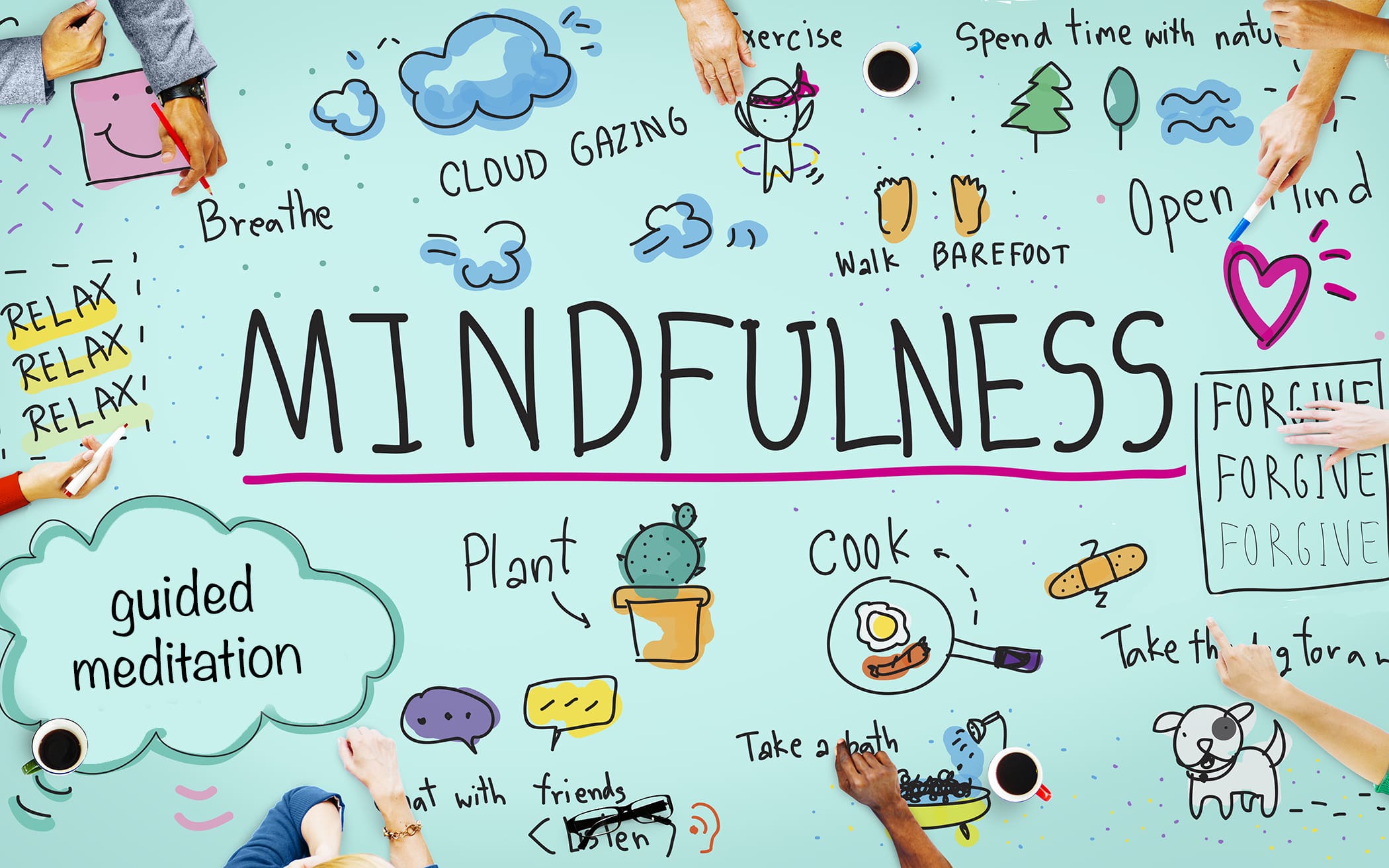
Are you looking to enhance your overall well-being? If so, practicing mindfulness may be just the solution you need. In this article, you will discover the transformative power of mindfulness and how it can improve your holistic well-being. By incorporating mindfulness into your daily routine, you can cultivate a sense of inner peace, reduce stress, and increase self-awareness. Whether you are new to mindfulness or have some experience, these simple yet effective techniques will guide you on your journey to a more balanced and fulfilling life. So, take a moment to pause, breathe, and join us as we explore the path to holistic well-being through the practice of mindfulness.
Understanding Mindfulness
Definition of Mindfulness
Mindfulness is the practice of intentionally focusing on the present moment with a non-judgmental and gentle attitude. It involves paying attention to your thoughts, emotions, and sensations without getting caught up in them or reacting impulsively. By cultivating mindfulness, you can develop a deeper understanding of yourself and the world around you.
Origins of Mindfulness
Mindfulness has its roots in ancient Eastern traditions, particularly Buddhism. It was originally developed as a means to achieve enlightenment and liberation from suffering. Over the centuries, mindfulness practices spread to various parts of the world and eventually gained popularity in the West. Today, mindfulness is widely recognized as a valuable tool for improving overall well-being.
Benefits of Mindfulness
Practicing mindfulness offers a wide range of benefits for both your mental and physical health. Research has shown that regular mindfulness practice can reduce stress, anxiety, and depression. It can also improve attention and focus, enhance emotional regulation, strengthen immune function, and promote overall resilience. Additionally, mindfulness has been found to enhance relationships, increase compassion, and improve self-awareness.
Creating a Mindful Environment
Designating a Quiet Space
Creating a mindful environment starts with designating a quiet space where you can retreat to practice mindfulness. This space should be free from distractions and clutter, allowing you to focus solely on your practice. Choose a room or corner in your home that brings you a sense of calm and tranquility. You can add elements like soft lighting, soothing music, or aromatic candles to enhance the ambiance.
Removing Distractions
To cultivate mindfulness effectively, it’s important to remove distractions from your environment. Turn off your phone, put away any electronic devices, and let go of any other potential distractions. This will allow you to fully immerse yourself in the present moment and minimize external disturbances. By creating a distraction-free space, you create an ideal setting for deepening your mindfulness practice.
Setting Up Comfortable Seating
When practicing mindfulness, it’s crucial to find a comfortable seating position to support your practice. You can choose to sit on a cushion, a chair, or even on the floor, with your spine straight and relaxed. The goal is to find a position that promotes alertness and relaxation simultaneously. Experiment with different seating arrangements until you find the one that feels most comfortable for you. Having proper seating helps ensure you can maintain a sustained practice without discomfort.
Practicing Mindful Breathing
Deep Belly Breathing
One of the fundamental techniques in mindfulness is deep belly breathing. This involves intentionally focusing on your breath and taking slow, deep breaths, allowing your abdomen to rise and fall naturally. Deep belly breathing helps activate the body’s relaxation response, reduces stress, and promotes feelings of calmness. By directing your attention to the physical sensation of breath, you anchor yourself in the present moment and cultivate a sense of groundedness.
Counting Breaths
Counting breaths is another technique that can deepen your mindfulness practice. As you inhale and exhale, silently count each breath, starting from one and continuing up to ten. If your mind begins to wander, gently bring your attention back to your breath and restart the counting. The act of counting breaths helps strengthen your concentration and prevents your thoughts from pulling you away from the present moment.
Observing the Breath
Observing the breath involves simply noticing the sensations of each breath without attempting to change or control it. Pay attention to the rising and falling of your chest or the feeling of air passing through your nostrils. By observing the breath, you develop a heightened awareness of the present moment and cultivate a non-judgmental attitude towards your experience. This practice can help you develop greater clarity and acceptance in your daily life.
Engaging the Senses
Mindful Eating
Mindful eating is a powerful practice that encourages you to slow down and savor each bite. Instead of rushing through meals, take time to appreciate the colors, textures, and flavors of your food. Pay attention to the sensations in your mouth as you chew and swallow. Notice any thoughts or emotions that arise in connection to your eating experience. By engaging your senses in this way, you can foster a deeper connection with your food and develop a healthier relationship with eating.
Awareness of Touch
Incorporating an awareness of touch into your mindfulness practice involves intentionally focusing on the sensations of touch in your body. This can be done by conducting a body scan, paying attention to the sensations in each body part, or simply by noticing the feeling of your clothes against your skin. By directing your attention to touch, you cultivate a greater sense of embodiment and bring yourself more fully into the present moment.
Listening Attentively
Listening attentively is a practice that involves giving your full presence to the sounds around you. Instead of listening passively, actively engage with the auditory environment and notice the different tones, volumes, and timbres of the sounds you hear. Whether it’s the chirping of birds, the rustling of leaves, or the hum of traffic, listen without judgment or the need to label the sounds. By cultivating attentive listening, you become more attuned to the richness and vibrancy of the world.
Developing a Daily Mindfulness Routine
Setting Aside Dedicated Time
To make mindfulness a regular part of your life, it’s important to set aside dedicated time for practice. Choose a time of day that works best for you, whether it’s first thing in the morning, during a lunch break, or in the evening before bed. By carving out specific moments for mindfulness, you prioritize its importance in your daily routine and increase the likelihood of consistent practice.
Starting with Short Sessions
When starting a mindfulness practice, it’s beneficial to begin with shorter sessions and gradually increase the duration over time. This allows you to build up your mental stamina and develop a habit of consistency. Begin with just a few minutes of practice each day, gradually extending the duration to ten or fifteen minutes as you feel more comfortable. Starting small helps prevent feelings of overwhelm and ensures a gentle and sustainable approach to mindfulness.
Gradually Increasing Duration
As you become more accustomed to regular mindfulness practice, you can gradually increase the duration of each session. Aim to extend your practice by a few minutes every week or every few days, depending on what feels attainable for you. By increasing the duration gradually, you give yourself room to adapt and grow without putting undue pressure on yourself. Remember, the goal is not to achieve perfection but to maintain a consistent practice that promotes well-being.
Mindfulness in Daily Activities
Mindful Walking
Mindful walking is a way to incorporate mindfulness into your everyday routines. As you walk, shift your attention to the physical sensations of each step—the feeling of your feet making contact with the ground, the movement of your muscles, and any sensations in your body. You can also notice the sights and sounds around you as you walk, embracing the present moment fully. By practicing mindfulness while walking, you infuse a sense of awareness and intentionality into a regular activity.
Mindful Showering
Showering provides an opportunity for a mindful experience. Instead of rushing through the process, bring your attention to the sensations of water on your skin, the temperature, and the sound it makes as it falls. Take notice of the scents of your shampoo or body wash, and the feeling of lathering and rinsing. By engaging your senses and focusing on the present moment, you can transform a daily ritual into a refreshing and rejuvenating mindful experience.
Mindful Cleaning
Even mundane activities like cleaning can become opportunities for mindfulness. Whether you’re washing dishes, sweeping the floor, or tidying up, bring your full attention to the task at hand. Notice the movements of your body, the textures of the surfaces you’re cleaning, and the satisfaction of completing each task. By approaching cleaning with mindfulness, you can turn it into an opportunity for stress relief and a moment of calmness amidst the busyness of daily life.
Cultivating Mindful Relationships
Active Listening
Having mindful relationships involves being fully present and engaged when interacting with others. One key aspect of mindful relationships is active listening. When someone is speaking to you, give them your full attention without interrupting or mentally preparing your response. Focus on understanding their words and emotions, rather than focusing on your own thoughts. By actively listening, you show respect and empathy, deepening your connection with others.
Non-judgmental Communication
Practicing mindful relationships also involves cultivating non-judgmental communication. Avoid making assumptions or jumping to conclusions when someone shares their thoughts or experiences with you. Instead, approach discussions with an open mind and a genuine curiosity to understand others’ perspectives. By suspending judgment, you create a safe and accepting space for open dialogue and connection.
Empathy and Compassion
Empathy and compassion lie at the heart of mindful relationships. When interacting with others, seek to understand their emotions and experiences, imagining what it would be like to walk in their shoes. Show kindness and compassion towards others, even in challenging situations. By fostering deep empathy and compassion, you promote harmony, understanding, and supportive connections with the people in your life.
Managing Stress and Anxiety through Mindfulness
Recognizing Stress Triggers
Mindfulness can be a valuable tool for managing stress and anxiety. Start by developing an awareness of your stress triggers—identifying the situations, thoughts, or emotions that tend to cause stress or anxiety. By recognizing these triggers, you gain insight into the aspects of your life that may need attention and can take proactive steps to reduce their impact on your well-being.
Using Mindfulness to Respond to Stress
When stress arises, mindfulness can help you respond in a more constructive and calm manner. By pausing and acknowledging your thoughts and emotions without judgment, you create a mental space to choose how to respond, rather than reacting impulsively. Mindfulness allows you to view challenging situations with greater clarity and perspective, enabling you to find more effective and healthy ways to cope with stress.
Practicing Self-Compassion
Practicing self-compassion is a crucial aspect of managing stress and anxiety through mindfulness. Treat yourself with kindness and understanding when facing difficulties. Recognize that everyone experiences stress and that it’s normal to feel overwhelmed at times. Be gentle with yourself and practice self-care, engaging in activities that nourish and rejuvenate your mind and body. By cultivating self-compassion, you build resilience and create a foundation for holistic well-being.
Enhancing Mindfulness with Meditation
Different Meditation Techniques
Meditation is a powerful tool for enhancing mindfulness and deepening your practice. There are various meditation techniques to explore, each offering unique benefits. For example, mindfulness meditation involves directing your attention to your breath or an object of focus, allowing thoughts to come and go without attachment. Loving-kindness meditation focuses on cultivating feelings of love, compassion, and well-wishing towards yourself and others. By exploring different meditation techniques, you can find the ones that resonate most with you and incorporate them into your mindfulness routine.
Guided Meditation Apps
Guided meditation apps can be beneficial for those who are new to meditation or prefer structured guidance. These apps offer a wide range of guided meditation recordings led by experienced teachers. They often provide options for different durations and themes, making it easier to find guided meditations that suit your needs and preferences. Some popular meditation apps include Headspace, Calm, and Insight Timer. Incorporating guided meditation into your mindfulness routine can deepen your practice and provide additional support.
Finding a Meditation Style that Resonates
Discovering a meditation style that resonates with you is important for maintaining a consistent mindfulness practice. Some individuals may prefer silent meditation, while others may find more joy and connection through mantra meditation or movement-based practices like yoga or Tai Chi. Experiment with different styles and explore what brings you the most peace and fulfillment. By finding a meditation style that resonates with you, you increase the likelihood of sustained engagement and enjoyment in your mindfulness journey.
Exploring Mindfulness Resources
Books on Mindfulness
Books are a valuable resource for deepening your understanding and practice of mindfulness. There is a wide range of books available, written by experts in the field, that offer guidance, insights, and practical exercises. Some popular books on mindfulness include “Wherever You Go, There You Are” by Jon Kabat-Zinn, “The Power of Now” by Eckhart Tolle, and “The Miracle of Mindfulness: An Introduction to the Practice of Meditation” by Thich Nhat Hanh. By exploring mindfulness books, you can expand your knowledge and gain new perspectives on this transformative practice.
Mindfulness Courses and Retreats
Mindfulness courses and retreats provide immersive experiences and dedicated guidance for deepening your mindfulness practice. These programs range from weekend workshops to intensive week-long retreats, offering teachings, exercises, and a supportive community of like-minded individuals. Many mindfulness courses and retreats are led by experienced teachers and provide a structured environment for learning and growth. Consider attending a mindfulness course or retreat to fully immerse yourself in the practice and gain valuable insights and skills.
Online Mindfulness Communities
Online mindfulness communities offer a sense of connection and support, especially for individuals who may not have access to local mindfulness groups or retreats. These virtual communities provide platforms for sharing experiences, seeking advice, and engaging in discussions related to mindfulness. Websites, forums, and social media groups dedicated to mindfulness can serve as valuable resources for learning, inspiration, and developing connections with like-minded individuals around the world.
By understanding mindfulness, creating a mindful environment, practicing mindful breathing, engaging the senses, developing a daily mindfulness routine, incorporating mindfulness into daily activities, cultivating mindful relationships, managing stress and anxiety, enhancing mindfulness with meditation, and exploring mindfulness resources, you can embark on a transformative journey towards greater well-being and holistic living. May your mindfulness practice bring you profound joy, peace, and a deep connection with yourself and the world around you.