

In this article, you will discover effective ways to practice self-care and nurture both your mind and body. It’s no secret that taking care of ourselves is essential for maintaining good mental and physical health. However, amidst our busy lives and demanding responsibilities, we often neglect this crucial aspect. By implementing simple yet powerful self-care practices, you can enhance your overall well-being and find balance in your everyday life. Whether it’s establishing a consistent self-care routine, engaging in activities that bring you joy, or prioritizing rest and relaxation, this article will guide you on your journey to a healthier mind and body.
Physical Self-Care
Regular exercise
Taking care of your physical health is essential for maintaining a healthy mind and body. Regular exercise is a great way to improve your physical well-being. Engaging in activities such as walking, jogging, swimming, or playing a sport not only helps you stay fit but also releases endorphins, which are known as the “feel-good” hormones. These endorphins can boost your mood and reduce stress levels. Try to incorporate at least 30 minutes of exercise into your daily routine to reap the many benefits it offers.
Healthy eating
A nutritious diet plays a vital role in self-care. What you eat has a direct impact on your energy levels, mood, and overall health. Make sure to include a variety of fruits, vegetables, whole grains, lean proteins, and healthy fats in your meals. Limit your intake of processed foods, sugary snacks, and beverages high in sugar. Eating well-balanced meals not only nourishes your body but also supports your mental well-being.
Adequate sleep
Getting enough quality sleep is crucial for your physical and mental health. During the day, your body and mind go through numerous activities and processes that require restorative rest at night. Aim for 7-9 hours of sleep each night to allow your body to repair itself and recharge for the next day. Create a sleep-friendly environment by ensuring your bedroom is dark, quiet, and at a comfortable temperature. Implement a relaxing bedtime routine, such as reading a book or taking a warm bath, to promote a better night’s sleep.
Emotional Self-Care
Express your feelings
One aspect of emotional self-care is acknowledging and expressing your feelings. Holding in emotions can lead to increased stress, anxiety, and negative impacts on your mental health. Find healthy ways to express yourself, such as talking to trusted friends or family members, keeping a journal, or seeking professional help if needed. By allowing yourself to feel and express your emotions, you can foster emotional well-being and build resilience.
Take breaks
In the fast-paced world we live in, it’s crucial to prioritize taking breaks to recharge and relax. Whether it’s taking short breaks throughout the day or planning longer vacations, giving yourself time to rest is essential for emotional self-care. Use your breaks to engage in activities that bring you joy, such as listening to music, practicing a hobby, or simply taking a walk in nature. These moments of respite help you rejuvenate and maintain emotional balance.
Practice mindfulness
Mindfulness is the practice of being fully present in the current moment, without judgment. It involves intentionally paying attention to your thoughts, feelings, and sensations. Engaging in mindfulness exercises, such as deep breathing or meditation, can help reduce stress, improve focus, and increase self-awareness. By practicing mindfulness, you can cultivate a greater sense of emotional well-being and develop a healthier relationship with your own thoughts and emotions.

Mental Self-Care
Manage stress
Stress is a common part of life, but excessive stress can have detrimental effects on your mental health. It’s important to find healthy ways to manage and reduce stress levels. Engaging in stress-relief activities like exercise, meditation, or spending time in nature can help calm your mind and promote mental well-being. Additionally, learning effective time management skills and prioritizing tasks can help alleviate stress related to feeling overwhelmed.
Set realistic goals
Setting realistic goals is a key aspect of mental self-care. By establishing goals that are attainable and measurable, you can avoid feelings of frustration or disappointment. Break down larger goals into smaller, manageable steps, and celebrate your achievements along the way. This not only helps you stay motivated but also enhances your confidence and mental well-being.
Engage in hobbies
Taking time to engage in activities you enjoy is crucial for your mental self-care. Hobbies provide a sense of fulfillment, joy, and relaxation. Whether it’s painting, playing a musical instrument, dancing, or gardening, find activities that bring you happiness and make time for them regularly. Engaging in hobbies not only helps you unwind but also stimulates your creativity and promotes a healthier mindset.
Social Self-Care
Maintain healthy relationships
Nurturing healthy relationships is an important aspect of social self-care. Surrounding yourself with supportive and positive individuals can significantly impact your mental and emotional well-being. Cultivate relationships built on trust, mutual respect, and open communication. Connect with friends, family, or join social groups that share similar interests to foster meaningful connections.
Seek support
It’s essential to recognize that seeking support when needed is a strength, not a weakness. If you are feeling overwhelmed or experiencing mental health challenges, reach out to a trusted friend, family member, or mental health professional for assistance. Talking about your thoughts and feelings with someone who can provide guidance, empathy, and understanding can greatly benefit your overall well-being.
Connect with loved ones
Maintaining connections with loved ones is an integral part of social self-care. Make an effort to spend quality time with family and friends, whether it’s through phone calls, video chats, or in-person meetings. Engaging in meaningful conversations and sharing experiences strengthens your social bonds and provides a sense of belonging, which positively impacts your mental and emotional health.

Spiritual Self-Care
Find purpose and meaning
Spiritual self-care involves finding meaning and purpose in life. Reflect on your values, beliefs, and what truly matters to you. Identify activities or experiences that align with your spiritual or philosophical beliefs and make time for them. Engaging in activities that give you a sense of purpose can contribute to your overall well-being and provide a deeper understanding of yourself.
Engage in meditation or prayer
Practicing meditation or prayer can be beneficial for your spiritual self-care. Both practices offer moments of introspection and stillness, allowing you to connect with your inner self or a higher power, depending on your beliefs. Incorporate meditation or prayer into your daily routine, and experience the calming and centering effects they can have on your mind and spirit.
Spend time in nature
Nature has a way of rejuvenating our spirits and connecting us to something greater than ourselves. Make an effort to spend time outdoors regularly, whether it’s taking a stroll in the park, going for hikes, or simply sitting in your backyard. Appreciating the beauty of nature can bring a sense of peace, awe, and gratitude, contributing to your spiritual well-being.
Self-Care Through Relaxation
Take regular breaks
Taking regular breaks throughout the day is essential for self-care. Engage in short moments of rest to recharge and reset your mind. Step away from your work or daily responsibilities and do something enjoyable and relaxing. Listen to calming music, practice deep breathing exercises, or take a short walk to clear your mind and promote relaxation.
Practice deep breathing exercises
Deep breathing exercises are an effective tool for relaxation. When you find yourself feeling stressed or overwhelmed, take a moment to focus on your breath. Breathe in deeply through your nose, hold for a few seconds, and exhale slowly through your mouth. Repeat this process several times, allowing your body and mind to become more relaxed and centered.
Engage in self-care activities
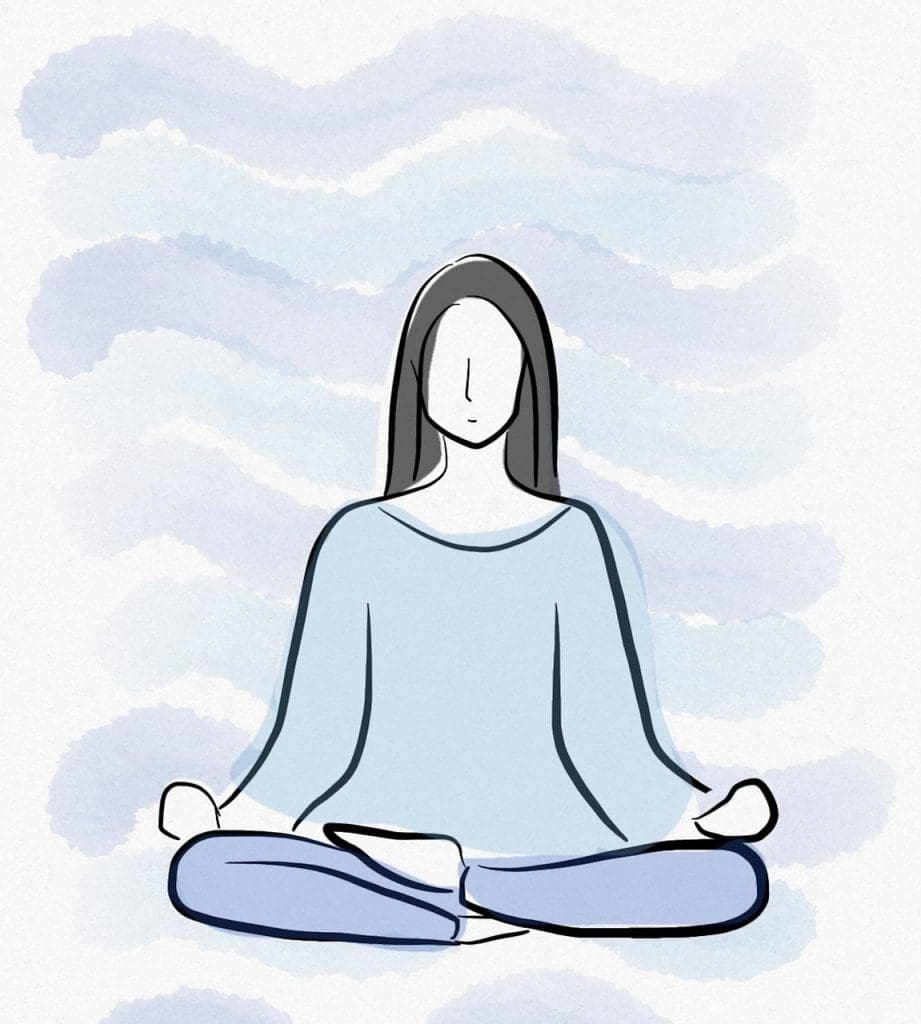
Self-care activities can vary from person to person, so it’s important to find what works best for you. Whether it’s taking a warm bath, practicing yoga, reading a book, or listening to soothing music, make time for activities that promote relaxation and self-nurturing. These activities allow you to rejuvenate your mind, body, and spirit, enhancing your overall well-being.
Self-Care Through Boundaries
Learn to say no
Learning to set boundaries and say no when necessary is crucial for self-care. It’s okay to prioritize your own needs and decline requests that overwhelm or deplete your energy. Be assertive in expressing your limits and ensuring that you have time and energy for activities that are truly important to you. By setting healthy boundaries, you protect your well-being and maintain a healthier balance in your life.
Create a schedule
Creating a schedule or routine can help you establish structure and prioritize self-care. Plan out your day or week, ensuring that you allocate time for activities that promote self-care. This can include exercising, spending time with loved ones, engaging in hobbies, and even scheduling downtime for rest and relaxation. A well-balanced schedule allows you to manage your time effectively and ensures that you prioritize your own well-being.
Set boundaries in relationships
Maintaining healthy boundaries in your relationships is vital for self-care. It’s important to communicate your needs and expectations clearly with those around you. Healthy boundaries help prevent feelings of resentment or being taken advantage of. They allow you to maintain healthier relationships and focus on your well-being without compromising your own needs and values.
Self-Care Through Self-Reflection
Journaling
Journaling is a powerful practice for self-reflection and self-care. Set aside time each day or week to write down your thoughts, feelings, and experiences. Reflecting on your emotions, goals, and challenges can provide valuable insights and promote self-awareness. Journaling can also serve as a tool to release emotions, organize your thoughts, and track your personal growth.
Practice gratitude
Cultivating a gratitude practice is a fantastic way to enhance self-care. Take a few moments each day to focus on the things you are grateful for. It could be something as simple as a beautiful sunrise or a kind gesture from a friend. By shifting your perspective to gratitude, you can improve your overall well-being and develop a more positive mindset.
Reflect on personal growth
Regularly reflecting on your personal growth is an essential aspect of self-care. Take the time to acknowledge your accomplishments, both big and small. Celebrate your progress and the lessons you’ve learned along the way. This reflection allows you to appreciate your journey, boost your self-confidence, and continue evolving into the best version of yourself.
Self-Care Through Self-Compassion
Practice self-acceptance
Self-acceptance is a fundamental aspect of self-care. Embrace your strengths, weaknesses, and imperfections. Understand that you are deserving of love, respect, and compassion. Treat yourself with kindness and understanding, just as you would a close friend. By practicing self-acceptance, you can cultivate a healthier relationship with yourself and foster a more positive self-image.
Forgive yourself
Forgiveness is an important part of self-compassion. Let go of past mistakes, regrets, and negative self-judgment. Understand that making mistakes is a part of being human, and use these experiences as opportunities for growth. By forgiving yourself, you free yourself from self-imposed guilt and create space for self-love and personal development.
Be kind to yourself
Being kind to yourself is an integral part of self-care. Treat yourself with the same level of kindness, patience, and understanding that you would extend to others. Practice positive self-talk, engage in activities that bring you joy, and prioritize self-nurturing. By showering yourself with kindness and compassion, you foster a healthier and more loving relationship with yourself.
Self-Care Through Self-Discovery
Try new experiences
Self-discovery involves exploring new experiences. Step outside of your comfort zone and try something new. Whether it’s experimenting with a different style of art, traveling to a new destination, or taking up a new hobby, embracing new experiences can broaden your horizons and foster personal growth. Embrace the unknown and allow yourself to grow and evolve through the discovery of new interests and passions.
Learn new skills
Continuously learning and acquiring new skills contributes to self-care. Identify areas of interest or skills you’ve always wanted to develop. Take courses, attend workshops, or engage in online tutorials to expand your knowledge and enhance your abilities. By investing in your personal growth, you not only cultivate a sense of fulfillment but also boost your confidence and self-esteem.
Explore personal interests
Make time for activities that align with your personal interests. Whether it’s reading, painting, cooking, or playing an instrument, engaging in activities that bring you fulfillment and joy is essential. These interests are a reflection of your unique personality and fuel your passion for life. Exploring your personal interests promotes a sense of vitality and excitement, enhancing your overall well-being.
In conclusion, practicing self-care is a fundamental aspect of maintaining a healthier mind and body. By incorporating physical, emotional, mental, social, spiritual, relaxation, boundaries, self-reflection, self-compassion, and self-discovery practices into your daily life, you can cultivate a more balanced and fulfilling lifestyle. Prioritizing self-care allows you to nurture your overall well-being and live a more joyful, purposeful life