

Welcome to a guide on how to practice self-care for overall wellness! In today’s fast-paced world, it’s easy to get caught up in the hustle and bustle of everyday life and neglect our own well-being. Taking care of yourself is crucial for maintaining a healthy mind and body. This article will provide you with practical tips and strategies to incorporate self-care into your daily routine, leading to a happier and more balanced life. So sit back, relax, and let’s dive into the world of self-care together!
Are You Taking Care of Yourself?
Hey there! It’s important to take a moment and check in with yourself. Are you putting yourself first and taking care of your mental, emotional, and physical well-being? Self-care is crucial for your overall wellness, so let’s dive into some tips and tricks to ensure you are practicing self-care effectively.
Why Self-Care is Essential for Overall Wellness
Taking care of yourself is not selfish; it is necessary for your overall wellness. When you practice self-care regularly, you are better equipped to handle stress, improve your mood, boost your immune system, increase productivity, and enhance your relationships. Self-care is like putting on your oxygen mask first before helping others on an airplane – you cannot pour from an empty cup.
Stress Management
One of the key benefits of self-care is stress management. In today’s fast-paced world, stress is inevitable, but how you handle it can make a huge difference in your overall well-being. Self-care activities such as meditation, deep breathing exercises, journaling, or engaging in hobbies can help reduce stress levels and promote relaxation. Find what works best for you and make it a regular part of your routine.
Mood Enhancement
When you practice self-care, you are giving yourself the love and attention you deserve. This can have a positive impact on your mood and emotional well-being. Engaging in activities that bring you joy, such as spending time with loved ones, exercising, or indulging in a hobby, can help boost your mood and reduce feelings of anxiety or depression.
Physical Health
Self-care is not just about pampering yourself; it also involves taking care of your physical health. Making time for regular exercise, eating nutritious meals, staying hydrated, getting enough sleep, and scheduling regular check-ups with your healthcare provider are all essential components of self-care. Taking care of your body will not only improve your physical health but also boost your mood and increase your energy levels.
Practical Tips for Practicing Self-Care
Now that you understand the importance of self-care, let’s discuss some practical tips to help you incorporate self-care into your daily routine.
Create a Self-Care Routine
Just like you have a routine for brushing your teeth or taking a shower, create a self-care routine that you can follow daily. This can include activities such as meditation, exercise, reading a book, taking a relaxing bath, or simply spending time outdoors. Having a routine will help you prioritize self-care and ensure that you are making time for yourself every day.
Set Boundaries
Setting boundaries is essential for practicing self-care. Learn to say no to things that drain your energy or do not align with your values. It’s okay to prioritize your well-being and set boundaries with friends, family, or co-workers. By setting boundaries, you are showing respect for yourself and protecting your mental and emotional health.
Practice Mindfulness
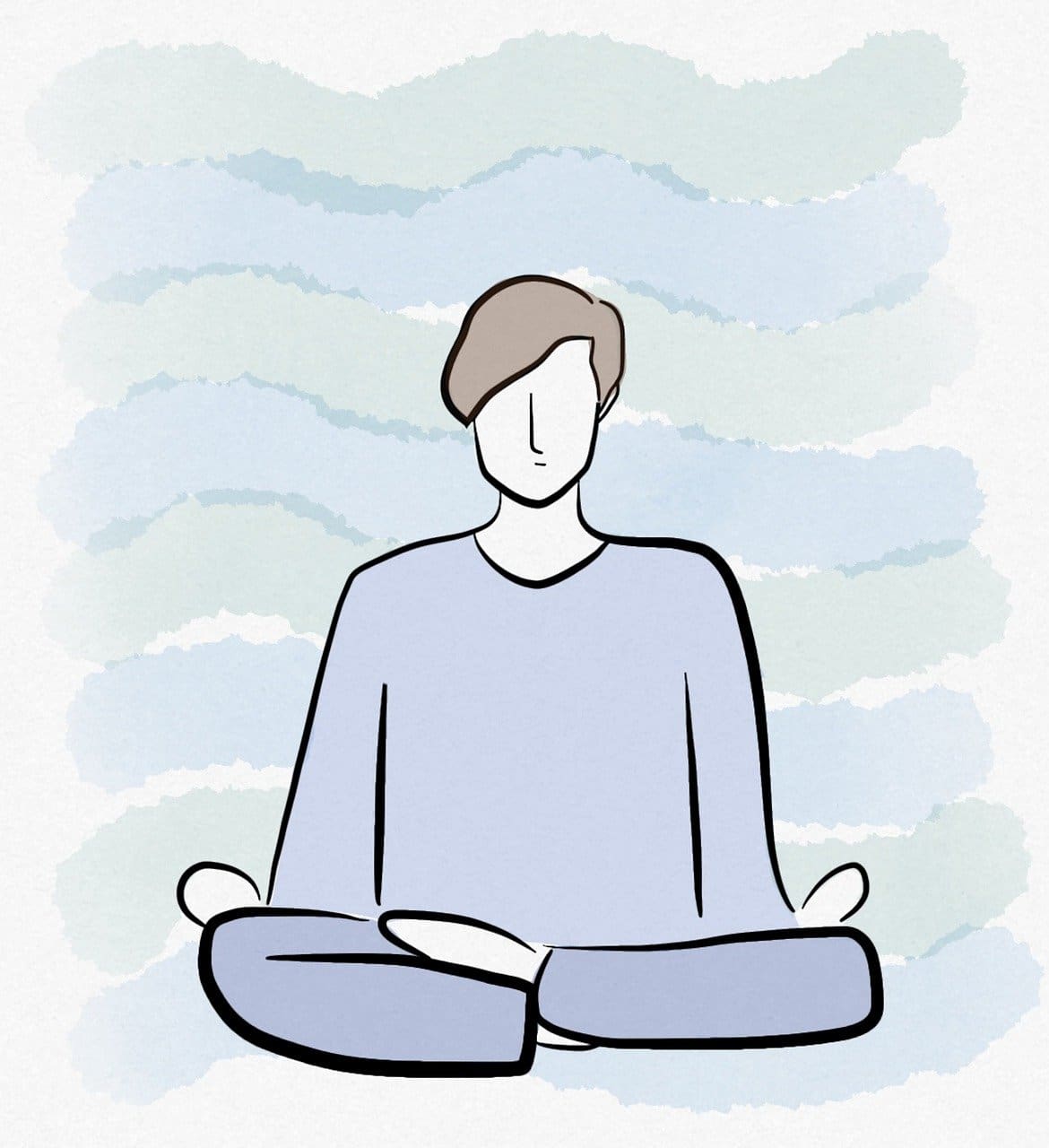
Mindfulness is the practice of being fully present and engaged in the moment. When you practice mindfulness, you are focusing on the here and now, rather than worrying about the past or future. Mindfulness can be incorporated into your daily routine through activities such as meditation, deep breathing exercises, or simply taking a few moments to appreciate the beauty around you. By practicing mindfulness, you can reduce stress, improve your mood, and enhance your overall well-being.
Get Moving
Regular exercise is an essential component of self-care. Physical activity not only improves your physical health but also has numerous mental health benefits. Exercise releases endorphins, which are feel-good hormones that can boost your mood and reduce feelings of anxiety or depression. Find a form of exercise that you enjoy, whether it’s going for a walk, practicing yoga, dancing, or hitting the gym. Aim for at least 30 minutes of exercise most days of the week to experience the benefits of physical activity.
Eat Well
Nutrition plays a key role in your overall well-being. Eating a balanced diet rich in fruits, vegetables, whole grains, lean proteins, and healthy fats can provide your body with the nutrients it needs to function optimally. Fueling your body with nutritious foods can boost your energy levels, improve your mood, and support your immune system. Make an effort to cook more meals at home, meal prep for the week, and limit processed foods and sugary drinks to take care of your body from the inside out.
Self-Care Activities for Different Areas of Your Life
Self-care is not one-size-fits-all; it can look different for each person based on their preferences and needs. Here are some self-care activities you can try based on different areas of your life:
Physical Self-Care
Physical self-care involves taking care of your body through movement, nutrition, and rest. Here are some physical self-care activities you can incorporate into your routine:
| Activities | Description |
|---|---|
| Exercise | Engage in physical activity that you enjoy, such as walking, jogging, dancing, or weightlifting. |
| Healthy Eating | Fuel your body with nutritious foods that nourish your body and mind. |
| Adequate Sleep | Aim for 7-9 hours of quality sleep each night to support your overall health and well-being. |
| Relaxation Techniques | Practice relaxation techniques such as deep breathing, meditation, or taking a warm bath. |
Emotional Self-Care
Emotional self-care involves taking care of your emotional well-being and mental health. Here are some emotional self-care activities you can try:
| Activities | Description |
|---|---|
| Journaling | Write down your thoughts and feelings to process emotions and gain clarity. |
| Therapy or Counseling | Seek professional help to address emotional issues and improve your mental health. |
| Creative Expression | Engage in creative activities such as painting, playing music, or writing poetry. |
| Positive Affirmations | Repeat positive affirmations to boost self-esteem and cultivate a positive mindset. |
Social Self-Care
Social self-care involves connecting with others and building supportive relationships. Here are some social self-care activities you can incorporate into your routine:
| Activities | Description |
|---|---|
| Spend Time with Loved Ones | Schedule quality time with family and friends to nurture relationships and social connections. |
| Join a Club or Group | Join a club, group, or community organization to meet like-minded individuals and build connections. |
| Volunteer | Give back to your community by volunteering for a cause that is meaningful to you. |
| Set Boundaries | Set boundaries with toxic relationships or energy-draining individuals to protect your well-being. |
Mental Self-Care
Mental self-care involves taking care of your mind and cognitive well-being. Here are some mental self-care activities you can try:
| Activities | Description |
|---|---|
| Read a Book | Escape into a good book to relax your mind and expand your knowledge. |
| Practice Mindfulness | Engage in mindfulness practices such as meditation, deep breathing exercises, or mindful eating. |
| Learn Something New | Challenge your brain by learning a new skill, language, or hobby to stimulate cognitive function. |
| Cognitive Behavioral Therapy | Consider cognitive behavioral therapy to address negative thought patterns and improve mental health. |

Conclusion
Self-care is essential for your overall wellness, and it’s crucial to prioritize your well-being to live a healthy and fulfilling life. By incorporating self-care activities into your daily routine, you can reduce stress, improve your mood, boost your physical health, and enhance your relationships. Remember that self-care is not selfish; it’s necessary for your well-being. Take care of yourself, and you’ll be better equipped to take care of others around you. Start small, be consistent, and watch how practicing self-care can transform your life for the better. Keep shining bright!