
Welcome to an informative article on how to prevent and manage autoimmune diseases naturally. In this guide, you will learn about the importance of maintaining a healthy lifestyle, including a balanced diet, regular exercise, stress management techniques, and adequate sleep. By making simple yet impactful changes to your daily routine, you can significantly reduce your risk of developing autoimmune diseases and effectively manage any existing conditions. Let’s explore the natural ways to prioritize your immune system and overall well-being. Have you ever wondered about ways to prevent and manage autoimmune diseases naturally? Autoimmune diseases occur when the body’s immune system mistakenly attacks its own tissues, leading to inflammation and damage. In this article, we will explore various natural strategies and lifestyle changes that can help you prevent and manage autoimmune diseases effectively.
Understanding Autoimmune Diseases
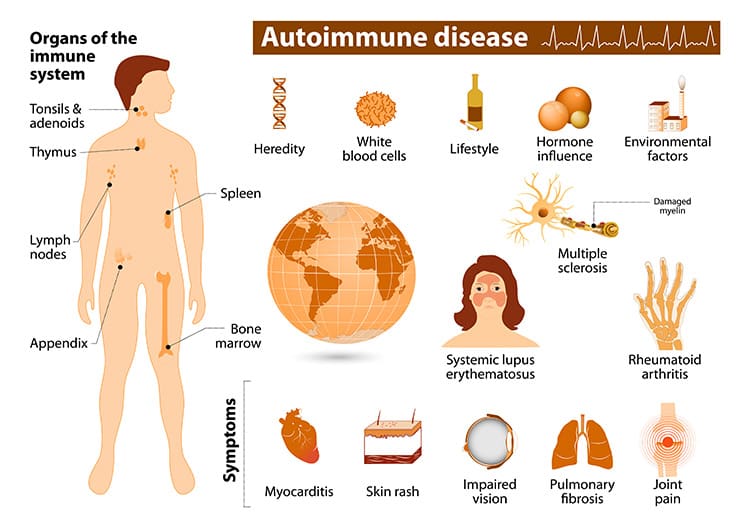
Autoimmune diseases are conditions in which the immune system mistakenly attacks healthy cells in the body, leading to inflammation and tissue damage. There are over 80 different types of autoimmune diseases, including rheumatoid arthritis, lupus, multiple sclerosis, type 1 diabetes, and celiac disease. These diseases can affect any part of the body and cause a wide range of symptoms, such as fatigue, joint pain, skin rashes, and digestive issues.
Why Does the Immune System Attack the Body?
The exact cause of autoimmune diseases is not fully understood, but several factors are believed to contribute to their development. Genetics, environmental triggers, and an overactive immune response are thought to play a role in the onset of autoimmune diseases. When the immune system becomes confused and starts attacking healthy tissues, it can lead to chronic inflammation and tissue damage.
Natural Strategies to Prevent Autoimmune Diseases
While autoimmune diseases cannot be completely prevented, there are several natural strategies that can help reduce your risk of developing these conditions. By incorporating these strategies into your daily routine, you can support your immune system and promote overall health and well-being.
Eat a Balanced Diet
A healthy, well-balanced diet is essential for supporting overall immune function and reducing inflammation in the body. Include a variety of fruits, vegetables, whole grains, lean proteins, and healthy fats in your diet to provide your body with the nutrients it needs to function optimally. Avoid processed foods, sugary beverages, and excessive amounts of red meat, as these can contribute to inflammation and potentially trigger autoimmune responses.
Manage Stress
Chronic stress can have a negative impact on immune function and may increase the risk of developing autoimmune diseases. Incorporate stress-reducing activities into your daily routine, such as meditation, yoga, deep breathing exercises, or spending time in nature. Prioritizing self-care and taking time to relax and unwind can help support your immune system and overall health.
Get Regular Exercise
Regular physical activity is important for overall health and immune function. Exercise can help reduce inflammation in the body, improve circulation, and support the body’s natural detoxification processes. Aim for at least 30 minutes of moderate-intensity exercise most days of the week, such as walking, jogging, cycling, or swimming.
Prioritize Sleep
Quality sleep is essential for immune function and overall health. Aim for 7-9 hours of restful sleep each night to allow your body to repair and regenerate. Create a relaxing bedtime routine, such as reading a book, taking a warm bath, or practicing relaxation techniques, to help promote restful sleep.
Managing Autoimmune Diseases Naturally
If you have been diagnosed with an autoimmune disease, managing your condition naturally can help reduce symptoms, improve quality of life, and support overall health and well-being. While conventional treatments such as medications and surgery may be necessary in some cases, incorporating natural therapies and lifestyle changes can complement your existing treatment plan and provide additional benefits.
Work with a Healthcare Provider
If you have been diagnosed with an autoimmune disease, it is important to work closely with a healthcare provider who specializes in autoimmune conditions. Your healthcare provider can help develop a personalized treatment plan that addresses your specific symptoms and needs. They can also monitor your condition and make adjustments to your treatment plan as needed.
Follow an Anti-Inflammatory Diet
An anti-inflammatory diet can help reduce inflammation in the body and alleviate symptoms of autoimmune diseases. Focus on whole, unprocessed foods such as fruits, vegetables, whole grains, lean proteins, and healthy fats. Avoid inflammatory foods such as processed foods, refined sugars, trans fats, and excessive amounts of alcohol.
Consider Natural Supplements
Several natural supplements have been shown to help manage autoimmune diseases and reduce inflammation in the body. Omega-3 fatty acids, probiotics, turmeric, ginger, and green tea are just a few examples of supplements that may support immune function and reduce symptoms. Before taking any supplements, speak with your healthcare provider to ensure they are safe and appropriate for your condition.
Manage Stress Effectively
Chronic stress can exacerbate symptoms of autoimmune diseases and negatively impact immune function. Incorporate stress-reducing activities into your daily routine, such as meditation, yoga, deep breathing exercises, or spending time in nature. Prioritizing self-care and managing stress effectively can help improve symptoms and quality of life.
Stay Active
Regular physical activity is important for managing autoimmune diseases and supporting overall health. Exercise can help reduce inflammation, improve circulation, and support the body’s natural detoxification processes. Find activities that you enjoy and can incorporate into your daily routine, such as walking, yoga, swimming, or cycling.
Get Plenty of Quality Sleep
Quality sleep is essential for managing autoimmune diseases and supporting immune function. Aim for 7-9 hours of restful sleep each night to allow your body to repair and regenerate. Create a relaxing bedtime routine, such as reading a book, taking a warm bath, or practicing relaxation techniques, to help promote restful sleep.
Practice Mindfulness and Relaxation Techniques
Mindfulness and relaxation techniques can help reduce stress, improve symptoms, and support overall health and well-being. Incorporate activities such as meditation, deep breathing exercises, guided imagery, or progressive muscle relaxation into your daily routine. These practices can help calm the mind, reduce inflammation, and support immune function.
Conclusion
Autoimmune diseases can have a significant impact on quality of life and overall health. By incorporating natural strategies and lifestyle changes into your daily routine, you can help prevent and manage these conditions effectively. Eating a balanced diet, managing stress, getting regular exercise, prioritizing sleep, and working closely with a healthcare provider are all important steps in supporting immune function and reducing inflammation in the body. Remember to listen to your body, prioritize self-care, and seek support when needed. By taking a proactive approach to your health and well-being, you can empower yourself to live a vibrant and fulfilling life, despite the challenges of autoimmune diseases.