
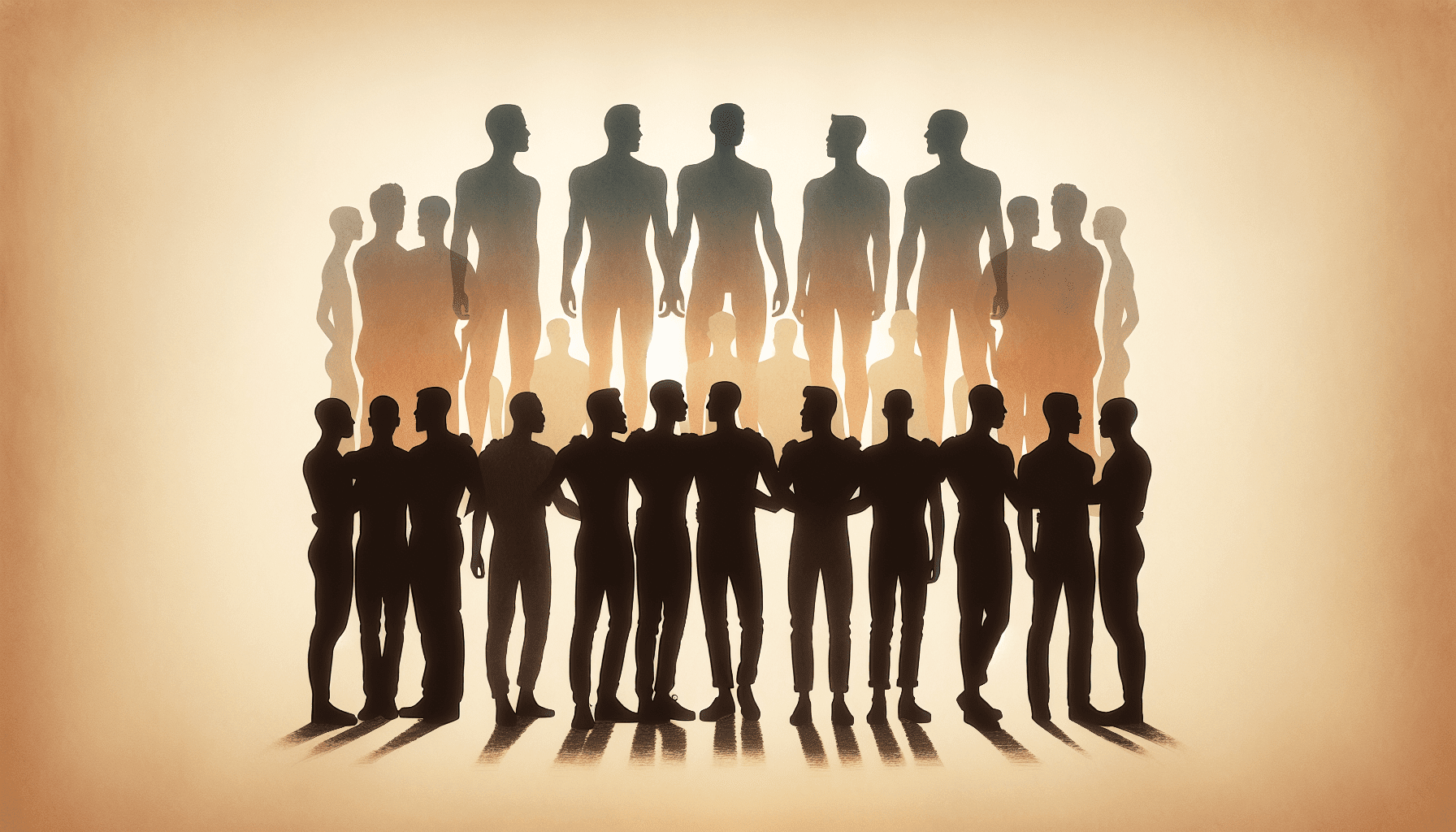
In this article, you will discover effective ways to encourage and foster healthy masculinity in men. Society often imposes rigid expectations and stereotypes on men, which can limit their emotional well-being and personal growth. By embracing a more inclusive and balanced definition of masculinity, we can promote healthy behaviors, mental health, and positive relationships. This article will provide valuable insights and practical tips on how to challenge societal norms, cultivate emotional intelligence, and create supportive environments for men to thrive in their own unique way. So, let’s embark on this journey towards promoting healthy masculinity and empower men to live fulfilling lives.
Understanding Healthy Masculinity
Exploring the concept of healthy masculinity
Understanding what healthy masculinity means is the first step in promoting it. Healthy masculinity refers to a gender identity that embraces positive qualities and behaviors while challenging the traditional norms associated with masculinity. It’s about redefining masculinity in a way that promotes respect, emotional intelligence, and healthy relationships. By exploring the concept of healthy masculinity, we can break stereotypes and encourage men to embrace their authentic selves.
Challenging traditional gender norms
Traditional gender norms often place expectations on men to be strong, stoic, and dominant. These norms not only limit men’s emotional expression but also perpetuate harmful behaviors and attitudes. By challenging these norms and encouraging men to redefine their masculinity, we can create space for them to express a wider range of emotions, engage in nurturing relationships, and reject harmful stereotypes. It’s important to emphasize that healthy masculinity is not about diminishing traits traditionally associated with men, but rather about expanding the definition to encompass a more holistic and inclusive understanding of gender.
Emphasizing emotional intelligence
One of the key aspects of healthy masculinity is the development of emotional intelligence. Emotional intelligence involves being able to recognize and manage our own emotions, as well as empathize with the emotions of others. By encouraging men to develop emotional intelligence, we empower them to build healthier relationships, communicate effectively, and navigate conflicts constructively. This emphasis on emotional intelligence helps break down barriers to emotional expression that have traditionally been associated with masculinity, allowing men to experience the full range of human emotions without shame or judgment.
Recognizing diverse expressions of masculinity
It is essential to recognize that masculinity is not a one-size-fits-all concept. Men come from diverse backgrounds and experiences, and their expressions of masculinity may vary greatly. By acknowledging and celebrating the diversity within masculinity, we create an environment that values individuality and supports authenticity. Providing space for men to explore and embrace their unique expressions of masculinity promotes self-acceptance and fosters a sense of belonging. This recognition of diverse expressions of masculinity combats toxic masculinity by eliminating the pressure for men to conform to narrow stereotypes.
Fostering Positive Male Role Models
Highlighting positive male role models in various fields
Positive male role models can play a crucial role in shaping healthy masculinity. By highlighting men who embody positive qualities such as empathy, compassion, and respect, we provide examples for others to follow. Positive male role models can be found in various fields, including sports, entertainment, academia, and community service. By amplifying their stories, we showcase the potential for healthy expressions of masculinity and inspire others to emulate these qualities in their own lives.
Encouraging male mentors and mentees
Mentorship is a valuable tool for personal and professional growth. Encouraging men to become mentors or mentees provides them with opportunities to learn, grow, and develop healthy relationships. Male mentors can pass on valuable life skills, provide guidance, and help navigate complex challenges. On the other hand, male mentees can benefit from the wisdom and experiences of older men. This mentor-mentee relationship creates a positive cycle of support and promotes healthy masculinity by fostering intergenerational connections and the sharing of knowledge.
Promoting healthy relationships with fathers and father figures
The relationship between a man and his father or father figure can significantly influence his understanding of masculinity. By promoting healthy relationships between fathers and their children, we pave the way for healthier expressions of masculinity. Encouraging open communication, emotional support, and positive role modeling within these relationships can break cycles of toxic masculinity and create a foundation for personal growth and healthy relationship dynamics. Building healthy relationships with fathers and father figures fosters empathy, emotional intelligence, and a sense of belonging, positively impacting a man’s journey towards healthy masculinity.
Educating on Consent and Respectful Relationships
Teaching the importance of consent and boundaries
Understanding and respecting boundaries is essential in promoting healthy masculinity. By educating men about the importance of consent and the necessity of respecting boundaries, we can establish a culture of consent and eradicate harmful behaviors. It is crucial to emphasize that consent is an ongoing and enthusiastic agreement that is freely given. Teaching men about seeking and respecting consent in all aspects of their lives ensures that their interactions are based on mutual respect, equality, and the acknowledgment of personal autonomy.
Promoting healthy communication and active listening skills
Effective communication is crucial for building healthy relationships. By promoting healthy communication and active listening skills, we empower men to express themselves honestly, empathize with others’ perspectives, and navigate conflicts peacefully. Teaching men how to communicate assertively, actively listen to others, and validate emotions fosters healthier relationship dynamics built on mutual understanding and cooperation. These skills form the foundation for respectful relationships and promote healthy masculinity through open and empathetic communication.
Addressing harmful attitudes towards women
Addressing harmful attitudes towards women is a critical component of promoting healthy masculinity. By challenging stereotypes, biases, and sexist beliefs, we can create a society that values gender equality and respect. It is vital to educate men about the impact of harmful attitudes on women’s empowerment and well-being. This education can help dismantle harmful narratives and encourage men to become allies in the fight against gender-based discrimination. By promoting empathy, understanding, and respect, we pave the way for healthier and more inclusive expressions of masculinity.
Encouraging Emotional Expression and Vulnerability
Normalizing emotional expression for men
Normalization of emotional expression is key to promoting healthy masculinity. Men often face societal pressures to suppress their emotions, which can have detrimental effects on their mental and emotional well-being. By challenging the notion that vulnerability is a weakness, we create a safer environment for men to express their feelings openly. Celebrating vulnerability as a strength fosters emotional growth and resilience, allowing men to develop healthier coping mechanisms and nurturing meaningful relationships.
Creating safe spaces for men to share their feelings
Creating safe spaces where men feel comfortable sharing their feelings is essential in promoting healthy masculinity. By establishing supportive environments where men can openly discuss their emotions without fear of judgment, we create opportunities for personal growth and healing. These spaces could be in therapy settings, support groups, or simply among trusted friends. Encouraging men to take part in these safe spaces allows them to develop emotional intelligence, validate their experiences, and realize that seeking support is a sign of strength.
Promoting self-care and mental health awareness
Promoting self-care and mental health awareness is crucial for fostering healthy masculinity. Encouraging men to prioritize their mental and emotional well-being reinforces the importance of self-care practices. By promoting mindfulness, stress management techniques, and self-reflection, we equip men with tools to navigate life’s challenges more effectively. Additionally, raising awareness about mental health issues and reducing the stigma surrounding seeking professional help empower men to seek support when needed, fostering resilience and overall well-being.
Challenging Toxic Masculinity
Identifying and countering toxic masculine traits
Identifying and countering toxic masculine traits is essential for promoting healthy masculinity. Toxic masculinity refers to the socially constructed expectations that encourage men to exhibit aggressive, dominant, and emotionally repressive behaviors. By recognizing and challenging these traits, we can dismantle harmful stereotypes and create space for healthier expressions of masculinity. It is important to promote traits such as empathy, compassion, and cooperation, which counter toxic masculinity and foster healthier relationships and societal dynamics.
Addressing harmful stereotypes and attitudes
Addressing harmful stereotypes and attitudes is a vital step towards challenging toxic masculinity. Stereotypes perpetuate harmful expectations, limiting men’s ability to express themselves authentically. By promoting an environment that challenges stereotypes and encourages individuality, we empower men to break free from societal expectations and embrace their unique identities. Recognizing the harm caused by these stereotypes and actively working to dismantle them is crucial in fostering a healthier understanding of masculinity.
Promoting healthy competition and cooperation
Promoting healthy competition and cooperation is a means to challenge toxic masculinity. Encouraging men to build healthy rivalries based on mutual respect, fairness, and personal growth promotes a positive approach to competition. By emphasizing the importance of cooperation and collaboration over dominance and aggression, we foster an environment that values teamwork and collective success. This shift in perspective promotes healthy masculinity by celebrating achievements that benefit individuals and communities rather than perpetuating a winner-takes-all mindset.
Promoting Gender Equality
Advocating for gender equality in all spheres of life
Promoting gender equality is a fundamental aspect of healthy masculinity. By advocating for gender equality in all spheres of life, we challenge traditional power imbalances and promote a more inclusive society. Recognizing the importance of equal opportunities, respect, and representation for all genders breaks down the confines of toxic masculinity. It is crucial to actively support policies and initiatives that promote gender equality to create a society built on equity, fairness, and respect.
Supporting women’s rights and empowerment
Supporting women’s rights and empowerment is essential for promoting healthy masculinity. By actively advocating for gender justice and standing in solidarity with women, men have the power to contribute to a more equitable society. This support can take various forms, such as promoting women’s leadership, challenging gender-based violence, and amplifying women’s voices. Recognizing and addressing the historical injustices and discrimination women have faced is a critical step in fostering healthy masculinity and building a society that values gender equality.
Recognizing the importance of intersectionality
In promoting gender equality, it is important to recognize and address the intersections of gender with other social identities such as race, ethnicity, sexuality, and disability. Intersectionality recognizes that individuals experience multiple forms of privilege and oppression, and these intersections shape their realities. By acknowledging and addressing the challenges faced by marginalized communities, particularly those faced by women of color, LGBTQ+ individuals, and individuals with disabilities, we promote a more comprehensive understanding of healthy masculinity. By advocating for equality, inclusion, and justice for all individuals, regardless of their intersecting identities, we foster healthier and more inclusive expressions of masculinity.
Empowering Men to Seek Help
Breaking the stigma around seeking mental health support
Breaking the stigma around seeking mental health support is crucial in promoting healthy masculinity. Men often face societal pressure to appear strong and self-reliant, which can prevent them from seeking help when needed. By challenging these expectations and normalizing conversations about mental health, we create an environment that supports men’s well-being. Encouraging men to prioritize their mental health and providing access to resources reduces the barriers to seeking help, ultimately benefiting individuals and society as a whole.
Encouraging men to ask for help when needed
Encouraging men to ask for help when needed is an important aspect of promoting healthy masculinity. By fostering a culture that values vulnerability, emotional support, and interdependence, we empower men to recognize their limitations and reach out for assistance. Encouraging men to seek help not only contributes to their own well-being but also strengthens the networks of support within communities. By normalizing help-seeking behaviors, we create a society that embraces interconnectivity and recognizes the strength in asking for assistance.
Promoting access to resources and support networks
Promoting access to resources and support networks is essential in empowering men to seek help. Providing information about available services, such as counseling, support groups, and helplines, ensures that men have the necessary tools to address their mental and emotional well-being. Additionally, creating networks and safe spaces where men can connect with others who have similar experiences fosters a sense of community and belonging. By promoting access to resources and support networks, we remove the barriers that prevent men from seeking help, ultimately promoting healthier expressions of masculinity.
Addressing Violence and Aggression
Teaching healthy conflict resolution strategies
Teaching healthy conflict resolution strategies is a crucial aspect of promoting healthy masculinity. By providing men with the skills to navigate conflicts peacefully and respectfully, we foster healthier relationship dynamics. Teaching assertive communication, active listening, and negotiation skills allows men to address conflicts in a constructive manner. This emphasis on healthy resolutions reduces the likelihood of resorting to violence or aggression, promoting healthier expressions of masculinity and creating safer environments for all individuals.
Educating on non-violent communication
Educating men about non-violent communication is essential in promoting healthy masculinity. Non-violent communication is a method of expressing needs and conflicts without resorting to physical or emotional violence. By teaching men how to express themselves assertively, empathize with others, and respond non-violently to conflict, we equip them with the tools necessary to navigate disagreements and challenges peacefully. This approach challenges toxic masculinity by rejecting aggression and promoting understanding and cooperation as the foundation of healthy relationships.
Preventing and addressing domestic violence and sexual assault
Preventing and addressing domestic violence and sexual assault is critical in promoting healthy masculinity. By actively engaging in conversations about consent, bystander intervention, and healthy relationship dynamics, we create an environment that rejects violence and coercion. It is crucial to educate men about the impact of domestic violence and sexual assault on individuals and communities, and to provide resources and support for survivors. By promoting healthy masculinity, we empower men to challenge harmful behaviors, support survivors, and be active agents in preventing violence.
Promoting Healthy Body Image and Self-Esteem
Encouraging a positive body image for all men
Promoting a positive body image is an important aspect of promoting healthy masculinity. Society often places unrealistic expectations on men’s physical appearance, causing body image issues and low self-esteem. By challenging these expectations and celebrating diverse body types, we promote self-acceptance and encourage men to develop a healthier relationship with their bodies. Recognizing the value of inner qualities, skills, and accomplishments over appearance creates a more inclusive understanding of masculinity that prioritizes self-worth beyond physical attributes.
Challenging the expectations of physical appearance
Challenging the expectations of physical appearance is crucial in promoting healthy masculinity. Societal ideals often pressure men to conform to a narrow definition of attractiveness, causing body dissatisfaction and unhealthy behaviors. By challenging these expectations and embracing diverse representations of male beauty, we support men in developing a positive body image. Promoting the idea that masculinity is not solely defined by physical appearance helps men prioritize their mental, emotional, and physical well-being beyond societal expectations.
Promoting self-acceptance and self-confidence
Promoting self-acceptance and self-confidence is vital in fostering healthy masculinity. By encouraging men to embrace their unique qualities and talents, we empower them to recognize their worth beyond societal standards. Promoting self-acceptance involves celebrating individual differences and challenging the idea that there is a singular way of being masculine. Nurturing self-confidence allows men to engage authentically with others, take risks, and advocate for their own needs and well-being. By promoting self-acceptance and self-confidence, we support the development of healthy masculinity that celebrates individuality and fosters a sense of belonging.
Including Men in Gender Equality Conversations
Engaging men in discussions about feminism and gender issues
Engaging men in discussions about feminism and gender issues is a vital component of promoting healthy masculinity. It is essential to involve men in conversations surrounding gender equality to create a comprehensive understanding of these issues. By providing education and opportunities for men to learn about feminist principles and the impact of patriarchal systems, we cultivate empathy, understanding, and active participation in creating change. Including men in these discussions allows for a more inclusive understanding of gender and a shared commitment to dismantling harmful social norms.
Encouraging men to become allies and active participants in creating change
Encouraging men to become allies and active participants in creating change is crucial in promoting healthy masculinity. Allies actively support and advocate for marginalized groups, using their privilege and influence to challenge systems of oppression. By encouraging men to reflect on their own behaviors, biases, and impact on others, we foster their engagement in promoting gender equality. Empowering men to actively challenge harmful attitudes and behaviors helps create a society where all individuals can thrive, regardless of their gender.
Promoting understanding and empathy
Promoting understanding and empathy is essential in including men in gender equality conversations. By facilitating dialogue that encourages active listening, empathy, and open-mindedness, we foster an environment where men can understand the experiences and perspectives of others. This understanding promotes healthy masculinity by challenging biases and stereotypes, breaking down barriers to empathy, and fostering a sense of collective responsibility to create a more equitable and inclusive society.
In conclusion, promoting healthy masculinity requires a holistic approach that challenges traditional gender norms, addresses harmful attitudes and behaviors, and supports men’s emotional well-being. By understanding healthy masculinity, fostering positive male role models, promoting consent and respectful relationships, encouraging emotional expression and vulnerability, challenging toxic masculinity, advocating for gender equality, empowering men to seek help, addressing violence and aggression, promoting healthy body image and self-esteem, and including men in gender equality conversations, we can create a society that values and supports the diverse expressions of masculinity and nurtures the well-being of all individuals. Embracing healthy masculinity contributes to a world where men can embody authenticity, empathy, and respect while fostering healthier relationships and promoting social justice.